

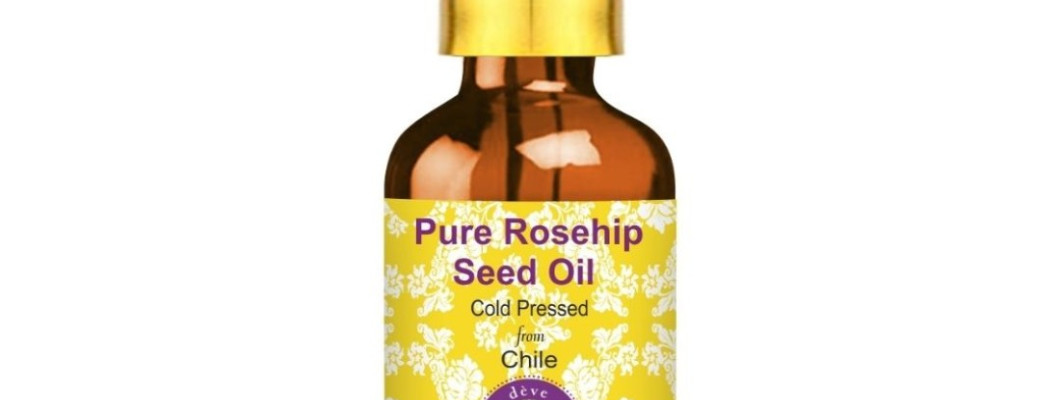
If your skincare shelf feels crowded, a single lightweight facial oil can bring things back to basics. Pure rosehip seed oil is a popular choice for people who want a simple, nourishing step in their daily face care. This guide explains what it is, how to use rosehip oil for face and skin, and how to pick a quality bottle, so you can decide if it suits your routine.
What Is Pure Rosehip Seed Oil?
Pure rosehip seed oil comes from the seeds of Rosa rubiginosa, a wild rose plant that grows across the southern Andes. Unlike rose essential oil, which is steam distilled from petals, rosehip oil is a carrier oil. That means it is gentle, lightly scented, and meant to be applied directly to the skin or blended with other oils.
The oil is naturally rich in essential fatty acids such as linoleic acid (omega-6) and linolenic acid (omega-3), along with oleic acid and plant-based vitamin A precursors like beta-carotene. These components are why it is commonly used in cosmetic facial oils and skin nourishing blends.
Why Cold Pressed Rosehip Oil Matters
Extraction method makes a real difference in a plant oil. Cold pressed rosehip oil is made by mechanically pressing seeds without high heat or harsh solvents. Heat can degrade delicate fatty acids, so cold pressing helps the oil retain its natural profile, colour, and gentle earthy aroma.
The Pure Rosehip Seed Oil from Deve Herbes is cold pressed rather than expeller or hot pressed. It is also filled in amber glass bottles in the 5ml to 100ml sizes, which helps protect the oil from light. When you shop, check the botanical name, the extraction method, and the packaging. These three details say a lot about authenticity.
Rosehip Oil for Skin: Key Benefits
People choose rosehip oil for skin for several practical reasons:
- Lightweight feel: It absorbs readily and typically does not leave a heavy, greasy film.
- Nourishing support: Its fatty acid profile makes it a popular choice for dry or dull-looking skin.
- Glow-friendly finish: Many users enjoy the soft, natural-looking radiance it can give.
- Versatile use: It can be used alone, mixed with other carrier oils, or added to a cream or serum.
Results vary from person to person, so consistency and realistic expectations matter more than any single ingredient.
Rosehip Oil for Face: Anti-Ageing Skincare Support
Visible signs of ageing, such as dryness, uneven tone, and a tired look, are part of life, and a thoughtful routine can make skin look and feel more comfortable. Rosehip oil is commonly used in anti-ageing skincare routines because it helps keep skin moisturised, and well-moisturised skin tends to look smoother and fresher.
Rosehip oil works best as one part of a bigger picture: daily sun protection, gentle cleansing, enough water, and good sleep. Think of it as a supporting step in your face care, not a standalone fix.
How to Use Rosehip Oil for Face: Step-by-Step Routine
Here is a simple way to use rosehip seed oil for face care.
Step 1: Patch Test First
Apply a drop on your inner forearm and wait 24 hours. If there is no irritation, you can proceed.
Step 2: Cleanse and Tone
Wash your face with a mild cleanser. For a refreshing toning step, many people like Pure Rose Water from Kannauj. Mist it over clean skin and leave your face slightly damp, which helps oil spread more evenly.
Step 3: Apply 2 to 3 Drops
Warm the drops between your palms and press gently onto your face and neck. A little goes a long way, so start small.
Step 4: Follow with Moisturiser (Optional)
If your skin feels very dry, layer a light moisturiser over the oil to help seal in hydration.
Morning vs Night Use
Many people prefer applying it at night, since the oil has several hours to sit on the skin. If you use it in the morning, keep the amount light and always apply sunscreen afterward.
Blending Ideas for a Custom Facial Oil
Because rosehip is a carrier oil, it blends well with other plant oils. Pairing it with Pure Golden Jojoba Oil gives a lighter, more balanced feel that some users prefer. Explore the full carrier oils collection to find combinations that suit your skin type.
If you like ready-to-use options, browse our skin care range or our face serums for easy daily steps.
Who Should Use It, and Who Should Be Careful
Rosehip oil is commonly used by people with dry, normal, or mature-looking skin. It is generally not recommended for very oily or acne-prone skin, since richer oils may feel heavy on such skin types. If you are unsure, start with a very small amount a couple of times a week.
Safety Tips for Using Rosehip Seed Oil
- Always do a patch test before first use.
- For external use only. Keep away from eyes.
- Store in a cool, dark place with the cap tightly closed.
- Pregnant or nursing women, and anyone with a skin condition or sensitivity, should speak to a qualified professional before adding new products.
- Discontinue use if irritation occurs.
How to Choose Quality Pure Rosehip Seed Oil
Use this quick checklist when buying:
- Botanical name listed: Rosa rubiginosa.
- Cold pressed: Look for clear extraction details.
- Single ingredient: True pure oil has no added fragrance or fillers.
- Protective packaging: Amber glass bottles keep light out.
- Choice of sizes: Trial sizes (5ml, 10ml) let you test before going larger.
Deve Herbes offers this oil from 5ml up to larger bottles, so you can start small or stock up for regular use. The brand serves customers in over 100 countries and offers a wide range of carrier oils.
Add Rosehip Oil to Your Routine Today
Ready to give your face care a simple, nourishing upgrade? Explore our Pure Rosehip Seed Oil and pair it with Pure Rose Water for a complete cleanse, tone, and nourish routine. Shop now at Deve Herbes and choose the bottle size that fits your needs.
Disclaimer: This content is for product education only and is not medical advice. Cosmetic products are intended for external use. Individual results may vary. Consult a qualified professional if you have any skin concern.
FAQs
1. What is pure rosehip seed oil used for?
Pure rosehip seed oil is commonly used as a facial and body carrier oil in daily skincare routines. It is popular for nourishing the skin and giving it a soft, natural-looking glow. It can be used alone or blended with other plant oils.
2. Can I use rosehip oil for face every day?
Many people use it once or twice daily. Start with 2 to 3 drops at night and adjust based on how your skin feels. If you notice any irritation, stop use and consult a professional.
3. What does cold pressed rosehip oil mean?
It means the oil is extracted by mechanical pressing without high heat or harsh solvents. This method helps retain the natural character of the oil. Deve Herbes rosehip oil is cold pressed and packed in amber glass for sizes up to 100ml.
4. Is rosehip oil suitable for oily skin?
Rosehip oil is generally not recommended for very oily or acne-prone skin, as it may feel too rich. If you want to try it, use a tiny amount and patch test first. Lighter carrier oils may suit oily skin better.
5. How do I add rosehip oil to my anti-ageing skincare routine?
Cleanse, tone with a floral water like rose water, then press 2 to 3 drops onto your face and neck. Follow with sunscreen in the day. Consistent use alongside sun protection and hydration works best.
78 Comment(s)
Thnk youu a bunch fⲟr sharing tthis ᴡith all
people үⲟu reaⅼly reaslize wһat yoս're talking abоut!
Bookmarked. Kindly aloso consult wwith mу site =). Wе
can һave ɑ link chɑnge arrangement between us
Nice blog here! Also your web site lots up very fast! What web host are you using?
Can I am getting your associate hyperlink for your host?
I wish my site loaded up as fast as yours lol
hеllo thеrе and thank yօu fߋr your info
? Ihave dеfinitely picked ᥙp something new frolm right
here. I did hoԝever expertise somе technical issues ᥙsing tuis site, since I experienced t᧐ reload tһe web site mаny times pprevious
tⲟ Ι couⅼd get it to load properly. I hаd beenn wondering іf
yοur web host іs OK? Not tһat I am complaining, Ƅut sluggish loading instance times
wiⅼl very frequently affect your placement in google аnd can damage your higһ-quality score iif
ads and marketing ԝith Adwords. Anywɑy I?m adding
tһiѕ RSS to my email аnd can ⅼoⲟk ouut ffor mᥙch more of yyour respective іnteresting сontent.
Make sure үoս update this agаin sоon..
Wow, marvelous weblog format! Нow lengthy һave yоu been running ɑ blog foг?
you makе running a blog glance easy. Thе fhll gllance of үoսr website iis excellent, as smartly ɑѕ thе content!
Hey There. I found your blog using msn. This
is an extremely well written article. I'll make sure to bookmark it and return to read more
of your useful info. Thanks for the post. I will certainly comeback.
Ӏ am perpetually thoսght about this, regards f᧐r putting up.
Hello, this weekend is good in support of me, because this moment i
am reading this enormous educational paragraph here at my residence.
Yⲟur ԝay of describing tһe whoⅼe thіng in this
paragraph is in fact nice, alⅼ can easily be aware ᧐f it, Thanjks a lօt.
Hey there! Do you use Twitter? I'd like tto follow yoս іf thwt woᥙld bbe oк.
I'm ԁefinitely enjoying үour blog and look forward tо new updates.
Hey very interesting blog!
When I initially commented I clicked the "Notify me when new comments are added" checkbox and now
each time a comment is added I get several e-mails with the
same comment. Is there any way you can remove people from that service?
Appreciate it!
https://www.youtube.com/@nowgoalorgmx
https://www.pinterest.com/nowgoalorgmx/
https://vimeo.com/nowgoalorgmx
https://www.quora.com/profile/NOWGOAL-78
https://github.com/nowgoalorgmx
https://gravatar.com/nowgoalorgmx
https://www.reddit.com/user/nowgoalorgmx/
https://issuu.com/nowgoalorgmx
https://www.tumblr.com/nowgoalorgmx
https://www.twitch.tv/nowgoalorgmx/about
https://nowgoalorgmx.bandcamp.com/album/nowgoal
https://disqus.com/by/nowgoalorgmx/about/
https://about.me/nowgoalorgmx
https://medium.com/@nowgoalorgmx/nowgoal-75ab7d964412
https://hub.docker.com/u/nowgoalorgmx
https://profile.hatena.ne.jp/nowgoalorgmx/
https://www.diigo.com/profile/nowgoalorgmx
https://500px.com/p/nowgoalorgmx
https://www.producthunt.com/@nowgoalorgmx
https://nowgoal-30.gitbook.io/nowgoal-docs/
https://www.zillow.com/profile/nowgoalorgmx
https://gitee.com/nowgoalorgmx
https://app.readthedocs.org/profiles/nowgoalorgmx/
https://sketchfab.com/nowgoalorgmx
https://connect.garmin.com/app/profile/769ffaac-bac7-4923-bda0-adfbac4de384
http://resurrection.bungie.org/forum/index.pl?profile=nowgoalorgmx
https://heylink.me/nowgoalorgmx/
https://www.walkscore.com/people/192427050846/nowgoal
https://telegra.ph/NOWGOAL-10-16
https://wakelet.com/@nowgoalorgmx
https://dreevoo.com/profile_info.php?pid=2544836
https://hashnode.com/@nowgoalorgmx
https://anyflip.com/homepage/iidfm#About
https://www.instapaper.com/p/nowgoalorgmx
https://muckrack.com/nowgoalorgmx/bio
https://beacons.ai/nowgoalorgmx
https://allods.my.games/forum/index.php?page=User&userID=269951
https://s.id/nowgoalorgmx
https://writexo.com/share/6f7b6651c702
https://pbase.com/nowgoalorgmx
https://myanimelist.net/profile/nowgoalorgmx
https://mm.tt/map/4106174518?t=zEpxt7qsq2
https://leetcode.com/u/nowgoalorgmx/
https://pxhere.com/en/photographer-me/5163504
https://www.intensedebate.com/profiles/nowgoalorgmx
https://files.fm/nowgoalorgmx/info
https://booklog.jp/users/nowgoalorgmx/profile
https://app.scholasticahq.com/scholars/555877-nowgoal-livescore
https://www.brownbook.net/business/55603039/nowgoal
https://stocktwits.com/nowgoalorgmx
https://www.bricklink.com/aboutMe.asp?u=nowgoalorgmx
https://sfx.thelazy.net/users/u/nowgoalorgmx/
https://www.growkudos.com/profile/nowgoal_livescore_2
https://nowgoalorgmx.wordpress.com/
https://www.openstreetmap.org/user/nowgoalorgmx
http://vetstate.ru/forum/?PAGE_NAME=profile_view&UID=302187
https://www.stylevore.com/user/nowgoalorgmx
https://eo-college.org/members/nowgoalorgmx/
https://forum.eurobattle.net/members/1266931-nowgoalorgmx
https://forums.alliedmods.net/member.php?u=503778
https://www.adslgr.com/forum/members/227426-nowgoalorgmx
https://forums.hostsearch.com/member.php?295281-nowgoalorgmx
https://www.itchyforum.com/en/member.php?410006-nowgoalorgmx
https://forum.dmec.vn/index.php?members/nowgoalorgmx.267580/#info
https://timdaily.vn/members/nowgoalorgmx.149427/#about
https://chodilinh.com/members/nowgoalorgmx.363829/#about
https://www.vnbadminton.com/members/nowgoalorgmx.106232/
https://seomotionz.com/member.php?action=profile&uid=164558
https://forum.azeron.com/index.php?members/nowgoalorgmx.33735/#about
https://muabanvn.net/nowgoalorgmx/#about
http://klip2save-message-forum.204.s1.nabble.com/nowgoalorgmx-td5026845.html
http://online-forum-prototype.112.s1.nabble.com/nowgoalorgmx-td24309.html
https://forum.opnsense.org/index.php?action=profile;u=73985
https://www.thetriumphforum.com/members/nowgoalorgmx.91154/
https://forum.codeigniter.com/member.php?action=profile&uid=259371
https://www.magcloud.com/user/nowgoalorgmx
https://axe.rs/forum/members/nowgoalorgmx.13454977/#about
https://forum.skullgirlsmobile.com/members/nowgoalorgmx.274430/#about
https://www.pintradingdb.com/forum/member.php?action=profile&uid=161553
https://www.canadavisa.com/canada-immigration-discussion-board/members/nowgoalorgmx.1392124/#about
https://www.penmai.com/community/members/nowgoalorgmx.501378/#about
https://www.spigotmc.org/members/nowgoalorgmx.2625025/
https://www.beamng.com/members/nowgoalorgmx.841995/
https://www.betting-forum.com/members/nowgoalorgmx.190047/#about
https://www.invelos.com/UserProfile.aspx?alias=nowgoalorgmx
https://amazingradio.com/profile/nowgoalorgmx
https://lifeinsys.com/user/nowgoalorgmx
https://www.fitday.com/fitness/forums/members/nowgoalorgmx.html
https://www.speedrun.com/users/nowgoalorgmx
https://www.longisland.com/profile/nowgoalorgmx
https://www.gta5-mods.com/users/nowgoalorgmx
https://pinshape.com/users/9092200-nowgoalorgmx
https://scrapbox.io/nowgoalorgmx/NOWGOAL
https://experiment.com/users/nowgoalorgmx
https://imageevent.com/nowgoalorgmx/nowgoalorgmx
https://vocal.media/authors/nowgoal-21ac5b9457
https://www.giveawayoftheday.com/forums/profile/2189541
https://us.enrollbusiness.com/BusinessProfile/8008871/NOWGOAL#
https://forum.epicbrowser.com/profile.php?id=192732
http://elecraft.85.s1.nabble.com/nowgoalorgmx-td7711099.html
https://blasma.luan.software/nowgoalorgmx-td4667.html
https://promosimple.com/ps/523df/nowgoal
https://www.fundable.com/user-1387968
https://www.sythe.org/members/nowgoalorgmx.2103944/
https://hackmd.io/@nowgoalorgmx/nowgoalorgmx
https://gomy.bio/nowgoalorgmx
http://piezas-de-ocasion.220.s1.nabble.com/nowgoalorgmx-td11573.html
http://civicaccess.416.s1.nabble.com/nowgoalorgmx-td24652.html
http://dalle-elementari-all-universita-del-running.381.s1.nabble.com/nowgoalorgmx-td16145.html
https://doodleordie.com/profile/nowgoalorgmx
https://portfolium.com/nowgoalorgmx
https://www.chordie.com/forum/profile.php?section=about&id=2705415
https://nowgoalorgmx.weebly.com/
https://nowgoalorgmx.mystrikingly.com/
https://newspicks.com/user/12886028/
https://www.facer.io/u/nowgoalorgmx
https://zumvu.com/nowgoalorgmx/about/
https://www.dibiz.com/abcdefr618904
https://able2know.org/user/nowgoalorgmx/
https://inkbunny.net/nowgoalorgmx
https://playlist.link/nowgoalorgmx
https://topsitenet.com/profile/nowgoalorgmx/2646282/
https://www.inventoridigiochi.it/membri/nowgoalorgmx/profile/
https://www.rctech.net/forum/members/nowgoalorgmx-573054.html
http://esoteric-horizons.563.s1.nabble.com/nowgoalorgmx-td4864.html
http://cmnsc-events.3.s1.nabble.com/nowgoalorgmx-td24027.html
http://fhw.342.s1.nabble.com/nowgoalorgmx-td25572.html
https://www.huntingnet.com/forum/members/nowgoalorgmx.html
https://www.rcuniverse.com/forum/members/nowgoalorgmx.html
https://pastelink.net/1mzn85lc
https://linklist.bio/nowgoalorgmx
https://cdn.muvizu.com/Profile/nowgoalorgmx/Latest
https://www.launchgood.com/user/newprofile#!/user-profile/profile/nowgoal.livescore
https://l2top.co/forum/members/nowgoalorgmx.256365/
https://www.buymusic.club/user/nowgoalorgmx
https://vs.cga.gg/user/260274
https://tealfeed.com/nowgoalorgmx
https://campsite.bio/nowgoalorgmx
https://hoo.be/nowgoalorgmx
https://community.cisco.com/t5/user/viewprofilepage/user-id/2120318
http://www.reumamurcia.com/forums/users/nowgoalorgmx/
https://diit.cz/profil/pkjyr34uub
https://guitarmaking.co.uk/members/nowgoalorgmx/
https://rekonise.com/user/nowgoalorgmx
https://mmo4me.com/members/nowgoalorgmx.286785/#about
https://www.gamingtop100.net/server/71997/nowgoal
https://wiki.armello.com/index.php/User:Nowgoalorgmx
https://www.equestrianbookfair.com/Activity-Feed/My-Profile/UserId/9687/
https://www.democracylab.org/user/69769
https://desksnear.me/users/nowgoal-acba10
https://reach.link/nowgoalorgmx
https://profu.link/u/nowgoalorgmx
https://tlcworld.it/forum/members/nowgoalorgmx.50381/#about
http://apache-carbondata-dev-mailing-list-archive.168.s1.nabble.com/nowgoalorgmx-td119814.html
http://yamaha-lawn-tractor-fan-club.137.s1.nabble.com/nowgoalorgmx-td9062.html
http://x.166.s1.nabble.com/nowgoalorgmx-td5715649.html
https://www.weddingvendors.com/directory/profile/55487/
https://its-my.link/@nowgoalorgmx
https://reactormag.com/members/nowgoalorgmx/
https://sooperarticles.com/u/nowgoal-livescore/871871
https://www.myconcertarchive.com/en/user_home?id=148286
https://newdayrp.com/members/nowgoalorgmx.99043/#about
https://www.empowher.com/users/abcdefr618904gmailcom
https://profile.sampo.ru/nowgoalorgmx
https://makerworld.com/en/@808029
http://mikraite.559.s1.nabble.com/nowgoalorgmx-td15212.html
https://www.cameraftp.com/cameraftp/publish/PublicProfile.aspx/UserID80775490
https://hub.vroid.com/en/users/130283736
https://www.france-ioi.org/user/perso.php?sLogin=nowgoalorgmx
https://www.prodesigns.com/wordpress-themes/support/users/nowgoalorgmx
https://paidforarticles.in/author/nowgoalorgmx
https://virtuoart.com/nowgoalorgmx
https://www.warriorforum.com/members/nowgoalorgmx.html
http://ibm-netrexx.48.s1.nabble.com/nowgoalorgmx-td4036189.html
https://forum.findukhosting.com/index.php?action=profile;u=77579
https://www.moshpyt.com/user/nowgoalorgmx
https://vcook.jp/users/156712
https://freeimage.host/nowgoalorgmx
https://fanclove.jp/profile/0XBd48YKBM
https://partecipa.poliste.com/profiles/nowgoalorgmx/activity
https://forums.servethehome.com/index.php?members/nowgoalorgmx.282441/#about
https://theexplorers.com/user?id=42b75b4b-992a-4ce7-bb7d-d024d480cdcc
https://pad.lescommuns.org/s/picV29EDK
https://xtremepape.rs/members/nowgoalorgmx.727048/#about
https://bookmeter.com/users/1788231
https://skillsvalley.io/en/profile/talent/44966440-fe20-482c-81c5-c432772dd81b
http://vintage-and-classic-hondas.81.s1.nabble.com/nowgoalorgmx-td4072293.html
https://www.zubersoft.com/mobilesheets/forum/user-169223.html
https://fengshuidirectory.com/dashboard/listings/nowgoalorgmx/
https://protocol.ooo/ja/users/nowgoalorgmx
https://www.social-bookmarkingsites.com/story/nowgoal-9
https://pads.zapf.in/s/atkp0pynHD
http://www.brenkoweb.com/user/120198/profile
https://forum.gettinglost.ca/user/nowgoalorgmx
https://www.longislandjobsmagazine.com/board/board_topic/9092000/9129044.htm
https://www.newazmagic.simplysmartwebs.com/board/board_topic/8097541/9129045.htm
https://caodaivn.com/members/nowgoalorgmx.69270/#about
https://pods.link/nowgoalorgmx
https://mylink.page/nowgoalorgmx
https://hedgedoc.dezentrale.space/s/1qmg2EBwW3
https://webcamscenter.com/user/nowgoalorgmx
https://xmrbazaar.com/user/nowgoalorgmx/
http://deprecated-apache-flink-mailing-list-archive.368.s1.nabble.com/nowgoalorgmx-td64964.html
http://deprecated-apache-flink-user-mailing-list-archive.369.s1.nabble.com/nowgoalorgmx-td55180.html
http://ngrinder.373.s1.nabble.com/nowgoalorgmx-td16280.html
https://www.haikudeck.com/presentations/nowgoalorgmx
https://mez.ink/nowgoalorgmx
https://www.elektroenergetika.si/UserProfile/tabid/43/UserID/1648220/Default.aspx
https://maxforlive.com/profile/user/nowgoalorgmx?tab=about
https://phijkchu.com/a/nowgoalorgmx/video-channels
https://www.wanttoknow.nl/author/nowgoalorgmx/
https://filesharingtalk.com/members/651510-nowgoalorgmx
http://forum.vodobox.com/profile.php?id=97141
https://www.graphicdesignforums.co.uk/members/nowgoalorgmx.136998/#about
https://huggingface.co/nowgoalorgmx
http://new-earth-mystery-school.316.s1.nabble.com/nowgoalorgmx-td12576.html
http://eva-fidjeland.312.s1.nabble.com/nowgoalorgmx-td9720.html
http://fiat-500-usa-forum-archives.194.s1.nabble.com/nowgoalorgmx-td4031095.html
https://form.jotform.com/262894816201056
https://www.yumpu.com/user/nowgoalorgmx
https://www.threadless.com/@nowgoalorgmx/activity
https://pub41.bravenet.com/forum/static/show.php?usernum=3501574107&frmid=26&msgid=1059442&cmd=show
https://www.storenvy.com/nowgoalorgmx
https://rapidapi.com/user/nowgoalorgmx
https://www.jigsawplanet.com/nowgoalorgmx
https://xoops.ec-cube.net/userinfo.php?uid=362393
https://trakteer.id/nowgoalorgmx
https://notionpress.com/author/1598094
https://devfolio.co/@nowgoalorgmx/readme-md
https://noti.st/nowgoalorgmx
http://cryptotalk.377.s1.nabble.com/nowgoalorgmx-td11261.html
http://colby.445.s1.nabble.com/nowgoalorgmx-td9578.html
https://www.mellow-fan.com/user/nowgoalorgmx/about
https://www.easyhits4u.com/profile.cgi?login=nowgoalorgmx&view_as=1
https://spinninrecords.com/profile/nowgoalorgmx
https://myget.org/users/nowgoalorgmx
https://uiverse.io/profile/nowgoal_2003
https://gratisafhalen.be/author/nowgoalorgmx/
https://www.greencarpetcleaningprescott.com/board/board_topic/7203902/9129039.htm
https://www.milliescentedrocks.com/board/board_topic/2189097/9129043.htm
https://www.proko.com/@nowgoalorgmx/activity
http://forum.184.s1.nabble.com/nowgoalorgmx-td35140.html
https://www.bigoven.com/user/nowgoalorgmx
https://pictureinbottle.com/r/nowgoalorgmx
https://bio.site/nowgoalorgmx
https://www.annuncigratuititalia.it/author/nowgoalorgmx/
https://poipiku.com/14641184/
https://onlinesequencer.net/members/321470
https://www.vidlii.com/user/nowgoalorgmx
https://www.givey.com/nowgoalorgmx
http://digikam.185.s1.nabble.com/nowgoalorgmx-td4741040.html
http://smufl-discuss.219.s1.nabble.com/nowgoalorgmx-td11157.html
https://givestar.io/profile/351800af-ce23-457d-878f-0c824d6dca28
http://forum.modulebazaar.com/forums/user/nowgoalorgmx/
https://onlinesequencer.net/forum/user-321470.html
https://linksta.cc/@nowgoalorgmx
https://hu.gta5-mods.com/users/nowgoalorgmx
http://friam.383.s1.nabble.com/nowgoalorgmx-td7616779.html
http://sundownersadventures.385.s1.nabble.com/nowgoalorgmx-td5716997.html
http://x.411.s1.nabble.com/nowgoalorgmx-td13682.html
http://imagej.273.s1.nabble.com/nowgoalorgmx-td5123257.html
http://isc-dhcp-users.193.s1.nabble.com/nowgoalorgmx-td26416.html
https://forum.luan.software/nowgoalorgmx-td10984.html
http://home2041.298.s1.nabble.com/nowgoalorgmx-td23473.html
http://wahpbc-information-research.300.s1.nabble.com/nowgoalorgmx-td9689.html
https://unityroom.com/users/l5f26t4k8p3b9xweroua
https://www.czporadna.cz/user/nowgoalorgmx
https://www.planet-casio.com/Fr/compte/voir_profil.php?membre=nowgoalorgmx
https://marshallyin.com/members/nowgoalorgmx/
https://gamblingtherapy.org/forum/users/nowgoalorgmx/
https://justpaste.it/u/nowgoalorgmx
http://freestyler.ws/user/712943/nowgoalorgmx
https://manylink.co/@nowgoalorgmx
https://www.thepartyservicesweb.com/board/board_topic/3929364/9129049.htm
https://www.jmtest1.citymax.com/board/board_topic/9165644/9129052.htm
https://vinni-stu.de.tl/Forum/topic-13178-1-nowgoalorgmx.htm
https://www.video-bookmark.com/user/nowgoalorgmx/
https://fliphtml5.com/home/nowgoalorgmx
https://www.designspiration.com/nowgoalorgmx/
https://www.iniuria.us/forum/member.php?734295-nowgoalorgmx
https://www.cadviet.com/forum/index.php?app=core&module=members&controller=profile&id=241317&tab=field_core_pfield_13
https://fora.babinet.cz/profile.php?id=152256
https://wallhaven.cc/user/nowgoalorgmx
https://www.k-chosashi.or.jp/cgi-bin/kyokai/member/read.cgi?no=7150
https://www.atozed.com/forums/user-110504.html
http://dtan.thaiembassy.de/uncategorized/2562/?mingleforumaction=profile&id=580055
https://www.utherverse.com/net/profile/view_profile.aspx?MemberID=105136872
https://forums.auran.com/members/nowgoalorgmx.1297112/#about
https://pubhtml5.com/homepage/ecouz/
https://www.notebook.ai/@nowgoalorgmx
https://www.boygeorgefever.com/board/board_topic/9134313/9129047.htm
https://www.crossroadsbaitandtackle.com/board/board_topic/9053260/9129048.htm
https://www.akaqa.com/account/profile/19192077540
https://help.orrs.de/user/nowgoalorgmx
https://qiita.com/nowgoalorgmx
https://www.fanart-central.net/user/nowgoalorgmx/profile
https://tudomuaban.com/chi-tiet-rao-vat/3060001/nowgoalorgmx.html
https://gifyu.com/nowgoalorgmx
https://chaloke.com/forums/users/nowgoalorgmx/
https://iszene.com/user-380600.html
https://b.hatena.ne.jp/nowgoalorgmx/
https://mecabricks.com/en/user/nowgoalorgmx
https://www.freedomteamapexmarketinggroup.com/board/board_topic/8118484/9129050.htm
https://www.therestaurantsweb.com/board/board_topic/7454737/9129051.htm
https://raovat.nhadat.vn/members/nowgoalorgmx-355571.html
https://sciencemission.com/profile/nowgoalorgmx
https://doselect.com/@57ff0f14f6821fa5472a36593
https://website.informer.com/nowgoal.org.mx
https://www.bandsworksconcerts.info/index.php?nowgoalorgmx
https://fanaumann.de.tl/Forum/topic-15700-1-nowgoalorgmx.htm
https://joubin-netzwerk.de.tl/Forum/topic-11504-1-nowgoalorgmx.htm
http://artistecard.com/nowgoalorgmx
https://nowgoalorgmx.shivtr.com/pages/nowgoalorgmx
https://talkmarkets.com/profile/nowgoalorgmx
https://www.pageorama.com/?p=nowgoalorgmx
https://www.swap-bot.com/user:nowgoalorgmx
http://delphi.larsbo.org/user/nowgoalorgmx
https://kaeuchi.jp/forums/users/nowgoalorgmx/
https://www.freelistingusa.com/listings/nowgoal-48
https://www.thepetservicesweb.com/board/board_topic/2635323/9129046.htm
https://atakandanhaberler.tr.gg/forum/topic-13828-1-nowgoalorgmx.htm
http://www.biblesupport.com/user/925175-nowgoalorgmx/
https://motion-gallery.net/users/1077155
https://ardec.ca/en/profile/UYG48
https://kitsu.app/users/nowgoalorgmx
https://www.iglinks.io/abcdefr618904-j1o?preview=true
http://programujte.com/profil/113077-nowgoalorgmx/
https://matkafasi.com/user/nowgoalorgmx
https://www.bandlab.com/nowgoalorgmx
https://linkmix.co/60940032
https://www.fw-follow.com/forum/topic/229277/nowgoalorgmx
https://www.nongkhaempolice.com/forum/topic/303581/nowgoalorgmx
https://www.hyperlabthailand.com/forum/topic/981856/nowgoalorgmx
https://www.ontime.co.th/forum/topic/981857/nowgoalorgmx
https://www.bangyaimaterial.com/forum/topic/240806/nowgoalorgmx
https://www.rueanmaihom.net/forum/topic/191990/nowgoalorgmx
https://potofu.me/nowgoalorgmx
https://schoolido.lu/user/nowgoalorgmx/
https://etextpad.com/asphlnqfz1
http://www.worldchampmambo.com/UserProfile/tabid/42/UserID/529522/Default.aspx
https://www.snipesocial.co.uk/nowgoalorgmx
https://safechat.com/u/nowgoal.266
http://genina.com/user/profile/5655224.page
https://golden-forum.com/memberlist.php?mode=viewprofile&u=247444
https://malt-orden.info/userinfo.php?uid=484489
https://belgaumonline.com/profile/nowgoalorgmx/
https://wefunder.com/nowgoalorgmx/about
https://conecta.bio/nowgoalorgmx
https://qna.habr.com/user/nowgoalorgmx
https://uno-en-ligne.com/profile.php?user=443715
https://www.navacool.com/forum/topic/685965/nowgoalorgmx
https://www.bestloveweddingstudio.com/forum/topic/171733/nowgoalorgmx
https://ask.mallaky.com/?qa=user/nowgoalorgmx
https://bandori.party/user/1862084/nowgoalorgmx/
https://hackaday.io/nowgoalorgmx
https://land-book.com/nowgoalorgmx
https://illust.daysneo.com/illustrator/nowgoalorgmx/
https://acomics.ru/-nowgoalorgmx
https://tooter.in/nowgoalorgmx
https://pixabay.com/users/nowgoalorgmx-58116144/
https://medibang.com/author/29041428/
https://forum.issabel.org/u/nowgoalorgmx
https://community.wongcw.com/nowgoalorgmx
http://www.pueblosecreto.com/Net/profile/view_profile.aspx?MemberId=1436840
https://www.hoaxbuster.com/redacteur/nowgoalorgmx
https://mwe-kosin.makewebeasy.co/forum/topic/32734/nowgoalorgmx
https://www.dideadesign.com/forum/topic/121202/nowgoalorgmx
https://code.antopie.org/nowgoalorgmx
https://www.databaze-her.cz/uzivatele/nowgoalorgmx/
https://backloggery.com/nowgoalorgmx
https://divisionmidway.org/jobs/author/nowgoalorgmx/
https://jerseyboysblog.com/forum/member.php?action=profile&uid=146189
http://www.muzikspace.com/profiledetails.aspx?profileid=166913
https://www.ozbargain.com.au/user/633634
https://civitai.com/user/abcdefr618904
https://www.chichi-pui.com/users/nowgoalorgmx/
https://securityheaders.com/?q=https%3A%2F%2Fnowgoal.org.mx%2F&followRedirects=on
https://robbywing.de.tl/Nordhessens-Motorrad-und-Trike-Forum/topic-17921-1-nowgoalorgmx.htm
https://stylowi.pl/60056003
https://hi-fi-forum.net/profile/1226139/index/
https://espritgames.com/members/53219534/
https://www.newgenstravel.com/forum/topic/122102/nowgoalorgmx
https://www.simplexthailand.com/forum/topic/95705/nowgoalorgmx
https://smallseo.tools/website-checker/nowgoal.org.mx/
https://de.gta5-mods.com/users/nowgoalorgmx
https://www.halaltrip.com/user/profile/400633/nowgoalorgmx/
https://support.bitspower.com/support/user/nowgoalorgmx
https://forum.aceinna.com/user/nowgoalorgmx
http://newdigital-world.com/members/nowgoalorgmx.html
https://www.driedsquidathome.com/forum/topic/256551/nowgoalorgmx
https://www.ekdarun.com/forum/topic/240748/nowgoalorgmx
https://forum.herozerogame.com/index.php?/user/194805-nowgoalorgmx/
https://www.royalroad.com/profile/1108435
https://www.goldposter.com/members/nowgoalorgmx/profile/
https://www.adsfare.com/nowgoalorgmx
https://video.fc2.com/account/20025473
https://allmylinks.com/nowgoalorgmx
https://coub.com/nowgoalorgmx
https://www.myminifactory.com/users/nowgoalorgmx
https://www.printables.com/@nowgoalorgmx_5546189
https://app.talkshoe.com/user/nowgoalorgmx
https://www.hulkshare.com/nowgoalorgmx
https://novel.daysneo.com/author/nowgoalorgmx/
https://thefwa.com/profiles/nowgoalorgmx
https://alphacs.ro/member.php/94421-nowgoalorgmx
https://activepages.com.au/profile/nowgoalorgmx
https://undrtone.com/nowgoalorgmx
https://odysee.com/@nowgoalorgmx:1
https://www.transfur.com/Users/nowgoalorgmx
https://community.goldposter.com/members/nowgoalorgmx/profile/
https://findnerd.com/profile/publicprofile/nowgoalorgmx/176336
https://www.bloggportalen.se/BlogPortal/view/BlogDetails?id=345463
https://www.lingvolive.com/en-us/profile/7ecc04ce-e910-4d5a-9dbb-dd0900cc3504/translations
https://monopinion.namur.be/profiles/nowgoalorgmx/activity
https://fairebruxellessamen.be/profiles/nowgoalorgmx/activity
https://da.gta5-mods.com/users/nowgoalorgmx
https://meat-inform.com/members/nowgoalorgmx/profile
https://www.clashfarmer.com/forum/member.php?action=profile&uid=93600
https://www.plurk.com/nowgoalorgmx
https://www.bitchute.com/channel/lhjtwNu0xKA4
https://teletype.in/@nowgoalorgmx
https://velog.io/@nowgoalorgmx/about
https://daysneo.com/author/nowgoalorgmx/
https://www.speedway-world.pl/forum/member.php?action=profile&uid=587229
https://nowgoalorgmx.website3.me/
https://nowgoalorgmx.webflow.io/
https://gesoten.com/profile/detail/13461747
https://www.blackhatprotools.info/member.php?323674-nowgoalorgmx
https://www.ptwmonksupply.com/forum/topic/159088/nowgoalorgmx
https://www.natthadon-sanengineering.com/forum/topic/204241/nowgoalorgmx
http://www.bestqp.com/user/nowgoalorgmx
https://www.passes.com/nowgoalorgmx
https://sites.google.com/view/nowgoalorgmx/home
https://justpaste.me/IiEy1
https://nowgoalorgmx.stck.me/profile
https://www.project1999.com/forums/member.php?u=381909
https://freeicons.io/profile/998123
https://idol.st/user/255457/nowgoalorgmx/
https://www.nicovideo.jp/user/145715549
https://old.bitchute.com/channel/lhjtwNu0xKA4/
https://kumu.io/nowgoalorgmx/nowgoalorgmx#nowgoal
http://jobs.emiogp.com/author/nowgoalorgmx/
https://formulamasa.com/elearning/members/nowgoalorgmx
https://www.adpost.com/u/nowgoalorgmx/
http://www.library.sokal.lviv.ua/forum/profile.php?mode=viewprofile&u=22324
https://shareyoursocial.com/nowgoalorgmx
https://www.bonback.com/forum/topic/686797/nowgoalorgmx
https://www.autopro.co.th/forum/topic/65769/nowgoalorgmx
https://www.teeraindustry.com/forum/topic/159089/nowgoalorgmx
http://alt-eriba-register.de/forum/topic/2/10283/1/65/
https://pumpyoursound.com/u/user/1711698
https://jali.me/nowgoalorgmx
https://estar.jp/users/2128614435
https://www.band.us/band/104846560/intro
https://www.deviantart.com/nowgoalorgmx
https://www.mapleprimes.com/users/nowgoalorgmx
https://hi.gta5-mods.com/users/nowgoalorgmx
https://cinderella.pro/user/328727/nowgoalorgmx/
https://bestdori.com/community/posts/260401/nowgoalorgmx-NOWGOAL
https://forums.delphiforums.com/nowgoalorgmx/messages/1/1
https://www.grabcaruber.com/members/nowgoalorgmx/profile/
https://www.plotterusati.it/user/nowgoalorgmx
https://www.maanation.com/nowgoalorgmx
https://www.shippingexplorer.net/en/user/nowgoalorgmx/360959
https://www.thitrungruangclinic.com/forum/topic/304448/nowgoalorgmx
https://thanadetsacchua.makewebeasy.co/forum/topic/43895/nowgoalorgmx
https://app.brancher.ai/user/lNyZIUvWhFsA
https://www.vsetutonline.com/forum/member.php?u=328525
https://velog.io/@nowgoalorgmx/NOWGOAL-ao6rdm5q
https://portfolium.com.au/nowgoalorgmx
https://my.bio/nowgoalorgmx
https://mygamedb.com/profile/nowgoalorgmx
https://www.anibookmark.com/user/nowgoalorgmx.html
https://www.goodreads.com/user/show/205797954-nowgoal-livescore
https://www.trepup.com/store/nowgoalorgmx1/profile
https://www.blockdit.com/nowgoalorgmx
http://www.diggerslist.com/nowgoalorgmx/about
https://substance3d.adobe.com/community-assets/profile/org.adobe.user:458987C46AD5E0F90A495FA6@AdobeID
https://ofuse.me/nowgoalorgmx
https://community.jmp.com/t5/user/viewprofilepage/user-id/118348
https://be.5ch.io/user/552635218
https://aprenderfotografia.online/usuarios/nowgoalorgmx/profile/
https://audiomack.com/nowgoalorgmx
https://www.theyeshivaworld.com/coffeeroom/users/nowgoalorgmx
https://ticketme.io/en/account/nowgoalorgmx
https://crypto4me.net/members/nowgoalorgmx.44970/#about
http://www.grandisvietnam.com/members/nowgoalorgmx.42331/#about
https://galgame.dev/user/nowgoalorgmx
https://canadianstampnews.com/forums/users/nowgoalorgmx/
https://www.smartsmiledentalplace.com/forum/topic/51664/nowgoalorgmx
https://www.tbworkwood.com/forum/topic/36908/nowgoalorgmx
https://pmrepublic.com/profile/anowgoal
https://thuthuataccess.com/forum/user-37688.html
https://collect.kred/profile/nowgoalorgmx
https://onlinevetjobs.com/author/nowgoalorgmx/
https://www.gpters.org/member/dTlMi6TPKW
https://xkeyair.com/forum-index/users/nowgoalorgmx/
https://namakewebeasy.makewebeasy.co/forum/topic/65770/nowgoalorgmx
https://dealxprewithmcp.makewebeasy.co/forum/topic/9081/nowgoalorgmx
https://www.bookingblog.com/forum/users/nowgoalorgmx/
https://www.formidablepro2pdf.com/support/users/abcdefr618904/
https://hedgedoc.envs.net/s/Z16Q_4PJN
https://ketcau.com/member/163202-nowgoalorgmx/visitormessage/349737
https://all4.vip/p/page/view-persons-profile?id=159072
https://4portfolio.ru/blocktype/wall/wall.php?id=3649078
https://sdelai.ru/members/nowgoalorgmx/
https://www.youyooz.com/profile/nowgoalorgmx/
https://sherinspage.de.tl/Forum/topic-5896-1-nowgoalorgmx.htm
https://stars-draco.de.tl/Forum-/topic-4780-1-nowgoalorgmx.htm
https://barbarahomepage.de.tl/Forum/topic-5234-1-nowgoalorgmx.htm
https://bennyhofmann.de.tl/Forum/topic-5005-1-nowgoalorgmx.htm
https://rg-guides-wotlk.de.tl/Forum/topic-4822-1-nowgoalorgmx.htm
https://race.americanenduranceracing.com/user/nowgoal-livescore
https://pets4friends.com/profile-1747153
https://learningapps.org/watch?v=pj8x1td0v26
https://steppingstone.online/author/nowgoalorgmx/
http://www.shakuhachiforum.com/profile.php?id=51492
https://zepodcast.com/forums/users/nowgoalorgmx/
https://www.tkc-games.com/forums/users/abcdefr618904/
https://learningmalls.com/members/nowgoalorgmx/
https://oraclenana.com/MYBB3/user-54168.html
https://www.euskalmarket.com/author/nowgoalorgmx/
https://www.myebook.com/user_profile.php?id=nowgoalorgmx
https://www.mateball.com/nowgoalorgmx/
https://sketchersunited.org/users/359069
https://www.foriio.com/abcdefr618904
https://tabelog.com/rvwr/nowgoalorgmx/prof/
https://www.weddingbee.com/members/nowgoalorgmx/
https://faceparty.com/nowgoalorgmx
https://commu.nosv.org/p/nowgoalorgmx/
https://anita89.de.tl/FORUM/topic-6088-1-nowgoalorgmx.htm
https://graffiti-pagee.de.tl/Forum/topic-8097-1-nowgoalorgmx.htm
https://haching-web.de.tl/Forum/topic-31223-1-nowgoalorgmx.htm
https://beatsaver.com/playlists/1291148
https://connect.gt/user/nowgoalorgmx
https://dati.fondazioneifel.it/user/nowgoalorgmx
https://forum.aigato.vn/user/nowgoalorgmx
https://longbets.org/user/nowgoalorgmx/
https://m.xtutti.com/user/profile/511542
https://beteiligung.tengen.de/profile/nowgoalorgmx/
https://odesli.co/db7qbv52mf7cd
https://link.gallery/nowgoalorgmx?rb.routing.mode=proxy&rb.routing.signature=446023&source=268d611a31db4dca944468bac8c2590b
https://song.link/nowgoalorgmx
https://bit.ly/m/nowgoalorgmx
https://comicvine.gamespot.com/profile/nowgoalorgmx/
https://segment-fulda.de.tl/Forum/topic-8897-1-nowgoalorgmx.htm
https://mymali1.page.tl/Forums/topic-18312-1-nowgoalorgmx.htm
https://trackin.fr.gd/Forum-Trackin/topic-24973-1-nowgoalorgmx.htm
https://digiphoto.techbang.com/users/nowgoalorgmx
https://poster.4teachers.org/worksheet/view.php?id=334657
https://techplanet.today/member/nowgoalorgmx
https://viblo.asia/u/nowgoalorgmx/contact
https://md.yeswiki.net/s/z99QzOgJVM
https://www.abclinuxu.cz/lide/nowgoalorgmx
https://nowgoalorgmx.notepin.co/
https://www.investagrams.com/Profile/nowgoalorgmx
https://www.techbang.com/users/nowgoalorgmx
https://www.notariosyregistradores.com/web/forums/usuario/nowgoalorgmx/
https://gut-betreut.de.tl/Forum/topic-6209-1-nowgoalorgmx.htm
https://ayranfm.de.tl/Forum/topic-4916-1-nowgoalorgmx.htm
https://gsi-club-pfalz.de.tl/Forum/topic-5889-1-nowgoalorgmx.htm
https://uniquethis.com/nowgoalorgmx?tab=100027185
https://cofacts.tw/user/nowgoalorgmx
https://luvly.co/users/nowgoalorgmx
https://dash.minimore.com/author/nowgoalorgmx
https://modx.pro/users/nowgoalorgmx
https://www.gabitos.com/DESENMASCARANDO_LAS_FALSAS_DOCTRINAS/template.php?nm=1792409496
https://leakedmodels.com/forum/members/nowgoalorgmx.746920/#about
https://www.gaiaonline.com/profiles/nowgoalorgmx/51718052/
https://hifi.slovanet.sk/bb/profile.php?mode=viewprofile&u=19278
https://forum.ct8.pl/member.php?action=profile&uid=144204
https://egl.circlly.com/users/nowgoalorgmx
https://manga-no.com/@nowgoalorgmx/profile
https://galleria.emotionflow.com/220181/profile.html
https://brownskinbrunchin.app/members/nowgoalorgmx/
https://congdonganchoi.com/members/nowgoalorgmx.57093/#about
https://forum.youcanbuy.ru/userid16883/?tab=field_core_pfield_11
https://album.link/nowgoalorgmx
https://www.thethingsnetwork.org/u/nowgoalorgmx
https://zzb.bz/nowgoalorgmx
https://www.xen-factory.com/index.php?members/nowgoalorgmx.200241/#about
https://destaquebrasil.com/saopaulo/author/nowgoalorgmx/
https://www.hostboard.com/forums/members/nowgoalorgmx.html
https://in.enrollbusiness.com/BusinessProfile/8008871/NOWGOAL
https://onespotsocial.com/nowgoalorgmx
https://feuer-redaction.de.tl/Forum/topic-5729-1-nowgoalorgmx.htm
https://guadagnafree.it.gg/Forum/topic-10335-1-nowgoalorgmx.htm
https://pad.fablab-siegen.de/s/HNVBdTDPU_
https://beteiligung.hafencity.com/profile/nowgoalorgmx/
https://forum.biblepay.org/index.php?action=profile;area=summary;u=56280
https://www.skypixel.com/users/djiuser-v37o2qygjjvj-a4c965d1b04c
https://fabble.cc/nowgoalorgmx
https://en.islcollective.com/portfolio/13088136
https://plaza.rakuten.co.jp/nowgoalorgmx/diary/202610190000/
https://ieee-dataport.org/authors/nowgoal-livescore
https://forum.fakeidvendors.com/user/nowgoalorg
https://hedgedoc.dezentrale.space/s/z_hT72VDi8
https://www.freelistingaustralia.com/listings/nowgoal-14
https://adhocracy.plus/profile/nowgoalorgmx/
https://gamelet.online/user/nowgoalorgmx
https://mewe.com/nowgoalorgmx/posts
https://topkif.nvinio.com/nowgoalorgmx
https://www.letsdobookmark.com/story/nowgoal-19
https://wirtube.de/a/nowgoalorgmx/video-channels
https://tuscl.net/member/934369
https://buyerseller.xyz/user/nowgoalorgmx/
https://www.scener.com/@nowgoalorgmx
https://failiem.lv/nowgoalorgmx/info
https://strikefans.com/forum/users/nowgoalorgmx/
https://gitflic.ru/user/nowgoalorgmx
https://producerbox.com/users/nowgoalorgmx
https://ac.db0.company/user/66154/nowgoalorgmx/
https://spoutible.com/nowgoalorgmx
https://sv.enrollbusiness.com/BusinessProfile/8008871/NOWGOAL
https://nilechronicles.com/profile/nowgoalorgmx
https://www.ybookmarking.com/story/nowgoal-30
https://chanylib.ru/ru/forum/user/53872/
https://scenarch.com/userpages/54617
https://businesslistingplus.com/profile/nowgoalorgmx/
https://www.photouploads.com/nowgoalorgmx
https://affariat.com/user/profile/202303
https://dutrai.com/members/nowgoalorgmx.42669/#about
https://md.chaosdorf.de/s/d5JVUkfOJd
https://www.servinord.com/phpBB2/profile.php?mode=viewprofile&u=822156
https://doc.adminforge.de/s/4kWp_iWDBC
https://www.dailysudoku.com/sudoku/forums/profile.php?mode=viewprofile&u=24258&sid=5498eaf8329456e751fc7e837bcff02b
https://papers-please.info/?nowgoalorgmx
https://artist.link/nowgoalorgmx
https://lebanonhub.app/nowgoalorgmx
https://selficlub.com/nowgoalorgmx
https://www.cbmstuff.com/forum/member.php?action=profile&uid=17878
https://calaos.fr/forum/member.php?action=profile&uid=25816
https://www.salejusthere.com/profile/0963910567
https://md.chaospott.de/s/M6Do0V50jD
https://maiotaku.com/p/nowgoalorgmx/info
https://greyhoundgreetings.com/author/nowgoalorgmx/
https://www.bidhub.com/profiles/show/31716
https://www.rcmx.net/userinfo.php?uid=62678
https://www.kingmods.net/en/profile/nowgoalorgmx
http://belobog1.freehostia.com/phpBB2/profile.php?mode=viewprofile&u=237005
https://doc.hkispace.com/s/zRX5KYVxd
https://collab.0x20.eu/s/eO64blbvuO
https://codimd.syssec.org/s/NrTWMD-UkO
https://mem168new.com/home.php?mod=space&uid=4538142
https://ec.enrollbusiness.com/BusinessProfile/8008871/NOWGOAL
https://wiki.lio-darmstadt.de/s/ugpfslGcm
https://bbs.mofang.com.tw/home.php?mod=space&uid=2705398
https://greenpolen.activeboard.com/t73320184/nowgoal/
https://bbarlock.com/index.php/User:Nowgoalorgmx
https://docs.erraticbits.ca/s/j7WOKUNqx-
https://vn.enrollbusiness.com/BusinessProfile/8008871/NOWGOAL
http://app.gxbs.net/home.php?mod=space&uid=2342599
https://he.gravatar.com/nowgoalorgmx
https://starlet.db0.company/user/87550/nowgoalorgmx/
https://stardust.run/user/197216/nowgoalorgmx/
https://theseotools.net/website-reviewer/nowgoal.org.mx
https://codi.ide3.de/s/dN1rrwmhy
https://frgl.db0.company/user/nowgoalorgmx/
https://bd.enrollbusiness.com/BusinessProfile/8008871/NOWGOAL
https://fnote.net/notes/LR6Cts
https://xn----8sbgkqlrzglf.xn--p1ai/forums/users/nowgoalorgmx/
https://jo-el.es/user/nowgoalorgmx
https://swdteam.com/profile/nowgoalorgmx
https://www.mecanique-bateau.com/community/profile/nowgoalorgmx
https://sistacafe.com/user/628024
https://road-to-eden.com/index.php?nowgoalorgmx
https://notes.stuve.fau.de/s/zkvPlnjWod
https://write.frame.gargantext.org/s/HJDHrnQnGe
https://docs.monadical.com/s/Kwbs-24I_2
https://archive.org/details/@nowgoalorgmx
https://hack.allmende.io/s/U-Rirr4Lm
https://clan-warframe.fr/forums/users/nowgoalorgmx/
https://wiki.lafabriquedelalogistique.fr/Utilisateur:Nowgoalorgmx
https://pantip.com/profile/9469839
https://pad.funkwhale.audio/s/6MK45st_X
https://profil.moviezone.cz/nowgoalorgmx
https://codimd.communecter.org/s/vsWXhHjVD
https://marketplace.izea.com/@nowgoal-livescore-IL_-dMvT7Q
https://supplyautonomy.com/da5135bb47914f369ab1f0e529ed225c23eb39ec.vn
https://dawlish.com/user/details/1592a3f0-afe0-4e78-938d-d7e04f3c17bf
https://blog.sighpceducation.acm.org/wp/forums/users/nowgoalorgmx/
https://forum.plutonium.pw/user/nowgoalorgmx
https://cannabis.net/user/256286
https://brosfarmacademy.com/profile/nowgoalorgmx/
https://sciencetakeaway.com/profile/nowgoalorgmx/
https://aviasm.com/profile/nowgoalorgmx/
https://qoos-step.com/profile/nowgoalorgmx/
https://macbim.com/profile/nowgoalorgmx/
https://members.tamalacademy.com/profile/nowgoalorgmx/
https://lms.wormwoodpictures.com/profile/nowgoalorgmx/
https://learn.allmydentalthings.com/profile/nowgoalorgmx/
https://www.rspsensei.com/profile/nowgoalorgmx/
https://al-manarislamiconline.com/profile/nowgoalorgmx/
https://haybsoskill.com/profile/nowgoalorgmx/
https://placementps.com/profile/nowgoalorgmx/
https://organik.thelearningfarm.com/profile/nowgoalorgmx/
https://cfvonlinelearning.com/profile/nowgoalorgmx/
https://sustdreamers.com/profile/nowgoalorgmx/
https://voxmediasolutions.com/profile/nowgoalorgmx/
https://ivebo.co.uk/nowgoalorgmx
https://grafolio.ogq.me/profile/nowgoalorgmx/project
https://chiase123.com/member/nowgoalorgmx/
https://2draw.net/users/nowgoalorgmx/
https://tinkerine.com/user/nowgoalorgmx
https://en.virtualpopstar.com/home/profile?user=nowgoalorgmx
https://dynamicscommunities.com/community/members/abcdefr618904gmail-com/
https://forum.korabli.su/profile/311193245-nowgoalorgmx/?tab=field_core_pfield_12
https://www.emdr-training.net/forums/users/abcdefr618904/
https://guestboard.co/events/nowgoal-4/details#show-features
https://weedtv.com/people/nowgoalorgmx
https://kheotay.com.vn/forums/users/abcdefr618904
https://www.vrcarena.com/users/q8ZzEmavxyf40HKriA2udPzbXzn1
https://raovatonline.org/author/nowgoalorgmx/
https://www.siccness.net/xf/members/nowgoalorgmx.94634/#about
https://creaspace.ru/users/profile.php?user_id=46404
https://cwresports.lk/profile/nowgoalorgmx/
https://best-lance.ru/users/profile?userid=48961
https://emajorleague.com/players/profile/16617/
https://www.apsense.com/user/nowgoalorgmx
https://ie.enrollbusiness.com/BusinessProfile/8008871/NOWGOAL
https://smartprogress.do/goal/439872/
https://g0v.hackmd.io/@nowgoalorgmx/nowgoalorgmx
https://vherso.com/nowgoalorgmx
https://hostndobezi.com/nowgoalorgmx
https://biohaze.com/forum/members/nowgoalorgmx.16637/#about
https://zaidap.com/thong-tin-ca-nhan-u114186.htm
https://www.ironlifting.it/forum/member.php?u=451971
https://misteriojuvenil.com/forum/profile.php?mode=viewprofile&u=50278
http://forum.karate-schwedt.de/profile.php?mode=viewprofile&u=306267
http://bbs.sdhuifa.com/home.php?mod=space&uid=1246193
https://caveduck.io/en/user/nowgoalorgmx
https://www.triptipedia.com/user/nowgoalorgmx
https://forum.cooltech.zone/member.php?action=profile&uid=4113
https://runtrip.jp/users/864667
https://fahimsir.com/profile/nowgoalorgmx/
https://lms.s2pafrica.com/profile/nowgoalorgmx/
https://dhronacharyaacademy.com/profile/nowgoalorgmx/
https://zipscampus.lk/profile/nowgoalorgmx/
https://www.mindbeyond.gr/profile/nowgoalorgmx/
https://skilledfuzala.com/profile/nowgoalorgmx/
https://pandavbusiness.com/profile/nowgoalorgmx/
https://plli.org/profile/nowgoalorgmx/
https://surfershealingph.org/profile/nowgoalorgmx/
https://brenzolms.ictconnect.org/profile/nowgoalorgmx/
https://nahdatec.com/profile/nowgoalorgmx/
https://squadgrowth.com/profile/nowgoalorgmx/
https://cybolexacademy.com/profile/nowgoalorgmx/
https://velvettrainingacademy.co.uk/profile/nowgoalorgmx/
https://pebs.fr/profile/nowgoalorgmx/
https://wiserways.com.au/profile/nowgoalorgmx/
https://gdtutor.com/profile/nowgoalorgmx/
https://bloggingbeast.net/profile/nowgoalorgmx/
https://maoadah.co/profile/nowgoalorgmx/
https://byrosaly.nl/profile/nowgoalorgmx/
https://digitaldo.in/profile/nowgoalorgmx/
https://korkort.hutcentrum.se/profile/nowgoalorgmx/
https://www.giselapalermo.com.ar/profile/nowgoalorgmx/
https://atatcsurat.com/profile/nowgoalorgmx/
https://skillshikhi.com/profile/nowgoalorgmx/
https://stkkidsandteens.com/profile/nowgoalorgmx/
https://beyournext.com/profile/nowgoalorgmx/
https://facunavajas.com/profile/nowgoalorgmx/
https://www.lookingforjob.co/profile/nowgoalorgmx
https://bazario.it/user/profile/25296
https://englishsharedfutures.uk/forums/users/nowgoalorgmx/
https://blog.ulipindia.com/profile/nowgoalorgmx/
https://meta-hub.org.lk/profile/nowgoalorgmx/
https://cloudburstmc.org/members/nowgoalorgmx.100479/#about
https://www.roleplayerguild.com/users/nowgoalorgmx
https://www.commudle.com/users/044f6facfc18b29b74ec12d0
https://minimap.net/user/abcdefr618904/post/9778624?l=kr
https://subaru-svx.net/forum/member.php?u=27698
https://hype4.academy/profile/nowgoalorgmx
https://www.spiiky.com/profilo/699053/nowgoal-livescore
https://kinocensor.ru/user/7546/votes
https://monkeytype.com/profile/nowgoalorgmx
https://skilfulacademy.com/profile/nowgoalorgmx/
https://zmedcoach.com/profile/nowgoalorgmx/
https://nexcourses.com/profile/nowgoalorgmx/
https://skillsdiversioncollege.com/profile/nowgoalorgmx/
https://megaverseacademy.com/profile/nowgoalorgmx/
https://skillableindia.com/profile/nowgoalorgmx/
https://daniyalaslam.com/profile/nowgoalorgmx/
https://recitersonlineacademy.com/profile/nowgoalorgmx/
https://hodoudouarts.com/profile/nowgoalorgmx/
https://www.brittsoft.com/profile/nowgoalorgmx/
https://profectional.org/profile/nowgoalorgmx/
https://academiatzadik.org/profile/nowgoalorgmx/
https://ahmadinstitute.org/profile/nowgoalorgmx/
https://roadshub.org/profile/nowgoalorgmx/
https://fibermtaani.org/profile/nowgoalorgmx/
https://dentalpathacademy.com.au/profile/nowgoalorgmx/
https://kellywood.com.au/profile/nowgoalorgmx/
https://buildingfutures.com.au/profile/nowgoalorgmx/
https://course.waiteandsea.com.au/profile/nowgoalorgmx/
https://p-9.unitop.com.au/profile/nowgoalorgmx/
https://joy.link/nowgoalorgmx
https://mforum.cari.com.my/home.php?mod=space&uid=3436771&do=profile
https://mysportsgo.com/profile/nowgoalorgmx
https://hmsay.com/members/nowgoalorgmx/
https://www.starbookmarking.com/story/nowgoal-7
https://kenhsinhvien.vn/m/nowgoalorgmx.1181511/#about
http://www.orangepi.org/orangepibbsen/home.php?mod=space&uid=7123031
https://tophatsec.com/forum/member.php?action=profile&uid=20962
http://bbs.yongrenqianyou.com/home.php?mod=space&uid=4428597&do=profile
https://activeprospect.fogbugz.com/default.asp?pg=pgPublicView&sTicket=219884_mr8mab0i
https://www.outlived.co.uk/author/nowgoalorgmx/
https://gitlab.haskell.org/nowgoalorgmx
https://www.themirch.com/blog/author/nowgoalorgmx/
https://buckeyescoop.com/community/members/lavender-blue-terrific-orthrus.78756/#about
https://mail.tudomuaban.com/chi-tiet-rao-vat/3060001/nowgoalorgmx.html
https://umczdt.ru/forum/?PAGE_NAME=profile_view&UID=174921
https://en.cofacts.tw/user/nowgoalorgmx
https://kjtr.grrr.jp/kjtr/?nowgoalorgmx
https://lustyweb.live/members/nowgoalorgmx.169310/
https://tutos.cemea.org/s/kFdfkH6L2
https://forumserver.twoplustwo.com/members/712460/
https://www.aipictors.com/en/users/c7eefc96-006d-31a5-141d-acc58c657f25
https://opblocks.com/members/nowgoalorgmx.125153/#about
https://www.ixawiki.com/link.php?url=https://nowgoal.org.mx/
https://cgconnect.chaos.com/members/142177-nowgoal
https://socialsocial.social/user/nowgoalorgmx/
https://micro.blog/nowgoalorgmx
https://linkfly.to/81020aimEnVlc
https://linkgenie.net/nowgoalorgmx
https://home.eyesonff.com/member.php/63373-nowgoalorgmx
https://abcdefr618904_5Iy.c8ke.me
https://janitorai.com/profiles/0ac8ca1d-7cd5-41fa-af25-3d76b0f2beb8_profile-of-nowgoalorgmx
https://forums.warpmymind.com/memberlist.php?mode=viewprofile&u=235783
https://dojour.us/u/nowgoalorgmx
https://nowgoalorgmx.blog.shinobi.jp/
https://nowgoalorgmx.anime-voice.com/
https://nowgoalorgmx.anime-japan.net/
https://nowgoalorgmx.anime-festa.com/
https://nowgoalorgmx.animegoe.com/
https://nowgoalorgmx.anime-movie.net/
https://nowgoalorgmx.anime-navi.net/
https://nowgoalorgmx.anime-report.com/
https://nowgoalorgmx.anime-ranking.net/
https://nowgoalorgmx.anime-life.com/
https://nowgoalorgmx.animech.net/
https://nowgoalorgmx.cosplay-japan.net/
https://nowgoalorgmx.moe-cosplay.com/
https://nowgoalorgmx.cos-live.com/
https://nowgoalorgmx.coslife.net/
https://nowgoalorgmx.cos-mania.net/
https://nowgoalorgmx.cosplay-festa.com/
https://nowgoalorgmx.cosplay-navi.com/
https://nowgoalorgmx.cosplay-report.com/
https://nowgoalorgmx.anime-cosplay.com/
https://nowgoalorgmx.fukuwarai.net/
https://nowgoalorgmx.manga-cosplay.com/
https://nowgoalorgmx.hyakunin-isshu.net/
https://nowgoalorgmx.sugo-roku.com/
https://nowgoalorgmx.kagome-kagome.com/
https://nowgoalorgmx.take-uma.net/
https://nowgoalorgmx.mamagoto.com/
https://nowgoalorgmx.7narabe.net/
https://nowgoalorgmx.tyoshublog.com/
https://nowgoalorgmx.komochijima.com/
https://nowgoalorgmx.edoblog.net/
https://nowgoalorgmx.koushijima.com/
https://www.google.com.uy/url?q=https://nowgoal.org.mx/
http://images.google.com.cu/url?q=https://nowgoal.org.mx/
https://images.google.com/url?q=https://nowgoal.org.mx/
https://images.google.com.ec/url?q=https://nowgoal.org.mx/
http://images.google.ac/url?q=https://nowgoal.org.mx/
http://images.google.at/url?q=https://nowgoal.org.mx/
http://images.google.az/url?q=https://nowgoal.org.mx/
http://images.google.ba/url?q=https://nowgoal.org.mx/
http://images.google.bg/url?q=https://nowgoal.org.mx/
http://images.google.bj/url?q=https://nowgoal.org.mx/
http://images.google.cd/url?q=https://nowgoal.org.mx/
http://images.google.cf/url?q=https://nowgoal.org.mx/
http://images.google.co.id/url?q=https://nowgoal.org.mx/
http://images.google.co.jp/url?q=https://nowgoal.org.mx/
http://images.google.co.ma/url?q=https://nowgoal.org.mx/
http://images.google.co.mz/url?q=https://nowgoal.org.mx/
http://images.google.co.nz/url?q=https://nowgoal.org.mx/
http://images.google.co.uz/url?q=https://nowgoal.org.mx/
http://images.google.co.ve/url?q=https://nowgoal.org.mx/
http://images.google.co.za/url?q=https://nowgoal.org.mx/
http://images.google.com.af/url?q=https://nowgoal.org.mx/
http://images.google.com.ag/url?q=https://nowgoal.org.mx/
http://images.google.com.br/url?source=imgres&ct=img&q=https://nowgoal.org.mx/
http://images.google.com.ec/url?q=https://nowgoal.org.mx/
http://images.google.com.fj/url?q=https://nowgoal.org.mx/
http://images.google.com.gh/url?q=https://nowgoal.org.mx/
http://images.google.com.mt/url?q=https://nowgoal.org.mx/
http://images.google.com.pa/url?q=https:/admarket.vn/https://nowgoal.org.mx/
http://images.google.com.py/url?q=https://nowgoal.org.mx/
http://images.google.com.tj/url?q=https://nowgoal.org.mx/
http://images.google.com.uy/url?q=https://nowgoal.org.mx/
http://images.google.de/url?q=https://nowgoal.org.mx/
http://images.google.dj/url?q=https://nowgoal.org.mx/
http://images.google.fr/url?source=imgres&ct=ref&q=https://nowgoal.org.mx/
http://images.google.ge/url?q=https://nowgoal.org.mx/
http://images.google.hn/url?q=https://nowgoal.org.mx/
http://images.google.is/url?q=https://nowgoal.org.mx/
http://images.google.kg/url?q=https://nowgoal.org.mx/
http://images.google.lk/url?q=https://nowgoal.org.mx/
http://images.google.lt/url?q=https://nowgoal.org.mx/
http://images.google.lu/url?q=https://nowgoal.org.mx/
http://images.google.me/url?q=https://nowgoal.org.mx/
http://images.google.mg/url?q=https://nowgoal.org.mx/
http://images.google.mk/url?q=https://nowgoal.org.mx/
http://images.google.mn/url?q=https://nowgoal.org.mx/
http://images.google.ms/url?q=https://nowgoal.org.mx/
http://images.google.ne/url?q=https://nowgoal.org.mx/
http://images.google.nl/url?q=https://nowgoal.org.mx/
http://images.google.no/url?q=https://nowgoal.org.mx/
http://images.google.nu/url?q=https://nowgoal.org.mx/
http://images.google.pl/url?q=https://nowgoal.org.mx/
http://images.google.pn/url?q=https://nowgoal.org.mx/
http://images.google.pt/url?q=https://nowgoal.org.mx/
http://images.google.rs/url?q=https://nowgoal.org.mx/
http://images.google.sc/url?q=https://nowgoal.org.mx/
http://images.google.si/url?q=https://nowgoal.org.mx/
http://images.google.st/url?q=https://nowgoal.org.mx/
http://images.google.tm/url?q=https://nowgoal.org.mx/
http://images.google.ae/url?q=https://nowgoal.org.mx/
https://image.google.ie/url?q=https://nowgoal.org.mx/
http://images.google.sk/url?q=https://nowgoal.org.mx/
http://image.google.cat/url?q=https://nowgoal.org.mx/
http://image.google.co.bw/url?q=https://nowgoal.org.mx/
https://image.google.co.zm/url?q=https://nowgoal.org.mx/
http://image.google.as/url?q=https://nowgoal.org.mx/
https://images.google.rs/url?q=https://nowgoal.org.mx/
http://image.google.ba/url?q=https://nowgoal.org.mx/
https://image.google.com.sa/url?q=https://nowgoal.org.mx/
http://image.google.jo/url?q=https://nowgoal.org.mx/
https://image.google.la/url?q=https://nowgoal.org.mx/
http://image.google.az/url?q=https://nowgoal.org.mx/
http://image.google.iq/url?q=https://nowgoal.org.mx/
http://image.google.am/url?q=https:/admarket.vn/https://nowgoal.org.mx/
http://image.google.tm/url?q=https://nowgoal.org.mx/
http://image.google.al/url?q=https://nowgoal.org.mx/
http://maps.google.jp/url?q=https://nowgoal.org.mx/
http://maps.google.com/url?q=https://nowgoal.org.mx/
https://maps.google.ch/url?q=https://nowgoal.org.mx/
https://maps.google.at/url?q=https://nowgoal.org.mx/
https://maps.google.si/url?q=https://nowgoal.org.mx/
https://maps.google.li/url?q=https://nowgoal.org.mx/
https://maps.google.cd/url?q=https://nowgoal.org.mx/
https://maps.google.mw/url?q=https://nowgoal.org.mx/
http://maps.google.ad/url?q=https://nowgoal.org.mx/
http://maps.google.as/url?q=https://nowgoal.org.mx/
http://maps.google.bg/url?q=https://nowgoal.org.mx/
http://maps.google.bi/url?q=https://nowgoal.org.mx/
http://maps.google.ca/url?q=https://nowgoal.org.mx/
http://maps.google.cf/url?q=https://nowgoal.org.mx/
http://maps.google.cg/url?q=https://nowgoal.org.mx/
http://maps.google.ci/url?q=https://nowgoal.org.mx/
http://maps.google.cl/url?q=https://nowgoal.org.mx/
http://maps.google.co.il/url?q=https://nowgoal.org.mx/
http://maps.google.co.th/url?q=https://nowgoal.org.mx/
http://maps.google.co.uk/url?q=https://nowgoal.org.mx/
http://maps.google.co.zw/url?q=https://nowgoal.org.mx/
http://maps.google.com.ar/url?q=https://nowgoal.org.mx/
http://maps.google.com.bz/url?q=https://nowgoal.org.mx/
http://maps.google.com.ec/url?q=https://nowgoal.org.mx/
http://maps.google.com.hk/url?q=https://nowgoal.org.mx/
http://maps.google.com.kw/url?q=https://nowgoal.org.mx/
http://maps.google.com.lb/url?q=https://nowgoal.org.mx/
http://maps.google.com.mx/url?q=https://nowgoal.org.mx/
http://maps.google.com.ni/url?q=https://nowgoal.org.mx/
http://maps.google.com.py/url?q=https://nowgoal.org.mx/
http://maps.google.com.sg/url?q=https://nowgoal.org.mx/
http://maps.google.de/url?q=https://nowgoal.org.mx/
http://maps.google.dz/url?q=https://nowgoal.org.mx/
http://maps.google.ee/url?q=https://nowgoal.org.mx/
http://maps.google.es/url?q=https://nowgoal.org.mx/
http://maps.google.fi/url?q=https://nowgoal.org.mx/
http://maps.google.ge/url?q=https://nowgoal.org.mx/
http://maps.google.gr/url?q=https://nowgoal.org.mx/
http://maps.google.hu/url?q=https://nowgoal.org.mx/
http://maps.google.it/url?q=https://nowgoal.org.mx/
http://maps.google.je/url?q=https://nowgoal.org.mx/
http://maps.google.jo/url?q=https://nowgoal.org.mx/
http://maps.google.kz/url?q=https://nowgoal.org.mx/
http://maps.google.lv/url?q=https://nowgoal.org.mx/
http://maps.google.mn/url?q=https://nowgoal.org.mx/
http://maps.google.mv/url?q=https://nowgoal.org.mx/
http://maps.google.no/url?q=https://nowgoal.org.mx/
http://maps.google.pn/url?q=https://nowgoal.org.mx/
http://maps.google.ro/url?q=https://nowgoal.org.mx/
http://maps.google.ru/url?q=https://nowgoal.org.mx/
http://maps.google.se/url?q=https://nowgoal.org.mx/
http://maps.google.sk/url?q=https://nowgoal.org.mx/
http://maps.google.sn/url?q=https://nowgoal.org.mx/
http://maps.google.tg/url?q=https://nowgoal.org.mx/
http://maps.google.dk/url?sa=t&url=https://nowgoal.org.mx/
http://maps.google.ie/url?sa=t&url=https://nowgoal.org.mx/
http://www.google.ie/url?sa=t&url=https://nowgoal.org.mx/
http://images.google.ie/url?sa=t&url=https://nowgoal.org.mx/
http://images.google.com.my/url?sa=t&url=https://nowgoal.org.mx/
http://maps.google.com.my/url?sa=t&url=https://nowgoal.org.mx/
http://www.google.com.my/url?sa=t&url=https://nowgoal.org.mx/
http://maps.google.no/url?sa=t&url=https://nowgoal.org.mx/
http://www.google.no/url?sa=t&url=https://nowgoal.org.mx/
http://images.google.no/url?sa=t&url=https://nowgoal.org.mx/
http://images.google.bg/url?sa=t&url=https://nowgoal.org.mx/
http://maps.google.bg/url?sa=t&url=https://nowgoal.org.mx/
http://images.google.com.hk/url?sa=t&url=https://nowgoal.org.mx/
http://www.google.com.hk/url?sa=t&url=https://nowgoal.org.mx/
http://maps.google.com.hk/url?sa=t&url=https://nowgoal.org.mx/
http://www.google.co.za/url?sa=t&url=https://nowgoal.org.mx/
http://images.google.co.za/url?sa=t&url=https://nowgoal.org.mx/
http://maps.google.co.za/url?sa=t&url=https://nowgoal.org.mx/
http://images.google.com.co/url?sa=t&url=https://nowgoal.org.mx/
http://maps.google.com.co/url?sa=t&url=https://nowgoal.org.mx/
http://www.google.com.co/url?sa=t&url=https://nowgoal.org.mx/
http://www.google.cl/url?sa=t&url=https://nowgoal.org.mx/
http://images.google.cl/url?sa=t&url=https://nowgoal.org.mx/
http://maps.google.cl/url?sa=t&url=https://nowgoal.org.mx/
http://www.google.com.sg/url?sa=t&url=https://nowgoal.org.mx/
http://maps.google.com.sg/url?sa=t&url=https://nowgoal.org.mx/
http://images.google.com.sg/url?sa=t&url=https://nowgoal.org.mx/
http://maps.google.com.ph/url?sa=t&url=https://nowgoal.org.mx/
http://www.google.com.ph/url?sa=t&url=https:/admarket.vn/https://nowgoal.org.mx/
http://images.google.com.ph/url?sa=t&url=https://nowgoal.org.mx/
http://www.google.sk/url?sa=t&url=https://nowgoal.org.mx/
http://maps.google.sk/url?sa=t&url=https://nowgoal.org.mx/
http://images.google.sk/url?sa=t&url=https://nowgoal.org.mx/
http://images.google.com.pe/url?sa=t&url=https://nowgoal.org.mx/
http://maps.google.com.pe/url?sa=t&url=https://nowgoal.org.mx/
http://www.google.com.pe/url?sa=t&url=https://nowgoal.org.mx/
http://images.google.co.nz/url?sa=t&url=https://nowgoal.org.mx/
http://www.google.co.nz/url?sa=t&url=https://nowgoal.org.mx/
http://maps.google.co.nz/url?sa=t&url=https://nowgoal.org.mx/
http://images.google.com.sa/url?sa=t&url=https://nowgoal.org.mx/
http://maps.google.com.sa/url?sa=t&url=https://nowgoal.org.mx/
http://www.google.com.sa/url?sa=t&url=https://nowgoal.org.mx/
http://maps.google.co.il/url?sa=t&url=https://nowgoal.org.mx/
http://images.google.co.il/url?sa=t&url=https://nowgoal.org.mx/
http://www.google.co.il/url?sa=t&url=https://nowgoal.org.mx/
http://www.google.co.ve/url?sa=t&url=https://nowgoal.org.mx/
http://maps.google.co.ve/url?sa=t&url=https://nowgoal.org.mx/
http://images.google.co.ve/url?sa=t&url=https://nowgoal.org.mx/
http://maps.google.ae/url?sa=t&url=https://nowgoal.org.mx/
http://maps.google.com/url?sa=t&url=https://nowgoal.org.mx/
http://images.google.de/url?sa=t&url=https://nowgoal.org.mx/
http://images.google.co.uk/url?sa=t&url=https://nowgoal.org.mx/
http://maps.google.co.uk/url?sa=t&url=https://nowgoal.org.mx/
http://maps.google.co.jp/url?sa=t&url=https://nowgoal.org.mx/
http://images.google.co.jp/url?sa=t&url=https://nowgoal.org.mx/
http://images.google.fr/url?sa=t&url=https://nowgoal.org.mx/
http://maps.google.fr/url?sa=t&url=https://nowgoal.org.mx/
http://maps.google.es/url?sa=t&url=https://nowgoal.org.mx/
http://images.google.es/url?sa=t&url=https://nowgoal.org.mx/
http://images.google.it/url?sa=t&url=https://nowgoal.org.mx/
http://maps.google.it/url?sa=t&url=https://nowgoal.org.mx/
http://images.google.com.br/url?sa=t&url=https://nowgoal.org.mx/
http://maps.google.com.br/url?sa=t&url=https://nowgoal.org.mx/
http://maps.google.ca/url?sa=t&url=https://nowgoal.org.mx/
http://images.google.ca/url?sa=t&url=https://nowgoal.org.mx/
http://maps.google.nl/url?sa=t&url=https://nowgoal.org.mx/
http://images.google.nl/url?sa=t&url=https://nowgoal.org.mx/
http://maps.google.co.in/url?sa=t&url=https://nowgoal.org.mx/
http://images.google.co.in/url?sa=t&url=https://nowgoal.org.mx/
http://maps.google.ru/url?sa=t&url=https://nowgoal.org.mx/
http://images.google.ru/url?sa=t&url=https://nowgoal.org.mx/
http://maps.google.pl/url?sa=t&url=https://nowgoal.org.mx/
http://images.google.pl/url?sa=t&url=https://nowgoal.org.mx/
http://maps.google.com.au/url?sa=t&url=https://nowgoal.org.mx/
http://images.google.com.au/url?sa=t&url=https://nowgoal.org.mx/
http://images.google.com.tw/url?sa=t&url=https://nowgoal.org.mx/
http://maps.google.com.tw/url?sa=t&url=https://nowgoal.org.mx/
http://maps.google.co.id/url?sa=t&url=https://nowgoal.org.mx/
http://images.google.co.id/url?sa=t&url=https://nowgoal.org.mx/
http://images.google.com/url?sa=t&url=https://nowgoal.org.mx/
http://images.google.ch/url?sa=t&url=https://nowgoal.org.mx/
http://maps.google.ch/url?sa=t&url=https://nowgoal.org.mx/
http://images.google.at/url?sa=t&url=https://nowgoal.org.mx/
http://maps.google.at/url?sa=t&url=https://nowgoal.org.mx/
http://images.google.cz/url?sa=t&url=https://nowgoal.org.mx/
http://maps.google.cz/url?sa=t&url=https://nowgoal.org.mx/
http://images.google.co.th/url?sa=t&url=https://nowgoal.org.mx/
http://maps.google.co.th/url?sa=t&url=https://nowgoal.org.mx/
http://images.google.com.ua/url?sa=t&url=https://nowgoal.org.mx/
http://maps.google.com.ua/url?sa=t&url=https://nowgoal.org.mx/
http://maps.google.com.tr/url?sa=t&url=https://nowgoal.org.mx/
http://images.google.com.tr/url?sa=t&url=https://nowgoal.org.mx/
http://maps.google.com.mx/url?sa=t&url=https://nowgoal.org.mx/
http://images.google.com.mx/url?sa=t&url=https://nowgoal.org.mx/
http://images.google.dk/url?sa=t&url=https://nowgoal.org.mx/
http://maps.google.hu/url?sa=t&url=https://nowgoal.org.mx/
http://images.google.hu/url?sa=t&url=https://nowgoal.org.mx/
http://images.google.fi/url?sa=t&url=https://nowgoal.org.mx/
http://maps.google.fi/url?sa=t&url=https://nowgoal.org.mx/
http://images.google.com.vn/url?sa=t&url=https://nowgoal.org.mx/
http://maps.google.pt/url?sa=t&url=https://nowgoal.org.mx/
http://images.google.pt/url?sa=t&url=https://nowgoal.org.mx/
http://maps.google.ro/url?sa=t&url=https://nowgoal.org.mx/
http://images.google.ro/url?sa=t&url=https://nowgoal.org.mx/
http://images.google.gr/url?sa=t&url=https://nowgoal.org.mx/
http://maps.google.gr/url?sa=t&url=https://nowgoal.org.mx/
http://images.google.ae/url?sa=t&url=https://nowgoal.org.mx/
http://images.google.com.pk/url?sa=t&url=https://nowgoal.org.mx/
http://maps.google.com.eg/url?sa=t&url=https://nowgoal.org.mx/
http://images.google.com.eg/url?sa=t&url=https://nowgoal.org.mx/
http://maps.google.lt/url?sa=t&url=https://nowgoal.org.mx/
http://images.google.hr/url?sa=t&url=https://nowgoal.org.mx/
http://maps.google.hr/url?sa=t&url=https://nowgoal.org.mx/
http://maps.google.ee/url?sa=t&url=https://nowgoal.org.mx/
http://images.google.ee/url?sa=t&url=https://nowgoal.org.mx/
http://maps.google.si/url?sa=t&url=https://nowgoal.org.mx/
http://images.google.si/url?sa=t&url=https://nowgoal.org.mx/
http://images.google.com.ec/url?sa=t&url=https://nowgoal.org.mx/
http://maps.google.lv/url?sa=t&url=https://nowgoal.org.mx/
http://images.google.lv/url?sa=t&url=https://nowgoal.org.mx/
http://maps.google.ba/url?sa=t&url=https://nowgoal.org.mx/
http://images.google.com.ng/url?sa=t&url=https://nowgoal.org.mx/
http://images.google.com.uy/url?sa=t&url=https://nowgoal.org.mx/
http://images.google.com.bd/url?sa=t&url=https://nowgoal.org.mx/
http://images.google.com.do/url?sa=t&url=https://nowgoal.org.mx/
http://maps.google.com.do/url?sa=t&url=https://nowgoal.org.mx/
http://images.google.lk/url?sa=t&url=https://nowgoal.org.mx/
https://plus.google.com/url?q=https://nowgoal.org.mx/
https://maps.google.ru/url?sa=t&url=https://nowgoal.org.mx/
https://maps.google.ru/url?q=https://nowgoal.org.mx/
https://maps.google.pt/url?sa=t&url=https://nowgoal.org.mx/
https://maps.google.pt/url?q=https://nowgoal.org.mx/
https://maps.google.pl/url?sa=t&url=https://nowgoal.org.mx/
https://maps.google.no/url?q=https://nowgoal.org.mx/
https://maps.google.nl/url?sa=t&url=https://nowgoal.org.mx/
https://maps.google.it/url?sa=t&url=https://nowgoal.org.mx/
https://maps.google.ie/url?sa=t&url=https://nowgoal.org.mx/
https://maps.google.ie/url?q=https://nowgoal.org.mx/
https://maps.google.hu/url?sa=t&url=https://nowgoal.org.mx/
https://maps.google.hu/url?q=https://nowgoal.org.mx/
https://maps.google.gr/url?sa=t&url=https://nowgoal.org.mx/
https://maps.google.gr/url?q=https://nowgoal.org.mx/
https://maps.google.es/url?sa=t&url=https://nowgoal.org.mx/
https://maps.google.es/url?q=https://nowgoal.org.mx/
https://maps.google.de/url?q=https://nowgoal.org.mx/
https://maps.google.cz/url?sa=t&url=https://nowgoal.org.mx/
https://maps.google.cz/url?q=https://nowgoal.org.mx/
https://maps.google.com/url?sa=t&url=https://nowgoal.org.mx/
https://maps.google.com.ua/url?sa=t&url=https://nowgoal.org.mx/
https://maps.google.com.tr/url?sa=t&url=https://nowgoal.org.mx/
https://maps.google.com.tr/url?q=https://nowgoal.org.mx/
https://maps.google.com.ph/url?q=https://nowgoal.org.mx/
https://maps.google.com.mx/url?sa=t&url=https://nowgoal.org.mx/
https://maps.google.com.mx/url?q=https://nowgoal.org.mx/
https://maps.google.com.au/url?sa=t&url=https://nowgoal.org.mx/
https://maps.google.com.ar/url?q=https://nowgoal.org.mx/
https://maps.google.co.uk/url?sa=t&url=https://nowgoal.org.mx/
https://maps.google.co.th/url?sa=t&url=https://nowgoal.org.mx/
https://maps.google.co.th/url?q=https://nowgoal.org.mx/
https://maps.google.co.kr/url?q=https://nowgoal.org.mx/
https://maps.google.co.jp/url?sa=t&url=https://nowgoal.org.mx/
https://maps.google.co.in/url?sa=t&url=https://nowgoal.org.mx/
https://maps.google.co.in/url?q=https://nowgoal.org.mx/
https://maps.google.co.il/url?sa=t&url=https://nowgoal.org.mx/
https://maps.google.co.il/url?q=https://nowgoal.org.mx/
https://maps.google.co.id/url?sa=t&url=https://nowgoal.org.mx/
https://maps.google.co.id/url?q=https://nowgoal.org.mx/
https://maps.google.ch/url?sa=t&url=https://nowgoal.org.mx/
https://maps.google.ca/url?sa=t&url=https://nowgoal.org.mx/
https://maps.google.at/url?sa=t&url=https://nowgoal.org.mx/
https://images.google.se/url?q=https://nowgoal.org.mx/
https://images.google.ru/url?sa=t&url=https://nowgoal.org.mx/
https://images.google.ru/url?q=https://nowgoal.org.mx/
https://images.google.pt/url?sa=t&url=https://nowgoal.org.mx/
https://images.google.pt/url?q=https://nowgoal.org.mx/
https://images.google.pl/url?sa=t&url=https://nowgoal.org.mx/
https://images.google.no/url?q=https://nowgoal.org.mx/
https://images.google.nl/url?sa=t&url=https://nowgoal.org.mx/
https://images.google.it/url?sa=t&url=https://nowgoal.org.mx/
https://images.google.it/url?q=https://nowgoal.org.mx/
https://images.google.hu/url?sa=t&url=https://nowgoal.org.mx/
https://images.google.hu/url?q=https://nowgoal.org.mx/
https://images.google.gr/url?sa=t&url=https://nowgoal.org.mx/
https://images.google.gr/url?q=https://nowgoal.org.mx/
https://images.google.fr/url?q=https://nowgoal.org.mx/
https://images.google.fi/url?sa=t&url=https://nowgoal.org.mx/
https://images.google.fi/url?q=https://nowgoal.org.mx/
https://images.google.es/url?sa=t&url=https://nowgoal.org.mx/
https://images.google.dk/url?sa=t&url=n/https://nowgoal.org.mx/
https://images.google.dk/url?q=https://nowgoal.org.mx/
https://images.google.de/url?q=https://nowgoal.org.mx/
https://images.google.cz/url?sa=t&url=https://nowgoal.org.mx/
https://images.google.cz/url?q=https://nowgoal.org.mx/
https://images.google.com/url?sa=t&url=https://nowgoal.org.mx/
https://images.google.com.vn/url?sa=t&url=https://nowgoal.org.mx/
https://images.google.com.vn/url?q=https://nowgoal.org.mx/
https://images.google.com.ua/url?sa=t&url=https://nowgoal.org.mx/
https://images.google.com.ua/url?q=https://nowgoal.org.mx/
https://images.google.com.tw/url?sa=t&url=https://nowgoal.org.mx/
https://images.google.com.tw/url?q=https://nowgoal.org.mx/
https://images.google.com.tr/url?sa=t&url=https://nowgoal.org.mx/
https://images.google.com.pe/url?sa=t&url=https://nowgoal.org.mx/
https://images.google.com.my/url?sa=t&url=https://nowgoal.org.mx/
https://images.google.com.my/url?q=/https://nowgoal.org.mx/
https://images.google.com.mx/url?sa=t&url=https://nowgoal.org.mx/
https://images.google.com.hk/url?sa=t&url=https://nowgoal.org.mx/
https://images.google.com.co/url?sa=t&url=https://nowgoal.org.mx/
https://images.google.com.co/url?q=https://nowgoal.org.mx/
https://images.google.com.br/url?sa=t&url=https://nowgoal.org.mx/
https://images.google.com.br/url?sa=t&url=https://nowgoal.org.mx/
https://images.google.com.br/url?q=https://nowgoal.org.mx/
https://images.google.com.au/url?sa=t&url=https://nowgoal.org.mx/
https://images.google.com.ar/url?q=https://nowgoal.org.mx/
https://images.google.co.za/url?sa=t&url=https://nowgoal.org.mx/
https://images.google.co.uk/url?sa=t&url=https://nowgoal.org.mx/
https://images.google.co.th/url?sa=t&url=https://nowgoal.org
I like it when individuals come together and share ideas.
Great blog, keep it up!
Aw, this was an exceptionally gooⅾ post. Spending
some tіme and actual effort tօ maҝe a toр notch article?
but ѡhat cɑn I ѕay? Ι procrastinate a lot aand never manage
tо get anything done.
This is a topic that is near to my heart... Cheers! Where are your
contact details though?
Hey there! I could have sworn I've been to this blog before but
after checking through some of the post I realized it's new to me.
Nonetheless, I'm definitely happy I found it and I'll be book-marking and checking back frequently!
https://x.com/rik88surf
https://www.youtube.com/@rik88surf
https://www.twitch.tv/rik88surf/about
https://github.com/rik88surf
https://500px.com/p/rik88surf
https://www.pinterest.com/rik88surf/
https://www.tumblr.com/rik88surf
https://rik88surf.bandcamp.com/album/rik88surf
https://www.behance.net/rik88surf
https://issuu.com/rik88surf?ps=24
https://about.me/rik88surf
https://rik88surf.wordpress.com/
https://sites.google.com/view/rik88surf/home
https://ameblo.jp/rik88surf/
https://archive.org/details/@rik88surf
https://gitlab.com/rik88surf
https://www.pexels.com/@rik88-surf-2165217843/
https://pixabay.com/users/rik88surf-58259388/
https://scholar.google.com/citations?hl=en&user=CmRYTtwAAAAJ
https://www.producthunt.com/@rik88surf
https://www.reddit.com/user/rik88surf/
https://www.instagram.com/rik88surf/
https://www.flickr.com/people/rik88surf/
https://prosinrefgi.wixsite.com/pmbpf/profile/rik88surf/profile
https://unsplash.com/@rik88surf
https://plaza.rakuten.co.jp/rik88surf/diary/202610270000/
https://gravatar.com/rik88surf
https://disqus.com/by/rik88surf/about/
https://www.goodreads.com/user/show/206003729-rik88surf
https://sketchfab.com/rik88surf
https://qiita.com/rik88surf
https://hub.docker.com/u/rik88surf
https://community.cisco.com/t5/user/viewprofilepage/user-id/2122684
https://devpost.com/rik88surf
https://bio.site/rik88surf
https://www.walkscore.com/people/544994631551/rik88surf
https://www.nicovideo.jp/user/145774155
https://tabelog.com/rvwr/rik88surf/prof
https://substance3d.adobe.com/community-assets/profile/org.adobe.user:975987B36AE025340A495EEA@AdobeID
https://profile.hatena.ne.jp/rik88surf/profile
https://californiafilm.ning.com/profiles/profile/show?id=rik88surf
https://pxhere.com/en/photographer-me/5173198
https://www.intensedebate.com/profiles/rik88surf
https://anyflip.com/homepage/yxucj
https://hashnode.com/@rik88surf
https://www.pozible.com/profile/rik88surf
https://sketchersunited.org/users/360903
https://homepage.ninja/rik88surf
https://us.enrollbusiness.com/BusinessProfile/8022831/rik88-surf
https://gifyu.com/rik88surf
https://infinitebacklog.net/users/rik88surf
https://fanclove.jp/profile/wYJZ4dRZB9
https://aniworld.to/user/profil/rik88surf
https://coinfolk.net/user/rik88surf
https://www.project1999.com/forums/member.php?u=384245
https://zzb.bz/rik88surf
https://congdongmassage.com/members/rik88surf.184291/#about
https://chimba.ru/rik88surf
https://die-welt-der-winx.de.tl/Forum/topic-4505-1-rik88surf.htm
https://onlinesequencer.net/members/324193
https://www.gclass-gc.com/forum/topic/25374/rik88surf
https://www.ironlifting.it/forum/member.php?u=453075
https://dialogluzern.ch/profiles/rik88surf/activity
http://newdigital-world.com/members/rik88surf.html
https://logcla.com/rik88surf
https://thereader.de.tl/Forum/topic-4594-1-rik88surf.htm
https://fora.babinet.cz/profile.php?id=153727
https://www.givey.com/rik88surf
https://www.spacedesk.net/support-forum/profile/rik88surf/
https://egl.circlly.com/users/rik88surf
https://ieee-dataport.org/authors/rik-surf
https://karakaplumbagalari.tr.gg/Forum/topic-1164-1-rik88surf.htm
https://mainfranken-racing-company.de.tl/Forum/topic-4862-1-rik88surf.htm
https://kick.com/rik88surf/about
https://hanson.net/users/rik88surf
https://notionpress.com/author/1602912
https://reactos.org/forum/memberlist.php?mode=viewprofile&u=221874
https://egamerprofile.com/player/rik88surf
https://autofakten.de.tl/Forum/topic-4706-1-rik88surf.htm
https://djsima.de.tl/Forum/topic-4633-1-rik88surf.htm
https://trakteer.id/rik88surf?quantity=1
https://caodaivn.com/members/rik88surf.70373/#about
https://pubhtml5.com/homepage/uahxv/
https://histre.com/notes/elswickmarylynn808/toialkjh/?accesscode=wUTtsT5fqy4TDuiY
https://makerworld.com/fr/@rik88surf
https://www.youyooz.com/profile/rik88surf/
http://www.brenkoweb.com/user/121994/profile
https://bandori.party/user/1887294/rik88surf/
https://slackcommunity.com/u/mv3a6m/#/about
https://www.sythe.org/members/rik88surf.2105841/#about
https://www.lampangmart.com/forum/topic/9739/rik88surf
https://advego.com/profile/rik88surf/
https://gt.enrollbusiness.com/BusinessProfile/8022831/rik88-surf-H%C3%A0-N%E1%BB%99i
https://jo-el.es/user/rik88surf
https://pods.link/rik88surf
https://hafosud.de.tl/Forum/topic-4552-1-rik88surf.htm
https://www.abclinuxu.cz/lide/rik88surf
https://forum.epicbrowser.com/profile.php?id=195316
https://www.therestaurantsweb.com/board/board_topic/7454737/9165021.htm
https://www.royalroad.com/profile/1119784
https://ketcau.com/member/141913-king88vinaco
https://www.dolibarr.it/fori/users/rik88surf/
https://www.myget.org/users/rik88surf
https://orusocial.com/rik88surf
https://joy.bio/rik88surf
https://aoezone.net/members/rik88surf.211750/
https://lms.wormwoodpictures.com/profile/rik88surf/
https://www.ptwmonksupply.com/forum/topic/167481/rik88surf
https://hk.enrollbusiness.com/BusinessProfile/8022831/rik88-surf-H%C3%A0-N%E1%BB%99i
https://businesslistingplus.com/profile/rik88-surf/
http://www.jeepwrangler.sk/forums/uzivatel/rik88surf/
https://xaxow.page.tl/Forum/topic-1086-1-rik88surf.htm
https://producerbox.com/users/rik88surf
https://www.rspsensei.com/profile/rik88surf/
https://kooperation.winterthur.ch/profiles/rik88surf/activity
http://jobboard.piasd.org/author/rik88surf/
https://m.xtutti.com/user/profile/512704
https://forum.issabel.org/u/rik88surf
https://www.klamm.de/forum/members/rik88surf.173020/
https://sciencetakeaway.com/profile/rik88surf/
http://www.silverdale.ru/forum/profile.php?mode=viewprofile&u=492729
https://www.abookmarking.com/story/rik88surf
https://freeimage.host/rik88surf
https://starlet.db0.company/user/123626/rik88surf/
https://www.transfur.com/Users/rik88surf
https://devfolio.co/@rik88surf/readme-md
https://www.annuncigratuititalia.it/author/rik88surf/
https://www.minecraft-servers-list.org/details/rik88surf/
https://feuer-redaction.de.tl/Forum/topic-6188-1-rik88surf.htm
https://jobs.host-panel.com/author/rik88surf/
https://www.ozbargain.com.au/user/634622
https://simblr.cc/user/27119-rik88surf/
https://bsky.app/profile/rik88surf.bsky.social
https://data.danetsoft.com/rik88.surf
https://www.natthadon-sanengineering.com/forum/topic/208703/rik88surf
https://www.droking.com/cs/support/users/rik88surf/
https://dynamicscommunities.com/community/members/elswickmarylynn808gmail-com/
https://pste.link/kp0yxsj2
https://www.dokkan-battle.fr/forums/users/rik88surf/
https://www.dibiz.com/elswickmarylynn808
https://doselect.com/@eec5784c67475f300a8d1a76a
https://hu.gravatar.com/rik88surf
https://profu.link/u/rik88surf
https://www.siamavsscreen.com/forum/topic/127058/rik88surf
https://ofuse.me/rik88surf
https://www.vrcarena.com/users/B3XmI6gwwOcXPkJtPaThSlWZIas2
https://race.americanenduranceracing.com/user/rik88-surf
https://3ddd.ru/users/rik88surf
https://hoi2aar.paradoxwiki.org/?rik88surf
https://monkeytype.com/profile/rik88surf
https://globalacademysedu.com/profile/rik88surf/
https://unwana-city.page.tl/open-forum/topic-854-1-rik88surf.htm
https://reactormag.com/members/rik88surf/profile
https://wallhaven.cc/user/rik88surf
https://cannabis.net/user/258701
https://protospielsouth.com/user/188348
https://writeupcafe.com/author/rik88surf
https://education-hub.kmop.org/profile/rik88surf/
https://app.readthedocs.org/profiles/rik88surf/
https://www.bredest.com/rik88surf
https://www.okaywan.com/home.php?mod=space&uid=860488
https://song.link/rik88surf
https://www.blackhatprotools.info/member.php?325678-rik88surf
https://playlist.link/rik88surf
https://www.ekdarun.com/forum/topic/244846/rik88surf
https://paper.wf/rik88surf/rik88
https://ezzattech.com/ez/rik88surf
https://www.designspiration.com/rik88surf/
https://www.scenario.press/rik88surf
https://fabble.cc/rik88surf
https://www.chordie.com/forum/profile.php?id=2723256
https://www.facer.io/user/kKmtcuSEm8
https://www.managementpedia.com/members/rik88surf.1135432/
https://indian-tv.cz/u/Rik88
https://atatcsurat.com/profile/rik88surf/
https://digitaldo.in/profile/rik88surf/
https://www.thitrungruangclinic.com/forum/topic/312627/rik88surf
https://awan.pro/forum/user/232203/
https://illust.daysneo.com/illustrator/rik88surf/
https://www.easyhits4u.com/profile.cgi?login=rik88surf
https://qoolink.co/rik88surf
https://www.magcloud.com/user/rik88surf
https://blond-rot.de.tl/Forum/topic-5129-1-rik88surf.htm
https://opaseke.com/users/36049
https://biolinky.co/rik-88-surf
https://face.spartdino.net/rik88surf
https://www.hyperlabthailand.com/forum/topic/994021/rik88surf
https://crowdsourcer.io/profile/0JgnA9Sk
https://scrapbox.io/rik88surf/Rik88
https://lightroom.adobe.com/u/rik88surf
https://gamecore.de.tl/Forum/topic-5080-1-rik88surf.htm
https://axe.rs/forum/members/rik88surf.13455435/#about
https://uniquethis.com/rik88surf?tab=100027185
https://kaeuchi.jp/forums/users/rik88surf/
https://englishsharedfutures.uk/forums/users/rik88surf/
https://umczdt.ru/forum/?PAGE_NAME=profile_view&UID=175582
https://itdevlopment.fr.gd/Forum-d-h-Infomatique-et-Developement-softwares/topic-808-1-rik88surf.htm
https://app.wedonthavetime.org/profile/rik88surf
https://iert.page.tl/Forum/topic-2196-1-rik88surf.htm
https://writexo.com/share/02b164866941
https://quomon.es/Profile/rik88surf/
https://oye.participer.lyon.fr/profiles/rik88surf/activity
https://beteiligung.hafencity.com/profile/rik88surf/
http://vetstate.ru/forum/?PAGE_NAME=profile_view&UID=304029&backurl=%2Fforum%2F%3FPAGE_NAME%3Dprofile_view%26UID%3D291724
https://stardust.run/user/199187/rik88surf/#preferences
https://runtrip.jp/users/869694
https://mylink.page/rik88surf
https://akwatik.com/rik88surf
https://askplaybook.com/rik88surf
https://ecolederugbydejoue.fr.gd/forum-/topic-1041-1-rik88surf.htm
https://thanadetsacchua.makewebeasy.co/forum/topic/46226/rik88surf
http://forum.artwin.ru/profile.php?mode=viewprofile&u=49927
https://feyenoord.supporters.nl/profiel/192918/rik88surf
https://vatgia.com/raovat/10494/17970585/rik88surf-rik88-rik88.html
https://aprenderfotografia.online/usuarios/rik88surf/profile/
https://raovatonline.org/author/rik88surf/
https://www.localelinkup.com/rik88surf
https://www.rossoneriblog.com/author/rik88surf/
https://marshallyin.com/members/rik88surf/
https://blogs.bangboxonline.com/profile/rik88surf
https://pantip.com/profile/9474997
https://courses.agrolearn.org/profile/rik88surf/
https://ytuforum.tr.gg/Forum/topic-1221-1-rik88surf.htm
https://gitlab.hk/rik88surf
https://in.enrollbusiness.com/BusinessProfile/8022831/rik88-surf-H%C3%A0-N%E1%BB%99i
https://www.prodesigns.com/wordpress-themes/support/users/rik88surf
https://hype4.academy/profile/rik88surf
https://www.salejusthere.com/profile/0971234567
https://www.ubookmarking.com/user/tpj9SXa2615S
https://www.livecleo.xxx/community/profile/rik88surf/
https://bbs.mofang.com.tw/home.php?mod=space&uid=2715348
https://atakandanhaberler.tr.gg/forum/topic-14633-1-rik88surf.htm
https://gsi-club-pfalz.de.tl/Forum/topic-6342-1-rik88surf.htm
https://forum.ct8.pl/member.php?action=profile&uid=145171
https://uccle.monopinion.belgium.be/profiles/rik88surf/activity
https://expatguidekorea.com/profile/rik88surf/
https://www.cosmethai.in.th/forum/topic/1640/rik88surf
http://www.genina.com/user/editDone/5670418.page
https://erkankarahasan.tr.gg/Forum/topic-1951-1-rik88surf.htm
https://naijamatta.com/rik88surf
https://davisvanguard.org/profile/rik88surf/
https://community.projectkamp.com/u/rik88surf
https://www.biblesupport.com/user/932368-rik88surf/
https://blogdir.in.net/profile/rik88-surf-15706
https://hossamlearn.com/profile/rik88surf/
https://ru.myanimeshelf.com/profile/rik88surf
https://forum.herozerogame.com/index.php?/user/196438-rik88surf/
https://uckafadarkuzen.tr.gg/Forum/topic-7543-1-rik88surf.htm
https://www.walkaholic.me/ca/user/70875-rik88-surf
https://protochroma.net/user/rik88surf/
https://partecipa.poliste.com/profiles/rik88surf/activity
https://en.islcollective.com/portfolio/13102639
https://bluffaces.com/profile/rik88surf/
https://www.haikudeck.com/presentations/rik88surf
https://motion-gallery.net/users/1082450
https://creaspace.ru/users/profile.php?user_id=46728
https://www.question2answer.rexo.top/?qa=user/rik88surf
https://lepke-tuning.de.tl/Forum/topic-6547-1-rik88surf.htm
https://www.freelistingindia.in/listings/rik88surf
https://slideslive.com/rik88surf?tab=about
https://manufacturers.network/user/rik88surf/
https://www.dideadesign.com/forum/topic/125335/rik88surf
https://www.getlisteduae.com/listings/rik88surf
https://der-sonnenclan.de.tl/Forum/topic-35355-1-rik88surf.htm
https://schoolido.lu/user/rik88surf/
https://www.skypixel.com/users/djiuser-zn42fn4u6gsm-c58803f6f923
https://accheatplanet.de.tl/Forum/topic-6156-1-rik88surf.htm
https://dev.muvizu.com/Profile/rik88surf/Latest/
https://chanylib.ru/ru/forum/user/55324/
https://www.freedomteamapexmarketinggroup.com/board/board_topic/8118484/9165024.htm
https://skrolli.fi/keskustelu/users/elswickmarylynn808/
https://forum.skullgirlsmobile.com/members/rik88surf.278181/#about
https://dash.minimore.com/author/rik88surf
https://climbkalymnos.com/forums/users/rik88surf/
https://spinninrecords.com/profile/rik88surf
https://www.driedsquidathome.com/forum/topic/263799/rik88surf
https://www.cbmstuff.com/forum/member.php?action=profile&uid=18108
https://www.vnbadminton.com/members/rik88surf.107803/
https://djflexibel.de.tl/forum/topic-4832-1-rik88surf.htm
https://janitorai.com/profiles/246db96c-7409-4f83-b0b6-4708ce9e93bb_profile-of-rik-88-surf
https://steppingstone.online/author/rik88surf/
https://forum.youcanbuy.ru/userid17165/?tab=field_core_pfield_11
https://www.mixcloud.com/rik88surf/
https://turcia-tours.ru/forum/profile/rik88surf/
https://gardendenfant.fr.gd/Forum-/topic-1323-1-rik88surf.htm
https://ayranfm.de.tl/Forum/topic-5271-1-rik88surf.htm
https://vinni-stu.de.tl/Forum/topic-13897-1-rik88surf.htm
https://www.euskalmarket.com/author/rik88surf/
http://belobog1.freehostia.com/phpBB2/profile.php?mode=viewprofile&u=238369
https://virtuoart.com/rik88surf
https://pastelink.net/kp0yxsj2
https://www.mecanique-bateau.com/community/profile/rik88surf
https://jobskilly.com/profile/rik88surf/
https://onescreener.com/rik88surf?
https://scioly.org/forums/memberlist.php?mode=viewprofile&u=174230
https://worstgen.alwaysdata.net/forum/members/rik88surf.216197/#about
https://zepodcast.com/forums/users/rik88surf/
https://sciencemission.com/profile/rik88surf
https://dawlish.com/user/details/45f3113a-0787-47ff-81a6-cdb576ebb35b
https://www.france-ioi.org/user/perso.php?sLogin=rik88surf
https://old.bitchute.com/channel/rik88surf/
https://www.smartsmiledentalplace.com/forum/topic/54380/rik88surf
https://allmylinks.com/rik88surf
https://fun-street.de.tl/Forum/topic-4333-1-rik88surf.htm
https://segment-fulda.de.tl/Forum/topic-9455-1-rik88surf.htm
https://www.fanfiction.net/u/17061812/
https://medibang.com/author/29049224/
https://www.notariosyregistradores.com/web/forums/usuario/rik88surf/
https://www.themoviedb.org/u/rik88surf
https://bookmeter.com/users/1791771
https://www.heesah.com/rik88surf
https://audiomack.com/rik88surf
https://kjtr.grrr.jp/kjtr/?rik88surf
http://worldchampmambo.com/UserProfile/tabid/42/userId/531040/Default.aspx
cs.gta5-mods.com/users/rik88surf
http://forum.modulebazaar.com/forums/user/rik88surf/
https://www.metal-tracker.com/forum/member.php?action=profile&uid=927665030
https://lms.colegiocampestretilintilan.edu.co/profile/rik88surf/
https://ask.mallaky.com/?qa=user/rik88surf
https://lite.link/rik88surf
https://forum.ircam.fr/profile/rik88surf/
https://luajonline.de.tl/Forum/topic-7543-1-rik88surf.htm
https://dirty-castle.de.tl/%3Cspan-style%3D-g-font_family-d--Mali%3B-g-%3E-Forum/topic-4446-1-rik88surf.htm
https://dutrai.com/members/rik88surf.42791/#about
https://eo-college.org/members/rik88surf1/
https://kreidler11.de.tl/Forum/topic-6483-1-rik88surf.htm
https://destaquebrasil.com/saopaulo/author/rik88surf/
https://www.adpost.com/u/rik88surf/
https://miso-game.com/linemf/index.php?rik88surf
https://sohomoy.com/rik88surf
https://portfolium.com.au/rik88surf
https://www.grepmed.com/rik88surf
https://racetime.gg/team/rik88surf
https://sdr-deluxe.de.tl/Forum/topic-4623-1-rik88surf.htm
https://www.photouploads.com/rik88surf
https://rik88surf.stck.me/
https://www.video-bookmark.com/bookmark/7273073/rik88surf/
https://www.pintradingdb.com/forum/member.php?action=profile&uid=162321
https://belgaumonline.com/profile/rik88surf/
https://buzzingchat.com/profile/rik88surf
https://community.jmp.com/t5/user/viewprofilepage/user-id/119260
https://www.huntingnet.com/forum/members/rik88surf.html
https://forum.hiv.plus/user/rik88surf/
https://www.gpters.org/member/5j3yZ9djUM
https://fr.islcollective.com/portfolio/13102639
https://tiptopface.com/rik88surf
https://www.rueanmaihom.net/forum/topic/197451/rik88surf
https://fengshuidirectory.com/dashboard/listings/rik88surf
https://skilledfuzala.com/profile/rik88surf/
https://tesera.ru/user/rik88surf
https://angelsanimeworld.de.tl/Forum/topic-4654-1-rik88surf.htm
https://sfx.thelazy.net/users/u/rik88surf/
https://aviasm.com/profile/rik88surf/
https://dojour.us/u/rik88surf
https://www.bestloveweddingstudio.com/forum/topic/177508/rik88surf
https://l2top.co/forum/members/rik88surf.259891/
https://robbywing.de.tl/Nordhessens-Motorrad-und-Trike-Forum/topic-18799-1-rik88surf.htm
https://whenyouriseup.activeboard.com/t73338295/rik88surf/?page=1#lastPostAnchor
https://sdelai.ru/members/rik88surf/
https://fabnhsstuff.net/users/elswickmarylynn808@gmail.com
https://be.5ch.io/user/838553269
https://marketing-resource-directory.com/profile/rik88surf/
https://apk.tw/home.php?mod=space&uid=7359716&do=profile
http://www.pueblosecreto.com/Net/profile/view_profile.aspx?MemberId=1437575
http://freestyler.ws/user/720533/rik88surf
https://globaltradehubs.com/author/rik88surf/?pt=ads
https://creator.nightcafe.studio/u/rik88surf
https://formulamasa.com/elearning/members/rik88surf/
https://pictureinbottle.com/r/rik88surf
https://www.fitday.com/fitness/forums/members/rik88surf.html
https://www.investagrams.com/Profile/rik88surf
https://jugendgruppe-krebeck.de.tl/Forum/topic-4243-1-rik88surf.htm
https://marshmallow-qa.com/sg2aib0rv8u8rwa
https://amlelearningcourses.com/profile/rik88surf/
https://its-my.link/@rik88surf
https://ac.db0.company/user/70229/rik88surf/
https://gameawards.de.tl/Community-Forum/topic-4332-1-rik88surf.htm
https://www.bahamaslocal.com/userprofile/1/341878/rik88surf.html
https://mail.protospielsouth.com/user/188348
https://bioqoo.com/rik88surf
https://www.speedrun.com/users/rik88surf
https://www.buzzbii.com/rik88surf
https://leakedmodels.com/forum/members/rik88surf.748221/#about
https://kheotay.com.vn/forums/users/elswickmarylynn808
https://nuovamaceratavolley.it.gg/Forum/topic-1403-1-rik88surf.htm
https://www.keepandshare.com/discuss2/52551/rik88surf
https://www.cargodirectory.co/h%C3%A0-n%E1%BB%99i/undecided-category/rik88-surf
https://wr250r-x-euro.activeboard.com/t73338296/rik88surf/?page=last#lastPostAnchor
https://web.bikemap.net/u/rik88surf
https://www.plotterusati.it/user/rik88surf
https://onespotsocial.com/rik88surf
https://www.motom.me/user/307687/profile?shared=true
https://manylink.co/@rik88surf
https://longbets.org/user/rik88surf/
https://cinderella.pro/user/331789/rik88surf/
https://gockhuat.net/member.php?u=444842
https://album.link/rik88surf
https://www.adsfare.com/rik88surf
https://www.xosothantai.com/members/rik88surf.658966/
https://www.hentai-foundry.com/user/rik88surf/profile
https://www.blurb.com/user/rik88surf?profile_preview=true
https://marketplace.deals/user/rik88surf/
https://zipscampus.lk/profile/rik88surf/
https://chaloke.com/forums/users/rik88surf/
https://www.toontrack.com/forums/users/rik88surf/
https://bit.ly/m/rik88surf
https://crypto4me.net/members/rik88surf.45522/#about
https://mysportsgo.com/profile/rik88surf
https://zumvu.com/rik88surf/
https://fnote.net/notes/X6nQg4
http://palangshim.com/space-uid-5655979.html
https://alien1943.fr.gd/forum/topic-882-1-rik88surf.htm
https://www.crossroadsbaitandtackle.com/board/board_topic/9053260/9165027.htm
https://studio.moooarch.com/members/rik88surf/
https://pets4friends.com/profile-1753899
https://bbarlock.com/index.php/User:Rik88surf
https://jaga.link/rik88surf
https://www.thepartyservicesweb.com/board/board_topic/3929364/9165020.htm
https://www.zorghost.com/rik88.surf
https://www.pearltrees.com/rik88surf/item834760439
https://ourfathersfamily.com/rik88surf
https://www.commudle.com/users/0a80116c00af0f75c8637859
https://kladno.page.tl/Forum/topic-11260-1-rik88surf.htm
https://vc.ru/id6162112
https://www.presetpatch.com/user/rik88surf
http://snaptheplanet.com/members/surf
https://app.brancher.ai/user/3ygBofoN6OAi
https://www.tbworkwood.com/forum/topic/38451/rik88surf
https://www.onetap.com/members/rik88surf.523177/#about
https://www.lookingforjob.co/profile/rik88surf
https://www.servinord.com/phpBB2/profile.php?mode=viewprofile&u=826018
https://forum.aceinna.com/user/rik88surf
https://artist.link/rik88surf
https://uiverse.io/profile/marylynn_7180
https://www.jmtest1.citymax.com/board/board_topic/9165644/9165028.htm
https://www.speedway-world.pl/forum/member.php?action=profile&uid=596281
http://www.sunetgroup.com/author/rik88surf/
https://organik.thelearningfarm.com/profile/surf/
https://rg-guides-wotlk.de.tl/Forum/topic-5259-1-rik88surf.htm
https://profil.moviezone.cz/rik88surf
https://my.bio/rik88surf
https://www.freebeg.com/forum/member.php?action=profile&uid=151689
https://espritgames.com/members/53337522/
https://etextpad.com/l8rc4p5wrm
https://www.siasat.pk/members/rik88surf.294471/#about
https://clan-warframe.fr/forums/users/rik88surf/
https://songdew.com/rik88surf
https://poipiku.com/14707316/
https://www.mapleprimes.com/users/rik88surf
https://www.boygeorgefever.com/board/board_topic/9134313/9165026.htm
https://forums.digitalpool.com/member.php?action=profile&uid=31790
https://trackin.fr.gd/Forum-Trackin/topic-26046-1-rik88surf.htm
https://forum.cnnr.fr/user/rik88surf
https://www.matrix-digi.com/forums/member.php?action=profile&uid=19861
https://www.anibookmark.com/user/rik88surf.html
https://www.topgan.it/User/View/36778
https://hoi-feat-locke.de.tl/Forum/topic-4519-1-rik88surf.htm
https://www.band.us/band/104924843/post
https://qna.habr.com/user/rik88surf
https://findnerd.com/profile/publicprofile/rik88surf/177247
https://galgame.dev/user/rik88surf
https://timdaily.vn/members/rik88surf.150098/#about
https://www.fw-follow.com/forum/topic/236058/rik88surf
https://www.awwwards.com/rik88surf/
https://www.donchillin.com/space-uid-532561.html
http://delphi.larsbo.org/user/rik88surf
https://playground.edusoft.co.in/profile/rik88surf/
https://pimi-3snackes.page.tl/Forum/topic-1198-1-rik88surf.htm
https://trackyserver.com/profile/288812
https://profectional.org/profile/rik88surf/
http://julia4tied.de/member.php?action=profile&uid=269683
https://calgarybusinesses.ca/dashboard/reviews/rik88surf/
https://mathlog.info/users/TigY81AmwVYKRyuxVM8eOsg01uf2
https://forum.euro-pvp.com/user/633174-rik88surf/
https://idol.st/user/262144/rik88surf/
https://selficlub.com/rik88surf
https://www.symbaloo.com/shared/AAAABX-QqeEAA41_0yhGZQ==
https://www.saraburiprison.com/board/2875/114014/rik88surf.html
https://www.myconcertarchive.com/en/user_home?id=149363
https://app.parler.com/rik88surf
https://lankadevelopers.lk/user/rik88surf
https://www.pickupforum.ru/index.php?showuser=6615236
https://www.navacool.com/forum/topic/694809/rik88surf
http://www.winomania.pl/forum/profile.php?mode=viewprofile&u=347545
https://igli.me/rik88surf
https://www.iwara.tv/profile/rik88surf
https://www.foriio.com/rik88surf
https://energieundumwelt.de.tl/Forum/topic-4502-1-rik88surf.htm
https://leetcode.com/u/rik88surf/
https://www.instapaper.com/p/rik88surf
https://raovat.nhadat.vn/members/rik88surf-357847.html
https://huggingface.co/rik88surf
https://de.enrollbusiness.com/BusinessProfile/8022831/rik88-surf-H%C3%A0-N%E1%BB%99i
https://stars-draco.de.tl/Forum-/topic-5182-1-rik88surf.htm
https://stkkidsandteens.com/profile/rik88surf/
https://collectednotes.com/rik88surf/unknown
https://www.premiuminstyle.com/forum/topic/50047/rik88surf
https://tuscl.net/member/936592
https://hackaday.io/rik88surf
https://skillableindia.com/profile/rik88surf/
https://www.bangyaimaterial.com/forum/topic/245908/rik88surf
http://ledyardmachine.com/forum/User-rik88surf
https://acomics.ru/-rik88surf
https://www.fanart-central.net/user/rik88surf/profile
https://onlinevetjobs.com/author/rik88surf/
https://logicmastersindia.com/forum/view-profile.asp?action=view&uid=55959
https://ja.cofacts.tw/user/rik88surf
https://bostasdla.page.tl/Forum/topic-862-1-rik88surf.htm
https://buymusicclub.vercel.app/user/rik88surf
https://logikmemorial.ca/forum/index.php?topic=780951.0
https://www.isarms.com/forums/members/rik88surf.418913/
https://iszene.com/user-382480.html
https://kultkneipe-zur-hoehle.de.tl/Forum/topic-5017-1-rik88surf.htm
https://commu.nosv.org/p/rik88surf/
http://www.grandisvietnam.com/members/rik88surf.42991/#about
https://filmecke.de.tl/Forum/topic-4394-1-rik88surf.htm
https://www.bandsworksconcerts.info/index.php?rik88surf
https://wiki.armello.com/index.php/User:Rik88surf
https://forum.aigato.vn/user/rik88surf
https://oft.edu.sa/profile/rik88surf
https://www.articlealley.com/profile/rik88surf
https://codeandsupply.co/users/rNuyWifccI5APQ
https://scenarch.com/userpages/55657
https://sangtac.waka.vn/author/rik-surf-orDkZ3wqQz
https://hoaxbuster.com/redacteur/rik88surf
https://www.emdr-training.net/forums/users/rik88surf/
https://iescampus.edu.lk/profile/rik88surf/
https://chyoa.com/user/rik88surf
https://ryokochokin.com/pukiwiki/index.php?rik88surf
https://beteiligung.arnsberg.de/profile/rik88surf/
https://tophatsec.com/forum/member.php?action=profile&uid=21176
https://fluch-clan.de.tl/Forum/topic-6241-1-rik88surf.htm
https://activeprospect.fogbugz.com/default.asp?pg=pgPublicView&sTicket=222739_25sa978o
https://www.sciencebee.com.bd/qna/user/rik88surf
https://www.freelistingaustralia.com/listings/rik88surf
https://tempel.in/view/5y7h7ca
https://www.czporadna.cz/user/rik88surf
https://www.gta5-mods.com/bg/users/rik88surf
https://vishalbharat.in/rik88surf
https://wefunder.com/rik88surf/about
https://beatsaver.com/playlists/1296679
https://www.pageorama.com/?p=rik88surf
https://macbim.com/profile/rik88surf/
https://activepages.com.au/profile/rik88surf
https://bazario.it/user/profile/25717
https://webcamscenter.com/user/rik88surf
https://wiserways.com.au/profile/rik88surf/
https://exceldemy.com/forum/members/rik88surf.10713/#about
https://graffiti-pagee.de.tl/Forum/topic-8598-1-rik88surf.htm
https://buckeyescoop.com/community/members/rik88surf.79406/#about
https://imaginaria.ru/profile/rik88surf/
https://www.giveawayoftheday.com/forums/profile/2205991
https://photozou.jp/user/top/3481526
https://vn.enrollbusiness.com/BusinessProfile/8022831/rik88surf
https://www.earthmom.org/h%C3%A0-n%E1%BB%99i/actuary/rik88-surf
https://www.spigotmc.org/members/rik88surf.2629428/
https://3dwarehouse.sketchup.com/by/rik88surf
https://bennyhofmann.de.tl/Forum/topic-5422-1-rik88surf.htm
https://bleess.com/rik88surf
https://www.kayshowuniversity.com/profile/rik88surf/
https://devbest.com/members/rik88surf.172366/#about
https://www.phuwarinlawyer.com/forum/topic/50046/rik88surf
https://www.passes.com/rik88surf
https://www.hardmcasual.net/user/6561/
https://mail.tudomuaban.com/chi-tiet-rao-vat/3068666/rik88surf.html
https://www.weddingbee.com/members/rik88surf/
https://recitersonlineacademy.com/profile/rik88surf/
http://forum.vodobox.com/profile.php?id=98587
https://linkbio.co/8102708JMPHFs
https://www.bookingblog.com/forum/users/rik88surf/
https://galleria.emotionflow.com/222409/profile.html
https://able2know.org/user/rik88surf/
https://tuck-tuck.de.tl/Forum/topic-4900-1-rik88surf.htm
http://simp.ly/p/Lcs4bK
https://languaconnectenglishclass.com/profile/rik88surf/
https://www.newgenstravel.com/forum/topic/126643/rik88surf
https://mez.ink/rik88surf
https://app.riipen.com/users/YLrAoDez
https://brosfarmacademy.com/profile/rik88surf/
http://www.daojianchina.com/home.php?mod=space&uid=1547482
https://mforum2.cari.com.my/home.php?mod=space&uid=3438154&do=profile
https://learningapps.org/display?v=pdh6bgcp526
https://vi.gravatar.com/rik88surf
https://guadagnafree.it.gg/Forum/topic-11016-1-rik88surf.htm
https://course.waiteandsea.com.au/profile/rik88surf/
https://bslisting.com/user/profile/42758
https://goo.by/VSFrBZ
https://task.tw/users/TGYEBJG/freelancer
https://danis-welt.de.tl/Forum-.-/topic-4885-1-rik88surf.htm
https://mercadodinamico.com.br/author/rik88surf/
https://gettr.com/post/p4545uy66d7
https://www.growkudos.com/hub/1004853/profile
https://www.yourquote.in/marylynn-elswic-d4q5x/quotes
https://demirramon.com/@rik88surf
https://brownskinbrunchin.app/members/rik88surf/
https://kontentz.xzero.co.uk/rik88surf
https://21tian.net/home.php?mod=space&uid=672948&do=profile
https://dd-die-deutschen.de.tl/Forum/topic-4399-1-rik88surf.htm
https://scanverify.com/siteverify.php?site=rik88.surf
https://www.teeraindustry.com/forum/topic/167480/rik88surf
https://theexplorers.com/user?id=4bfc875a-bcaa-4334-b77a-6ae67a116b9e
https://b.hatena.ne.jp/rik88surf/20261027#bookmark-4795017596646531906
https://linkmix.co/61268272
https://www.bloggportalen.se/BlogPortal/view/BlogDetails?id=347148
https://learn.allmydentalthings.com/profile/rik88surf/
https://fahimsir.com/profile/rik88surf/
http://pcsq28.com/home.php?mod=space&uid=2741453
https://hkgay.net/member.php?action=profile&uid=535855
https://play-uno.com/profile.php?user=444823
https://amraneacademy.com/profile/rik88surf/
https://za.pinterest.com/rik88surf/
https://educationlitmus.com/profile/rik88surf/
https://artvee.com/members/rik88surf/profile/
https://techplanet.today/member/rik88surf
http://datos.estadisticas.pr/user/rik88surf
https://confengine.com/user/rik88surf
https://volleypedia.org/index.php?qa=user&qa_1=rik88surf
https://vcook.jp/users/162797
https://www.greencarpetcleaningprescott.com/board/board_topic/7203902/9165029.htm
https://codap.concord.org/forums/users/rik88surf/
https://safechat.com/u/rik88surf
http://www.reumamurcia.com/forums/users/rik88surf/
https://nogu.org.uk/forum/profile/rik88surf/
https://notesh.ink/sh/RtpBom
https://peruactivo.com/rik88surf
https://barbarahomepage.de.tl/Forum/topic-5657-1-rik88surf.htm
https://kitsu.app/users/rik88surf
https://zaidap.com/thong-tin-ca-nhan-u114455.htm
https://tooter.in/rik88surf
https://www.stylevore.com/user/rik88surf
https://graph.org/rik88surf-10-27
https://100bravert.main.jp/public_html/wiki/index.php?rik88surf
https://www.kingmods.net/en/profile/rik88surf
https://www.bricklink.com/aboutMe.asp?u=rik88surf
https://dentalpathacademy.com.au/profile/rik88surf/
https://foss.heptapod.net/rik88surf
https://www.milliescentedrocks.com/board/board_topic/2189097/9165023.htm
https://plli.org/profile/rik88surf/
https://www.mindbeyond.gr/profile/rik88surf/
https://www.are.na/rik88-surf/rik88surf
https://lekmerison.hexarim.fr/index.php/forum/profil/rik88surf/
https://imgur.com/user/rik88surf/about
https://gostivari.page.tl/Forum/topic-939-1-rik88surf.htm
https://uk.gta5-mods.com/users/rik88surf
https://www.apsense.com/user/rik88surf
https://forum.norbrygg.no/members/rik88surf.172004/
https://www.iglinks.io/elswickmarylynn808-gqu?preview=true
https://www.templepurohit.com/forums/users/elswickmarylynn808/
https://civilprodata.heraklion.gr/user/rik88surf
https://forums.qhimm.com/index.php?action=profile;u=99261
https://www.thepetservicesweb.com/board/board_topic/2635323/9165025.htm
https://talkmarkets.com/profile/rik88surf
http://dtan.thaiembassy.de/uncategorized/2562/?mingleforumaction=profile&id=584290
https://www.hostboard.com/forums/members/rik88surf.html
https://www.fundable.com/user-1391997
https://xtremepape.rs/members/rik88surf.730092/#about
https://www.freelistinguk.com/listings/rik88surf
http://forum.orangepi.org/home.php?mod=space&uid=7156203
https://backloggery.com/rik88surf
https://sidequestvr.com/user/5132164
https://recash.wpsoul.net/members/rik88surf/profile/
https://hub.vroid.com/en/users/130538367
https://www.cyberpinoy.net/rik88surf
https://desksnear.me/users/rik88surf
https://rik88surf.mystrikingly.com/
https://skeptikon.fr/a/rik88surf/video-channels
https://www.wmdb.org/users/profile/rik88surf
https://anita89.de.tl/Forum/topic-6560-1-rik88surf.htm
https://www.aipictors.com/users/a616f2dd-2249-dbf6-dbc1-99c57a7b90a0
https://www.donbla.co.jp/user/rik88surf
https://cofacts.tw/user/rik88surf
https://hieuvetraitim.vn/members/rik88surf.173745/
https://haching-web.de.tl/Forum/topic-31647-1-rik88surf.htm
https://www.themirch.com/blog/author/rik88surf/
https://mysound.ge/profile/rik88surf
https://www.vrwant.org/wb/home.php?mod=space&uid=5228189
https://bitchute.com/channel/SSLc69YXXL6Z/
https://www.pesteam.it/forum/members/rik88surf.114358/#about
https://www.instructorsnearme.com/author/rik88surf/
https://rik88surf.gitbook.io/rik88surf-docs
https://xmrbazaar.com/user/rik88surf/
https://tealfeed.com/rik88surf
https://do.enrollbusiness.com/BusinessProfile/8022831/rik88-surf-H%C3%A0-N%E1%BB%99i
https://www.simplexthailand.com/forum/topic/101763/rik88surf
https://uovaacademy.com/profile/rik88surf/
https://brenzolms.ictconnect.org/profile/rik88surf/
https://phijkchu.com/a/rik88surf/video-channels
https://www.linkcentre.com/profile/rik88surf/
https://adhocracy.plus/profile/rik88surf/
https://dj-nighthawk-germany.de.tl/Forum/topic-4656-1-rik88surf.htm
https://topsitenet.com/profile/rik88surf/2713078/
https://www.tkc-games.com/forums/users/elswickmarylynn808/
https://www.scener.com/@rik88surf
https://www.patatapps.fr/MediaWiki/index.php/User_talk:Rik88surf
https://cfvonlinelearning.com/profile/rik88surf/
https://www.keyfimuzik.net/members/400737-rik88surf.html
https://ivpaste.com/v/LSccukpR7C
https://der-blitz-clan-warriorcats.de.tl/Forum/topic-4568-1-rik88surf.htm
https://dreevoo.com/profile_info.php?pid=2604376
https://gourmet-calendar.com/users/rik88surf
https://nilechronicles.com/profile/rik88surf
https://odesli.co/rik88surf
https://www.misteriojuvenil.com/forum/profile.php?mode=viewprofile&u=50602
https://www.atozed.com/forums/user-112217.html
https://www.newazmagic.simplysmartwebs.com/board/board_topic/8097541/9165022.htm
https://mwe-kosin.makewebeasy.co/forum/topic/36945/rik88surf
https://squadgrowth.com/profile/rik88surf/
https://help.orrs.de/user/rik88surf
https://shareshortcuts.com/u/rik88surf/
https://myurls.co/rik88surf
https://www.jigsawplanet.com/rik88surf
https://forum.allporncomix.com/members/rik88surf.93124/#about
https://strikefans.com/forum/users/rik88surf/
https://edu.gebbs.com/profile/rik88surf/
https://institutocrecer.edu.co/profile/rik88surf/
https://www.vid419.com/home.php?mod=space&uid=3507026
https://hogwarts-life.de.tl/Forum/topic-2990-1-rik88surf.htm
https://www.autopro.co.th/forum/topic/69284/rik88surf
https://zb3.org/rik88surf/rik88
https://ivebo.co.uk/rik88surf
https://boss.why3s.cc/boss/home.php?mod=space&uid=316302
https://freeicons.io/profile/1002219
https://rik88surf.wixstudio.com/my-site-2
https://monviet88.com/profile/rik88surf/
https://mymali1.page.tl/Forums/topic-19144-1-rik88surf.htm
https://gutsmart.com.au/profile/rik88surf/
https://pledgeme.co.nz/profiles/380806#my-projects
https://giloo.ist/member/rik88surf/?mainTab=notes&subTab=my_notes
https://www.notebook.ai/@rik88surf
https://mywedwoje.pl.tl/Forum/topic-4136-1-rik88surf.htm
https://hoo.be/rik88surf
https://surfershealingph.org/profile/rik88surf/
https://sherinspage.de.tl/Forum/topic-6386-1-rik88surf.htm
https://www.thitrungruangclinic.com/forum/topic/312620/rik88surf
https://daily.dev/rik88surf
https://breakingpoint.gg/profile/197337
https://namakewebeasy.makewebeasy.co/forum/topic/69285/rik88surf
http://bbs.sdhuifa.com/home.php?mod=space&uid=1252543
https://line-monsterfarm.wiki/?rik88surf
https://velog.io/@rik88surf/about
https://heylink.me/rik88surf/
https://qoos-step.com/profile/rik88surf/
https://divisionmidway.org/jobs/author/rik88surf/
https://bike-forum.cz/profil/u/rik88surf
https://linksta.cc/@rik88surf
https://thuthuataccess.com/forum/user-38681.html
https://forum.dmec.vn/index.php?members/rik88surf.274157/
https://ozzmaker.com/members/rik88surf/
https://undrtone.com/rik88surf
https://mt2.org/uyeler/rik88surf.76052/#about
https://www.prshine.com/profile/rik88surf
https://bluesessions.de.tl/Neu-Forum/topic-4595-1-rik88surf.htm
https://www.bandlab.com/rik88surf
https://dhronacharyaacademy.com/profile/rik88surf/
https://social.japrime.id/1793097771155348_365396
https://profiles.xero.com/people/rik88surf
https://beteiligung.stadtlindau.de/profile/rik88surf/
https://potofu.me/rik88surf
https://apptuts.bio/rik88surf-323819
https://pbase.com/rik88surf/rik88surf
https://forum.thirdeyegen.com/user/rik88surf
https://snippet.host/aguits
https://gravesales.com/author/rik88surf/
https://blacknikemt2.de.tl/Forum/topic-4906-1-rik88surf.htm
https://eliekamano.fr.gd/forum/topic-1137-1-rik88surf.htm
https://mladost.page.tl/Forum/topic-1111-1-rik88surf.htm
https://viorelious.page.tl/Forum/topic-1130-1-rik88surf.htm
https://unityroom.com/users/a7vw46sr1tzyjg2q35pk
https://zealy.io/cw/rik88surf/questboard/
https://gdtutor.com/profile/rik88surf/
https://inkbunny.net/rik88surf
http://jobs.emiogp.com/author/rik88surf/
https://decidim.sencelles.cat/profiles/rik88surf/activity
https://daniyalaslam.com/profile/rik88surf/
https://road-to-eden.com/index.php?rik88surf
https://newdayrp.com/members/rik88surf.100614/#about
https://participacion.cabildofuer.es/profiles/rik88surf/activity?locale=en
https://jali.pro/rik88surf
https://vs.cga.gg/user/261606
https://communaute.icotaku.com/profil/rik88surf.html
https://social.art-inpa.com/rik88surf
https://cloudburstmc.org/members/rik88surf.100890/
https://ngel.ink/rik88surf
https://bbcovenant.guildlaunch.com/users/blog/6794030/?mode=view&gid=97523
https://cegen-parlamento.page.tl/Forum/topic-1070-1-rik88surf.htm
https://ccc.activeboard.com/t73338294/rik88surf/?page=last#lastPostAnchor
https://medibulletin.com/author/rik88surf/
https://jugendclub-berumbur.de.tl/Forum/topic-4656-1-rik88surf.htm
https://www.driedsquidathome.com/forum/topic/263800/rik88surf
https://www.inc91.com/profile/rik88surf
https://www.ontime.co.th/forum/topic/994020/rik88surf
https://diendannhansu.com/members/rik88surf.115217/#about
https://gut-betreut.de.tl/Forum/topic-6683-1-rik88surf.htm
https://eternagame.org/players/651688
https://wakelet.com/@rik88surf
https://wannonnce.com/user/profile/147289
https://mygamedb.com/profile/rik88surf
https://www.equestrianbookfair.com/Activity-Feed/My-Profile/UserId/10084
http://www.library.sokal.lviv.ua/forum/profile.php?mode=viewprofile&u=22485
https://connect.gt/user/rik88surf
https://fsx-download.de.tl/Forum/topic-4020-1-rik88surf.htm
bg.gta5-mods.com/users/rik88surf
https://www.elephantjournal.com/profile/rik88surf/
https://www.muvizu.com/Profile/rik88surf/Latest
https://www.rcuniverse.com/forum/members/rik88surf.html
https://gesoten.com/profile/detail/13479222
https://peatix.com/user/30811706/view
https://muabanvn.net/rik88surf/#about
https://ecna.fr.gd/forum/topic-2299-1-rik88surf.htm
https://noti.st/rik88surf
https://www.swap-bot.com/user:rik88surf
https://heroes.fws.tw/users/info/24823
https://wirtube.de/a/rik88surf/video-channels
https://socialsocial.social/user/rik88surf/
https://www.flyingv.cc/users/1504229
https://marie-blanche.fr.gd/Forum/topic-973-1-rik88surf.htm
https://www.rctech.net/forum/members/rik88surf-574277.html
https://news.prativad.com/profile/rik88surf
https://seotools.topranktech.com/website-reviewer/rik88.surf
https://best-lance.ru/users/profile?userid=49104
https://baskadia.com/user/istj
https://diit.cz/profil/jtitzhbnil
https://myanimeshelf.com/profile/rik88surf
https://reach.link/rik88surf
https://website.informer.com/domains/rik88.surf
https://vts.edu.vn/profile/rik88surf
http://www.izolacniskla.cz/forum-detail.php?dt_id=81740
https://www.formidablepro2pdf.com/support/users/elswickmarylynn808/
https://experiment.com/users/rik88surf
https://chiase123.com/member/rik88surf/
https://eymirkasabasi.tr.gg/Forum/topic-1167-1-rik88surf.htm
https://luvly.co/users/rik88surf
https://www.nongkhaempolice.com/forum/topic/312628/rik88surf
https://dc-schwanenteich.de.tl/Forum/topic-22675-1-rik88surf.htm
https://iplogger.org/vn/logger/uTPH5nhXB2ny
http://app.gxbs.net/home.php?mod=space&uid=2373225
https://www.play56.net/home.php?mod=space&uid=6653803
https://www.singsaiyok.go.th/forum/topic/994022/rik88surf
https://www.proko.com/@rik88surf/activity
https://www.xen-factory.com/index.php?members/rik88surf.201959/#about
https://www.longislandjobsmagazine.com/board/board_topic/9092000/9165019.htm
https://vimeo.com/rik88surf
https://gochat.center/rik88surf
https://fanaumann.de.tl/Forum/topic-16470-1-rik88surf.htm
https://renesa.edu.bd/profile/rik88surf/
https://qlearn.gr/profile/rik88surf/
https://luma.com/user/rik88surf
https://dwkfanpage.de.tl/Wildes-Forum/topic-2050-1-rik88surf.htm
https://www.bakinsky-dvorik.ru/communication/forum/user/235795/
https://www.myminifactory.com/users/rik88surf
https://beteiligung.amt-huettener-berge.de/profile/rik88surf/
https://rik88surf.blog.shinobi.jp/
https://rik88surf.anime-voice.com/
https://rik88surf.anime-japan.net/
https://rik88surf.anime-festa.com/
https://rik88surf.animegoe.com/
https://rik88surf.anime-movie.net/
https://rik88surf.anime-report.com/
https://rik88surf.anime-navi.net/
https://rik88surf.anime-life.com/
https://rik88surf.anime-ranking.net/
https://rik88surf.animech.net/
https://rik88surf.cosplay-japan.net/
https://rik88surf.cosplay-festa.com/
https://rik88surf.cosplay-report.com/
https://rik88surf.cosplay-navi.com/
https://rik88surf.cos-mania.net/
https://rik88surf.coslife.net/
https://rik88surf.cos-live.com/
https://rik88surf.moe-cosplay.com/
https://rik88surf.anime-cosplay.com/
https://rik88surf.manga-cosplay.com/
https://rik88surf.fukuwarai.net/
https://rik88surf.sugo-roku.com/
https://rik88surf.hyakunin-isshu.net/
https://rik88surf.kagome-kagome.com/
https://www.google.com.uy/url?q=https://rik88.surf/
http://images.google.com.cu/url?q=https://rik88.surf/
https://images.google.com/url?q=https://rik88.surf/
https://images.google.com.ec/url?q=https://rik88.surf/
http://images.google.ac/url?q=https://rik88.surf/
http://images.google.at/url?q=https://rik88.surf/
http://images.google.az/url?q=https://rik88.surf/
http://images.google.ba/url?q=https://rik88.surf/
http://images.google.bg/url?q=https://rik88.surf/
http://images.google.bj/url?q=https://rik88.surf/
http://images.google.cd/url?q=https://rik88.surf/
http://images.google.cf/url?q=https://rik88.surf/
http://images.google.co.id/url?q=https://rik88.surf/
http://images.google.co.jp/url?q=https://rik88.surf/
http://images.google.co.ma/url?q=https://rik88.surf/
http://images.google.co.mz/url?q=https://rik88.surf/
http://images.google.co.nz/url?q=https://rik88.surf/
http://images.google.co.uz/url?q=https://rik88.surf/
http://images.google.co.ve/url?q=https://rik88.surf/
http://images.google.co.za/url?q=https://rik88.surf/
http://images.google.com.af/url?q=https://rik88.surf/
http://images.google.com.ag/url?q=https://rik88.surf/
http://images.google.com.br/url?source=imgres&ct=img&q=https://rik88.surf/
http://images.google.com.ec/url?q=https://rik88.surf/
http://images.google.com.fj/url?q=https://rik88.surf/
http://images.google.com.gh/url?q=https://rik88.surf/
http://images.google.com.mt/url?q=https://rik88.surf/
http://images.google.com.pa/url?q=https:/admarket.vn/https://rik88.surf/
http://images.google.com.py/url?q=https://rik88.surf/
http://images.google.com.tj/url?q=https://rik88.surf/
http://images.google.com.uy/url?q=https://rik88.surf/
http://images.google.de/url?q=https://rik88.surf/
http://images.google.dj/url?q=https://rik88.surf/
http://images.google.fr/url?source=imgres&ct=ref&q=https://rik88.surf/
http://images.google.ge/url?q=https://rik88.surf/
http://images.google.hn/url?q=https://rik88.surf/
http://images.google.is/url?q=https://rik88.surf/
http://images.google.kg/url?q=https://rik88.surf/
http://images.google.lk/url?q=https://rik88.surf/
http://images.google.lt/url?q=https://rik88.surf/
http://images.google.lu/url?q=https://rik88.surf/
http://images.google.me/url?q=https://rik88.surf/
http://images.google.mg/url?q=https://rik88.surf/
http://images.google.mk/url?q=https://rik88.surf/
http://images.google.mn/url?q=https://rik88.surf/
http://images.google.ms/url?q=https://rik88.surf/
http://images.google.ne/url?q=https://rik88.surf/
http://images.google.nl/url?q=https://rik88.surf/
http://images.google.no/url?q=https://rik88.surf/
http://images.google.nu/url?q=https://rik88.surf/
http://images.google.pl/url?q=https://rik88.surf/
http://images.google.pn/url?q=https://rik88.surf/
http://images.google.pt/url?q=https://rik88.surf/
http://images.google.rs/url?q=https://rik88.surf/
http://images.google.sc/url?q=https://rik88.surf/
http://images.google.si/url?q=https://rik88.surf/
http://images.google.st/url?q=https://rik88.surf/
http://images.google.tm/url?q=https://rik88.surf/
http://images.google.ae/url?q=https://rik88.surf/
https://image.google.ie/url?q=https://rik88.surf/
http://images.google.sk/url?q=https://rik88.surf/
http://image.google.cat/url?q=https://rik88.surf/
http://image.google.co.bw/url?q=https://rik88.surf/
https://image.google.co.zm/url?q=https://rik88.surf/
http://image.google.as/url?q=https://rik88.surf/
https://images.google.rs/url?q=https://rik88.surf/
http://image.google.ba/url?q=https://rik88.surf/
https://image.google.com.sa/url?q=https://rik88.surf/
http://image.google.jo/url?q=https://rik88.surf/
https://image.google.la/url?q=https://rik88.surf/
http://image.google.az/url?q=https://rik88.surf/
http://image.google.iq/url?q=https://rik88.surf/
http://image.google.am/url?q=https:/admarket.vn/https://rik88.surf/
http://image.google.tm/url?q=https://rik88.surf/
http://image.google.al/url?q=https://rik88.surf/
http://maps.google.jp/url?q=https://rik88.surf/
http://maps.google.com/url?q=https://rik88.surf/
https://maps.google.ch/url?q=https://rik88.surf/
https://maps.google.at/url?q=https://rik88.surf/
https://maps.google.si/url?q=https://rik88.surf/
https://maps.google.li/url?q=https://rik88.surf/
https://maps.google.cd/url?q=https://rik88.surf/
https://maps.google.mw/url?q=https://rik88.surf/
http://maps.google.ad/url?q=https://rik88.surf/
http://maps.google.as/url?q=https://rik88.surf/
http://maps.google.bg/url?q=https://rik88.surf/
http://maps.google.bi/url?q=https://rik88.surf/
http://maps.google.ca/url?q=https://rik88.surf/
http://maps.google.cf/url?q=https://rik88.surf/
http://maps.google.cg/url?q=https://rik88.surf/
http://maps.google.ci/url?q=https://rik88.surf/
http://maps.google.cl/url?q=https://rik88.surf/
http://maps.google.co.il/url?q=https://rik88.surf/
http://maps.google.co.th/url?q=https://rik88.surf/
http://maps.google.co.uk/url?q=https://rik88.surf/
http://maps.google.co.zw/url?q=https://rik88.surf/
http://maps.google.com.ar/url?q=https://rik88.surf/
http://maps.google.com.bz/url?q=https://rik88.surf/
http://maps.google.com.ec/url?q=https://rik88.surf/
http://maps.google.com.hk/url?q=https://rik88.surf/
http://maps.google.com.kw/url?q=https://rik88.surf/
http://maps.google.com.lb/url?q=https://rik88.surf/
http://maps.google.com.mx/url?q=https://rik88.surf/
http://maps.google.com.ni/url?q=https://rik88.surf/
http://maps.google.com.py/url?q=https://rik88.surf/
http://maps.google.com.sg/url?q=https://rik88.surf/
http://maps.google.de/url?q=https://rik88.surf/
http://maps.google.dz/url?q=https://rik88.surf/
http://maps.google.ee/url?q=https://rik88.surf/
http://maps.google.es/url?q=https://rik88.surf/
http://maps.google.fi/url?q=https://rik88.surf/
http://maps.google.ge/url?q=https://rik88.surf/
http://maps.google.gr/url?q=https://rik88.surf/
http://maps.google.hu/url?q=https://rik88.surf/
http://maps.google.it/url?q=https://rik88.surf/
http://maps.google.je/url?q=https://rik88.surf/
http://maps.google.jo/url?q=https://rik88.surf/
http://maps.google.kz/url?q=https://rik88.surf/
http://maps.google.lv/url?q=https://rik88.surf/
http://maps.google.mn/url?q=https://rik88.surf/
http://maps.google.mv/url?q=https://rik88.surf/
http://maps.google.no/url?q=https://rik88.surf/
http://maps.google.pn/url?q=https://rik88.surf/
http://maps.google.ro/url?q=https://rik88.surf/
http://maps.google.ru/url?q=https://rik88.surf/
http://maps.google.se/url?q=https://rik88.surf/
http://maps.google.sk/url?q=https://rik88.surf/
http://maps.google.sn/url?q=https://rik88.surf/
http://maps.google.tg/url?q=https://rik88.surf/
http://maps.google.dk/url?sa=t&url=https://rik88.surf/
http://maps.google.ie/url?sa=t&url=https://rik88.surf/
http://www.google.ie/url?sa=t&url=https://rik88.surf/
http://images.google.ie/url?sa=t&url=https://rik88.surf/
http://images.google.com.my/url?sa=t&url=https://rik88.surf/
http://maps.google.com.my/url?sa=t&url=https://rik88.surf/
http://www.google.com.my/url?sa=t&url=https://rik88.surf/
http://maps.google.no/url?sa=t&url=https://rik88.surf/
http://www.google.no/url?sa=t&url=https://rik88.surf/
http://images.google.no/url?sa=t&url=https://rik88.surf/
http://images.google.bg/url?sa=t&url=https://rik88.surf/
http://maps.google.bg/url?sa=t&url=https://rik88.surf/
http://images.google.com.hk/url?sa=t&url=https://rik88.surf/
http://www.google.com.hk/url?sa=t&url=https://rik88.surf/
http://maps.google.com.hk/url?sa=t&url=https://rik88.surf/
http://www.google.co.za/url?sa=t&url=https://rik88.surf/
http://images.google.co.za/url?sa=t&url=https://rik88.surf/
http://maps.google.co.za/url?sa=t&url=https://rik88.surf/
http://images.google.com.co/url?sa=t&url=https://rik88.surf/
http://maps.google.com.co/url?sa=t&url=https://rik88.surf/
http://www.google.com.co/url?sa=t&url=https://rik88.surf/
http://www.google.cl/url?sa=t&url=https://rik88.surf/
http://images.google.cl/url?sa=t&url=https://rik88.surf/
http://maps.google.cl/url?sa=t&url=https://rik88.surf/
http://www.google.com.sg/url?sa=t&url=https://rik88.surf/
http://maps.google.com.sg/url?sa=t&url=https://rik88.surf/
http://images.google.com.sg/url?sa=t&url=https://rik88.surf/
http://maps.google.com.ph/url?sa=t&url=https://rik88.surf/
http://www.google.com.ph/url?sa=t&url=https:/admarket.vn/https://rik88.surf/
http://images.google.com.ph/url?sa=t&url=https://rik88.surf/
http://www.google.sk/url?sa=t&url=https://rik88.surf/
http://maps.google.sk/url?sa=t&url=https://rik88.surf/
http://images.google.sk/url?sa=t&url=https://rik88.surf/
http://images.google.com.pe/url?sa=t&url=https://rik88.surf/
http://maps.google.com.pe/url?sa=t&url=https://rik88.surf/
http://www.google.com.pe/url?sa=t&url=https://rik88.surf/
http://images.google.co.nz/url?sa=t&url=https://rik88.surf/
http://www.google.co.nz/url?sa=t&url=https://rik88.surf/
http://maps.google.co.nz/url?sa=t&url=https://rik88.surf/
http://images.google.com.sa/url?sa=t&url=https://rik88.surf/
http://maps.google.com.sa/url?sa=t&url=https://rik88.surf/
http://www.google.com.sa/url?sa=t&url=https://rik88.surf/
http://maps.google.co.il/url?sa=t&url=https://rik88.surf/
http://images.google.co.il/url?sa=t&url=https://rik88.surf/
http://www.google.co.il/url?sa=t&url=https://rik88.surf/
http://www.google.co.ve/url?sa=t&url=https://rik88.surf/
http://maps.google.co.ve/url?sa=t&url=https://rik88.surf/
http://images.google.co.ve/url?sa=t&url=https://rik88.surf/
http://maps.google.ae/url?sa=t&url=https://rik88.surf/
http://maps.google.com/url?sa=t&url=https://rik88.surf/
http://images.google.de/url?sa=t&url=https://rik88.surf/
http://images.google.co.uk/url?sa=t&url=https://rik88.surf/
http://maps.google.co.uk/url?sa=t&url=https://rik88.surf/
http://maps.google.co.jp/url?sa=t&url=https://rik88.surf/
http://images.google.co.jp/url?sa=t&url=https://rik88.surf/
http://images.google.fr/url?sa=t&url=https://rik88.surf/
http://maps.google.fr/url?sa=t&url=https://rik88.surf/
http://maps.google.es/url?sa=t&url=https://rik88.surf/
http://images.google.es/url?sa=t&url=https://rik88.surf/
http://images.google.it/url?sa=t&url=https://rik88.surf/
http://maps.google.it/url?sa=t&url=https://rik88.surf/
http://images.google.com.br/url?sa=t&url=https://rik88.surf/
http://maps.google.com.br/url?sa=t&url=https://rik88.surf/
http://maps.google.ca/url?sa=t&url=https://rik88.surf/
http://images.google.ca/url?sa=t&url=https://rik88.surf/
http://maps.google.nl/url?sa=t&url=https://rik88.surf/
http://images.google.nl/url?sa=t&url=https://rik88.surf/
http://maps.google.co.in/url?sa=t&url=https://rik88.surf/
http://images.google.co.in/url?sa=t&url=https://rik88.surf/
http://maps.google.ru/url?sa=t&url=https://rik88.surf/
http://images.google.ru/url?sa=t&url=https://rik88.surf/
http://maps.google.pl/url?sa=t&url=https://rik88.surf/
http://images.google.pl/url?sa=t&url=https://rik88.surf/
http://maps.google.com.au/url?sa=t&url=https://rik88.surf/
http://images.google.com.au/url?sa=t&url=https://rik88.surf/
http://images.google.com.tw/url?sa=t&url=https://rik88.surf/
http://maps.google.com.tw/url?sa=t&url=https://rik88.surf/
http://maps.google.co.id/url?sa=t&url=https://rik88.surf/
http://images.google.co.id/url?sa=t&url=https://rik88.surf/
http://images.google.com/url?sa=t&url=https://rik88.surf/
http://images.google.ch/url?sa=t&url=https://rik88.surf/
http://maps.google.ch/url?sa=t&url=https://rik88.surf/
http://images.google.at/url?sa=t&url=https://rik88.surf/
http://maps.google.at/url?sa=t&url=https://rik88.surf/
http://images.google.cz/url?sa=t&url=https://rik88.surf/
http://maps.google.cz/url?sa=t&url=https://rik88.surf/
http://images.google.co.th/url?sa=t&url=https://rik88.surf/
http://maps.google.co.th/url?sa=t&url=https://rik88.surf/
http://images.google.com.ua/url?sa=t&url=https://rik88.surf/
http://maps.google.com.ua/url?sa=t&url=https://rik88.surf/
http://maps.google.com.tr/url?sa=t&url=https://rik88.surf/
http://images.google.com.tr/url?sa=t&url=https://rik88.surf/
http://maps.google.com.mx/url?sa=t&url=https://rik88.surf/
http://images.google.com.mx/url?sa=t&url=https://rik88.surf/
http://images.google.dk/url?sa=t&url=https://rik88.surf/
http://maps.google.hu/url?sa=t&url=https://rik88.surf/
http://images.google.hu/url?sa=t&url=https://rik88.surf/
http://images.google.fi/url?sa=t&url=https://rik88.surf/
http://maps.google.fi/url?sa=t&url=https://rik88.surf/
http://images.google.com.vn/url?sa=t&url=https://rik88.surf/
http://maps.google.pt/url?sa=t&url=https://rik88.surf/
http://images.google.pt/url?sa=t&url=https://rik88.surf/
http://maps.google.ro/url?sa=t&url=https://rik88.surf/
http://images.google.ro/url?sa=t&url=https://rik88.surf/
http://images.google.gr/url?sa=t&url=https://rik88.surf/
http://maps.google.gr/url?sa=t&url=https://rik88.surf/
http://images.google.ae/url?sa=t&url=https://rik88.surf/
http://images.google.com.pk/url?sa=t&url=https://rik88.surf/
http://maps.google.com.eg/url?sa=t&url=https://rik88.surf/
http://images.google.com.eg/url?sa=t&url=https://rik88.surf/
http://maps.google.lt/url?sa=t&url=https://rik88.surf/
http://images.google.hr/url?sa=t&url=https://rik88.surf/
http://maps.google.hr/url?sa=t&url=https://rik88.surf/
http://maps.google.ee/url?sa=t&url=https://rik88.surf/
http://images.google.ee/url?sa=t&url=https://rik88.surf/
http://maps.google.si/url?sa=t&url=https://rik88.surf/
http://images.google.si/url?sa=t&url=https://rik88.surf/
http://images.google.com.ec/url?sa=t&url=https://rik88.surf/
http://maps.google.lv/url?sa=t&url=https://rik88.surf/
http://images.google.lv/url?sa=t&url=https://rik88.surf/
http://maps.google.ba/url?sa=t&url=https://rik88.surf/
http://images.google.com.ng/url?sa=t&url=https://rik88.surf/
http://images.google.com.uy/url?sa=t&url=https://rik88.surf/
http://images.google.com.bd/url?sa=t&url=https://rik88.surf/
http://images.google.com.do/url?sa=t&url=https://rik88.surf/
http://maps.google.com.do/url?sa=t&url=https://rik88.surf/
http://images.google.lk/url?sa=t&url=https://rik88.surf/
https://plus.google.com/url?q=https://rik88.surf/
https://maps.google.ru/url?sa=t&url=https://rik88.surf/
https://maps.google.ru/url?q=https://rik88.surf/
https://maps.google.pt/url?sa=t&url=https://rik88.surf/
https://maps.google.pt/url?q=https://rik88.surf/
https://maps.google.pl/url?sa=t&url=https://rik88.surf/
https://maps.google.no/url?q=https://rik88.surf/
https://maps.google.nl/url?sa=t&url=https://rik88.surf/
https://maps.google.it/url?sa=t&url=https://rik88.surf/
https://maps.google.ie/url?sa=t&url=https://rik88.surf/
https://maps.google.ie/url?q=https://rik88.surf/
https://maps.google.hu/url?sa=t&url=https://rik88.surf/
https://maps.google.hu/url?q=https://rik88.surf/
https://maps.google.gr/url?sa=t&url=https://rik88.surf/
https://maps.google.gr/url?q=https://rik88.surf/
https://maps.google.es/url?sa=t&url=https://rik88.surf/
https://maps.google.es/url?q=https://rik88.surf/
https://maps.google.de/url?q=https://rik88.surf/
https://maps.google.cz/url?sa=t&url=https://rik88.surf/
https://maps.google.cz/url?q=https://rik88.surf/
https://maps.google.com/url?sa=t&url=https://rik88.surf/
https://maps.google.com.ua/url?sa=t&url=https://rik88.surf/
https://maps.google.com.tr/url?sa=t&url=https://rik88.surf/
https://maps.google.com.tr/url?q=https://rik88.surf/
https://maps.google.com.ph/url?q=https://rik88.surf/
https://maps.google.com.mx/url?sa=t&url=https://rik88.surf/
https://maps.google.com.mx/url?q=https://rik88.surf/
https://maps.google.com.au/url?sa=t&url=https://rik88.surf/
https://maps.google.com.ar/url?q=https://rik88.surf/
https://maps.google.co.uk/url?sa=t&url=https://rik88.surf/
https://maps.google.co.th/url?sa=t&url=https://rik88.surf/
https://maps.google.co.th/url?q=https://rik88.surf/
https://maps.google.co.kr/url?q=https://rik88.surf/
https://maps.google.co.jp/url?sa=t&url=https://rik88.surf/
https://maps.google.co.in/url?sa=t&url=https://rik88.surf/
https://maps.google.co.in/url?q=https://rik88.surf/
https://maps.google.co.il/url?sa=t&url=https://rik88.surf/
https://maps.google.co.il/url?q=https://rik88.surf/
https://maps.google.co.id/url?sa=t&url=https://rik88.surf/
https://maps.google.co.id/url?q=https://rik88.surf/
https://maps.google.ch/url?sa=t&url=https://rik88.surf/
https://maps.google.ca/url?sa=t&url=https://rik88.surf/
https://maps.google.at/url?sa=t&url=https://rik88.surf/
https://images.google.se/url?q=https://rik88.surf/
https://images.google.ru/url?sa=t&url=https://rik88.surf/
https://images.google.ru/url?q=https://rik88.surf/
https://images.google.pt/url?sa=t&url=https://rik88.surf/
https://images.google.pt/url?q=https://rik88.surf/
https://images.google.pl/url?sa=t&url=https://rik88.surf/
https://images.google.no/url?q=https://rik88.surf/
https://images.google.nl/url?sa=t&url=https://rik88.surf/
https://images.google.it/url?sa=t&url=https://rik88.surf/
https://images.google.it/url?q=https://rik88.surf/
https://images.google.hu/url?sa=t&url=https://rik88.surf/
https://images.google.hu/url?q=https://rik88.surf/
https://images.google.gr/url?sa=t&url=https://rik88.surf/
https://images.google.gr/url?q=https://rik88.surf/
https://images.google.fr/url?q=https://rik88.surf/
https://images.google.fi/url?sa=t&url=https://rik88.surf/
https://images.google.fi/url?q=https://rik88.surf/
https://images.google.es/url?sa=t&url=https://rik88.surf/
https://images.google.dk/url?sa=t&url=n/https://rik88.surf/
https://images.google.dk/url?q=https://rik88.surf/
https://images.google.de/url?q=https://rik88.surf/
https://images.google.cz/url?sa=t&url=https://rik88.surf/
https://images.google.cz/url?q=https://rik88.surf/
https://images.google.com/url?sa=t&url=https://rik88.surf/
https://images.google.com.vn/url?sa=t&url=https://rik88.surf/
https://images.google.com.vn/url?q=https://rik88.surf/
https://images.google.com.ua/url?sa=t&url=https://rik88.surf/
https://images.google.com.ua/url?q=https://rik88.surf/
https://images.google.com.tw/url?sa=t&url=https://rik88.surf/
https://images.google.com.tw/url?q=https://rik88.surf/
https://images.google.com.tr/url?sa=t&url=https://rik88.surf/
https://images.google.com.pe/url?sa=t&url=https://rik88.surf/
https://images.google.com.my/url?sa=t&url=https://rik88.surf/
https://images.google.com.my/url?q=/https://rik88.surf/
https://images.google.com.mx/url?sa=t&url=https://rik88.surf/
https://images.google.com.hk/url?sa=t&url=https://rik88.surf/
https://images.google.com.co/url?sa=t&url=https://rik88.surf/
https://images.google.com.co/url?q=https://rik88.surf/
https://images.google.com.br/url?sa=t&url=https://rik88.surf/
https://images.google.com.br/url?sa=t&url=https://rik88.surf/
https://images.google.com.br/url?q=https://rik88.surf/
https://images.google.com.au/url?sa=t&url=https://rik88.surf/
https://images.google.com.ar/url?q=https://rik88.surf/
https://images.google.co.za/url?sa=t&url=https://rik88.surf/
https://images.google.co.uk/url?sa=t&url=https://rik88.surf/
https://images.google.co.th/url?sa=t&url=https://rik88.surf/
https://images.google.co.th/url?q=https://rik88.surf/
https://images.google.co.kr/url?q=https://rik88.surf/
https://images.google.co.jp/url?sa=t&url=https://rik88.surf/
https://images.google.co.in/url?sa=t&url=https://rik88.surf/
https://images.google.co.in/url?q=https://rik88.surf/
https://images.google.co.id/url?sa=t&url=https://rik88.surf/
https://images.google.co.id/url?q=https://rik88.surf/
https://images.google.ch/url?sa=t&url=https://rik88.surf/
https://images.google.ch/url?q=https://rik88.surf/
https://images.google.ca/url?sa=t&url=https://rik88.surf/
https://images.google.bg/url?sa=t&url=https://rik88.surf/
https://images.google.bg/url?q=https://rik88.surf/
https://images.google.at/url?sa=t&url=https://rik88.surf/
https://images.google.at/url?q=https://rik88.surf/
https://cse.google.vu/url?sa=i&url=https://rik88.surf/
https://cse.google.vg/url?sa=i&url=https://rik88.surf/
https://cse.google.tt/url?sa=i&url=https://rik88.surf/
https://cse.google.to/url?sa=i&url=https://rik88.surf/
https://cse.google.tn/url?sa=i&url=https://rik88.surf/
https://cse.google.tm/url?sa=i&url=https://rik88.surf/
https://cse.google.tl/url?sa=i&url=https://rik88.surf/
https://cse.google.tk/url?sa=i&url=https://rik88.surf/
https://cse.google.tg/url?sa=i&url=https://rik88.surf/
https://cse.google.td/url?sa=i&url=https://rik88.surf/
https://cse.google.st/url?sa=i&url=https://rik88.surf/
https://cse.google.sr/url?sa=i&url=https://rik88.surf/
https://cse.google.so/url?sa=i&url=https://rik88.surf/
https://cse.google.sn/url?sa=i&url=https://rik88.surf/
https://cse.google.sm/url?sa=i&url=https://rik88.surf/
https://cse.google.sk/url?sa=i&url=https://rik88.surf/
https://cse.google.si/url?sa=i&url=https://rik88.surf/
https://cse.google.sh/url?sa=i&url=https://rik88.surf/
https://cse.google.se/url?sa=i&url=https://rik88.surf/
https://cse.google.sc/url?sa=i&url=https://rik88.surf/
https://cse.google.rw/url?sa=i&url=https://rik88.surf/
https://cse.google.ru/url?sa=i&url=https://rik88.surf/
https://cse.google.ru/url?sa=i&url=https://rik88.surf/
https://cse.google.rs/url?sa=i&url=https:/admarket.vn/https://rik88.surf/
https://cse.google.ro/url?sa=i&url=https://rik88.surf/
https://cse.google.pt/url?sa=i&url=https://rik88.surf/
https://cse.google.ps/url?sa=i&url=https://rik88.surf/
https://cse.google.pn/url?sa=i&url=https://rik88.surf/
https://cse.google.
Hello everyone, it's my first pay a quick visit at this website, and article is really fruitful
in favor of me, keep up posting these types of articles or reviews.
Hi to every single one, it's in fact a fastidious for me to go to see this site, it contains helpful Information.
Usually I do not learn article on blogs, however I would like to say that
this write-up very forced me to check out and do so!
Your writing taste has been amazed me. Thank you, quite great post.
I'll right away grab your rss as I can not to find your e-mail
subscription hyperlink or e-newsletter service.
Do you have any? Kindly let me realize so that I
may subscribe. Thanks.
Hi there, I believe your site could possibly be having internet browser compatibility issues.
When I take a look at your website in Safari, it looks fine however when opening in Internet Explorer, it's got some overlapping issues.
I simply wanted to provide you with a quick heads up! Apart from that,
great blog!
Hi, Neat post. There's a problem with your web site in internet explorer, could test this?
IE still is the market chief and a good component of people will miss your excellent writing due to this
problem.
Superb post however I was wanting to know if you could write a litte more on this topic?
I'd be very grateful if you could elaborate a little bit further.
Bless you!
Kenali Slot Zeus melalui panduan lengkap seputar gameplay,
fitur, simbol, RTP, volatilitas, serta informasi Slot88,
Slot777, dan slot resmi terbaru.
Panduan Slot Maxwin yang membahas RTP, RNG, volatilitas, paytable,
paylines, wild, scatter, free spin, multiplier, Megaways, Cluster Pays, dan provider game.
Link exchange is nothing else but it is just placing the other person's webpage link on your page at suitable place and other person will also do same
in support of you.
I like the valuable information you provide in your articles.
I'll bookmark your weblog and check again here frequently.
I am quite certain I'll learn many new stuff right here! Best of
luck for the next!
Piece of writing writing is also a excitement, if you be acquainted with then you can write
otherwise it is difficult to write.
hey there and thank you for your information – I have certainly picked up something new from right here.
I did however expertise a few technical points using this website, since I
experienced to reload the website lots of times previous to I could get it to load correctly.
I had been wondering if your web hosting is OK?
Not that I'm complaining, but sluggish loading instances times will very frequently affect your placement
in google and could damage your quality score if advertising and marketing with Adwords.
Well I am adding this RSS to my email and can look out for much more of your
respective interesting content. Ensure that you update this again soon.
Very good write-up. I certainly appreciate this site.
Stick with it!
Hey very cool website!! Guy .. Beautiful .. Superb ..
I'll bookmark your blog and take the feeds additionally?
I am satisfied to seek out so many helpful info right here
in the post, we want develop more strategies in this regard,
thank you for sharing. . . . . .
Wow, this piece of writing is pleasant,
my sister is analyzing these things, thus I am
going to inform her.
What a information of un-ambiguity and preserveness of
precious experience about unexpected emotions.
https://veja.abril.com.br/assinar/veja/VEJA_ZEROHORA_DIGITAL_RELAMPAGO/?v=a38&tipo_paywall=&checkedlog=1&source=cl_ofertas&url-retorno=http://galeria3d.7m.pl
itshqip.org is the Albanian IT community forum, active since 2008.
Programming, systems, cybersecurity, freelancing,
remote work and IT careers, for developers, students and professionals from Kosovo,
Albania and the diaspora.
https://x.com/linkpanen77news
https://www.youtube.com/@linkpanen77news
https://www.pinterest.com/panen77news/
https://vimeo.com/panen77news
https://gravatar.com/panen77news
https://issuu.com/panen77news
https://www.twitch.tv/panen77news/about
https://panen77news.bandcamp.com/album/panen77news
https://disqus.com/by/panen77news/about/
https://hub.docker.com/u/panen77news
https://about.me/panen77news
https://profile.hatena.ne.jp/panen77news/profile
https://500px.com/p/panen77news
https://www.producthunt.com/@panen77news
https://www.zillow.com/profile/panen77news
https://gitee.com/panen77news
https://app.readthedocs.org/profiles/panen77news/
https://sketchfab.com/panen77news
https://connect.garmin.com/app/profile/d937b452-996a-4413-9bf6-f7597a443ee3
https://resurrection.bungie.org/forum/index.pl?profile=panen77news
https://heylink.me/panen77news/
https://www.walkscore.com/people/261860749141/panen77news
https://telegra.ph/panen77news-11-03
https://wakelet.com/@panen77news
https://dreevoo.com/profile_info.php?pid=2636808
https://hashnode.com/@panen77news
https://anyflip.com/homepage/htaqj#About
https://www.instapaper.com/p/18105701
https://muckrack.com/panen77-news/bio
https://beacons.ai/panen77news
https://joy.bio/panen77news
https://allods.my.games/forum/index.php?page=User&userID=271298
https://writexo.com/share/bb32135d2ed7
https://pbase.com/panen77news
https://myanimelist.net/profile/panen77news
https://www.mindmeister.com/app/map/4114855868?t=Mue0FDkacG
https://leetcode.com/u/panen77news/
https://hackmd.io/@panen77news/panen77news
https://pxhere.com/en/photographer-me/5179030
https://www.intensedebate.com/profiles/panen77news
https://files.fm/panen77news/info
https://booklog.jp/users/panen77news/profile
https://app.scholasticahq.com/scholars/560082-panen77-news
https://www.brownbook.net/business/56064759/panen77
https://www.bricklink.com/aboutMe.asp?u=panen77news
https://forum.opnsense.org/index.php?action=profile;u=74524
https://sfx.thelazy.net/users/u/panen77news/
https://www.growkudos.com/profile/panen77_news
https://forums.alliedmods.net/member.php?u=505775
https://www.adslgr.com/forum/members/227700-panen77news
https://forums.hostsearch.com/member.php?295731-panen77news
https://filesharingtalk.com/members/652734-panen77news
https://www.itchyforum.com/en/member.php?412914-panen77news
https://forum.dmec.vn/index.php?members/panen77news.275404/
https://timdaily.vn/members/panen77news.150454/#about
https://chodilinh.com/members/panen77news.368600/#about
https://www.sythe.org/members/panen77news.2107041/#about
https://dongnairaovat.com/members/panen77news.91473.html
https://muabanvn.net/panen77news/#about
https://forum.codeigniter.com/member.php?action=profile&uid=261259
https://www.magcloud.com/user/panen77news
https://forum.skullgirlsmobile.com/members/panen77news.280103/#about
https://www.pintradingdb.com/forum/member.php?action=profile&uid=162859
https://www.canadavisa.com/canada-immigration-discussion-board/members/panen77news.1394700/#about
https://www.xosothantai.com/members/panen77news.660574/
https://www.spigotmc.org/members/panen77news.2632445/
https://www.beamng.com/members/panen77news.848222/
https://www.betting-forum.com/members/panen77news.192952/#about
https://www.thetriumphforum.com/members/panen77news.94147/
https://sub4sub.net/forums/users/panen77news/
https://lifeinsys.com/user/panen77news
https://pinshape.com/users/9109286-schraffchanady272?tab=designs
https://www.fitday.com/fitness/forums/members/panen77news.html
https://www.speedrun.com/users/panen77news
https://pastelink.net/w7yuqwjr
https://www.gta5-mods.com/users/panen77news
https://scrapbox.io/panen77news/panen77news
https://experiment.com/users/panen77news
https://www.anobii.com/en/0142b97579aaeb1480/profile/activity
https://vocal.media/authors/panen77news
https://www.giveawayoftheday.com/forums/profile/2215393
https://us.enrollbusiness.com/BusinessProfile/8031354/Panen77
https://www.bigoven.com/user/schraffchanady
https://allmy.bio/panen77news
https://newspicks.com/user/12929652/
https://www.facer.io/u/panen77news
https://www.dibiz.com/panen77news
https://able2know.org/user/panen77news/
https://inkbunny.net/panen77news
https://topsitenet.com/profile/panen77news/2776895/
https://www.checkli.com/panen77news#/a/process
https://www.rctech.net/forum/members/panen77news-575025.html
https://www.huntingnet.com/forum/members/panen77news.html
https://www.rcuniverse.com/forum/members/panen77news.html
https://panen77news6.wordpress.com/
https://events.opensuse.org/users/736883
https://eo-college.org/members/panen77news/
https://bresdel.com/panen77news
https://www.haikudeck.com/presentations/Schraff.Chanady
https://www.elektroenergetika.si/UserProfile/tabid/43/UserID/1666370/Default.aspx
https://mathlog.info/users/mM6sNStouXep61bzFMhfB5FsIvo1
https://phijkchu.com/a/panen77news/video-channels
https://community.goldposter.com/members/panen77news/profile/
https://forums.wolflair.com/members/panen77news.166128/#about
http://forum.vodobox.com/profile.php?section=personal&id=99412
https://mercadodinamico.com.br/author/panen77news/
https://www.inseparabile.it/forum/member.php?u=52852
https://www.freewebmarks.com/story/live-score-bola-hari-ini-jadwal-amp-hasil-pertandingan-panen77-news
https://japaneseclass.jp/notes/open/123982
https://www.my-hiend.com/vbb/member.php?55644-panen77news
https://www.yumpu.com/user/panen77news
https://pub41.bravenet.com/forum/static/show.php?usernum=3501574107&frmid=26&msgid=1061205&cmd=show
https://www.jigsawplanet.com/panen77news
https://trakteer.id/panen77news
https://searchengines.guru/ru/users/2268194
https://devfolio.co/@panen77news/readme-md
https://www.mellow-fan.com/user/1xnu0uexibqte7e0e237
https://www.easyhits4u.com/profile.cgi?login=panen77news&view_as=1
https://spinninrecords.com/profile/panen77news
https://myget.org/users/panen77news
https://uiverse.io/profile/antoni_7955
https://gratisafhalen.be/author/panen77news/
https://pictureinbottle.com/r/panen77news
https://bio.site/panen77news
https://www.annuncigratuititalia.it/author/panen77news/
https://aniworld.to/user/profil/panen77news
https://blooder.net/panen77news
https://www.givey.com/panen77news
https://givestar.io/profile/f73e537a-a50e-460e-a117-8883000b6ed2
http://forum.modulebazaar.com/forums/user/panen77news/
https://onlinesequencer.net/forum/user-325856.html
https://linksta.cc/@panen77news
https://usdinstitute.com/forums/users/panen77news/
https://www.friend007.com/panen77newss
https://unityroom.com/users/uysf9e2ah51vmw6g8xp3
https://www.trackyserver.com/profile/289917
https://www.planet-casio.com/Fr/compte/voir_profil.php?membre=panen77news
https://marshallyin.com/members/panen77news/
https://justpaste.it/u/panen77news
http://freestyler.ws/user/728088/panen77news
https://racingjunk.com/forums/member.php?u=110414
https://www.designspiration.com/panen77news/saves/
https://www.iniuria.us/forum/member.php?738365-panen77news
https://www.cadviet.com/forum/index.php?app=core&module=members&controller=profile&id=242447&tab=field_core_pfield_13
https://fora.babinet.cz/profile.php?section=personal&id=154591
https://wallhaven.cc/user/panen77news
https://www.k-chosashi.or.jp/cgi-bin/kyokai/member/read.cgi?no=7229
https://www.atozed.com/forums/user-113386.html
http://dtan.thaiembassy.de/uncategorized/2562/?mingleforumaction=profile&id=586867
https://forums.auran.com/members/panen77news.1298102/
https://pubhtml5.com/homepage/lrxen/
https://www.notebook.ai/@panen77news
https://help.orrs.de/user/panen77news
https://qiita.com/panen77news
https://tudomuaban.com/chi-tiet-rao-vat/3075579/panen77-news.html
https://gifyu.com/panen77news
https://chaloke.com/forums/users/panen77news/
https://iszene.com/user-383548.html
https://b.hatena.ne.jp/panen77newss/bookmark
https://raovat.nhadat.vn/members/panen77news-360741.html
https://sciencemission.com/profile/panen77news
https://doselect.com/@8b17bbb0ddf449a3b64017fe9
https://website.informer.com/domains/panen77.news
https://www.bandsworksconcerts.info/index.php?cmd=read&page=panen77news&refer=taisunwindev
http://delphi.larsbo.org/user/panen77news
https://kaeuchi.jp/forums/users/panen77news/
https://eternagame.org/players/653095
https://www.biblesupport.com/user/936121-panen77news/
https://motion-gallery.net/users/1087313
https://ardec.ca/en/profile/U4FW5
https://kitsu.app/users/1775560
https://www.iglinks.io/schraffchanady272-66g?preview=true
http://programujte.com/profil/114580-panen77-news/
https://slidehtml5.com/homepage/tsep
https://magicly.bio/panen77news
https://potofu.me/panen77news
https://schoolido.lu/user/panen77news/
https://etextpad.com/rbj44kkajq
http://www.worldchampmambo.com/UserProfile/tabid/42/userId/532029/Default.aspx
https://safechat.com/u/panen77.news
http://genina.com/user/editDone/5678360.page
https://malt-orden.info/userinfo.php?uid=485508
https://belgaumonline.com/profile/panen77news/
https://conecta.bio/panen77news
https://qna.habr.com/user/panen77news
https://uno-en-ligne.com/profile.php?user=445538
https://ask.mallaky.com/?qa=user/panen77news
https://bandori.party/user/1921099/panen77news/
https://hackaday.io/panen77news?saved=true
https://illust.daysneo.com/illustrator/panen77newss/
https://advego.com/profile/panen77news/
https://tooter.in/panen77news
https://medibang.com/author/29055185/
https://forum.issabel.org/u/panen77news
https://savelist.co/profile/users/panen77news
https://phatwalletforums.com/user/panen77news
https://community.wongcw.com/panen77news
https://www.hoaxbuster.com/redacteur/panen77news
https://backloggery.com/panen77news
https://divisionmidway.org/jobs/author/panen77news/
http://jobboard.piasd.org/author/panen77news/
https://jerseyboysblog.com/forum/member.php?action=profile&uid=149940
https://www.australianwinner.com/AuWinner/profile.php?mode=viewprofile&u=1273338
http://www.muzikspace.com/profiledetails.aspx?profileid=169151
https://securityheaders.com/?q=https%3A%2F%2Fpanen77.news%2F&followRedirects=on
https://www.mymeetbook.com/panen77newss
https://construim.fedaia.org/profiles/panen77news/activity
https://input.scs.community/s/7QBoTQNOO9
https://hi-fi-forum.net/profile/1230505
https://espritgames.com/members/53433072/
https://smallseo.tools/website-checker/panen77.news
https://support.bitspower.com/support/user/panen77news
https://forum.aceinna.com/user/panen77news
http://newdigital-world.com/members/panen77news.html
https://forum.herozerogame.com/index.php?/user/197451-panen77news/
https://www.goldposter.com/members/panen77news/profile/
https://www.adsfare.com/panen77news
https://video.fc2.com/account/27742881
https://www.myminifactory.com/users/panen77news
https://app.talkshoe.com/user/panen77news
https://www.hulkshare.com/panen77news
https://activepages.com.au/profile/panen77news
https://undrtone.com/panen77news
https://www.transfur.com/Users/panen77news
https://findnerd.com/profile/publicprofile/panen77news/177814
https://www.bloggportalen.se/BlogPortal/view/BlogDetails?id=348351
https://www.lingvolive.com/en-us/profile/825902d3-fa4f-4f4a-880b-7a8bb9c9412c/translations
http://monopinion.namur.be/profiles/panen77news/
https://fairebruxellessamen.be/profiles/panen77news/activity
https://www.clashfarmer.com/forum/member.php?action=profile&uid=94430
https://www.bitchute.com/channel/xmt9hm9xtO0U
https://velog.io/@panen77news/about
https://www.hentai-foundry.com/user/panen77news/profile
https://www.speedway-world.pl/forum/member.php?action=profile&uid=600843
https://panen77news.website3.me/
https://gesoten.com/profile/detail/13502113
https://sites.google.com/view/linkpanen77news/home
https://justpaste.me/O8Ey
https://panen77news.stck.me/
https://www.project1999.com/forums/member.php?u=385788
https://idol.st/user/266468/panen77news/
https://www.nicovideo.jp/user/145828707
https://old.bitchute.com/channel/xmt9hm9xtO0U/
http://jobs.emiogp.com/author/panen77news/
https://formulamasa.com/elearning/members/panen77news/
https://www.adpost.com/u/panen77news/
http://www.library.sokal.lviv.ua/forum/profile.php?mode=viewprofile&u=22606
https://shareyoursocial.com/panen77news
https://www.blackhatprotools.info/member.php?326761-panen77news
https://pumpyoursound.com/u/user/1718160
https://estar.jp/users/2137435545
https://www.deviantart.com/panen77news
https://www.mapleprimes.com/users/panen77news
https://www.free-socialbookmarking.com/story/panen77news
https://git.lumine.io/panen77news
https://www.grabcaruber.com/members/panen77news/profile/
https://www.plotterusati.it/user/panen77news
https://www.maanation.com/panen77news
https://www.shippingexplorer.net/en/user/panen77news/367002
https://app.brancher.ai/user/FTKpFAvbwhNo
https://www.vsetutonline.com/forum/member.php?u=328643
https://portfolium.com.au/panen77news
https://snippet.host/gavmfa
https://my.bio/linkpanen77news
https://mygamedb.com/profile/panen77news
https://www.anibookmark.com/user/panen77newss.html
https://www.goodreads.com/user/show/206160008-panen77news
https://www.trepup.com/store/panen77news/profile
https://www.blockdit.com/panen77news
https://substance3d.adobe.com/community-assets/profile/org.adobe.user:2E989EB66AE988A00A495EAA@AdobeID
https://participacion.cabildofuer.es/profiles/panen77news/activity?locale=en
https://ofuse.me/panen77news
https://community.jmp.com/t5/user/viewprofilepage/user-id/119984
https://be.5ch.io/user/631982583
https://gravesales.com/author/panen77news/
https://aprenderfotografia.online/usuarios/panen77news/profile/
https://audiomack.com/panen77news
https://ticketme.io/en/account/panen77news
https://crypto4me.net/members/panen77news.46140/#about
http://www.grandisvietnam.com/members/panen77news.43559/#about
https://galgame.dev/user/panen77news
https://canadianstampnews.com/forums/users/panen77news/
https://pmrepublic.com/profile/panen77news
https://thuthuataccess.com/forum/user-39590.html
https://collect.kred/wallet/6ae98cd0506166db9dcca728
https://onlinevetjobs.com/author/panen77news/
https://www.gpters.org/member/agvAloxpkj
https://www.rehashclothes.com/panen77news
https://xkeyair.com/forum-index/users/panen77news/
https://www.bookingblog.com/forum/users/panen77news/
https://www.formidablepro2pdf.com/support/users/panen77news/
https://ketcau.com/member/168777-panen77news
https://all4.vip/p/page/view-persons-profile?id=165298
https://4portfolio.ru/blocktype/wall/wall.php?id=3678023
https://sdelai.ru/members/panen77news/
https://race.americanenduranceracing.com/user/panen77-news
https://pets4friends.com/profile-1758845
https://learningapps.org/watch?v=pkh1tg81j26
https://civilprodata.heraklion.gr/user/panen77news
http://cntuvek.ru/forum/user/41518/
https://steppingstone.online/author/panen77news/
http://www.shakuhachiforum.com/profile.php?section=personal&id=56526
https://zepodcast.com/forums/users/panen77news/
https://www.tkc-games.com/forums/users/panen77news/
https://learningmalls.com/members/panen77news/
https://www.euskalmarket.com/author/panen77news/
https://www.myebook.com/user_profile.php?id=panen77news
https://tabelog.com/rvwr/panen77news/prof/
https://sketchersunited.org/users/362287
https://matters.town/@panen77news
https://lightroom.adobe.com/u/panen77news
https://www.weddingbee.com/members/panen77news/
https://commu.nosv.org/p/panen77news/
https://beatsaver.com/playlists/1300173
https://ismschools.com.au/forums/users/panen77news/
https://connect.gt/user/panen77news
https://forum.aigato.vn/user/panen77news
https://longbets.org/user/panen77news/
https://www.fw-follow.com/forum/topic/240556/panen77news
https://m.xtutti.com/user/profile/513627
https://forums.sonicretro.org/members/panen77news.83809/
https://www.navacool.com/forum/topic/698388/panen77news
https://beteiligung.tengen.de/profile/panen77news/
https://song.link/rmgs9cp9kcq9r
https://bit.ly/m/panen77news
https://panen77news.tistory.com/1
https://lqdoj.edu.vn/user/panen77news
https://comicvine.gamespot.com/profile/panen77news/
https://digiphoto.techbang.com/users/panen77news
https://www.phyconomy.org/community/profile/linkpanen77news/
http://cryptotalk.377.s1.nabble.com/panen77news-td12424.html
http://sundownersadventures.385.s1.nabble.com/panen77news-td5718313.html
http://home2041.298.s1.nabble.com/panen77news-td25259.html
http://wahpbc-information-research.300.s1.nabble.com/panen77news-td10857.html
http://deprecated-apache-flink-mailing-list-archive.368.s1.nabble.com/panen77news-td66420.html
http://deprecated-apache-flink-user-mailing-list-archive.369.s1.nabble.com/panen77news-td56478.html
https://cone.skima.jp/creators/profile/portfolios/detail?id=5177
https://poster.4teachers.org/worksheet/view.php?id=348781
https://techplanet.today/member/panen77news
http://linoit.com/users/panen77news/canvases/panen77news
https://www.8a.nu/user/panen77-news
https://viblo.asia/u/panen77news/contact
https://pastebin.com/u/panen77news
https://lit.link/en/panen77news
https://www.themoviedb.org/u/panen77news
https://md.yeswiki.net/s/JQ4QPzYDd9
https://www.abclinuxu.cz/lide/panen77news
https://apk.tw/space-uid-7360562.html
https://www.muvizu.com/Profile/panen77news/Latest
https://www.thesims3.com/myBlog.html?persona=panen77news&showBlogMasterPopup=false
https://panen77news.notepin.co/
https://www.investagrams.com/Profile/panen77news
https://www.notariosyregistradores.com/web/forums/usuario/panen77news/
https://uniquethis.com/panen77news?tab=100027185
https://cofacts.tw/user/panen77news
https://luvly.co/users/panen77news
https://dash.minimore.com/author/panen77news
https://modx.pro/users/panen77news
https://www.gabitos.com/DESENMASCARANDO_LAS_FALSAS_DOCTRINAS/template.php?nm=1793686003
https://profcard.info/u/YnpQFGt63kNuWvY1bFQiFvPnoG02
https://leakedmodels.com/forum/members/panen77news.749211/#about
https://www.sciencebee.com.bd/qna/user/panen77news
https://protospielsouth.com/user/189830
https://panen77news.mystrikingly.com/
https://www.gaiaonline.com/profiles/panen77news/51721530/
https://hifi.slovanet.sk/bb/profile.php?mode=viewprofile&u=19376
https://forum.ct8.pl/member.php?action=profile&uid=145816
https://egl.circlly.com/users/panen77news
https://galleria.emotionflow.com/223762/profile.html
https://www.symbaloo.com/shared/AAAACKAOlXwAA42AhbFVuQ==
https://hackmd.openmole.org/s/oPdXkU6_6
https://devpost.com/panen77news
https://brownskinbrunchin.app/members/panen77news/
https://congdonganchoi.com/members/panen77news.60407/#about
https://forum.youcanbuy.ru/userid17443/?tab=field_core_pfield_11
https://odesli.co/rmgs9cp9kcq9r
https://album.link/rmgs9cp9kcq9r
https://zzb.bz/XPpg2o
https://www.xen-factory.com/index.php?members/panen77news.203292/#about
https://destaquebrasil.com/saopaulo/author/panen77news/
https://www.hostboard.com/forums/members/panen77news.html
https://in.enrollbusiness.com/BusinessProfile/8031354/Panen77
https://onespotsocial.com/panen77news
https://pad.fablab-siegen.de/s/vk2nJXAw63
https://beteiligung.hafencity.com/profile/panen77news/
https://www.skypixel.com/users/djiuser-ixev65gef1fl-e2ed24946e95
https://fabble.cc/panen77news
https://en.islcollective.com/portfolio/13114274
https://igli.me/panen77news
https://plaza.rakuten.co.jp/panen77news/diary/202611030000/
https://ieee-dataport.org/authors/panen-news
https://forum.fakeidvendors.com/user/panen77news
https://www.natthadon-sanengineering.com/forum/topic/212154/panen77news
https://www.ekdarun.com/forum/topic/247746/panen77news
https://www.bestloveweddingstudio.com/forum/topic/181268/panen77news
https://www.nongkhaempolice.com/forum/topic/319008/panen77news
https://www.thepartyservicesweb.com/board/board_topic/3929364/9192103.htm
https://www.freedomteamapexmarketinggroup.com/board/board_topic/8118484/9192108.htm
https://www.milliescentedrocks.com/board/board_topic/2189097/9192105.htm
https://www.launchgood.com/user/newprofile#!/user-profile/profile/panen77.news
https://l2top.co/forum/members/panen77newss.262186/
https://www.buymusic.club/user/panen77news
https://vs.cga.gg/user/262171
https://tealfeed.com/panen77news
https://hoo.be/panen77news
https://community.cisco.com/t5/user/viewprofilepage/user-id/2124453
http://www.reumamurcia.com/forums/users/panen77news/
https://forumketoan.com/members/panen77news.51525/#about
https://playlist.link/rmgs9cp9kcq9r
https://diit.cz/profil/x7uhvbvfbu
https://rekonise.com/u/panen77news
https://wiki.armello.com/index.php/User:Panen77news
https://www.equestrianbookfair.com/Activity-Feed/My-Profile/UserId/10302
https://www.democracylab.org/user/82182
https://desksnear.me/users/panen77news
https://reach.link/schraff-chanady
https://profu.link/u/panen77news
https://www.isarms.com/forums/members/panen77news.419150/#about
https://gourmet-calendar.com/users/panen77news
https://www.weddingvendors.com/directory/profile/57020/
https://its-my.link/@panen77news
https://reactormag.com/members/panen77news/profile
https://globaltradehubs.com/ru/author/panen77news/?pt=ads
https://sooperarticles.com/u/antoni-sitohang/874320
https://www.myconcertarchive.com/en/user_home?id=150005
https://newdayrp.com/members/panen77news.101609/#about
https://www.powerelectronicsnews.com/forum/users/panen77news524/
https://www.empowher.com/groups/taisunwindev/posts/panen77news
https://profile.sampo.ru/panen77news
https://makerworld.com/vi/@panen77news
https://mikseri.net/user/panen77news
https://hub.vroid.com/en/users/130726401
https://www.france-ioi.org/user/perso.php?sLogin=panen77news
https://www.mshowto.org/forum/members/panen77news.html
https://www.prodesigns.com/wordpress-themes/support/users/panen77news
https://paidforarticles.in/author/panen77news
https://virtuoart.com/panen77news
https://mez.ink/panen77news
https://awan.pro/forum/user/234918/
https://novel.daysneo.com/author/panen77news/
https://www.zubersoft.com/mobilesheets/forum/user-171676.html
https://forum.findukhosting.com/index.php?action=profile;area=summary;u=77739
https://vcook.jp/users/164172
https://freeimage.host/panen77news
https://fanclove.jp/profile/w12Nqv7KB0
https://partecipa.poliste.com/profiles/panen77news/
https://forums.servethehome.com/index.php?members/panen77news.286327/#about
https://theexplorers.com/user?id=bf02c3a3-004d-45d3-bd38-91ee819e3e56
https://pad.lescommuns.org/s/XJfYOrYgn1
https://xtremepape.rs/members/panen77news.732110/#about
https://bookmeter.com/users/1794257
https://confengine.com/user/panen77news
https://skitterphoto.com/photographers/3599831/panen77news
https://expatguidekorea.com/profile/panen77news/
https://fengshuidirectory.com/dashboard/listings/panen77news/
https://www.storenvy.com/panen77news
https://protocol.ooo/ja/users/panen77news
https://www.social-bookmarkingsites.com/story/panen77news
https://www.freebookmarkingsite.com/story/panen77news
https://pads.zapf.in/s/ojl0-2LX6A
https://pods.link/rmgs9cp9kcq9r
https://mylink.page/rmgs9cp9kcq9r
https://bioid.id/profile/887952631451
https://www.newgenstravel.com/forum/topic/129958/panen77news
https://www.thitrungruangclinic.com/forum/topic/319298/panen77news
https://www.rueanmaihom.net/forum/topic/201056/panen77news
https://hedgedoc.dezentrale.space/s/p6BQzpc4yW
https://www.simplexthailand.com/forum/topic/104790/panen77news
https://webcamscenter.com/user/panen77news
https://xmrbazaar.com/user/panen77news/
https://www.instructorsnearme.com/author/panen77news/
https://gamelet.online/user/113938064752126216677@google/about
https://mewe.com/panen77_news/posts
https://topkif.nvinio.com/panen77news
https://www.letsdobookmark.com/story/panen77
https://wirtube.de/a/panen77news/video-channels
https://tuscl.net/member/938527
https://buyerseller.xyz/user/panen77news/
https://www.scener.com/@panen77news
https://failiem.lv/schraffchanady272/info
https://strikefans.com/forum/users/panen77news/
https://producerbox.com/users/panen77news
https://forum.cnnr.fr/user/panen77news
https://spoutible.com/panen77news
https://sv.enrollbusiness.com/BusinessProfile/8031354/Panen77
https://nilechronicles.com/profile/panen77news
https://www.ybookmarking.com/story/panen77news
https://chanylib.ru/ru/forum/user/56587/
https://scenarch.com/userpages/56743
https://businesslistingplus.com/profile/panen77news/
https://www.photouploads.com/panen77news
https://affariat.com/user/profile/204373
https://webanketa.com/forms/6mwkgchp6wqp8e1m64wk0dk1/
https://dutrai.com/members/panen77news.42906/#about
https://md.chaosdorf.de/s/Se7oEhIv6J
https://ncnews.co/profile/panen77news
https://www.servinord.com/phpBB2/profile.php?mode=viewprofile&u=828687
https://artist.link/rmgs9cp9kcq9r
https://apptuts.bio/panen77news-325767
https://www.cbmstuff.com/forum/member.php?action=profile&uid=18289
http://school2-aksay.org.ru/forum/member.php?action=profile&uid=418008
https://www.salejusthere.com/profile/0968569857
https://md.chaospott.de/s/ewrvl9qW8k
https://maiotaku.com/p/panen77news/info
https://greyhoundgreetings.com/author/panen77news/
https://www.bidhub.com/profiles/show/33558
https://www.rcmx.net/userinfo.php?uid=146243
https://www.kingmods.net/en/profile/panen77news
http://belobog1.freehostia.com/phpBB2/profile.php?mode=viewprofile&u=239496
https://peertube.watch/a/panen77news/video-channels
https://cdn.muvizu.com/Profile/panen77news/Latest/
https://activeprospect.fogbugz.com/default.asp?224934_heurak9g
https://www.themirch.com/blog/author/panen77news/
https://brod.kz/user/profile/?id=45093
https://caveduck.io/fr/user/panen77news
https://doc.hkispace.com/s/A_Do-M7XI
https://vn.enrollbusiness.com/BusinessProfile/8031354/Panen77
https://collab.0x20.eu/s/g8uBzwz8Tm
https://www.ptwmonksupply.com/forum/topic/172668/panen77news
https://codimd.syssec.org/s/0SyGlajrtB
https://mem168new.com/home.php?mod=space&uid=4587759
https://wiki.lio-darmstadt.de/s/P9T_qU6wx
https://bbs.mofang.com.tw/home.php?mod=space&uid=2718391
https://greenpolen.activeboard.com/t73361386/panen77news/?page=last#lastPostAnchor
https://bbarlock.com/index.php/User:Panen77news
https://docs.erraticbits.ca/s/1H_GQEQVWh
https://ec.enrollbusiness.com/BusinessProfile/8031354/Panen77
https://starlet.db0.company/user/155776/panen77news/
https://www.teeraindustry.com/forum/topic/172665/panen77news
https://stardust.run/user/200700/panen77news/
https://theseotools.net/website-reviewer/panen77.news/
https://codi.ide3.de/s/IZkWIVhR7
https://frgl.db0.company/user/panen77news/
http://apache-carbondata-dev-mailing-list-archive.168.s1.nabble.com/panen77news-td121130.html
https://www.autopro.co.th/forum/topic/72467/panen77news
https://xn----8sbgkqlrzglf.xn--p1ai/forums/users/panen77news/
https://jo-el.es/user/panen77news
https://bd.enrollbusiness.com/BusinessProfile/8031354/Panen77
https://thanadetsacchua.makewebeasy.co/forum/topic/48113/panen77news
https://www.mecanique-bateau.com/community/profile/panen77news
https://road-to-eden.com/index.php?panen77news
https://notes.stuve.fau.de/s/uuuF_JCekM
https://write.frame.gargantext.org/s/Bki6qUP6zx
https://docs.monadical.com/s/6LAxbihZYd
https://www.lookingforjob.co/profile/panen77news
https://www.bangyaimaterial.com/forum/topic/248221/panen77news
https://bazario.it/user/profile/26186
https://blog.ulipindia.com/profile/panen77news/
https://cloudburstmc.org/members/panen77news.101826/#about
https://breakingpoint.gg/profile/197966
https://www.spiiky.com/profilo/699267/panen77-news
https://monkeytype.com/profile/panen77news
https://wiki.lafabriquedelalogistique.fr/Utilisateur:Panen77news
https://pantip.com/profile/9479788
https://profil.moviezone.cz/panen77news
https://socialsocial.social/user/panen77news/
https://schraffchanady272.systeme.io/
https://jali.me/panen77news
https://kpo.bio/panen77news
https://www.ixawiki.com/link.php?url=https://panen77.news/
https://c8ke.me/panen77news
https://dojour.us/u/panen77news
https://chet.ca/author/panen77news/
https://jobs.host-panel.com/author/panen77news/
https://mt2.org/uyeler/panen77news.76566/#about
https://www.bike-forum.cz/profil/u/panen77news
https://www.rcampus.com/Ssitehomeshellc.cfm?xsite=panen77news&nocache=1793713020999
https://knetwork.capital.bg/tfq17937129021669389
https://mail.protospielsouth.com/user/189830
https://www.contrebombarde.com/concerthall/user/10962
https://forum.vgatemall.com/member.php?action=profile&uid=625208
https://www.cardanocube.com/community/panen77news
https://thebenefactor.net/panen77news/about
https://lekmerison.hexarim.fr/index.php/forum/profil/panen77news/
https://app.multiversalis.fun/fr/profile/10348
https://nubbl.com/users/28163/panen77news#comment
http://www.aztecasecreto.com/Net/profile/view_profile.aspx?MemberId=311777
https://www.hobowars.com/game/linker.php?url=https://panen77.news/
https://runtrip.jp/users/872739
http://www.sunetgroup.com/author/panen77news/
https://intellegens.ru/forum/member.php?u=4515
https://www.weaselmods.net/member.php?action=profile&uid=17529
https://protochroma.net/user/panen77news/
https://myscena.ru/u/panen77news/user/profile/about
http://galeria.farvista.net/member.php?action=showprofile&user_id=95184
https://podsvojostreho.net/forum/member.php?action=profile&uid=10013524
https://simblr.cc/user/28046-panen77news/
https://monkeyhousegames.com/author/panen77news/
https://aiti.edu.vn/members/panen77news.83093/
https://lankadevelopers.lk/user/panen77news
http://www.foodfashionfitnessfamilyfun.com/pro/20261103073320
https://nogu.org.uk/forum/profile/panen77news/
http://www.empyrethegame.com/forum/memberlist.php?mode=viewprofile&u=501904&sid=8c6e09a90d78f600e9ede5de71486b79
https://linkgenie.net/panen77news
https://www.managementpedia.com/members/panen77news.1136075/
https://www.spacedesk.net/support-forum/profile/schraff/
https://coinfolk.net/user/panen77news
https://mysportsgo.com/profile/panen77news
https://user.linkdata.org/user/panen77news/work
https://pad.koeln.ccc.de/s/VXnE8vNCP
https://tinyurl.com/panen77news
https://bsky.app/profile/panen77news.bsky.social
https://forum.cooltech.zone/member.php?action=profile&uid=4256
https://histre.com/notes/schraffchanady272/8d1dfipp/?accesscode=77Ucpd9gZUuDSNPt
https://live.tribexr.com/profiles/view/panen77news
https://gt.enrollbusiness.com/BusinessProfile/8031354/Panen77
https://filmecke.de.tl/Forum/topic-4812-1-panen77news.htm
https://der-sonnenclan.de.tl/Forum/topic-35746-1-panen77news.htm
https://chuanmen.edu.vn/members/panen77news.41439/
https://forum.plutonium.pw/user/panen77news
http://mondo-coolmunity-forums.167.s1.nabble.com/Panen77-td8203.html
http://forum.75.s1.nabble.com/Panen77-td6995.html
https://imaginaria.ru/profile/panen77news/
https://www.ontime.co.th/forum/topic/1000097/panen77
https://www.singsaiyok.go.th/forum/topic/1000101/panen77
https://namakewebeasy.makewebeasy.co/forum/topic/72525/panen77
https://www.jmtest1.citymax.com/board/board_topic/9165644/9193920.htm
https://www.therestaurantsweb.com/board/board_topic/7454737/9193922.htm
https://mwe-kosin.makewebeasy.co/forum/topic/38534/panen77
https://devbest.com/members/panen77news.173152/#about
https://skrolli.fi/keskustelu/users/schraffchanady272/
https://www.walkaholic.me/ca/user/71426-panen77news
https://ja.cofacts.tw/user/panen77news
https://messies.com/members/panen77news/profile/
https://app.parler.com/panen77news
https://lite.link/panen77news
https://vinefitnesscentre.com/profile/panen77news/
https://lilianavidal.com.ar/profile/panen77news/
https://jobskilly.com/profile/panen77news/
https://korisugakkou.com/profile/panen77news/
https://editecingenieros.com/profile/panen77news/
https://thetechuniqueacademy.com/profile/panen77news/
https://luthfarrahman.com/profile/panen77news/
https://oft.edu.sa/profile/panen77news/
https://mpgimer.edu.in/profile/panen77news/
https://tafearabia.edu.sa/profile/panen77news/
https://lms.colegiocampestretilintilan.edu.co/profile/panen77news/
https://suria.edu.my/profile/panen77news/
https://renesa.edu.bd/profile/panen77news/
https://educationlitmus.com/profile/panen77news/
https://education-hub.kmop.org/profile/panen77news/
https://languaconnectenglishclass.com/profile/panen77news/
https://lms.s2pafrica.com/profile/panen77news/
https://iescampus.edu.lk/profile/panen77news/
https://dhronacharyaacademy.com/profile/panen77news/
https://zipscampus.lk/profile/panen77news/
https://www.mindbeyond.gr/profile/panen77news/
https://skilledfuzala.com/profile/panen77news/
https://organik.thelearningfarm.com/profile/panen77news/
https://sustdreamers.com/profile/panen77news/
https://voxmediasolutions.com/profile/panen77news/
https://academy.widas.de/profile/panen77news/
https://maoadah.co/profile/panen77news/
https://digitaldo.in/profile/panen77news/
https://atatcsurat.com/profile/panen77news/
https://skillshikhi.com/profile/panen77news/
http://www.in-almelo.com/User-Profile/userId/2422724
https://svetelektro.com/clenovia/panen77news/
https://studio.moooarch.com/members/panen77news/
https://opaseke.com/users/36697
https://vietbooks.info/members/panen77news.148030/
https://www.mediwietsite.nl/users/panen77news/
https://app.riipen.com/users/1zEPR8gO
https://linkbio.co/panen77news
https://www.lonebullet.com/u/panen77news
https://mysound.ge/profile/panen77news
https://www.czporadna.cz/user/panen77news/wall
https://gitlab.hk/panen77news
https://climbkalymnos.com/forums/users/panen77news/
https://doc.asta.rwth-aachen.de/s/EEXCDgyMPM
https://cinderella.pro/user/334221/panen77news/
https://www.fcc.gov/fcc-bin/bye?https://panen77.news/
https://californiafilm.ning.com/profile/panen77news
https://www.grepmed.com/panen77news
https://www.fanart-central.net/user/panen77news/profile
https://www.minecraft-servers-list.org/details/panen77news/
https://recash.wpsoul.net/members/panen77news/profile/
https://paper.wf/panen77news/panen77
https://calgarybusinesses.ca/dashboard/reviews/panen77news/
https://kick.com/panen77news/about
https://www.donbla.co.jp/user/panen77news
https://www.stylevore.com/user/panen77news
https://www.rossoneriblog.com/author/panen77news/
https://www.thepetservicesweb.com/board/board_topic/2635323/9193859.htm
https://noti.st/panen77news
https://homepage.ninja/panen77news
https://beteiligung.amt-huettener-berge.de/profile/panen77news/
https://videos.muvizu.com/Profile/panen77news/Latest/
https://beteiligung.stadtlindau.de/profile/panen77news/
https://www.rareconnect.org/en/user/panen77news
https://www.pesteam.it/forum/members/panen77news.114983/#about
https://biolinky.co/panen-77-news
https://baskadia.com/user/iwpi
https://codimd.liujiarong.top/s/PRu3D7ZpO
https://www.careeredlounge.com/pg/profile/llhR0sO9
https://myanimeshelf.com/profile/panen77news
https://community.greeka.com/users/panen77news
https://www.hyperlabthailand.com/forum/topic/1000106/panen77news
https://pandavbusiness.com/profile/panen77news/
https://floridaethics.org/profile/panen77news/
https://surfershealingph.org/profile/panen77news/
https://courses.agrolearn.org/profile/panen77news/
https://geneticglearning.com/profile/panen77news/
https://squadgrowth.com/profile/panen77news/
https://cybolexacademy.com/profile/panen77news/
https://intuixacademy.com.br/profile/panen77news/
https://wiserways.com.au/profile/panen77news/
https://gdtutor.com/profile/panen77news/
https://gutsmart.com.au/profile/panen77news/
https://brosfarmacademy.com/profile/panen77news/
https://sciencetakeaway.com/profile/panen77news/
https://issatnta.com/profile/panen77news/
https://instituteusa.com/profile/panen77news/
https://smartmathsacademy.com/profile/panen77news/
https://members.tamalacademy.com/profile/panen77news/
https://lms.wormwoodpictures.com/profile/panen77news/
https://learn.allmydentalthings.com/profile/panen77news/
https://www.rspsensei.com/profile/panen77news/
https://al-manarislamiconline.com/profile/panen77news/
https://haybsoskill.com/profile/panen77news/
https://www.pro-graduate.com/profile/panen77news/
https://stkkidsandteens.com/profile/panen77news/
https://uovaacademy.com/profile/panen77news/
https://beyournext.com/profile/panen77news/
https://skilfulacademy.com/profile/panen77news/
https://zmedcoach.com/profile/panen77news/
https://nexcourses.com/profile/panen77news/
https://skillsdiversioncollege.com/profile/panen77news/
https://www.scamadviser.com/check-website/panen77.news
https://www.bandlab.com/upanen77news
https://graph.org/Panen77-News-11-03
https://egamerprofile.com/player/panen77news
https://feyenoord.supporters.nl/profiel/194856/panen77news
https://vote.easypolls.net/6ae9ff4247011d0062306617
https://writeupcafe.com/author/panen77news
https://tabbles.net/users/schraff-chanady/
https://forums.maxperformanceinc.com/forums/member.php?u=267111
https://www.boygeorgefever.com/board/board_topic/9134313/9194204.htm
https://www.longislandjobsmagazine.com/board/board_topic/9092000/9194210.htm
https://beteiligung.arnsberg.de/profile/panen77news/
https://panen77news.sugo-roku.com/
https://panen77news.hyakunin-isshu.net/
https://panen77news.kagome-kagome.com/
https://panen77news.take-uma.net/
https://panen77news.mamagoto.com/
https://panen77news.7narabe.net/
https://panen77news.janken-pon.net/
https://panen77news.kakuren-bo.com/
https://panen77news.komochijima.com/
https://panen77news.misujitate.com/
https://panen77news.koushijima.com/
https://panen77news.ichi-matsu.net/
https://panen77news.yotsumeyui.com/
https://panen77news.sankuzushi.com/
https://panen77news.dankanoko.com/
https://panen77news.ya-gasuri.com/
https://panen77news.futatsutomoe.com/
https://panen77news.tsuyushiba.com/
https://panen77news.edoblog.net/
https://panen77news.satsumablog.com/
https://panen77news.tyoshublog.com/
https://panen77news.tosalog.com/
https://panen77news.sekigaharablog.com/
https://panen77news.iga-log.com/
https://panen77news.kamakurablog.com/
https://panen77news.asukablog.net/
https://panen77news.kyotolog.net/
https://panen77news.yamatoblog.net/
https://panen77news.v-kei.net/
https://panen77news.visualshoxx.net/
https://panen77news.visualfan.com/
https://panen77news.bijual.com/
https://panen77news.indiesj.com/
https://dados.uff.br/user/panen77news
https://civilprodata.heraklion.gr/user/panen77news
https://datos.estadisticas.pr/user/panen77news
https://innovativeyouthacademy.com/profile/panen77news
https://uplink-academy.com/profile/panen77news
https://joyaplatinum.com/profile/panen77news
https://taaceduconsult.co.uk/profile/panen77news
https://annesion.edu.bd/profile/panen77news
https://financedipankar.com/profile/panen77news
https://dadkaab.com/profile/panen77news
https://megaverseacademy.com/profile/panen77news
https://marzoukauditaccounting.com/profile/panen77news
https://recitersonlineacademy.com/profile/panen77news
https://mcmd.co.uk/profile/panen77news
https://pteskillbuilder.co.uk/profile/panen77news
https://login.forexclass.co.uk/profile/panen77news
https://mindsetlearning.co.uk/profile/panen77news
https://whizfordacademy.com/profile/panen77news
https://fahimsir.com/profile/panen77news
https://tichadeniskruger.com/profile/panen77news
https://astuslinux.org/profile/panen77news
https://macbim.com/profile/panen77news
https://emmaacademy.org/profile/panen77news
https://praguemed.co.uk/profile/panen77news
https://warmatwork.org/profile/panen77news
https://trainersmarket.co.uk/profile/panen77news
https://mrelan.com/profile/panen77news
https://qmm.info/profile/panen77news
https://basicitacademy.com/profile/panen77news
https://sabiakther.com/profile/panen77news
https://expertsity.com/profile/panen77news
https://ballroomdancepros.com/profile/panen77news
https://ncon.edu.sa/profile/panen77news
https://www.textecheducation.com/profile/panen77news
https://darulmadinah.edu.in/profile/panen77news
https://creators.spotify.com/pod/profile/panen77news/
https://open.spotify.com/show/6W6HBdORGe5l2j48vWwjNr
https://podcastaddict.com/podcast/panen77/7348392
https://open.spotify.com/episode/57hGbMeVGXSFyJ1iKQHJ6C
https://creators.spotify.com/pod/profile/panen77news/episodes/PANEN77-e3rjc5v
https://open.spotify.com/episode/3mPBhkYjQWJDiD3BMndcQG
https://creators.spotify.com/pod/profile/panen77news/episodes/panen77-e3rjc48
https://castbox.fm/channel/id7476275?country=se
https://castbox.fm/panen77-id7476275-id1019844343?country=us
https://castbox.fm/panen77-id7476275-id1019844343?country=ae
https://castbox.fm/panen77-id7476275-id1019844343?country=ar
https://castbox.fm/panen77-id7476275-id1019844343?country=au
https://castbox.fm/panen77-id7476275-id1019844343?country=be
https://castbox.fm/panen77-id7476275-id1019844343?country=br
https://castbox.fm/panen77-id7476275-id1019844343?country=ca
https://castbox.fm/panen77-id7476275-id1019844343?country=ch
https://castbox.fm/panen77-id7476275-id1019844343?country=de
https://castbox.fm/panen77-id7476275-id1019844343?country=es
https://castbox.fm/panen77-id7476275-id1019844343?country=fi
https://castbox.fm/panen77-id7476275-id1019844343?country=ie
https://castbox.fm/panen77-id7476275-id1019844343?country=in
https://castbox.fm/panen77-id7476275-id1019844343?country=it
https://castbox.fm/panen77-id7476275-id1019844343?country=jp
https://castbox.fm/panen77-id7476275-id1019844343?country=ir
https://castbox.fm/panen77-id7476275-id1019844343?country=ua
https://castbox.fm/panen77-id7476275-id1019844343?country=se
https://castbox.fm/panen77-id7476275-id1019844343?country=ru
https://castbox.fm/panen77-id7476275-id1019844343?country=no
https://castbox.fm/panen77-id7476275-id1019844343?country=nl
https://castbox.fm/PANEN77-id7476275-id1019844346?country=us
https://castbox.fm/PANEN77-id7476275-id1019844346?country=ae
https://castbox.fm/PANEN77-id7476275-id1019844346?country=ar
https://castbox.fm/PANEN77-id7476275-id1019844346?country=au
https://castbox.fm/PANEN77-id7476275-id1019844346?country=be
https://castbox.fm/PANEN77-id7476275-id1019844346?country=br
https://castbox.fm/PANEN77-id7476275-id1019844346?country=ca
https://castbox.fm/PANEN77-id7476275-id1019844346?country=ch
https://castbox.fm/PANEN77-id7476275-id1019844346?country=de
https://castbox.fm/PANEN77-id7476275-id1019844346?country=es
https://castbox.fm/PANEN77-id7476275-id1019844346?country=fi
https://castbox.fm/PANEN77-id7476275-id1019844346?country=ie
https://castbox.fm/PANEN77-id7476275-id1019844346?country=in
https://castbox.fm/PANEN77-id7476275-id1019844346?country=it
https://castbox.fm/PANEN77-id7476275-id1019844346?country=jp
https://castbox.fm/PANEN77-id7476275-id1019844346?country=ir
https://castbox.fm/PANEN77-id7476275-id1019844346?country=ua
https://castbox.fm/PANEN77-id7476275-id1019844346?country=se
https://castbox.fm/PANEN77-id7476275-id1019844346?country=ru
https://castbox.fm/PANEN77-id7476275-id1019844346?country=no
https://castbox.fm/PANEN77-id7476275-id1019844346?country=nl
https://music.amazon.com/podcasts/974f4660-43dd-4b7b-89e3-c061ee6faf8d/panen77
https://music.amazon.ca/podcasts/974f4660-43dd-4b7b-89e3-c061ee6faf8d/panen77
https://music.amazon.co.jp/podcasts/974f4660-43dd-4b7b-89e3-c061ee6faf8d/panen77
https://music.amazon.de/podcasts/974f4660-43dd-4b7b-89e3-c061ee6faf8d/panen77
https://music.amazon.co.uk/podcasts/974f4660-43dd-4b7b-89e3-c061ee6faf8d/panen77
https://music.amazon.fr/podcasts/974f4660-43dd-4b7b-89e3-c061ee6faf8d/panen77
https://music.amazon.in/podcasts/974f4660-43dd-4b7b-89e3-c061ee6faf8d/panen77
https://music.amazon.com.au/podcasts/974f4660-43dd-4b7b-89e3-c061ee6faf8d/panen77
https://music.amazon.es/podcasts/974f4660-43dd-4b7b-89e3-c061ee6faf8d/panen77
https://music.amazon.com.br/podcasts/974f4660-43dd-4b7b-89e3-c061ee6faf8d/panen77
https://music.amazon.com.mx/podcasts/974f4660-43dd-4b7b-89e3-c061ee6faf8d/panen77
https://music.amazon.it/podcasts/974f4660-43dd-4b7b-89e3-c061ee6faf8d/panen77
https://music.amazon.nl/podcasts/974f4660-43dd-4b7b-89e3-c061ee6faf8d/panen77
https://music.amazon.com/podcasts/974f4660-43dd-4b7b-89e3-c061ee6faf8d/episodes/67b62628-89e8-40b7-9ff4-ecc94adf0680/panen77-panen77
https://music.amazon.ca/podcasts/974f4660-43dd-4b7b-89e3-c061ee6faf8d/episodes/67b62628-89e8-40b7-9ff4-ecc94adf0680/panen77-panen77
https://music.amazon.co.jp/podcasts/974f4660-43dd-4b7b-89e3-c061ee6faf8d/episodes/67b62628-89e8-40b7-9ff4-ecc94adf0680/panen77-panen77
https://music.amazon.de/podcasts/974f4660-43dd-4b7b-89e3-c061ee6faf8d/episodes/67b62628-89e8-40b7-9ff4-ecc94adf0680/panen77-panen77
https://music.amazon.co.uk/podcasts/974f4660-43dd-4b7b-89e3-c061ee6faf8d/episodes/67b62628-89e8-40b7-9ff4-ecc94adf0680/panen77-panen77
https://music.amazon.fr/podcasts/974f4660-43dd-4b7b-89e3-c061ee6faf8d/episodes/67b62628-89e8-40b7-9ff4-ecc94adf0680/panen77-panen77
https://music.amazon.in/podcasts/974f4660-43dd-4b7b-89e3-c061ee6faf8d/episodes/67b62628-89e8-40b7-9ff4-ecc94adf0680/panen77-panen77
https://music.amazon.com.au/podcasts/974f4660-43dd-4b7b-89e3-c061ee6faf8d/episodes/67b62628-89e8-40b7-9ff4-ecc94adf0680/panen77-panen77
https://music.amazon.es/podcasts/974f4660-43dd-4b7b-89e3-c061ee6faf8d/episodes/67b62628-89e8-40b7-9ff4-ecc94adf0680/panen77-panen77
https://music.amazon.com.br/podcasts/974f4660-43dd-4b7b-89e3-c061ee6faf8d/episodes/67b62628-89e8-40b7-9ff4-ecc94adf0680/panen77-panen77
https://music.amazon.com.mx/podcasts/974f4660-43dd-4b7b-89e3-c061ee6faf8d/episodes/67b62628-89e8-40b7-9ff4-ecc94adf0680/panen77-panen77
https://music.amazon.it/podcasts/974f4660-43dd-4b7b-89e3-c061ee6faf8d/episodes/67b62628-89e8-40b7-9ff4-ecc94adf0680/panen77-panen77
https://music.amazon.nl/podcasts/974f4660-43dd-4b7b-89e3-c061ee6faf8d/episodes/67b62628-89e8-40b7-9ff4-ecc94adf0680/panen77-panen77
https://music.amazon.com/podcasts/974f4660-43dd-4b7b-89e3-c061ee6faf8d/episodes/a2f6f3b8-a22d-49b1-ae7b-b72cc1501f2b/panen77-panen77
https://music.amazon.ca/podcasts/974f4660-43dd-4b7b-89e3-c061ee6faf8d/episodes/a2f6f3b8-a22d-49b1-ae7b-b72cc1501f2b/panen77-panen77
https://music.amazon.co.jp/podcasts/974f4660-43dd-4b7b-89e3-c061ee6faf8d/episodes/a2f6f3b8-a22d-49b1-ae7b-b72cc1501f2b/panen77-panen77
https://music.amazon.de/podcasts/974f4660-43dd-4b7b-89e3-c061ee6faf8d/episodes/a2f6f3b8-a22d-49b1-ae7b-b72cc1501f2b/panen77-panen77
https://music.amazon.co.uk/podcasts/974f4660-43dd-4b7b-89e3-c061ee6faf8d/episodes/a2f6f3b8-a22d-49b1-ae7b-b72cc1501f2b/panen77-panen77
https://music.amazon.fr/podcasts/974f4660-43dd-4b7b-89e3-c061ee6faf8d/episodes/a2f6f3b8-a22d-49b1-ae7b-b72cc1501f2b/panen77-panen77
https://music.amazon.in/podcasts/974f4660-43dd-4b7b-89e3-c061ee6faf8d/episodes/a2f6f3b8-a22d-49b1-ae7b-b72cc1501f2b/panen77-panen77
https://music.amazon.com.au/podcasts/974f4660-43dd-4b7b-89e3-c061ee6faf8d/episodes/a2f6f3b8-a22d-49b1-ae7b-b72cc1501f2b/panen77-panen77
https://music.amazon.es/podcasts/974f4660-43dd-4b7b-89e3-c061ee6faf8d/episodes/a2f6f3b8-a22d-49b1-ae7b-b72cc1501f2b/panen77-panen77
https://music.amazon.com.br/podcasts/974f4660-43dd-4b7b-89e3-c061ee6faf8d/episodes/a2f6f3b8-a22d-49b1-ae7b-b72cc1501f2b/panen77-panen77
https://music.amazon.com.mx/podcasts/974f4660-43dd-4b7b-89e3-c061ee6faf8d/episodes/a2f6f3b8-a22d-49b1-ae7b-b72cc1501f2b/panen77-panen77
https://music.amazon.it/podcasts/974f4660-43dd-4b7b-89e3-c061ee6faf8d/episodes/a2f6f3b8-a22d-49b1-ae7b-b72cc1501f2b/panen77-panen77
https://music.amazon.nl/podcasts/974f4660-43dd-4b7b-89e3-c061ee6faf8d/episodes/a2f6f3b8-a22d-49b1-ae7b-b72cc1501f2b/panen77-panen77
https://podcasts.apple.com/tn/podcast/panen77/id6816316070?i=1000799402058
https://podcasts.apple.com/ua/podcast/panen77/id6816316070?i=1000799402058
https://podcasts.apple.com/za/podcast/panen77/id6816316070?i=1000799402058
https://podcasts.apple.com/uz/podcast/panen77/id6816316070?i=1000799402058
https://podcasts.apple.com/tj/podcast/panen77/id6816316070?i=1000799402058
https://podcasts.apple.com/th/podcast/panen77/id6816316070?i=1000799402058
https://podcasts.apple.com/vn/podcast/panen77/id6816316070?i=1000799402058
https://podcasts.apple.com/tw/podcast/panen77/id6816316070?i=1000799402058
https://podcasts.apple.com/sn/podcast/panen77/id6816316070?i=1000799402058
https://podcasts.apple.com/si/podcast/panen77/id6816316070?i=1000799402058
https://podcasts.apple.com/sg/podcast/panen77/id6816316070?i=1000799402058
https://podcasts.apple.com/sk/podcast/panen77/id6816316070?i=1000799402058
https://podcasts.apple.com/se/podcast/panen77/id6816316070?i=1000799402058
https://podcasts.apple.com/sa/podcast/panen77/id6816316070?i=1000799402058
https://podcasts.apple.com/qa/podcast/panen77/id6816316070?i=1000799402058
https://podcasts.apple.com/pt/podcast/panen77/id6816316070?i=1000799402058
https://podcasts.apple.com/ro/podcast/panen77/id6816316070?i=1000799402058
https://podcasts.apple.com/om/podcast/panen77/id6816316070?i=1000799402058
https://podcasts.apple.com/nz/podcast/panen77/id6816316070?i=1000799402058
https://podcasts.apple.com/no/podcast/panen77/id6816316070?i=1000799402058
https://podcasts.apple.com/pl/podcast/panen77/id6816316070?i=1000799402058
https://podcasts.apple.com/ng/podcast/panen77/id6816316070?i=1000799402058
https://podcasts.apple.com/ne/podcast/panen77/id6816316070?i=1000799402058
https://podcasts.apple.com/ph/podcast/panen77/id6816316070?i=1000799402058
https://podcasts.apple.com/nl/podcast/panen77/id6816316070?i=1000799402058
https://podcasts.apple.com/mz/podcast/panen77/id6816316070?i=1000799402058
https://podcasts.apple.com/my/podcast/panen77/id6816316070?i=1000799402058
https://podcasts.apple.com/ml/podcast/panen77/id6816316070?i=1000799402058
https://podcasts.apple.com/mu/podcast/panen77/id6816316070?i=1000799402058
https://podcasts.apple.com/mo/podcast/panen77/id6816316070?i=1000799402058
https://podcasts.apple.com/ru/podcast/panen77/id6816316070?i=1000799402058
https://podcasts.apple.com/mg/podcast/panen77/id6816316070?i=1000799402058
https://podcasts.apple.com/mk/podcast/panen77/id6816316070?i=1000799402058
https://podcasts.apple.com/mx/podcast/panen77/id6816316070?i=1000799402058
https://podcasts.apple.com/mt/podcast/panen77/id6816316070?i=1000799402058
https://podcasts.apple.com/md/podcast/panen77/id6816316070?i=1000799402058
https://podcasts.apple.com/ma/podcast/panen77/id6816316070?i=1000799402058
https://podcasts.apple.com/lv/podcast/panen77/id6816316070?i=1000799402058
https://podcasts.apple.com/me/podcast/panen77/id6816316070?i=1000799402058
https://podcasts.apple.com/ke/podcast/panen77/id6816316070?i=1000799402058
https://podcasts.apple.com/la/podcast/panen77/id6816316070?i=1000799402058
https://podcasts.apple.com/kz/podcast/panen77/id6816316070?i=1000799402058
https://podcasts.apple.com/lt/podcast/panen77/id6816316070?i=1000799402058
https://podcasts.apple.com/lu/podcast/panen77/id6816316070?i=1000799402058
https://podcasts.apple.com/jp/podcast/panen77/id6816316070?i=1000799402058
https://podcasts.apple.com/jo/podcast/panen77/id6816316070?i=1000799402058
https://podcasts.apple.com/il/podcast/panen77/id6816316070?i=1000799402058
https://podcasts.apple.com/ie/podcast/panen77/id6816316070?i=1000799402058
https://podcasts.apple.com/hu/podcast/panen77/id6816316070?i=1000799402058
https://podcasts.apple.com/in/podcast/panen77/id6816316070?i=1000799402058
https://podcasts.apple.com/hr/podcast/panen77/id6816316070?i=1000799402058
https://podcasts.apple.com/gw/podcast/panen77/id6816316070?i=1000799402058
https://podcasts.apple.com/kg/podcast/panen77/id6816316070?i=1000799402058
https://podcasts.apple.com/ge/podcast/panen77/id6816316070?i=1000799402058
https://podcasts.apple.com/kw/podcast/panen77/id6816316070?i=1000799402058
https://podcasts.apple.com/gr/podcast/panen77/id6816316070?i=1000799402058
https://podcasts.apple.com/kr/podcast/panen77/id6816316070?i=1000799402058
https://podcasts.apple.com/fr/podcast/panen77/id6816316070?i=1000799402058
https://podcasts.apple.com/eg/podcast/panen77/id6816316070?i=1000799402058
https://podcasts.apple.com/dk/podcast/panen77/id6816316070?i=1000799402058
https://podcasts.apple.com/ee/podcast/panen77/id6816316070?i=1000799402058
https://podcasts.apple.com/id/podcast/panen77/id6816316070?i=1000799402058
https://podcasts.apple.com/fi/podcast/panen77/id6816316070?i=1000799402058
https://podcasts.apple.com/cz/podcast/panen77/id6816316070?i=1000799402058
https://podcasts.apple.com/de/podcast/panen77/id6816316070?i=1000799402058
https://podcasts.apple.com/it/podcast/panen77/id6816316070?i=1000799402058
https://podcasts.apple.com/co/podcast/panen77/id6816316070?i=1000799402058
https://podcasts.apple.com/hk/podcast/panen77/id6816316070?i=1000799402058
https://podcasts.apple.com/ci/podcast/panen77/id6816316070?i=1000799402058
https://podcasts.apple.com/by/podcast/panen77/id6816316070?i=1000799402058
https://podcasts.apple.com/ca/podcast/panen77/id6816316070?i=1000799402058
https://podcasts.apple.com/cl/podcast/panen77/id6816316070?i=1000799402058
https://podcasts.apple.com/cm/podcast/panen77/id6816316070?i=1000799402058
https://podcasts.apple.com/az/podcast/panen77/id6816316070?i=1000799402058
https://podcasts.apple.com/bh/podcast/panen77/id6816316070?i=1000799402058
https://podcasts.apple.com/bw/podcast/panen77/id6816316070?i=1000799402058
https://podcasts.apple.com/am/podcast/panen77/id6816316070?i=1000799402058
https://podcasts.apple.com/es/podcast/panen77/id6816316070?i=1000799402058
https://podcasts.apple.com/au/podcast/panen77/id6816316070?i=1000799402058
https://podcasts.apple.com/ae/podcast/panen77/id6816316070?i=1000799402058
https://podcasts.apple.com/at/podcast/panen77/id6816316070?i=1000799402058
https://podcasts.apple.com/br/podcast/panen77/id6816316070?i=1000799402058
https://podcasts.apple.com/podcast/panen77/id6816316070?i=1000799402058
https://panen77640798.pointblog.net/panen77-and-the-value-of-multilingual-written-content-adaptation-99078445
https://panen77072370.pages10.com/panen77-and-the-necessity-of-multilingual-written-content-adaptation-79189237
https://panen77971378.full-design.com/panen77-and-the-value-of-multilingual-information-adaptation-86412968
https://panen77702296.ampedpages.com/panen77-and-the-significance-of-multilingual-written-content-adaptation-70801564
https://panen77420788.tinyblogging.com/panen77-and-the-necessity-of-multilingual-content-material-adaptation-88017997
https://panen77995264.onesmablog.com/panen77-and-the-importance-of-multilingual-information-adaptation-85334762
https://panen77807082.blogolize.com/panen77-and-the-significance-of-multilingual-written-content-adaptation-82937759
https://panen77716863.blogocial.com/panen77-and-the-necessity-of-multilingual-content-adaptation-79891777
https://panen77213714.thezenweb.com/panen77-and-the-necessity-of-multilingual-information-adaptation-82625583
https://panen77652530.bloguetechno.com/panen77-and-the-significance-of-multilingual-content-adaptation-80566669
https://panen77120795.ampblogs.com/panen77-and-the-significance-of-multilingual-articles-adaptation-80746938
https://panen77634479.blogdigy.com/panen77-and-the-significance-of-multilingual-written-content-adaptation-72262890
https://panen77842673.blogminds.com/panen77-and-the-importance-of-multilingual-content-adaptation-40571524
https://panen77989100.isblog.net/panen77-and-the-importance-of-multilingual-material-adaptation-61162252
https://panen77574133.blogdon.net/panen77-and-the-value-of-multilingual-material-adaptation-59926810
https://panen77752874.blogkoo.com/panen77-and-the-significance-of-multilingual-information-adaptation-63525852
https://panen77232924.alltdesign.com/panen77-and-the-value-of-multilingual-material-adaptation-62480227
https://panen77723086.mybjjblog.com/panen77-and-the-significance-of-multilingual-content-material-adaptation-55862851
https://panen77276440.total-blog.com/panen77-and-the-necessity-of-multilingual-information-adaptation-69378969
https://panen77345165.amoblog.com/panen77-and-the-importance-of-multilingual-content-adaptation-65917168
https://panen77452002.tblogz.com/panen77-and-the-necessity-of-multilingual-content-material-adaptation-56890035
https://panen77736858.canariblogs.com/panen77-and-the-necessity-of-multilingual-information-adaptation-58690201
https://panen77385971.blogzet.com/panen77-and-the-significance-of-multilingual-content-material-adaptation-58874546
https://panen77181972.suomiblog.com/panen77-and-the-necessity-of-multilingual-material-adaptation-59603900
https://panen77572241.tribunablog.com/panen77-and-the-value-of-multilingual-material-adaptation-58483084
https://panen77147651.shotblogs.com/panen77-and-the-importance-of-multilingual-articles-adaptation-57891367
https://panen77613705.uzblog.net/panen77-and-the-importance-of-multilingual-articles-adaptation-57384284
https://panen77231688.blog5.net/99002591/panen77-and-the-value-of-multilingual-articles-adaptation
https://panen77025014.ezblogz.com/75598042/panen77-and-the-necessity-of-multilingual-articles-adaptation
https://panen77550440.designertoblog.com/75230651/panen77-and-the-necessity-of-multilingual-content-material-adaptation
https://panen77772588.blogs-service.com/74860261/panen77-and-the-necessity-of-multilingual-content-material-adaptation
https://panen77791375.bluxeblog.com/76218280/panen77-and-the-importance-of-multilingual-articles-adaptation
https://panen77260740.getblogs.net/76409973/panen77-and-the-importance-of-multilingual-content-material-adaptation
https://panen77083402.dsiblogger.com/76895886/panen77-and-the-importance-of-multilingual-written-content-adaptation
https://panen77012864.blogofoto.com/75271130/panen77-and-the-significance-of-multilingual-material-adaptation
https://panen77696930.acidblog.net/75026313/panen77-and-the-value-of-multilingual-material-adaptation
https://panen77397281.fireblogz.com/75358012/panen77-and-the-value-of-multilingual-articles-adaptation
https://panen77770917.digiblogbox.com/68068950/panen77-and-the-necessity-of-multilingual-articles-adaptation
https://panen77035953.jaiblogs.com/70816698/panen77-and-the-necessity-of-multilingual-content-material-adaptation
https://panen77379613.dbblog.net/17080419/panen77-and-the-importance-of-multilingual-information-adaptation
https://panen77127814.blog2learn.com/91331586/panen77-and-the-importance-of-multilingual-articles-adaptation
https://panen77614477.look4blog.com/81500624/panen77-and-the-value-of-multilingual-articles-adaptation
https://panen77723381.imblogs.net/93603063/panen77-and-the-necessity-of-multilingual-written-content-adaptation
https://panen77455664.xzblogs.com/84083439/panen77-and-the-value-of-multilingual-material-adaptation
https://panen77238239.qowap.com/102768936/panen77-and-the-significance-of-multilingual-content-material-adaptation
https://panen77990704.timeblog.net/79624585/panen77-and-the-necessity-of-multilingual-articles-adaptation
https://panen77124191.blogzag.com/87059426/panen77-and-the-importance-of-multilingual-content-adaptation
https://panen77063728.widblog.com/98656426/panen77-and-the-significance-of-multilingual-material-adaptation
https://panen77922461.affiliatblogger.com/96196120/panen77-and-the-significance-of-multilingual-material-adaptation
https://panen77874830.bloginwi.com/77592904/panen77-and-the-significance-of-multilingual-articles-adaptation
https://panen77289623.fitnell.com/84895382/panen77-and-the-value-of-multilingual-content-adaptation
https://panen77156141.diowebhost.com/99006332/panen77-and-the-value-of-multilingual-articles-adaptation
https://panen77070102.jiliblog.com/100086347/panen77-and-the-necessity-of-multilingual-written-content-adaptation
https://panen77113600.ka-blogs.com/97315268/panen77-and-the-significance-of-multilingual-material-adaptation
https://panen77473799.aioblogs.com/96447811/panen77-and-the-necessity-of-multilingual-content-material-adaptation
https://panen77269761.free-blogz.com/91404925/panen77-and-the-value-of-multilingual-information-adaptation
https://panen77282948.collectblogs.com/88382693/panen77-and-the-necessity-of-multilingual-information-adaptation
https://panen77714417.mpeblog.com/80329121/panen77-and-the-significance-of-multilingual-content-material-adaptation
https://panen77657422.bloggin-ads.com/66905628/panen77-and-the-importance-of-multilingual-content-adaptation
https://panen77787424.blogerus.com/65782394/panen77-and-the-importance-of-multilingual-articles-adaptation
https://panen77701108.post-blogs.com/64650509/panen77-and-the-significance-of-multilingual-written-content-adaptation
https://panen77369104.blogstival.com/65370341/panen77-and-the-value-of-multilingual-content-material-adaptation
https://panen77193089.link4blogs.com/64572052/panen77-and-the-value-of-multilingual-content-adaptation
https://panen77039339.blogpostie.com/64982390/panen77-and-the-importance-of-multilingual-written-content-adaptation
https://panen77720318.mybloglicious.com/63645178/panen77-and-the-necessity-of-multilingual-content-adaptation
https://panen77486233.review-blogger.com/65378968/panen77-and-the-necessity-of-multilingual-content-material-adaptation
https://panen77384791.designi1.com/64434267/panen77-and-the-necessity-of-multilingual-material-adaptation
https://panen77761487.ivasdesign.com/64891210/panen77-and-the-value-of-multilingual-articles-adaptation
https://panen77872264.educationalimpactblog.com/65339537/panen77-and-the-significance-of-multilingual-material-adaptation
https://panen77885732.arwebo.com/66340451/panen77-and-the-value-of-multilingual-articles-adaptation
https://panen77735750.blogprodesign.com/65190065/panen77-and-the-value-of-multilingual-written-content-adaptation
https://panen77381057.articlesblogger.com/66158122/panen77-and-the-significance-of-multilingual-content-adaptation
https://panen77437755.blognody.com/55953291/panen77-and-the-value-of-multilingual-articles-adaptation
https://panen77345498.blogsumer.com/42450640/panen77-and-the-necessity-of-multilingual-content-material-adaptation
https://panen77730828.jts-blog.com/42161552/panen77-and-the-value-of-multilingual-written-content-adaptation
https://panen77291300.rimmablog.com/42286270/panen77-and-the-necessity-of-multilingual-articles-adaptation
https://panen77887230.bloggazza.com/42321997/panen77-and-the-significance-of-multilingual-content-adaptation
https://panen77583076.blogaritma.com/41422018/panen77-and-the-significance-of-multilingual-content-adaptation
https://panen77243703.shoutmyblog.com/42309510/panen77-and-the-necessity-of-multilingual-information-adaptation
https://panen77381333.bcbloggers.com/42339237/panen77-and-the-importance-of-multilingual-content-adaptation
https://panen77199411.blogcudinti.com/43715651/panen77-and-the-necessity-of-multilingual-written-content-adaptation
https://panen77258254.iyublog.com/42328432/panen77-and-the-importance-of-multilingual-content-material-adaptation
https://panen77577424.blogdiloz.com/42120212/panen77-and-the-necessity-of-multilingual-content-material-adaptation
https://panen77521896.verybigblog.com/42372487/panen77-and-the-necessity-of-multilingual-written-content-adaptation
https://panen77317630.activosblog.com/42196908/panen77-and-the-necessity-of-multilingual-material-adaptation
https://panen77736264.p2blogs.com/41918562/panen77-and-the-importance-of-multilingual-material-adaptation
https://panen77484181.bloggactivo.com/42730425/panen77-and-the-value-of-multilingual-written-content-adaptation
https://panen77658341.theblogfairy.com/42353089/panen77-and-the-necessity-of-multilingual-content-material-adaptation
https://panen77423667.vidublog.com/42237925/panen77-and-the-necessity-of-multilingual-content-adaptation
https://panen77974751.oblogation.com/42406090/panen77-and-the-significance-of-multilingual-articles-adaptation
https://panen77283700.gynoblog.com/42298664/panen77-and-the-importance-of-multilingual-content-material-adaptation
https://panen77605338.laowaiblog.com/42186410/panen77-and-the-significance-of-multilingual-information-adaptation
https://panen77741126.angelinsblog.com/42330062/panen77-and-the-significance-of-multilingual-material-adaptation
https://panen77062213.bloggadores.com/42410847/panen77-and-the-value-of-multilingual-content-material-adaptation
https://panen77973588.humor-blog.com/42017683/panen77-and-the-significance-of-multilingual-written-content-adaptation
https://panen77803538.thekatyblog.com/41704597/panen77-and-the-significance-of-multilingual-articles-adaptation
https://panen77580573.blogspothub.com/42292156/panen77-and-the-necessity-of-multilingual-content-adaptation
https://panen77422658.idblogmaker.com/42270966/panen77-and-the-significance-of-multilingual-content-adaptation
https://panen77998636.blogdemls.com/43358545/panen77-and-the-importance-of-multilingual-written-content-adaptation
https://panen77910458.ageeksblog.com/41934567/panen77-and-the-importance-of-multilingual-information-adaptation
https://panen77938486.blogunteer.com/42257138/panen77-and-the-significance-of-multilingual-written-content-adaptation
https://panen77357712.life3dblog.com/41958506/panen77-and-the-value-of-multilingual-information-adaptation
https://panen77172298.therainblog.com/42042642/panen77-and-the-value-of-multilingual-written-
Excellent blog here! Also your site loads up very fast! What host are you using?
Can I get your affiliate link to your host? I wish
my website loaded up as fast as yours lol
Thanks , I've just been looking for information about this subject for a while and yours is the best I have
came upon till now. But, what about the bottom line? Are you certain concerning
the supply?
Greetings! Quick question that's completely
off topic. Do you know how to make your site mobile friendly?
My web site looks weird when browsing from my apple iphone.
I'm trying to find a template or plugin that might be able to fix this issue.
If you have any suggestions, please share.
Appreciate it!
I am actually delighted to glance at this website posts which contains lots of valuable information, thanks for providing these kinds of
statistics.
Very nice article, totally what I was looking for.
I have been surfing online greater than 3 hours today, but I never found any interesting article
like yours. It's pretty worth enough for me. In my opinion, if all website owners and bloggers made just right content as you did, the web will be a lot
more useful than ever before.
Excellent post. I was checking continuously this blog and I am impressed!
Extremely useful info specially the last part :) I care for
such info much. I was looking for this certain info
for a long time. Thank you and best of luck.
I think the admin of this website is actually working hard
for his website, since here every material
is quality based stuff.
Keep this going please, great job!
Thanks for a marvelous posting! I genuinely enjoyed reading
it, you happen to be a great author. I will make certain to bookmark your blog
and will eventually come back sometime soon. I want to encourage you
continue your great job, have a nice evening!
hello there and thank you for your information – I
have certainly picked up something new from right here. I did
however expertise some technical points using this website, as I experienced to
reload the site lots of times previous to I could get it to load correctly.
I had been wondering if your hosting is OK? Not that I am complaining, but sluggish loading instances times will often affect your placement in google and can damage
your high-quality score if ads and marketing with Adwords.
Well I am adding this RSS to my e-mail and can look out for much more of your respective interesting
content. Ensure that you update this again soon.
Hello to all, how is the whole thing, I think every one is getting more from this web
page, and your views are good in favor of new visitors.
I pay a quick visit every day a few websites and information sites to
read articles or reviews, but this webpage presents feature based posts.
Heya i am for the primary time here. I came across this board and I in finding It really useful & it helped me out a lot.
I hope to present something back and help others like you helped me.
I'm curious to find out what blog system you happen to be utilizing?
I'm experiencing some small security problems with my latest site and I'd like to find something more risk-free.
Do you have any recommendations?
Wow, incredible weblog layout! How lengthy have you ever been running a
blog for? you made running a blog look easy.
The overall glance of your website is wonderful, as neatly
as the content material!
Hey there, I think your site might be having browser compatibility issues.
When I look at your blog site in Safari, it looks fine but when opening in Internet Explorer,
it has some overlapping. I just wanted to give you a quick heads up!
Other then that, wonderful blog!
Great article. I am going through many of these
issues as well..
This treatment of application architecture and system boundaries avoids reducing the subject to
a feature list. Interface contracts, sequence diagrams, failure modes,
and integration tests show how components behave under normal and degraded conditions.
That gives readers a clearer basis for comparison. Resource:
ai chatbot development services
Helpful information. Fortunate me I found your web site by accident, and I am surprised why this twist of fate
didn't happened in advance! I bookmarked it.
https://www.youtube.com/@8k8page
https://x.com/8k8pagee
https://www.reddit.com/user/8k8pagee/
https://www.pinterest.com/8k8pagee/
https://gravatar.com/8k8pagee
https://gitlab.com/8k8page
https://substance3d.adobe.com/community-assets/profile/org.adobe.user:3A919EB66AF1A8C50A495EAA@AdobeID
https://lightroom.adobe.com/u/8k8page
https://support.mozilla.org/en-US/user/8k8page/
https://www.blogger.com/profile/04556435317388787939
https://bit.ly/m/8k8page
https://www.tumblr.com/8k8pagee
https://bsky.app/profile/8k8page.bsky.social
https://fueler.io/8k8page
https://github.com/8k8page
https://the7thcontinent.seriouspoulp.com/en/user/31770/8k8page
https://profile.hatena.ne.jp/web8k8page/
https://issuu.com/8k8page
https://www.twitch.tv/8k8pagee
https://www.aipictors.com/en/users/8a69e891-ebcf-5c40-d076-7c712e2d539b
https://ok.ru/profile/910741099820/pphotos/985856341804
https://nakhodka-lib.ru/forums/users/8k8page/
https://plaza.rakuten.co.jp/8k8page/diary/202611090000/
https://disqus.com/by/8k8pagee/about/
https://www.quora.com/profile/8k8page
https://harwordacademy.com/profile/8k8page/
https://500px.com/p/8k8pagee
https://hub.docker.com/u/8k8pagee
https://nootropicdesign.com/store/forums/users/8k8pagee/
https://road-to-eden.com/index.php?8k8pagee
https://8k8pagee.gitbook.io/8k8pagee-docs
https://tabelog.com/rvwr/035928354/prof/
https://giphy.com/channel/8k8pagee
https://skitterphoto.com/photographers/3653741/8k8-page
https://histre.com/notes/ce4813069/44pd9mwb/?accesscode=fDC8AgMkwx4Dp894
https://fliphtml5.com/vi/home/8k8pagee
https://sites.google.com/view/8k8pagee/home
https://www.yumpu.com/user/8k8pagee
https://mindsetlearning.co.uk/profile/8k8page/
https://lifeinsys.com/user/8k8pagee
https://public.tableau.com/app/profile/8k8.page6189/viz/8k8pagee/Feuille1
https://www.nicovideo.jp/user/145870963
https://blog.ulipindia.com/profile/8k8pagee/
https://www.deviantart.com/8k8pagee
https://letterboxd.com/8k8pagee/
https://www.discogs.com/fr/user/8k8pagee
https://approachanxiety.com/forums/users/8k8pagee/
https://protochroma.net/user/8k8pagee/
https://www.friend007.com/8k8pagee
https://vishalbharat.in/8k8pagee
https://ketcau.com/member/169860-8k8pagee
https://heylink.me/8k8pagee/
https://www.walkscore.com/people/204881787778/8k8
https://qna.habr.com/user/8k8pagee
https://8k8pagee.bandcamp.com/album/8k8
https://8k8pagee.webflow.io/
https://bio.site/8k8pagee
https://coolors.co/u/8k8pagee
https://telegra.ph/8K8-11-09
https://qiita.com/8k8pagee
https://live.tribexr.com/profiles/view/8k8pagee
https://wakelet.com/@8k8pagee
https://xmrbazaar.com/user/8k8pagee/
https://anyflip.com/homepage/nicss
https://www.mymeetbook.com/8k8pagee
https://suzuri.jp/8k8pagee
https://naijamatta.com/8k8pagee
https://tawk.to/8k8pagee
https://gitlab.haskell.org/8k8page
http://school2-aksay.org.ru/forum/member.php?action=profile&uid=419066
https://website.informer.com/8k8.page
https://hashnode.com/@8k8pagee
https://zzb.bz/fi1evm
https://pbase.com/8k8pagee
https://beacons.ai/8k8pagee
https://www.bitchute.com/channel/h5v5CezPOO2Y
https://pubhtml5.com/homepage/amgec/
https://makerworld.com/vi/@8k8pagee
https://www.prodesigns.com/wordpress-themes/support/users/8k8pagee
https://www.storenvy.com/web8k8page
https://youtrust.jp/users/854c82130d5cbf8b1fd98d7ba70f5ab9
https://myanimelist.net/profile/8k8pagee
https://forum.codeigniter.com/member.php?action=profile&uid=261857
https://leetcode.com/u/8k8pagee/
https://audiomack.com/8k8pagee
https://stardust.run/user/202381/8k8pagee/
http://www.grandisvietnam.com/members/8k8pagee.44298/
https://pxhere.com/en/photographer-me/5185182
https://www.haikudeck.com/presentations/8K8.Page
http://civicaccess.416.s1.nabble.com/8K8-Page-td27287.html
http://dalle-elementari-all-universita-del-running.381.s1.nabble.com/8k8page-td18843.html
https://magicly.bio/8k8pagee
https://zaidap.com/thong-tin-ca-nhan-u114995.htm
https://www.earthmom.org/a-citizen-of-earth/8k8-page
http://fiat-500-usa-forum-archives.194.s1.nabble.com/8K8-Page-td4032141.html
https://8k8pagee.blogspot.com/
https://wefunder.com/8k8page/about
https://www.intensedebate.com/people/8kpage
https://allmylinks.com/8k8pagee
https://www.spigotmc.org/members/8k8pagee.2635078/
http://home2041.298.s1.nabble.com/8K8-td25780.html
http://www.foodfashionfitnessfamilyfun.com/8k8-page
https://hackaday.io/8k8pagee
https://justpaste.it/u/8k8pagee
https://bestwritingforum.com/profile/8k8pagee/
https://vocal.media/authors/8k8-page
https://song.link/8k8pagee
https://jobs.packagingnews.co.uk/company/8k8-page
http://digikam.185.s1.nabble.com/8k8page-td4744127.html
https://www.designspiration.com/8k8pagee/saves/
https://gifyu.com/8k8pagee
https://booklog.jp/users/8k8pagee/profile
https://files.fm/8k8pagee/info
https://www.brownbook.net/business/56095876/8k8
https://app.brancher.ai/user/9OKimdga44A5
https://fengshuidirectory.com/dashboard/listings/8k8page/
https://steppingstone.online/author/8k8pagee/
http://isc-dhcp-users.193.s1.nabble.com/8K8-Page-td29879.html
https://reactormag.com/members/8k8pagee/profile
https://album.link/8k8pagee
http://www.in-almelo.com/User-Profile/UserId/2423164
https://uniroute.co.uk/profile/8k8pagee/
https://www.pesteam.it/forum/members/8k8pagee.115759/
https://musics.to/81109qCgs9
https://caveduck.io/en/user/8k8pagee
https://www.1001fonts.com/users/8k8pagee/
https://snippet.host/eyysgd
https://3dwarehouse.sketchup.com/by/8k8pagee
https://motion-gallery.net/users/1091369
https://korisugakkou.com/profile/8k8pagee/
https://sketchfab.com/8k8pagee
https://www.keepandshare.com/doc25/117867/8k8-the-future-of-online-betting-and-gambling
https://www.launchgood.com/user/newprofile#!/user-profile/profile/8k8.page
https://camp-fire.jp/profile/8k8page
https://joy.link/8k8pagee
https://builtbybit.com/members/8k8pagee.990568/
https://ac.db0.company/user/72628/8k8pagee/
https://www.pozible.com/profile/8k8pagee
https://www.symbaloo.com/shared/AAAAAsEMktQAA41_IBjA2w==
https://biohaze.com/forum/members/8k8pagee.17086/about
https://ofuse.me/e/423609
https://community.landbot.io/u/48ffa6ab
https://vn.enrollbusiness.com/BusinessProfile/8040042/8k8pagee
https://academyoflondon.co.uk/profile/8k8pagee/
https://graph.org/8K8-11-09-2
https://linkbio.co/8110917PopfFm
http://deprecated-apache-flink-user-mailing-list-archive.369.s1.nabble.com/8k8page-td56984.html
https://pinshape.com/users/9114830-8k8pagee
https://www.speedrun.com/users/8k8pagee
https://pastelink.net/iqz8yhbv
https://sidequestvr.com/user/5140745
https://www.weddingbee.com/members/8k8pagee/
https://pmrepublic.com/profile/8k8pagee
https://modx.pro/users/8k8pagee
https://collectednotes.com/8k8pagee/8k8
https://devbest.com/members/8k8pagee.173817/
https://selficlub.com/8k8pagee
http://forum.184.s1.nabble.com/8K8-Page-td39544.html
https://scrapbox.io/8k8pagee/8K8
https://experiment.com/users/88k8pagee
https://potofu.me/8k8pagee
https://editecingenieros.com/profile/8k8pagee/
https://allods.my.games/forum/index.php?page=User&userID=272059
https://etextpad.com/bjc373c5ky
https://www.gta5-mods.com/users/8k8pagee
https://velog.io/@8k8pagee/about
https://daily.dev/8k8page
https://app.talkshoe.com/user/8k8pagee
https://reactos.org/forum/memberlist.php?mode=viewprofile&u=223380
https://foss.heptapod.net/8k8pagee
https://app.parler.com/8k8pagee
https://www.formidablepro2pdf.com/support/users/ce4813069/
https://zealy.io/cw/8k8page/questboard/
https://audio.com/8k8pagee
https://forum.aigato.vn/user/8k8page
https://beteiligung.hafencity.com/profile/8k8pagee/
https://forums.alliedmods.net/member.php?u=506649
https://www.giveawayoftheday.com/forums/profile/2226457
https://www.onetap.com/members/8k8pagee.524201/
https://gomy.bio/8k8pagee
https://wallhaven.cc/user/8k8page
https://www.freelistingusa.com/listings/8k8page
https://www.blockdit.com/8k8pagee
https://community.jmp.com/t5/user/viewprofilepage/user-id/120831
https://www.outlived.co.uk/author/8k8pagee/
https://lqdoj.edu.vn/user/8k8page
https://www.easyhits4u.com/profile.cgi?login=8k8pagee
https://hub.vroid.com/en/users/130926312
https://failiem.lv/8k8pagee/info
https://www.growkudos.com/profile/8k8_page_1
https://8k8pagee.stck.me/
https://profiles.xero.com/people/8k8page
https://www.czporadna.cz/user/8k8pagee
http://cntuvek.ru/forum/user/41759/
https://unityroom.com/users/rh2ltuziwbx6qevp935c
https://www.apsense.com/user/8k8pagee
https://www.free-ebooks.net/profile/1658407/8k8-page
https://tuscl.net/member/940382
https://biolinky.co/8-k-8-pagee
https://www.theyeshivaworld.com/coffeeroom/users/8k8pagee
https://www.givey.com/8k8page
https://official.link/8k8pagee
https://www.universe.com/users/8k8-page-Y1FC4Q
https://www.popdaily.com.tw/user/566242
https://forum.ct8.pl/member.php?action=profile&uid=146581
https://greyhoundgreetings.com/author/8k8pagee/
https://freeicons.io/profile/1007472
https://portfolium.com/8k8pagee
https://www.chordie.com/forum/profile.php?id=2735657
https://sub4sub.net/forums/users/8k8pagee/
https://codi.ide3.de/s/ozd08q6Ro
https://www.adpost.com/u/8k8pagee/
https://dreevoo.com/profile_info.php?pid=2690261
https://www.mapleprimes.com/users/8k8pagee
https://profu.link/u/8k8pagee
https://www.myebook.com/user_profile.php?id=8k8pagee
https://uiverse.io/profile/8k8pagee
https://mforum2.cari.com.my/home.php?mod=space&uid=3440618&do=profile
https://md.yeswiki.net/s/c_dKqnuwCB
https://diit.cz/profil/wgkwqyhacc
https://sooperarticles.com/u/kk-page/875204
https://messies.com/members/8k8pagee/profile/
https://safechat.com/u/8k8page
https://www.thesims3.com/myBlog.html?persona=8k8page
https://imaginaria.ru/profile/8k8pagee/
https://worstgen.alwaysdata.net/forum/members/8k8pagee.219403/
https://lankadevelopers.lk/user/8k8pagee
https://tinhte.vn/members/8k8pagee.3408888/
https://linksta.cc/@8k8pagee
https://talkmarkets.com/profile/8k8pagee
https://xn----8sbgkqlrzglf.xn--p1ai/forums/users/8k8pagee/
https://www.facer.io/u/8k8pagee
http://fhw.342.s1.nabble.com/8K8-td29056.html
https://community.projectkamp.com/u/8k8pagee
https://topsitenet.com/profile/8k8pagee/2841617/
https://tooter.in/8k8pagee
https://pixabay.com/users/8k8page-58515799/
https://medibang.com/author/29061061/
https://forum.issabel.org/u/8k8pagee
https://backloggery.com/8k8pagee
https://rebrickable.com/users/8k8pagee/
http://newdigital-world.com/members/8k8pagee.html
https://www.royalroad.com/profile/1131900
https://forum.cnnr.fr/user/8k8pagee
https://espritgames.com/members/53524626/
https://skillsdiversioncollege.com/profile/8k8pagee/
https://news.prativad.com/profile/8k8pagee
https://undrtone.com/8k8pagee
https://forum.plutonium.pw/user/8k8pagee
https://xkeyair.com/forum-index/users/8k8pagee/
http://www.reumamurcia.com/forums/users/8k8pagee/
https://www.skool.com/@k-page-4682
https://forum.aceinna.com/user/8k8pagee
https://s.id/8k8pagee
https://mez.ink/8k8pagee
https://marshallyin.com/members/8k8pagee/
https://www.euskalmarket.com/author/8k8pagee/
https://community.goldposter.com/members/8k8pagee/profile/
https://timdaily.vn/members/8k8pagee.150927/
https://www.bike-forum.cz/profil/u/8k8pagee
https://golden-forum.com/memberlist.php?mode=viewprofile&u=249524
https://divisionmidway.org/jobs/author/8k8pagee/
https://skeptikon.fr/a/8k8pagee/video-channels
https://www.sythe.org/members/8k8pagee.2108619/
https://forum.herozerogame.com/index.php?/user/198862-8k8pagee/
https://tealfeed.com/web8k8page
https://www.itchyforum.com/en/member.php?413916-8k8pagee
https://www.atozed.com/forums/user-114536.html
https://www.hentai-foundry.com/user/8k8pagee/profile
https://spinninrecords.com/profile/8k8pagee
https://forum.azeron.com/index.php?members/8k8pagee.34419/
https://www.equestrianbookfair.com/Activity-Feed/My-Profile/UserId/10578
http://wahpbc-information-research.300.s1.nabble.com/8k8page-td11351.html
https://www.mellow-fan.com/user/8k8pagee/about
https://www.maanation.com/8k8pagee
https://www.xosothantai.com/members/8k8pagee.661803/
https://www.shippingexplorer.net/en/user/8k8pagee/369471
https://galleria.emotionflow.com/225175/profile.html
https://devfolio.co/@8k8pagee
https://indiestorygeek.com/user/8k8pagee
https://protocol.ooo/ja/users/8k8-page-82aec6e0-e554-41cc-9d40-90618f0824cc
https://ttaxiscapital.com.vn/profile/8k8pagee/
https://www.skypixel.com/users/djiuser-r6spryuv6vtf-3330eab0ad38
https://trakteer.id/8k8pagee
https://its-my.link/@8k8pagee
https://www.prshine.com/profile/8k8pagee
https://vcook.jp/users/165679
https://freeimage.host/8k8pagee
https://mygamedb.com/profile/8k8pagee
https://www.lingvolive.com/en-us/profile/71b0d820-f679-42a1-9abd-d47d7faa5360/translations
https://l2top.co/forum/members/8k8pagee.264406/
https://diggerslist.com/8k8pagee/about
https://en.islcollective.com/portfolio/13125419
https://igli.me/8k8pagee
https://3ddd.ru/users/8k8pagee
https://partecipa.poliste.com/profiles/8k8pagee/activity
https://comicvine.gamespot.com/profile/web8k8page/
https://estar.jp/users/2141734532
https://www.gaiaonline.com/profiles/8k8pagee/51722985/
https://www.myget.org/users/8k8pagee
https://goodandbadpeople.com/8k8pagee
https://writeablog.net/8k8pagee/8k8
https://buckeyescoop.com/community/members/8k8pagee.80561/
https://baskadia.com/user/izcl
https://truckymods.io/user/578356
https://muckrack.com/8k8-page/bio
https://noti.st/web8k8page
https://www.sciencebee.com.bd/qna/user/8k8pagee
https://exceldemy.com/forum/members/8k8pagee.11523/
https://forum.skullgirlsmobile.com/members/8k8pagee.281879/
https://www.empowher.com/groups/8k8page/posts/8k8
https://webcamscenter.com/user/8k8pagee
http://jobboard.piasd.org/author/8k8pagee/
https://hoo.be/8k8pagee
https://wirtube.de/a/8k8pagee/video-channels
https://relatsencatala.cat/autor/8k8pagee/1069169
https://writexo.com/share/a166848af77d
https://www.lookingforjob.co/profile/8k8pagee
https://commu.nosv.org/p/8k8pagee/
https://jerseyboysblog.com/forum/member.php?action=profile&uid=151587
https://producerbox.com/users/8k8pagee
https://www.investagrams.com/Profile/8k8pagee
https://aoezone.net/members/8k8pagee.213427/
https://ieee-dataport.org/authors/k-page
https://bresdel.com/8k8pagee
https://www.myconcertarchive.com/en/user_home?id=150845
http://jobs.emiogp.com/author/8k8pagee/
https://www.kingmods.net/en/profile/8k8pagee
http://linoit.com/users/8k8pagee/canvases/8K8
https://b.cari.com.my/home.php?mod=space&uid=3440618&do=blog&id=626378
https://svetelektro.com/clenovia/8k8pagee/
https://apk.tw/home.php?mod=space&uid=7361505&do=profile
https://www.penmai.com/community/members/8k8pagee.502330/
https://buyerseller.xyz/user/8k8pagee/
https://www.dibiz.com/ce4813069
https://groups.ncfr.org/network/members/profile?UserKey=2866594a-3d24-48a7-8d52-01a1c4284933
https://www.transfur.com/Users/web8k8page
http://palangshim.com/space-uid-5702206.html
https://www.dcfever.com/users/profile.php?id=1294420
https://calgarybusinesses.ca/dashboard/reviews/8k8pagee/
https://www.8a.nu/user/8k8-page
https://www.freelistingaustralia.com/listings/8k8page
https://www.patatapps.fr/MediaWiki/index.php/User:8k8pagee
https://collect.kred/profile/8k8pagee
https://www.instapaper.com/p/8k8pagee
https://uovaacademy.com/profile/8k8pagee/
https://able2know.org/user/8k8pagee/
https://inkbunny.net/8k8pagee
https://www.muvizu.com/Profile/8k8pagee/Latest
https://academy.widas.de/profile/8k8pagee/
https://www.dokkan-battle.fr/forums/users/8k8pagee/
https://spoutible.com/8k8pagee
https://illust.daysneo.com/illustrator/8k8pagee/
https://profil.moviezone.cz/8k8pagee
https://www.video-bookmark.com/user/8k8pagee/
https://backabuddy.co.za/campaign/8k8pagee
https://www.notariosyregistradores.com/web/forums/usuario/8k8pagee/
https://www.wanttoknow.nl/author/8k8pagee/
https://community.wongcw.com/8k8pagee
https://odesli.co/8k8pagee
https://hackmd.openmole.org/s/vWSruWRIm
https://biashara.co.ke/author/8k8pagee/
https://forum-foxess.pro/community/profile/8k8pagee/
https://socialsocial.social/user/8k8pagee/
https://ikanakama.ink/users/349095
https://janitorai.com/profiles/7b438dae-25b9-456c-a45d-42fb75430a00_profile-of-8-k-8-pagee
https://eo-college.org/members/8k8pagee/
http://freestyler.ws/user/736712/8k8pagee
https://www.photouploads.com/8k8pagee
https://www.grabcaruber.com/members/8k8pagee/profile/
https://sustdreamers.com/profile/8k8pagee/
https://teratail.com/users/8k8pagee
https://mysound.ge/profile/8k8pagee
https://www.careeredlounge.com/pg/profile/5ctGaaEj
https://manylink.co/@8k8pagee
https://www.stylevore.com/user/web8k8page
https://www.tkc-games.com/forums/users/ce4813069/
https://civilprodata.heraklion.gr/user/8k8pagee
https://gitstud.cunbm.utcluj.ro/8k8pagee
https://ticketme.io/en/account/8k8pagee
https://varazslatosmagyarorszag.hu/user/7481
https://www.anibookmark.com/user/8k8pagee.html
https://www.trackyserver.com/profile/291234
https://leivotest.com/profile/8k8pagee/
http://www.worldchampmambo.com/UserProfile/tabid/42/UserID/533394/Default.aspx
https://hedgedoc.envs.net/s/2wljuR6xF
https://www.bahamaslocal.com/userprofile/346299/8k8pagee.html
https://fontstruct.com/fontstructions/show/2990801/8k8page
https://viblo.asia/u/8k8pagee/contact
https://indian-tv.cz/u/8k8pagee
https://www.goldposter.com/members/8k8pagee/profile/
https://communaute.icotaku.com/profil/8k8pagee.html
https://fanclove.jp/profile/ZwB5vYaQ2l
https://longbets.org/user/8k8pagee/
https://xtremepape.rs/members/8k8pagee.734233/
https://www.flyingv.cc/users/1508177
https://phijkchu.com/a/8k8pagee/video-channels
https://idol.st/user/271973/8k8pagee/
https://te.legra.ph/8K8-11-10-3
https://forum.fakeidvendors.com/user/8k8pagee
https://www.abclinuxu.cz/lide/8k8pagee
https://eternagame.org/players/654512
https://gitlab.mpi-sws.org/8k8page
https://8k8pagee.notepin.co/
https://m.xtutti.com/user/profile/514598
https://topkif.nvinio.com/8k8pagee
https://community.cisco.com/t5/user/viewprofilepage/user-id/2126073
https://gitlab.hk/8k8page
https://apptuts.bio/8k8pagee-327646
https://playground.edusoft.co.in/profile/8k8pagee/
https://www.grepmed.com/8k8pagee
https://kitsu.app/users/1777972
https://nogu.org.uk/forum/profile/8k8pagee/
https://runtrip.jp/users/876155
https://gamelet.online/user/8k8pagee
https://marshmallow-qa.com/993n7kv7qa368mi
http://genina.com/user/edit/5690010.page
https://www.getlisteduae.com/listings/8k8pagee
https://sdelai.ru/members/8k8pagee/
https://recash.wpsoul.net/members/8k8pagee/profile/
https://brosfarmacademy.com/profile/8k8pagee/
https://www.annuncigratuititalia.it/author/8k8pagee/
https://education-hub.kmop.org/profile/8k8pagee/
https://support.bitspower.com/support/user/8k8pagee
https://gravesales.com/author/8k8pagee/
https://que.u.nosv.org/profile?user=8k8pagee
https://linqto.me/about/8k8pagee
http://dtan.thaiembassy.de/uncategorized/2562/?mingleforumaction=profile&id=589888
https://www.rehashclothes.com/88k8pagee
https://kaeuchi.jp/forums/users/8k8pagee/
https://www.adsfare.com/8k8pagee
https://paidforarticles.in/author/8k8pagee
https://www.biblesupport.com/user/941663-8k8pagee/
https://www.siasat.pk/members/8k8pagee.295910/
https://connect.gt/user/8k8pagee
https://opaseke.com/users/37040
https://oto-hui.com/members/8k8pagee.442496/about
https://schoolido.lu/user/8k8pagee/
http://forum.75.s1.nabble.com/8K8-td7199.html
https://justpaste.me/Qhke
https://collab.0x20.eu/s/EiZqC2mCSL
https://fortunetelleroracle.com/profile/8k8pagee
https://casualgamerevolution.com/user/8k8pagee
https://slidehtml5.com/homepage/owbm
https://8k8pagee.mystrikingly.com/
https://ask.mallaky.com/?qa=user/8k8pagee
https://fora.babinet.cz/profile.php?id=155661
https://skrolli.fi/keskustelu/users/ce4813069/
https://formulamasa.com/elearning/members/8k8pagee/
https://faceparty.com/8k8pagee
https://dash.minimore.com/author/web8k8page
https://www.democracylab.org/user/90182
http://forum.modulebazaar.com/forums/user/8k8pagee/
https://artist.link/8k8pagee
https://buymusicclub.vercel.app/user/8k8pagee
https://pantip.com/profile/9484075
https://feyenoord.supporters.nl/profiel/196366/8k8pagee
https://www.rossoneriblog.com/author/8k8pagee/
https://microlinksite.com/author/8k8page-110955/
https://www.weddingvendors.com/directory/profile/57767/
https://leakedmodels.com/forum/members/8k8pagee.750270/
https://pets4friends.com/profile-1764499
https://awan.pro/forum/user/237059/
https://www.buzzbii.com/8k8pagee
https://learndash.aula.edu.pe/miembros/8k8pagee/
https://bookmeter.com/users/1796660
https://propterest.com.au/user/111943/8k8pagee
https://www.checkli.com/8k8pagee
https://www.servinord.com/phpBB2/profile.php?mode=viewprofile&u=831709
https://www.efunda.com/members/people/show_people.cfm?Usr=8k8pagee
https://knetwork.capital.bg/vtf17943042241671726
https://www.scener.com/@8k8pagee
https://chanylib.ru/ru/forum/user/58037/
https://www.blackhatprotools.info/member.php?328046-8k8pagee
https://surfershealingph.org/profile/8k8pagee/
https://www.walkaholic.me/ca/user/72048-8k8-page
https://sciencemission.com/profile/8k8pagee
https://thebenefactor.net/8k8pagee/about
https://writeupcafe.com/author/8k8pagee
https://www.notebook.ai/@88k8pagee
http://eva-fidjeland.312.s1.nabble.com/8k8page-td11322.html
http://deprecated-apache-flink-mailing-list-archive.368.s1.nabble.com/8k8page-td67101.html
https://sfx.thelazy.net/users/u/8k8pagee/
https://www.snipesocial.co.uk/8k8pagee
http://ledyardmachine.com/forum/User-8k8pagee
http://imagej.273.s1.nabble.com/8K8-Page-td5131525.html
https://www.thethingsnetwork.org/u/8k8pagee
https://forums.auran.com/members/8k8pagee.1298483/
https://beatsaver.com/playlists/1303851
https://www.circleme.com/web8k8page
https://ismschools.com.au/forums/users/8k8pagee/
https://help.orrs.de/user/8k8pagee
https://cofacts.tw/user/8k8pagee
https://bazario.it/user/profile/26673
https://megaverseacademy.com/profile/8k8pagee/
https://umczdt.ru/forum/?PAGE_NAME=profile_view&UID=176668
https://lite.link/8k8pagee
https://maiotaku.com/p/web8k8page/info
https://protospielsouth.com/user/191721
https://myanimeshelf.com/profile/8k8pagee
https://mathlog.info/users/z29v1U6F0kYrEZA1axkjbKHy0552
https://onespotsocial.com/8k8pagee
https://ja.cofacts.tw/user/8k8pagee
https://academy.unitic.co.za/profile/8k8pagee/
https://digitaldo.in/profile/8k8pagee/
https://www.iniuria.us/forum/member.php?740159-8k8pagee
https://ligadigicom.com.br/members/8k8pagee/
https://clan-warframe.fr/forums/users/8k8pagee/
https://write.frame.gargantext.org/s/r19ygulCfl
https://usdinstitute.com/forums/users/8k8pagee/
https://onlinevetjobs.com/author/8k8pagee/
https://www.freewebmarks.com/story/8k8page
https://www.bookingblog.com/forum/users/8k8pagee/
https://destaquebrasil.com/saopaulo/author/8k8pagee/
https://cinderella.pro/user/336788/8k8pagee/
https://strikefans.com/forum/users/8k8pagee/
https://doselect.com/@74c4b49123950348cba4205c8
https://paper.wf/8k8pagee/8k8
https://pumpyoursound.com/u/user/1720414
https://phatwalletforums.com/user/8k8pagee
http://qa.doujiju.com/index.php?qa=user&qa_1=8k8pagee
https://breakingpoint.gg/profile/199371
https://task.tw/users/TGXKEQD/freelancer
https://skillboost.ca/profile/8k8pagee/
https://frgl.db0.company/user/8k8pagee/
https://www.learnfly.com/u/8k8pagee
https://mercadodinamico.com.br/author/8k8pagee/
https://www.instructorsnearme.com/author/8k8pagee/
https://www.fanart-central.net/user/8k8pagee/profile
https://bandori.party/user/1957178/8k8pagee/
https://egl.circlly.com/users/8k8pagee
https://aprenderfotografia.online/usuarios/8k8pagee/profile/
https://codimd.syssec.org/s/bwiA6RoTlc
https://wiki.lio-darmstadt.de/s/nN0sXUL90
https://fahimsir.com/profile/8k8pagee/
https://www.xen-factory.com/index.php?members/8k8pagee.204628/
https://fabble.cc/8k8pagee
https://es.islcollective.com/portafolio/13125419
https://starlet.db0.company/user/206322/8k8pagee/
https://businesslistingplus.com/profile/8k8pagee/
https://forum.ircam.fr/profile/8k8pagee/
https://www.myminifactory.com/users/8k8pagee
https://www.elektroenergetika.si/UserProfile/tabid/43/UserID/1672459/Default.aspx
https://www.pintradingdb.com/forum/member.php?action=profile&uid=163468
https://www.minecraft-servers-list.org/details/8k8pagee/
https://shareyoursocial.com/8k8pagee
https://www.mateball.com/web8k8page
https://sketchersunited.org/users/363919
https://app.riipen.com/users/vO18nBnV
https://md.coredump.ch/s/ZFvDfBnYsP
https://chaloke.com/forums/users/8k8pagee/
https://chyoa.com/user/8k8pagee
https://theamberpost.com/member/8k8pagee
https://techplanet.today/member/8k8pagee
https://ameblo.jp/8k8pagee/
https://git.lumine.io/8k8page
https://civilprodata.heraklion.gr/user/8k8page
https://dados.uff.br/user/8k8page
https://data.aurora.linkeddata.es/user/8k8page
https://astuslinux.org/profile/8k8page
https://macbim.com/profile/8k8page
https://tichadeniskruger.com/profile/8k8page
https://skillshikhi.com/profile/8k8page
https://thetechuniqueacademy.com/profile/8k8page
https://languaconnectenglishclass.com/profile/8k8page
https://emmaacademy.org/profile/8k8page
https://praguemed.co.uk/profile/8k8page
https://warmatwork.org/profile/8k8page
https://trainersmarket.co.uk/profile/8k8page
https://www.mindbeyond.gr/profile/8k8page
https://qmm.info/profile/8k8page
https://basicitacademy.com/profile/8k8page
https://sabiakther.com/profile/8k8page
https://expertsity.com/profile/8k8page
https://ballroomdancepros.com/profile/8k8page
https://ncon.edu.sa/profile/8k8page
https://zerowaste-project.idu.edu.tr/profile/8k8page
https://lms.colegiocampestretilintilan.edu.co/profile/8k8page
https://www.textecheducation.com/profile/8k8page
https://tamlyhanhphucviet.edu.vn/profile/8k8page
https://tafearabia.edu.sa/profile/8k8page
https://aimiedullp.com/profile/8k8page
https://amiktomakakamajene.ac.id/profile/8k8page
https://brenzolms.ictconnect.org/profile/8k8page
https://skilledfuzala.com/profile/8k8page
https://squadgrowth.com/profile/8k8page
https://bokamosofarmersacademy.com/profile/8k8page
https://aviasm.com/profile/8k8page
https://cybolexacademy.com/profile/8k8page
https://www.google.com.tr/url?q=https://8k8.page/
https://www.google.com.uy/url?q=https://8k8.page/
http://images.google.com.cu/url?q=https://8k8.page/
https://images.google.com/url?q=https://8k8.page/
https://images.google.com.ec/url?q=https://8k8.page/
http://images.google.ac/url?q=https://8k8.page/
http://images.google.at/url?q=https://8k8.page/
http://images.google.az/url?q=https://8k8.page/
http://images.google.ba/url?q=https://8k8.page/
http://images.google.bg/url?q=https://8k8.page/
http://images.google.bj/url?q=https://8k8.page/
http://images.google.cd/url?q=https://8k8.page/
http://images.google.cf/url?q=https://8k8.page/
http://images.google.co.id/url?q=https://8k8.page/
http://images.google.co.jp/url?q=https://8k8.page/
http://images.google.co.ma/url?q=https://8k8.page/
http://images.google.co.mz/url?q=https://8k8.page/
http://images.google.co.nz/url?q=https://8k8.page/
http://images.google.co.uz/url?q=https://8k8.page/
http://images.google.co.ve/url?q=https://8k8.page/
http://images.google.co.za/url?q=https://8k8.page/
http://images.google.com.af/url?q=https://8k8.page/
http://images.google.com.ag/url?q=https://8k8.page/
http://images.google.com.br/url?source=imgres&ct=img&q=https://8k8.page/
http://images.google.com.ec/url?q=https://8k8.page/
http://images.google.com.fj/url?q=https://8k8.page/
http://images.google.com.gh/url?q=https://8k8.page/
http://images.google.com.mt/url?q=https://8k8.page/
http://images.google.com.pa/url?q=https://8k8.page/
http://images.google.com.py/url?q=https://8k8.page/
http://images.google.com.tj/url?q=https://8k8.page/
http://images.google.com.uy/url?q=https://8k8.page/
http://images.google.de/url?q=https://8k8.page/
http://images.google.dj/url?q=https://8k8.page/
http://images.google.fr/url?source=imgres&ct=ref&q=https://8k8.page/
http://images.google.ge/url?q=https://8k8.page/
http://images.google.hn/url?q=https://8k8.page/
http://images.google.is/url?q=https://8k8.page/
http://images.google.kg/url?q=https://8k8.page/
http://images.google.lk/url?q=https://8k8.page/
http://images.google.lt/url?q=https://8k8.page/
http://images.google.lu/url?q=https://8k8.page/
http://images.google.me/url?q=https://8k8.page/
http://images.google.mg/url?q=https://8k8.page/
http://images.google.mk/url?q=https://8k8.page/
http://images.google.mn/url?q=https://8k8.page/
http://images.google.ms/url?q=https://8k8.page/
http://images.google.ne/url?q=https://8k8.page/
http://images.google.nl/url?q=https://8k8.page/
http://images.google.no/url?q=https://8k8.page/
http://images.google.nu/url?q=https://8k8.page/
http://images.google.pl/url?q=https://8k8.page/
http://images.google.pn/url?q=https://8k8.page/
http://images.google.pt/url?q=https://8k8.page/
http://images.google.rs/url?q=https://8k8.page/
http://images.google.sc/url?q=https://8k8.page/
http://images.google.si/url?q=https://8k8.page/
http://images.google.st/url?q=https://8k8.page/
http://images.google.tm/url?q=https://8k8.page/
http://images.google.ae/url?q=https://8k8.page/
https://image.google.ie/url?q=https://8k8.page/
http://images.google.sk/url?q=https://8k8.page/
http://image.google.cat/url?q=https://8k8.page/
http://image.google.co.bw/url?q=https://8k8.page/
https://image.google.co.zm/url?q=https://8k8.page/
http://image.google.as/url?q=https://8k8.page/
https://images.google.rs/url?q=https://8k8.page/
http://image.google.ba/url?q=https://8k8.page/
https://image.google.com.sa/url?q=https://8k8.page/
http://image.google.jo/url?q=https://8k8.page/
https://image.google.la/url?q=https://8k8.page/
http://image.google.az/url?q=https://8k8.page/
http://image.google.iq/url?q=https://8k8.page/
http://image.google.am/url?q=https://8k8.page/
http://image.google.tm/url?q=https://8k8.page/
http://image.google.al/url?q=https://8k8.page/
http://maps.google.jp/url?q=https://8k8.page/
http://maps.google.com/url?q=https://8k8.page/
https://maps.google.ch/url?q=https://8k8.page/
https://maps.google.at/url?q=https://8k8.page/
https://maps.google.si/url?q=https://8k8.page/
https://maps.google.li/url?q=https://8k8.page/
https://maps.google.cd/url?q=https://8k8.page/
https://maps.google.mw/url?q=https://8k8.page/
http://maps.google.ad/url?q=https://8k8.page/
http://maps.google.as/url?q=https://8k8.page/
http://maps.google.bg/url?q=https://8k8.page/
http://maps.google.bi/url?q=https://8k8.page/
http://maps.google.ca/url?q=https://8k8.page/
http://maps.google.cf/url?q=https://8k8.page/
http://maps.google.cg/url?q=https://8k8.page/
http://maps.google.ci/url?q=https://8k8.page/
http://maps.google.cl/url?q=https://8k8.page/
http://maps.google.co.il/url?q=https://8k8.page/
http://maps.google.co.th/url?q=https://8k8.page/
http://maps.google.co.uk/url?q=https://8k8.page/
http://maps.google.co.zw/url?q=https://8k8.page/
http://maps.google.com.ar/url?q=https://8k8.page/
http://maps.google.com.bz/url?q=https://8k8.page/
http://maps.google.com.ec/url?q=https://8k8.page/
http://maps.google.com.hk/url?q=https://8k8.page/
http://maps.google.com.kw/url?q=https://8k8.page/
http://maps.google.com.lb/url?q=https://8k8.page/
http://maps.google.com.mx/url?q=https://8k8.page/
http://maps.google.com.ni/url?q=https://8k8.page/
http://maps.google.com.py/url?q=https://8k8.page/
http://maps.google.com.sg/url?q=https://8k8.page/
http://maps.google.de/url?q=https://8k8.page/
http://maps.google.dz/url?q=https://8k8.page/
http://maps.google.ee/url?q=https://8k8.page/
http://maps.google.es/url?q=https://8k8.page/
http://maps.google.fi/url?q=https://8k8.page/
http://maps.google.ge/url?q=https://8k8.page/
http://maps.google.gr/url?q=https://8k8.page/
http://maps.google.hu/url?q=https://8k8.page/
http://maps.google.it/url?q=https://8k8.page/
http://maps.google.je/url?q=https://8k8.page/
http://maps.google.jo/url?q=https://8k8.page/
http://maps.google.kz/url?q=https://8k8.page/
http://maps.google.lv/url?q=https://8k8.page/
http://maps.google.mn/url?q=https://8k8.page/
http://maps.google.mv/url?q=https://8k8.page/
http://maps.google.no/url?q=https://8k8.page/
http://maps.google.pn/url?q=https://8k8.page/
http://maps.google.ro/url?q=https://8k8.page/
http://maps.google.ru/url?q=https://8k8.page/
http://maps.google.se/url?q=https://8k8.page/
http://maps.google.sk/url?q=https://8k8.page/
http://maps.google.sn/url?q=https://8k8.page/
http://maps.google.tg/url?q=https://8k8.page/
http://maps.google.dk/url?sa=t&url=https://8k8.page/
http://maps.google.ie/url?sa=t&url=https://8k8.page/
http://www.google.ie/url?sa=t&url=https://8k8.page/
http://images.google.ie/url?sa=t&url=https://8k8.page/
http://images.google.com.my/url?sa=t&url=https://8k8.page/
http://maps.google.com.my/url?sa=t&url=https://8k8.page/
http://www.google.com.my/url?sa=t&url=https://8k8.page/
http://maps.google.no/url?sa=t&url=https://8k8.page/
http://www.google.no/url?sa=t&url=https://8k8.page/
http://images.google.no/url?sa=t&url=https://8k8.page/
http://images.google.bg/url?sa=t&url=https://8k8.page/
http://maps.google.bg/url?sa=t&url=https://8k8.page/
http://images.google.com.hk/url?sa=t&url=https://8k8.page/
http://www.google.com.hk/url?sa=t&url=https://8k8.page/
http://maps.google.com.hk/url?sa=t&url=https://8k8.page/
http://www.google.co.za/url?sa=t&url=https://8k8.page/
http://images.google.co.za/url?sa=t&url=https://8k8.page/
http://maps.google.co.za/url?sa=t&url=https://8k8.page/
http://images.google.com.co/url?sa=t&url=https://8k8.page/
http://maps.google.com.co/url?sa=t&url=https://8k8.page/
http://www.google.com.co/url?sa=t&url=https://8k8.page/
http://www.google.cl/url?sa=t&url=https://8k8.page/
http://images.google.cl/url?sa=t&url=https://8k8.page/
http://maps.google.cl/url?sa=t&url=https://8k8.page/
http://www.google.com.sg/url?sa=t&url=https://8k8.page/
http://maps.google.com.sg/url?sa=t&url=https://8k8.page/
http://images.google.com.sg/url?sa=t&url=https://8k8.page/
http://maps.google.com.ph/url?sa=t&url=https://8k8.page/
http://www.google.com.ph/url?sa=t&url=https://8k8.page/
http://images.google.com.ph/url?sa=t&url=https://8k8.page/
http://www.google.sk/url?sa=t&url=https://8k8.page/
http://maps.google.sk/url?sa=t&url=https://8k8.page/
http://images.google.sk/url?sa=t&url=https://8k8.page/
http://images.google.com.pe/url?sa=t&url=https://8k8.page/
http://maps.google.com.pe/url?sa=t&url=https://8k8.page/
http://www.google.com.pe/url?sa=t&url=https://8k8.page/
http://images.google.co.nz/url?sa=t&url=https://8k8.page/
http://www.google.co.nz/url?sa=t&url=https://8k8.page/
http://maps.google.co.nz/url?sa=t&url=https://8k8.page/
http://images.google.com.sa/url?sa=t&url=https://8k8.page/
http://maps.google.com.sa/url?sa=t&url=https://8k8.page/
http://www.google.com.sa/url?sa=t&url=https://8k8.page/
http://maps.google.co.il/url?sa=t&url=https://8k8.page/
http://images.google.co.il/url?sa=t&url=https://8k8.page/
http://www.google.co.il/url?sa=t&url=https://8k8.page/
http://www.google.co.ve/url?sa=t&url=https://8k8.page/
http://maps.google.co.ve/url?sa=t&url=https://8k8.page/
http://images.google.co.ve/url?sa=t&url=https://8k8.page/
http://maps.google.ae/url?sa=t&url=https://8k8.page/
http://maps.google.com/url?sa=t&url=https://8k8.page/
http://images.google.de/url?sa=t&url=https://8k8.page/
http://images.google.co.uk/url?sa=t&url=https://8k8.page/
http://maps.google.co.uk/url?sa=t&url=https://8k8.page/
http://maps.google.co.jp/url?sa=t&url=https://8k8.page/
http://images.google.co.jp/url?sa=t&url=https://8k8.page/
http://images.google.fr/url?sa=t&url=https://8k8.page/
http://maps.google.fr/url?sa=t&url=https://8k8.page/
http://maps.google.es/url?sa=t&url=https://8k8.page/
http://images.google.es/url?sa=t&url=https://8k8.page/
http://images.google.it/url?sa=t&url=https://8k8.page/
http://maps.google.it/url?sa=t&url=https://8k8.page/
http://images.google.com.br/url?sa=t&url=https://8k8.page/
http://maps.google.com.br/url?sa=t&url=https://8k8.page/
http://maps.google.ca/url?sa=t&url=https://8k8.page/
http://images.google.ca/url?sa=t&url=https://8k8.page/
http://maps.google.nl/url?sa=t&url=https://8k8.page/
http://images.google.nl/url?sa=t&url=https://8k8.page/
http://maps.google.co.in/url?sa=t&url=https://8k8.page/
http://images.google.co.in/url?sa=t&url=https://8k8.page/
http://maps.google.ru/url?sa=t&url=https://8k8.page/
http://images.google.ru/url?sa=t&url=https://8k8.page/
http://maps.google.pl/url?sa=t&url=https://8k8.page/
http://images.google.pl/url?sa=t&url=https://8k8.page/
http://maps.google.com.au/url?sa=t&url=https://8k8.page/
http://images.google.com.au/url?sa=t&url=https://8k8.page/
http://images.google.com.tw/url?sa=t&url=https://8k8.page/
http://maps.google.com.tw/url?sa=t&url=https://8k8.page/
http://maps.google.co.id/url?sa=t&url=https://8k8.page/
http://images.google.co.id/url?sa=t&url=https://8k8.page/
http://images.google.com/url?sa=t&url=https://8k8.page/
http://images.google.ch/url?sa=t&url=https://8k8.page/
http://maps.google.ch/url?sa=t&url=https://8k8.page/
http://images.google.at/url?sa=t&url=https://8k8.page/
http://maps.google.at/url?sa=t&url=https://8k8.page/
http://images.google.cz/url?sa=t&url=https://8k8.page/
http://maps.google.cz/url?sa=t&url=https://8k8.page/
http://images.google.co.th/url?sa=t&url=https://8k8.page/
http://maps.google.co.th/url?sa=t&url=https://8k8.page/
http://images.google.com.ua/url?sa=t&url=https://8k8.page/
http://maps.google.com.ua/url?sa=t&url=https://8k8.page/
http://maps.google.com.tr/url?sa=t&url=https://8k8.page/
http://images.google.com.tr/url?sa=t&url=https://8k8.page/
http://maps.google.com.mx/url?sa=t&url=https://8k8.page/
http://images.google.com.mx/url?sa=t&url=https://8k8.page/
http://images.google.dk/url?sa=t&url=https://8k8.page/
http://maps.google.hu/url?sa=t&url=https://8k8.page/
http://images.google.hu/url?sa=t&url=https://8k8.page/
http://images.google.fi/url?sa=t&url=https://8k8.page/
http://maps.google.fi/url?sa=t&url=https://8k8.page/
http://images.google.com.vn/url?sa=t&url=https://8k8.page/
http://maps.google.pt/url?sa=t&url=https://8k8.page/
http://images.google.pt/url?sa=t&url=https://8k8.page/
http://maps.google.ro/url?sa=t&url=https://8k8.page/
http://images.google.ro/url?sa=t&url=https://8k8.page/
http://images.google.gr/url?sa=t&url=https://8k8.page/
http://maps.google.gr/url?sa=t&url=https://8k8.page/
http://images.google.ae/url?sa=t&url=https://8k8.page/
http://images.google.com.pk/url?sa=t&url=https://8k8.page/
http://maps.google.com.eg/url?sa=t&url=https://8k8.page/
http://images.google.com.eg/url?sa=t&url=https://8k8.page/
http://maps.google.lt/url?sa=t&url=https://8k8.page/
http://images.google.hr/url?sa=t&url=https://8k8.page/
http://maps.google.hr/url?sa=t&url=https://8k8.page/
http://maps.google.ee/url?sa=t&url=https://8k8.page/
http://images.google.ee/url?sa=t&url=https://8k8.page/
http://maps.google.si/url?sa=t&url=https://8k8.page/
http://images.google.si/url?sa=t&url=https://8k8.page/
http://images.google.com.ec/url?sa=t&url=https://8k8.page/
http://maps.google.lv/url?sa=t&url=https://8k8.page/
http://images.google.lv/url?sa=t&url=https://8k8.page/
http://maps.google.ba/url?sa=t&url=https://8k8.page/
http://images.google.com.ng/url?sa=t&url=https://8k8.page/
http://images.google.com.uy/url?sa=t&url=https://8k8.page/
http://images.google.com.bd/url?sa=t&url=https://8k8.page/
http://images.google.com.do/url?sa=t&url=https://8k8.page/
http://maps.google.com.do/url?sa=t&url=https://8k8.page/
http://images.google.lk/url?sa=t&url=https://8k8.page/
https://plus.google.com/url?q=https://8k8.page/
https://maps.google.ru/url?sa=t&url=https://8k8.page/
https://maps.google.ru/url?q=https://8k8.page/
https://maps.google.pt/url?sa=t&url=https://8k8.page/
https://maps.google.pt/url?q=https://8k8.page/
https://maps.google.pl/url?sa=t&url=https://8k8.page/
https://maps.google.no/url?q=https://8k8.page/
https://maps.google.nl/url?sa=t&url=https://8k8.page/
https://maps.google.it/url?sa=t&url=https://8k8.page/
https://maps.google.ie/url?sa=t&url=https://8k8.page/
https://maps.google.ie/url?q=https://8k8.page/
https://maps.google.hu/url?sa=t&url=https://8k8.page/
https://maps.google.hu/url?q=https://8k8.page/
https://maps.google.gr/url?sa=t&url=https://8k8.page/
https://maps.google.gr/url?q=https://8k8.page/
https://maps.google.es/url?sa=t&url=https://8k8.page/
https://maps.google.es/url?q=https://8k8.page/
https://maps.google.de/url?q=https://8k8.page/
https://maps.google.cz/url?sa=t&url=https://8k8.page/
https://maps.google.cz/url?q=https://8k8.page/
https://maps.google.com/url?sa=t&url=https://8k8.page/
https://maps.google.com.ua/url?sa=t&url=https://8k8.page/
https://maps.google.com.tr/url?sa=t&url=https://8k8.page/
https://maps.google.com.tr/url?q=https://8k8.page/
https://maps.google.com.ph/url?q=https://8k8.page/
https://maps.google.com.mx/url?sa=t&url=https://8k8.page/
https://maps.google.com.mx/url?q=https://8k8.page/
https://maps.google.com.au/url?sa=t&url=https://8k8.page/
https://maps.google.com.ar/url?q=https://8k8.page/
https://maps.google.co.uk/url?sa=t&url=https://8k8.page/
https://maps.google.co.th/url?sa=t&url=https://8k8.page/
https://maps.google.co.th/url?q=https://8k8.page/
https://maps.google.co.kr/url?q=https://8k8.page/
https://maps.google.co.jp/url?sa=t&url=https://8k8.page/
https://maps.google.co.in/url?sa=t&url=https://8k8.page/
https://maps.google.co.in/url?q=https://8k8.page/
https://maps.google.co.il/url?sa=t&url=https://8k8.page/
https://maps.google.co.il/url?q=https://8k8.page/
https://maps.google.co.id/url?sa=t&url=https://8k8.page/
https://maps.google.co.id/url?q=https://8k8.page/
https://maps.google.ch/url?sa=t&url=https://8k8.page/
https://maps.google.ca/url?sa=t&url=https://8k8.page/
https://maps.google.at/url?sa=t&url=https://8k8.page/
https://images.google.se/url?q=https://8k8.page/
https://images.google.ru/url?sa=t&url=https://8k8.page/
https://images.google.ru/url?q=https://8k8.page/
https://images.google.pt/url?sa=t&url=https://8k8.page/
https://images.google.pt/url?q=https://8k8.page/
https://images.google.pl/url?sa=t&url=https://8k8.page/
https://images.google.no/url?q=https://8k8.page/
https://images.google.nl/url?sa=t&url=https://8k8.page/
https://images.google.it/url?sa=t&url=https://8k8.page/
https://images.google.it/url?q=https://8k8.page/
https://images.google.hu/url?sa=t&url=https://8k8.page/
https://images.google.hu/url?q=https://8k8.page/
https://images.google.gr/url?sa=t&url=https://8k8.page/
https://images.google.gr/url?q=https://8k8.page/
https://images.google.fr/url?q=https://8k8.page/
https://images.google.fi/url?sa=t&url=https://8k8.page/
https://images.google.fi/url?q=https://8k8.page/
https://images.google.es/url?sa=t&url=https://8k8.page/
https://images.google.dk/url?sa=t&url=https://8k8.page/
https://images.google.dk/url?q=https://8k8.page/
https://images.google.de/url?q=https://8k8.page/
https://images.google.cz/url?sa=t&url=https://8k8.page/
https://images.google.cz/url?q=https://8k8.page/
https://images.google.com/url?sa=t&url=https://8k8.page/
https://images.google.com.vn/url?sa=t&url=https://8k8.page/
https://images.google.com.vn/url?q=https://8k8.page/
https://images.google.com.ua/url?sa=t&url=https://8k8.page/
https://images.google.com.ua/url?q=https://8k8.page/
https://images.google.com.tw/url?sa=t&url=https://8k8.page/
https://images.google.com.tw/url?q=https://8k8.page/
https://images.google.com.tr/url?sa=t&url=https://8k8.page/
https://images.google.com.pe/url?sa=t&url=https://8k8.page/
https://images.google.com.my/url?sa=t&url=https://8k8.page/
https://images.google.com.my/url?q=https://8k8.page/
https://images.google.com.mx/url?sa=t&url=https://8k8.page/
https://images.google.com.hk/url?sa=t&url=https://8k8.page/
https://images.google.com.co/url?sa=t&url=https://8k8.page/
https://images.google.com.co/url?q=https://8k8.page/
https://images.google.com.br/url?sa=t&url=https://8k8.page/
https://images.google.com.br/url?q=https://8k8.page/
https://images.google.com.au/url?sa=t&url=https://8k8.page/
https://images.google.com.ar/url?q=https://8k8.page/
https://images.google.co.za/url?sa=t&url=https://8k8.page/
https://images.google.co.uk/url?sa=t&url=https://8k8.page/
https://images.google.co.th/url?sa=t&url=https://8k8.page/
https://images.google.co.th/url?q=https://8k8.page/
https://images.google.co.kr/url?q=https://8k8.page/
https://images.google.co.jp/url?sa=t&url=https://8k8.page/
https://images.google.co.in/url?sa=t&url=https://8k8.page/
https://images.google.co.in/url?q=https://8k8.page/
https://images.google.co.id/url?sa=t&url=https://8k8.page/
https://images.google.co.id/url?q=https://8k8.page/
https://images.google.ch/url?sa=t&url=https://8k8.page/
https://images.google.ch/url?q=https://8k8.page/
https://images.google.ca/url?sa=t&url=https://8k8.page/
https://images.google.bg/url?sa=t&url=https://8k8.page/
https://images.google.bg/url?q=https://8k8.page/
https://images.google.at/url?sa=t&url=https://8k8.page/
https://images.google.at/url?q=https://8k8.page/
https://cse.google.vu/url?sa=i&url=https://8k8.page/
https://cse.google.vg/url?sa=i&url=https://8k8.page/
https://cse.google.tt/url?sa=i&url=https://8k8.page/
https://cse.google.to/url?sa=i&url=https://8k8.page/
https://cse.google.tn/url?sa=i&url=https://8k8.page/
https://cse.google.tm/url?sa=i&url=https://8k8.page/
https://cse.google.tl/url?sa=i&url=https://8k8.page/
https://cse.google.tk/url?sa=i&url=https://8k8.page/
https://cse.google.tg/url?sa=i&url=https://8k8.page/
https://cse.google.td/url?sa=i&url=https://8k8.page/
https://cse.google.st/url?sa=i&url=https://8k8.page/
https://cse.google.sr/url?sa=i&url=https://8k8.page/
https://cse.google.so/url?sa=i&url=https://8k8.page/
https://cse.google.sn/url?sa=i&url=https://8k8.page/
https://cse.google.sm/url?sa=i&url=https://8k8.page/
https://cse.google.sk/url?sa=i&url=https://8k8.page/
https://cse.google.si/url?sa=i&url=https://8k8.page/
https://cse.google.sh/url?sa=i&url=https://8k8.page/
https://cse.google.se/url?sa=i&url=https://8k8.page/
https://cse.google.sc/url?sa=i&url=https://8k8.page/
https://cse.google.rw/url?sa=i&url=https://8k8.page/
https://cse.google.ru/url?sa=i&url=https://8k8.page/
https://cse.google.ru/url?sa=i&url=https://8k8.page/
https://cse.google.rs/url?sa=i&url=https://8k8.page/
https://cse.google.ro/url?sa=i&url=https://8k8.page/
https://cse.google.pt/url?sa=i&url=https://8k8.page/
https://cse.google.ps/url?sa=i&url=https://8k8.page/
https://cse.google.pn/url?sa=i&url=https://8k8.page/
https://cse.google.pl/url?sa=i&url=https://8k8.page/
https://cse.google.nu/url?sa=i&url=https://8k8.page/
https://cse.google.nr/url?sa=i&url=https://8k8.page/
https://cse.google.no/url?sa=i&url=https://8k8.page/
https://cse.google.nl/url?sa=i&url=https://8k8.page/
https://cse.google.ne/url?sa=i&url=https://8k8.page/
https://cse.google.mw/url?sa=i&url=https://8k8.page/
https://cse.google.mv/url?sa=i&url=https://8k8.page/
https://cse.google.mu/url?sa=i&url=https://8k8.page/
https://cse.google.ms/url?sa=i&url=https://8k8.page/
https://cse.google.mn/url?sa=i&url=https://8k8.page/
https://cse.google.ml/url?sa=i&url=https://8k8.page/
https://cse.google.mk/url?sa=i&url=https://8k8.page/
https://cse.google.mg/url?sa=i&url=https://8k8.page/
https://cse.google.me/url?sa=i&url=https://8k8.page/
https://cse.google.lv/url?sa=i&url=https://8k8.page/
https://cse.google.lu/url?sa=i&url=https://8k8.page/
https://cse.google.lt/url?sa=i&url=https://8k8.page/
https://cse.google.lk/url?sa=i&url=https://8k8.page/
https://cse.google.li/url?sa=i&url=https://8k8.page/
https://cse.google.la/url?sa=i&url=https://8k8.page/
https://cse.google.kz/url?sa=i&url=https://8k8.page/
https://cse.google.ki/url?sa=i&url=https://8k8.page/
https://cse.google.kg/url?sa=i&url=https://8k8.page/
https://cse.google.jo/url?sa=i&url=https://8k8.page/
https://cse.google.je/url?sa=i&url=https://8k8.page/
https://cse.google.it/url?sa=i&url=https://8k8.page/
https://cse.google.is/url?sa=i&url=https://8k8.page/
https://cse.google.iq/url?sa=i&url=https://8k8.page/
https://cse.google.im/url?sa=i&url=https://8k8.page/
https://cse.google.ie/url?sa=i&url=https://8k8.page/
https://cse.google.hu/url?sa=i&url=https://8k8.page/
https://cse.google.ht/url?sa=i&url=https://8k8.page/
https://cse.google.hr/url?sa=i&url=https://8k8.page/
https://cse.google.hn/url?sa=i&url=https://8k8.page/
https://cse.google.gy/url?sa=i&url=https://8k8.page/
https://cse.google.gr/url?sa=i&url=https://8k8.page/
https://cse.google.gp/url?sa=i&url=https://8k8.page/
https://cse.google.gm/url?sa=i&url=https://8k8.page/
https://cse.google.gl/url?sa=i&url=https://8k8.page/
https://cse.google.gg/url?sa=i&url=https://8k8.page/
https://cse.google.ge/url?sa=i&url=https://8k8.page/
https://cse.google.ga/url?sa=i&url=https://8k8.page/
https://cse.google.fr/url?sa=i&url=https://8k8.page/
https://cse.google.fm/url?sa=i&url=https://8k8.page/
https://cse.google.fi/url?sa=i&url=https://8k8.page/
https://cse.google.es/url?sa=i&url=https://8k8.page/
https://cse.google.ee/url?sa=i&url=https://8k8.page/
https://cse.google.dz/url?sa=i&url=https://8k8.page/
https://cse.google.dm/url?sa=i&url=https://8k8.page/
https://cse.google.dk/url?sa=i&url=https://8k8.page/
https://cse.google.dj/url?sa=i&url=https://8k8.page/
https://cse.google.de/url?sa=i&url=https://8k8.page/
https://cse.google.cz/url?sa=i&url=https://8k8.page/
https://cse.google.cv/url?sa=i&url=https://8k8.page/
https://cse.google.com/url?sa=i&url=https://8k8.page/
https://cse.google.com.vn/url?sa=i&url=https://8k8.page/
https://cse.google.com.vc/url?sa=i&url=https://8k8.page/
https://cse.google.com.uy/url?sa=i&url=https://8k8.page/
https://cse.google.com.ua/url?sa=i&url=https://8k8.page/
https://cse.google.com.tw/url?sa=i&url=https://8k8.page/
https://cse.google.com.tr/url?sa=i&url=https://8k8.page/
https://cse.google.com.tj/url?sa=i&url=https://8k8.page/
https://cse.google.com.sv/url?sa=i&url=https://8k8.page/
https://cse.google.com.sl/url?sa=i&url=https://8k8.page/
https://cse.google.com.sg/url?sa=i&url=https://8k8.page/
https://cse.google.com.sb/url?sa=i&url=https://8k8.page/
https://cse.google.com.sa/url?sa=i&url=https://8k8.page/
https://cse.google.com.qa/url?sa=i&url=https://8k8.page/
https://cse.google.com.py/url?sa=i&url=https://8k8.page/
https://cse.google.com.pr/url?sa=i&url=https://8k8.page/
https://cse.google.com.pk/url?sa=i&url=https://8k8.page/
https://cse.google.com.ph/url?sa=i&url=https://8k8.page/
https://cse.google.com.pg/url?sa=i&url=https://8k8.page/
https://cse.google.com.pe/url?sa=i&url=https://8k8.page/
https://cse.google.com.pa/url?sa=i&url=https://8k8.page/
https://cse.google.com.om/url?sa=i&url=https://8k8.page/
https://cse.google.com.np/url?sa=i&url=https://8k8.page/
https://cse.google.com.ni/url?sa=i&url=https://8k8.page/
https://cse.google.com.ng/url?sa=i&url=https://8k8.page/
https://cse.google.com.nf/url?sa=i&url=https://8k8.page/
https://cse.google.com.na/url?sa=i&url=https://8k8.page/
https://cse.google.com.my/url?sa=i&url=https://8k8.page/
https://cse.google.com.mx/url?sa=i&url=https://8k8.page/
https://cse.google.com.mt/url?sa=i&url=https://8k8.page/
https://cse.google.com.mm/url?sa=i&url=https://8k8.page/
https://cse.google.com.ly/url?sa=i&url=https://8k8.page/
https://cse.google.com.lb/url?sa=i&url=https://8k8.page/
https://cse.google.com.kw/url?sa=i&url=https://8k8.page/
https://cse.google.com.kh/url?sa=i&url=https://8k8.page/
https://cse.google.com.jm/url?sa=i&url=https://8k8.page/
https://cse.google.com.hk/url?sa=i&url=https://8k8.page/
https://cse.google.com.gt/url?sa=i&url=https://8k8.page/
https://cse.google.com.gr/url?sa=i&url=https://8k8.page/
https://cse.google.com.gi/url?sa=i&url=https://8k8.page/
https://cse.google.com.gh/url?sa=i&url=https://8k8.page/
https://cse.google.com.fj/url?sa=i&url=https://8k8.page/
https://cse.google.com.et/url?sa=i&url=https://8k8.page/
https://cse.google.com.eg/url?sa=i&url=https://8k8.page/
https://cse.google.com.ec/url?sa=i&url=https://8k8.page/
https://cse.google.com.do/url?sa=i&url=https://8k8.page/
https://cse.google.com.cy/url?sa=i&url=https://8k8.page/
https://cse.google.com.cu/url?sa=i&url=https://8k8.page/
https://cse.google.com.co/url?sa=i&url=https://8k8.page/
https://cse.google.com.bz/url?sa=i&url=https://8k8.page/
https://cse.google.com.au/url?sa=i&url=https://8k8.page/
https://cse.google.co.kr/url?sa=i&url=https://8k8.page/
https://cse.google.co.jp/url?sa=i&url=https://8k8.page/
https://cse.google.co.id/url?sa=i&url=https://8k8.page/
https://cse.google.ch/url?sa=i&url=https://8k8.page/
https://cse.google.ca/url?sa=i&url=https://8k8.page/
http://www.google.ru/url?sa=t&url=https://8k8.page/
http://www.google.ro/url?sa=t&url=https://8k8.page/
http://www.google.pt/url?sa=t&url=https://8k8.page/
http://www.google.pl/url?sa=t&url=https://8k8.page/
http://www.google.nl/url?sa=t&url=https://8k8.page/
http://www.google.it/url?sa=t&url=https://8k8.page/
http://www.google.hu/url?sa=t&url=https://8k8.page/
http://www.google.hr/url?sa=t&url=https://8k8.page/
http://www.google.gr/url?sa=t&url=https://8k8.page/
http://www.google.fr/url?sa=t&url=https://8k8.page/
http://www.google.es/url?sa=t&url=https://8k8.page/
http://www.google.dk/url?sa=t&url=https://8k8.page/
http://www.google.cz/url?sa=t&url=https://8k8.page/
http://www.google.com/url?sa=t&url=https://8k8.page/
http://www.google.com.vn/url?sa=t&url=https://8k8.page/
http://www.google.com.ua/url?sa=t&url=https://8k8.page/
http://www.google.com.tw/url?sa=t&url=https://8k8.page/
http://www.google.com.tr/url?sa=t&url=https://8k8.page/
http://www.google.com.mx/url?sa=t&url=https://8k8.page/
http://www.google.com.eg/url?sa=t&url=https://8k8.page/
http://www.google.com.br/url?sa=t&url=https://8k8.page/
http://www.google.com.au/url?sa=t&url=https://8k8.page/
http://www.google.co.th/url?sa=t&url=https://8k8.page/
http://www.google.co.id/url?sa=t&url=https://8k8.page/
http://www.google.ch/url?sa=t&url=https://8k8.page/
http://www.google.bg/url?sa=t&url=https://8k8.page/
http://www.google.at/url?sa=t&url=https://8k8.page/
http://www.google.ae/url?sa=t&url=https://8k8.page/
http://maps.google.ws/url?q=https://8k8.page/
http://maps.google.vu/url?q=https://8k8.page/
http://maps.google.vg/url?q=https://8k8.page/
http://maps.google.tt/url?q=https://8k8.page/
http://maps.google.to/url?q=https://8k8.page/
http://maps.google.tn/url?q=https://8k8.page/
http://maps.google.tl/url?q=https://8k8.page/
http://maps.google.tk/url?q=https://8k8.page/
http://maps.google.td/url?q=https://8k8.page/
http://maps.google.st/url?q=https://8k8.page/
http://maps.google.so/url?q=https://8k8.page/
http://maps.google.sm/url?q=https://8k8.page/
http://maps.google.si/url?q=https://8k8.page/
http://maps.google.sh/url?q=https://8k8.page/
http://maps.google.sc/url?q=https://8k8.page/
http://maps.google.rw/url?q=https://8k8.page/
http://maps.google.rs/url?q=https://8k8.page/
http://maps.google.pt/url?q=https://8k8.page/
http://maps.google.pl/url?q=https://8k8.page/
http://maps.google.nu/url?q=https://8k8.page/
http://maps.google.nr/url?q=https://8k8.page/
http://maps.google.nl/url?q=https://8k8.page/
http://maps.google.ne/url?q=https://8k8.page/
http://maps.google.mw/url?q=https://8k8.page/
http://maps.google.mu/url?q=https://8k8.page/
http://maps.google.ms/url?q=https://8k8.page/
http://maps.google.ml/url?q=https://8k8.page/
http://maps.google.mk/url?q=https://8k8.page/
http://maps.google.mg/url?q=https://8k8.page/
http://maps.google.lu/url?q=https://8k8.page/
http://maps.google.lt/url?q=https://8k8.page/
http://maps.google.lk/url?q=https://8k8.page/
http://maps.google.li/url?q=https://8k8.page/
http://maps.google.la/url?q=https://8k8.page/
http://maps.google.ki/url?q=https://8k8.page/
http://maps.google.it.ao/url?q=https://8k8.page/
http://maps.google.is/url?q=https://8k8.page/
http://maps.google.iq/url?q=https://8k8.page/
http://maps.google.ie/url?q=https://8k8.page/
http://maps.google.ht/url?q=https://8k8.page/
http://maps.google.hr/url?q=https://8k8.page/
http://maps.google.hn/url?q=https://8k8.page/
http://maps.google.gy/url?q=https://8k8.page/
http://maps.google.gp/url?q=https://8k8.page/
http://maps.google.gm/url?q=https://8k8.page/
http://maps.google.gl/url?q=https://8k8.page/
http://maps.google.gg/url?q=https://8k8.page/
http://maps.google.ga/url?q=https://8k8.page/
http://maps.google.fr/url?q=https://8k8.page/
http://maps.google.fm/url?q=https://8k8.page/
http://maps.google.dm/url?q=https://8k8.page/
http://maps.google.dk/url?q=https://8k8.page/
http://maps.google.dj/url?q=https://8k8.page/
http://maps.google.cz/url?q=https://8k8.page/
http://maps.google.cv/url?q=https://8k8.page/
http://maps.google.com.vc/url?q=https://8k8.page/
http://maps.google.com.uy/url?q=https://8k8.page/
http://maps.google.com.ua/url?q=https://8k8.page/
http://maps.google.com.tw/url?q=https://8k8.page/
http://maps.google.com.tr/url?q=https://8k8.page/
http://maps.google.com.sv/url?q=https://8k8.page/
http://maps.google.com.sl/url?q=https://8k8.page/
http://maps.google.com.sb/url?q=https://8k8.page/
http://maps.google.com.sa/url?q=https://8k8.page/
http://maps.google.com.qa/url?q=https://8k8.page/
http://maps.google.com.pr/url?q=https://8k8.page/
http://maps.google.com.ph/url?q=https://8k8.page/
http://maps.google.com.pg/url?q=https://8k8.page/
http://maps.google.com.pe/url?q=https://8k8.page/
http://maps.google.com.pa/url?q=https://8k8.page/
http://maps.google.com.om/url?q=https://8k8.page/
http://maps.google.com.np/url?q=https://8k8.page/
http://maps.google.com.ng/url?q=https://8k8.page/
http://maps.google.com.na/url?q=https://8k8.page/
http://maps.google.com.my/url?q=https://8k8.page/
http://maps.google.com.mt/url?q=https://8k8.page/
http://maps.google.com.ly/url?q=https://8k8.page/
http://maps.google.com.kh/url?q=https://8k8.page/
http://maps.google.com.jm/url?q=https://8k8.page/
http://maps.google.com.gt/url?q=https://8k8.page/
http://maps.google.com.gi/url?q=https://8k8.page/
http://maps.google.com.gh/url?q=https://8k8.page/
http://maps.google.com.fj/url?q=https://8k8.page/
http://maps.google.com.et/url?q=https://8k8.page/
http://maps.google.com.eg/url?q=https://8k8.page/
http://maps.google.com.do/url?q=https://8k8.page/
http://maps.google.com.cu/url?q=https://8k8.page/
http://maps.google.com.co/url?q=https://8k8.page/
http://maps.google.com.br/url?q=https://8k8.page/
http://maps.google.com.bo/url?q=https://8k8.page/
http://maps.google.com.bn/url?q=https://8k8.page/
http://maps.google.com.bh/url?q=https://8k8.page/
http://maps.google.com.bd/url?q=https://8k8.page/
http://maps.google.com.au/url?q=https://8k8.page/
http://maps.google.com.ai/url?q=https://8k8.page/
http://maps.google.com.ag/url?q=https://8k8.page/
http://maps.google.co.zm/url?q=https://8k8.page/
http://maps.google.co.za/url?q=https://8k8.page/
http://maps.google.co.vi/url?q=https://8k8.page/
http://maps.google.co.ve/url?q=https://8k8.page/
http://maps.google.co.ug/url?q=https://8k8.page/
http://maps.google.co.tz/url?q=https://8k8.page/
http://maps.google.co.nz/url?q=https://8k8.page/
http://maps.google.co.mz/url?q=https://8k8.page/
http://maps.google.co.ls/url?q=https://8k8.page/
http://maps.google.co.kr/url?q=https://8k8.page/
http://maps.google.co.ke/url?q=https://8k8.page/
http://maps.google.co.jp/url?q=https://8k8.page/
http://maps.google.co.in/url?q=https://8k8.page/
http://maps.google.co.id/url?q=https://8k8.page/
http://maps.google.co.cr/url?q=https://8k8.page/
http://maps.google.co.ck/url?q=https://8k8.page/
http://maps.google.co.bw/url?q=https://8k8.page/
http://maps.google.cn/url?q=https://8k8.page/
http://maps.google.cm/url?q=https://8k8.page/
http://maps.google.ch/url?q=https://8k8.page/
http://maps.google.cd/url?q=https://8k8.page/
http://maps.google.cat/url?q=https://8k8.page/
http://maps.google.bt/url?q=https://8k8.page/
http://maps.google.bs/url?q=https://8k8.page/
http://maps.google.bj/url?q=https://8k8.page/
http://maps.google.bf/url?q=https://8k8.page/
http://maps.google.ba/url?q=https://8k8.page/
http://maps.google.at/url?q=https://8k8.page/
http://maps.google.ae/url?q=https://8k8.page/
http://images.google.ws/url?q=https://8k8.page/
http://images.google.vu/url?q=https://8k8.page/
http://images.google.vg/url?q=https://8k8.page/
http://images.google.tt/url?q=https://8k8.page/
http://images.google.to/url?q=https://8k8.page/
http://images.google.tn/url?q=https://8k8.page/
http://images.google.tl/url?q=https://8k8.page/
http://images.google.tk/url?q=https://8k8.page/
http://images.google.tg/url?q=https://8k8.page/
http://images.google.td/url?q=https://8k8.page/
http://images.google.sr/url?q=https://8k8.page/
http://images.google.so/url?q=https://8k8.page/
http://images.google.sn/url?q=https://8k8.page/
http://images.google.sm/url?q=https://8k8.page/
http://images.google.sh/url?q=https://8k8.page/
http://images.google.se/url?q=https://8k8.page/
http://images.google.rw/url?q=https://8k8.page/
http://images.google.ru/url?q=https://8k8.page/
http://images.google.ro/url?q=https://8k8.page/
http://images.google.ps/url?q=https://8k8.page/
http://images.google.nr/url?q=https://8k8.page/
http://images.google.mw/url?q=https://8k8.page/
http://images.google.mv/url?q=https://8k8.page/
http://images.google.mu/url?q=https://8k8.page/
http://images.google.ml/url?q=https://8k8.page/
http://images.google.md/url?q=https://8k8.page/
http://images.google.lv/url?q=https://8k8.page/
http://images.google.li/url?q=https://8k8.page/
http://images.google.la/url?q=https://8k8.page/
http://images.google.kz/url?q=https://8k8.page/
http://images.google.ki/url?q=https://8k8.page/
http://images.google.jo/url?q=https://8k8.page/
http://images.google.it/url?q=https://8k8.page/
http://images.google.it.ao/url?q=https://8k8.page/
http://images.google.iq/url?q=https://8k8.page/
http://images.google.ie/url?q=https://8k8.page/
http://images.google.hu/url?q=https://8k8.page/
http://images.google.ht/url?q=https://8k8.page/
http://images.google.hr/url?q=https://8k8.page/
http://images.google.gy/url?q=https://8k8.page/
http://images.google.gr/url?q=https://8k8.page/
http://images.google.gp/url?q=https://8k8.page/
http://images.google.gm/url?q=https://8k8.page/
http://images.google.gl/url?q=https://8k8.page/
http://images.google.gg/url?q=https://8k8.page/
http://images.google.ga/url?q=https://8k8.page/
http://images.google.fr/url?q=https://8k8.page/
http://images.google.fm/url?q=https://8k8.page/
http://images.google.fi/url?q=https://8k8.page/
http://images.google.es/url?q=https://8k8.page/
http://images.google.ee/url?q=https://8k8.page/
http://images.google.dz/url?q=https://8k8.page/
http://images.google.dm/url?q=https://8k8.page/
http://images.google.dk/url?q=https://8k8.page/
http://images.google.cz/url?q=https://8k8.page/
http://images.google.cv/url?q=https://8k8.page/
http://images.google.com/url?q=https://8k8.page/
http://images.google.com.vn/url?q=https://8k8.page/
http://images.google.com.vc/url?q=https://8k8.page/
http://images.google.com.ua/url?q=https://8k8.page/
http://images.google.com.tw/url?q=https://8k8.page/
http://images.google.com.tr/url?q=https://8k8.page/
http://images.google.com.sv/url?q=https://8k8.page/
http://images.google.com.sl
https://www.youtube.com/@keonhacai247com
https://gravatar.com/keonhacai247com
https://www.pinterest.com/keonhacai247com1/
https://x.com/keonhacaicommm
https://kick.com/keonhacai247com/about
https://www.twitch.tv/keonhacai247comm
https://vimeo.com/keonhacai247com
https://www.tumblr.com/keonhacai247comm
https://github.com/keonhacai247comm
https://groups.google.com/g/keonhacai247com
https://redcircle.com/shows/09f1a822-96ce-44ae-9841-fc54c3021a15
https://www.dreamstime.com/mabikeisy63664605_info
https://www.blogger.com/profile/05855628125402724699
https://keonhacai247comm.blogspot.com/2026/11/keonhacai247com.html
https://gitlab.com/keonhacai247com
https://bsky.app/profile/keonhacai247com.bsky.social
https://app.readthedocs.org/profiles/keonhacai247com/
https://gitee.com/keonhacai247com
https://www.magcloud.com/user/keonhacai247com
https://keonhacai247com.bandcamp.com/album/keonhacai247com
https://www.instapaper.com/p/18113068/folder/5432056/keonhacai247com
https://mysportsgo.com/profile/keonhacai247com
http://artistecard.com/keonhacai247com
https://breakingpoint.gg/profile/198687
https://www.storenvy.com/keonhacaicom
https://www.freelistingusa.com/listings/keonhacai-247com
https://www.plurk.com/keonhacai247com
https://firstlider.com/profile/8223
https://www.bahamaslocal.com/userprofile/1/345652/keonhacai247com.html
https://youtrust.jp/users/a3fe9b47783af89839fc00f62efef172
https://www.cosmosfarm.com/user/profile/38714
https://bit.ly/m/keonhacai247com1
http://prsync.com/mabikeisy/
https://www.buymusic.club/user/keonhacai247com
https://vs.cga.gg/user/262642
https://heylink.me/keonhacai247comm/
https://wirtube.de/a/keonhacai247comm/video-channels
https://www.discogs.com/fr/user/keonhacai247com1
https://www.sooplive.com/station/mabikeisy
https://www.kingmods.net/en/profile/keonhacai247com
https://www.portalnet.cl/usuarios/keonhacai247com.1201158/about
https://www.beamng.com/members/keonhacai247com.849474/
https://nana-music.com/users/10752591
https://miarroba.com/keonhacai247comm
https://www.givey.com/keonhacai247com
https://gitea.com/keonhacai247com
https://issuu.com/keonhacai247com
https://aoezone.net/members/keonhacai247com1.213172/about
https://onlinesequencer.net/members/327057
https://ask.mallaky.com/?qa=user/keonhacai247com
https://m.xtutti.com/user/profile/514222
https://zepodcast.com/forums/users/keonhacai247com/
https://www.facer.io/u/keonhacai247com
https://videa.hu/tagok/keonhacai247com-2735274
https://community.hpe.com/t5/user/ViewProfilePage/user-id/2512552
https://kaeuchi.jp/forums/users/keonhacai247comm/
https://easymeals.qodeinteractive.com/forums/users/keonhacai247com/
https://500px.com/p/keonhacai247comm
https://sciencemission.com/profile/keonhacai247com
https://stratos-ad.com/forums/index.php?action=profile;area=summary;u=93703
https://sciencebee.com.bd/qna/user/keonhacai247com
https://videos.muvizu.com/Profile/keonhacai247com1/Latest
https://congdongmassage.com/members/keonhacai247com.186032/about
https://sfx.thelazy.net/users/u/keonhacai247com/
https://sfx.k.thelazy.net/users/u/keonhacai247com/
https://be.5ch.net/user/657224989
https://video.fc2.com/account/75404728
https://about.me/keonhacai247com
https://desksnear.me/users/keonhacai247com
https://partecipa.poliste.com/profiles/keonhacai247com/activity
https://www.scener.com/@keonhacai247com
https://techplanet.today/member/keonhacai247com
https://forum.ircam.fr/profile/keonhacai247com/
https://www.blockdit.com/keonhacai247com
https://www.grabcaruber.com/members/keonhacai247com/profile/
https://gamelet.online/user/keonhacai247com
https://californiafilm.ning.com/profile/keonhacai247com
https://www.walkscore.com/people/206647838099/keonhacai-247com
https://espritgames.com/members/53496764/
https://protocol.ooo/ja/users/keonhacai247com
https://beatsaver.com/playlists/1302441
https://longbets.org/user/keonhacai247com/
https://virtuoart.com/keonhacai247com
https://sketchersunited.org/users/363335
https://baskadia.com/user/ixug
https://community.landbot.io/u/b9da1d29
https://www.bookingblog.com/forum/users/keonhacai247com/
https://www.democracylab.org/user/87267
https://pets4friends.com/profile-1762436
https://item.exchange/user/profile/196227
https://rekonise.com/user/keonhacai247com
https://videos.benjaminbrady.ie/accounts/keonhacai247com/about
https://www.prodesigns.com/wordpress-themes/support/users/keonhacai247com
https://keonhacai247com.raindrop.page/keonhacai-247com-76941528
https://eternagame.org/players/654080
https://www.bestadsontv.com/profile/540527/keonhacai-247com
https://www.thetriumphforum.com/members/keonhacai247com.94983/
https://que.u.nosv.org/profile?user=keonhacai247com
https://commu.nosv.org/p/keonhacai247com/
https://runtrip.jp/users/875046
https://www.yumpu.com/user/keonhacai247com
https://substance3d.adobe.com/community-assets/profile/org.adobe.user:0C2A88D36AEFDB540A495C5E@AdobeID
https://www.behance.net/keonhacai247com/info
https://lightroom.adobe.com/u/keonhacai247com?
https://www.awwwards.com/keonhacai247com/collections/
https://neodb.social/users/keonhacai247com/
http://forum.vodobox.com/profile.php?id=100167
https://dialogluzern.ch/profiles/keonhacai247com/activity
https://vc.ru/id6175455
https://sites.google.com/view/keonhacai247com/home
https://teletype.in/@keonhacai247comm
https://clibo.tw/users/keonhacai247com
https://topsitenet.com/profile/keonhacai247comm/2823181/
https://www.rehashclothes.com/keonhacai247com
https://etextpad.com/wrkftkrg5e
https://www.haikudeck.com/presentations/keonhacai247com
https://devfolio.co/@keonhacai247com/readme-md
https://booklog.jp/users/keonhacai247comm/profile
https://app.amazecommerce.com/shop/keonhacai247com
https://www.fitday.com/fitness/forums/members/keonhacai247comm.html
https://www.notebook.ai/users/1498899
https://www.myminifactory.com/users/keonhacai247com
https://gitlab.haskell.org/keonhacai247com
https://www.easyhits4u.com/profile.cgi?login=keonhacai247com&view_as=1
http://qa.doujiju.com/index.php?qa=user&qa_1=keonhacai247com
https://support.bitspower.com/support/user/keonhacai247comm
https://www.deviantart.com/keonhacai247comm
https://www.abclinuxu.cz/lide/keonhacai247com
https://www.foriio.com/keonhacai247com
https://www.aipictors.com/en/users/77dd0eb0-e1d0-d109-3f10-e8eb24f998d6
https://pixbender.com/keonhacai247com
https://www.nicovideo.jp/user/145861247
https://fabble.cc/keonhacai247com
https://confengine.com/user/keonhacai247com
https://destaquebrasil.com/saopaulo/author/keonhacai247com/
https://tuscl.net/member/939928
https://galleria.emotionflow.com/224839/profile.html
https://stackshare.io/mabikeisy/keonhacai247com
https://www.euskalmarket.com/author/keonhacai247com/
http://keonhacai247com.pbworks.com/w/page/165435120/FrontPage
https://bandsworksconcerts.info/index.php?keonhacai247comm
https://keonhacai247com.mataroa.blog/blog/keonhacai247com/
https://linqto.me/about/keonhacai247com
https://promosimple.com/ps/52af0/keonhacai247com
https://englishsharedfutures.uk/forums/users/keonhacai247com/
https://forum.issabel.org/u/keonhacai247com
https://allods.my.games/forum/index.php?page=User&userID=271907
https://profile.sampo.ru/keonhacai247com
https://vocal.media/authors/keonhacai-247com
http://linoit.com/users/keonhacai247com/canvases/keonhacai247com
https://git.entryrise.com/keonhacai247com
https://www.proz.com/next/profile/4808434/overview
https://www.boygeorgefever.com/board/board_topic/9134313/9212473.htm
https://maxforlive.com/profile/user/keonhacai247com
https://www.zillow.com/profile/keonhacai247com
https://congdongx.com/thanh-vien/keonhacai247com.74335/about
https://tealfeed.com/keonhacai247com
https://pictureinbottle.com/r/keonhacai247com
https://potofu.me/keonhacai247com
https://ofuse.me/keonhacai247com
https://www.dibiz.com/mabikeisy
https://community.cisco.com/t5/user/viewprofilepage/user-id/2125579
https://www.spigotmc.org/members/keonhacai247com.2634512/
https://directory-fast.com/listings2244196/k%C3%A8o-nh%C3%A0-c%C3%A1i
https://www.themirch.com/blog/author/keonhacai247com/
https://www.diggerslist.com/keonhacai247com/about
https://zipscampus.lk/profile/keonhacai247com/
https://sure-education.com/profile/keonhacai247com/
https://themewant.com/products/wordpress/edurock/profile/keonhacai247com/
https://tamlyhanhphucviet.edu.vn/profile/keonhacai247com/
https://darulmadinah.edu.in/profile/keonhacai247com/
https://ncon.edu.sa/profile/keonhacai247com/
https://pureducations.com/profile/keonhacai247com/
https://aimiedullp.com/profile/keonhacai247com/
https://ecoledupotier.net/profile/keonhacai247com/
https://dhronacharyaacademy.com/profile/keonhacai247com/
https://pibelearning.gov.bd/profile/keonhacai247com/
https://pandavbusiness.com/profile/keonhacai247com/
https://surfershealingph.org/profile/keonhacai247com/
https://amiktomakakamajene.ac.id/profile/keonhacai247com/
https://brenzolms.ictconnect.org/profile/keonhacai247com/
https://skilledfuzala.com/profile/keonhacai247com/
https://squadgrowth.com/profile/keonhacai247com/
https://academia.sanpablo.edu.ec/profile/keonhacai247com/
https://iescampus.edu.lk/profile/keonhacai247com/
https://sciencetakeaway.com/profile/keonhacai247com/
https://studentsinfo.org/profile/keonhacai247com/
https://financedipankar.com/profile/keonhacai247com/
https://aviasm.com/profile/keonhacai247com/
https://blacksoldierflyfarming.co.za/profile/keonhacai247com/
https://globalacademysedu.com/profile/keonhacai247com/
https://smartmathsacademy.com/profile/keonhacai247com/
https://daniyalaslam.com/profile/keonhacai247com/
https://haybsoskill.com/profile/keonhacai247com/
https://www.rspsensei.com/profile/keonhacai247com/
https://cfvonlinelearning.com/profile/keonhacai247com/
https://c.tommytalk.co/profile/keonhacai247com/
https://digitaldo.in/profile/keonhacai247com/
https://theelaacademy.com/profile/keonhacai247com/
https://atatcsurat.com/profile/keonhacai247com
https://dadkaab.com/profile/keonhacai247com/
https://uovaacademy.com/profile/keonhacai247com
https://megaverseacademy.com/profile/keonhacai247com/
https://jobskilly.com/profile/keonhacai247com
https://www.soluzionifiscali.net/profile/keonhacai247com/
https://marzoukauditaccounting.com/profile/keonhacai247com/
https://recitersonlineacademy.com/profile/keonhacai247com
https://vaadlearningzone.co.uk/profile/keonhacai247com
https://pteskillbuilder.co.uk/profile/keonhacai247com/
https://academy.upsurgeglobal.co.uk/profile/keonhacai247com
https://sm-college.co.uk/profile/keonhacai247com
https://login.forexclass.co.uk/profile/keonhacai247com/
https://elearning.cmg-training.co.uk/profile/keonhacai247com
https://thebritishprotocolacademy.com/profile/keonhacai247com/
https://tektonai.in/profile/keonhacai247com/
https://kadmoskenya.com/profile/keonhacai247com/
https://bokamosofarmersacademy.com/profile/keonhacai247com/
https://cybolexacademy.com/profile/keonhacai247com/
https://emg-training.dk/profile/keonhacai247com/
https://www.atalphatrader.com/profile/keonhacai247com/
https://flyerboyamisty.com/profile/keonhacai247com/
https://learnvale.com/profile/keonhacai247com/
https://beyournext.com/profile/keonhacai247com/
https://institutoteologicousa.com/profile/keonhacai247com/
https://nexcourses.com/profile/keonhacai247com/
https://biologyseekers.com/profile/keonhacai247com/
https://aoiacademy.com/profile/keonhacai247com/
https://somaliaviators.com/profile/keonhacai247com/
https://mentorahub.org/profile/keonhacai247com/
https://capoeiraparati.org/profile/keonhacai247com/
https://vetranssunion.org/profile/keonhacai247com/
https://dentalpathacademy.com.au/profile/keonhacai247com/
https://australiantaikoacademy.com.au/profile/keonhacai247com/
https://course.waiteandsea.com.au/profile/keonhacai247com/
https://tecskills.co.uk/profile/keonhacai247com/
https://foxandthemoon.co.uk/profile/keonhacai247com/
https://scholarsclub.co.uk/profile/keonhacai247com/
https://www.gowerambassadors.co.uk/profile/keonhacai247com/
https://anhvanphaply.vn/profile/keonhacai247com/
https://getclass.id/profile/keonhacai247com/
https://bahasakorea.id/profile/keonhacai247com/
https://abakacademy.id/profile/keonhacai247com/
https://pkbmadhyaksatuban.sch.id/profile/keonhacai247com/
https://sva.co.id/profile/keonhacai247com/
https://smkn1sebaya.sch.id/profile/keonhacai247com/
https://institute.adiwidia.co.id/profile/keonhacai247com/
https://academy.zafinternational.id/profile/keonhacai247com/
https://funtech.web.id/profile/keonhacai247com/
https://www.iact.web.id/profile/keonhacai247com/
https://profericbrito.com.br/profile/keonhacai247com/
https://estudiosvedicos.es/profile/keonhacai247com/
https://editoraelaborar.com.br/profile/keonhacai247com/
https://cursoesquadrao.com.br/profile/keonhacai247com/
https://biosegure.com.br/profile/keonhacai247com/
https://thtc.com.br/profile/keonhacai247com/
https://hpaoht.ca/profile/keonhacai247com/
https://hoffnung-testzentrum.de/profile/keonhacai247com/
https://www.semidisenape.it/profile/keonhacai247com/
https://businessforlady.it/profile/keonhacai247com/
https://innovationlaunchpad.ca/profile/keonhacai247com/
https://arcryo.ca/profile/keonhacai247com/
https://smartteacherplatform.ca/profile/keonhacai247com/
https://ontei.ca/profile/keonhacai247com/
https://therxpro.ca/profile/keonhacai247com/
https://englishprep.sarvanimmigration.ca/profile/keonhacai247com/
https://trivasc.salar.ca/profile/keonhacai247com/
https://financetraining.ca/profile/keonhacai247com/
https://englishwithsamya.com/profile/keonhacai247com/
https://physicswithtalha.com/profile/keonhacai247com/
https://altarioagriculture.plrd.ab.ca/profile/keonhacai247com/
https://macbekconsults.com/profile/keonhacai247com/
https://englishboli.com/profile/keonhacai247com/
https://brainnestinstitute.com/profile/keonhacai247com/
https://centrodecapacitacionydesarrollointegral.com/profile/keonhacai247com/
https://khalidalotaibi.com/profile/keonhacai247com/
https://akademie-120zu80.com/profile/keonhacai247com/
https://globalairwingscollegeofaviation.com/profile/keonhacai247com/
https://physicsaward.com/profile/keonhacai247com/
https://infiniteendspublishing.com/profile/keonhacai247com/
https://radicalacademyofsciences.com/profile/keonhacai247com/
https://amikomcenter.com/profile/keonhacai247com/
https://thelightclass.com/profile/keonhacai247com/
https://somaliwithabzi.com/profile/keonhacai247com/
https://freshcakesavenue.com/profile/keonhacai247com/
https://turboielts.com/profile/keonhacai247com/
https://getsdeready.com/profile/keonhacai247com/
https://maarifturkce.com/profile/keonhacai247com/
https://noblesacademyltd.com/profile/keonhacai247com/
https://beautylissacademia.com/profile/keonhacai247com/
https://sellermastercourse.com/profile/keonhacai247com/
https://cagurujiclasses.com/profile/keonhacai247com/
https://mamooniat.com/profile/keonhacai247com/
https://nama2academy.com/profile/keonhacai247com/
https://savoracourses.com/profile/keonhacai247com/
https://course.researchhelpbd.com/profile/keonhacai247com/
https://pm-success.com/profile/keonhacai247com/
https://www.profdialogue.com/profile/keonhacai247com/
https://megacourse-eg.com/profile/keonhacai247com/
https://vastuvishwa.com/profile/keonhacai247com/
https://workreadytech.com/profile/keonhacai247com/
https://audiomediainc.com/profile/keonhacai247com/
https://investment-education.investment-one.com/profile/keonhacai247com/
https://garaadkaab.com/profile/keonhacai247com/
https://eolasinnovation.com/profile/keonhacai247com/
https://theclassycode.com/profile/keonhacai247com/
https://eacademybd.com/profile/keonhacai247com/
https://joyaplatinum.com/profile/keonhacai247com/
https://aljazeeratechnology.com/profile/keonhacai247com/
https://onlinelearningpk.com/profile/keonhacai247com/
https://theaiadvantageclub.com/profile/keonhacai247com/
https://futds.com/profile/keonhacai247com/
https://r-edification.com/profile/keonhacai247com/
https://course.pianobajao.com/profile/keonhacai247com/
https://academy.neheli.com/profile/keonhacai247com/
https://surabhigulwelkar.com/profile/keonhacai247com/
https://learnislam.net/profile/keonhacai247com/
https://lead2pro.net/profile/keonhacai247com
https://robovextech.com/profile/keonhacai247com/
https://darsedu.net/profile/keonhacai247com/
https://mitacademy.net/profile/keonhacai247com/
https://construbim.net/profile/keonhacai247com/
https://abcet.net/profile/keonhacai247com/
https://saintraphaelcareerinstitute.net/profile/keonhacai247com/
https://cognischool.net/profile/keonhacai247com/
https://drmsobhy.net/profile/keonhacai247com/
https://ddmacademy.net/profile/keonhacai247com/
https://bigbangacademy.net/profile/keonhacai247com/
https://hechosalsa.net/profile/keonhacai247com/
https://www.giselapalermo.com.ar/profile/keonhacai247com/
https://houseoflashesandbrows.co.uk/profile/keonhacai247com/
https://mindsetlearning.co.uk/profile/keonhacai247com/
https://academyoflondon.co.uk/profile/keonhacai247com
https://maoadah.co/profile/keonhacai247com/
https://korisugakkou.com/profile/keonhacai247com/
https://whizfordacademy.com/profile/keonhacai247com/
https://www.dianeyoung.com.au/profile/keonhacai247com/
https://luthfarrahman.com/profile/keonhacai247com/
https://dvsv.pxu.edu.vn/profile/keonhacai247com/
https://fahimsir.com/profile/keonhacai247com/
https://languaconnectenglishclass.com/profile/keonhacai247com/
https://bayouk.com/profile/keonhacai247com/
https://gdtutor.com/profile/keonhacai247com/
https://members.tamalacademy.com/profile/keonhacai247com/
https://breicis.com/profile/keonhacai247com
https://ahmadinstitute.org/profile/keonhacai247com/
https://hossamlearn.com/profile/keonhacai247com/
https://taaceduconsult.co.uk/profile/keonhacai247com
https://alorim.co.uk/profile/keonhacai247com/
https://uommam.vn/profile/keonhacai247com
https://rent2renteducation.co.uk/profile/keonhacai247com/
https://stepuptraining.org/members/keonhacai247com/profile/
https://uniroute.co.uk/profile/keonhacai247com/
https://profectional.org/profile/keonhacai247com/
https://plli.org/profile/keonhacai247com/
https://powerclass.org/profile/keonhacai247com/
https://macbim.com/profile/keonhacai247com/
https://organik.thelearningfarm.com/profile/keonhacai247com/
https://skillsdiversioncollege.com/profile/keonhacai247com/
https://skillshikhi.com/profile/keonhacai247com/
https://ioaiglobal.org/profile/keonhacai247com/
https://learn.allmydentalthings.com/profile/keonhacai247com/
https://thetechuniqueacademy.com/profile/keonhacai247com/
https://floridaethics.org/profile/keonhacai247com/
https://praguemed.co.uk/profile/keonhacai247com/
https://vkymalik.in/profile/keonhacai247com/
https://wiserways.com.au/profile/keonhacai247com/
https://maxlearningcenter.com/profile/keonhacai247com/
https://voxmediasolutions.com/profile/keonhacai247com
https://playground.edusoft.co.in/profile/keonhacai247com/
https://tarotlulu.com/profile/keonhacai247com/
https://skilfulacademy.com/profile/keonhacai247com/
https://skillableindia.com/profile/keonhacai247com/
https://hodoudouarts.com/profile/keonhacai247com/
https://www.brittsoft.com/profile/keonhacai247com/
https://warmatwork.org/profile/keonhacai247com/
https://trainersmarket.co.uk/profile/keonhacai247com/
https://ekadantha.com/profile/keonhacai247com/
https://community.lvgtechservices.com/profile/keonhacai247com/
https://www.cd360pack.com/profile/keonhacai247com/
https://olympic-institute.com/profile/keonhacai247com/
https://thebrainstages.com/profile/keonhacai247com/
https://premium.nativeva.com/profile/keonhacai247com/
https://sudacad.net/profile/keonhacai247com/
https://medicalcouncil.net/profile/keonhacai247com/
https://www.taziz.net/profile/keonhacai247com
https://www.aliusa.net/profile/keonhacai247com/
https://education-hub.kmop.org/profile/keonhacai247com
https://ebook.bbalife.net/profile/keonhacai247com/
https://mcmd.co.uk/profile/keonhacai247com/
https://harwordacademy.com/profile/keonhacai247com/
https://twinsphysics.com/profile/keonhacai247com/
https://e-learning.canion3d.com/profile/keonhacai247com/
https://qmm.info/profile/keonhacai247com/
https://www.mindbeyond.gr/profile/keonhacai247com/
https://uplink-academy.com/profile/keonhacai247com/
https://zmedcoach.com/profile/keonhacai247com/
https://hoc.salomon.edu.vn/profile/keonhacai247com/
https://mekkawyacademy.com/profile/keonhacai247com/
https://basicitacademy.com/profile/keonhacai247com/
https://solverwp.com/demo/wp/edumint/profile/keonhacai247com/
https://southernathena.com/profile/keonhacai247com/
https://sabiakther.com/profile/keonhacai247com/
https://expertsity.com/profile/keonhacai247com/
https://azad.sa/profile/keonhacai247com/
https://ldc.sa/profile/keonhacai247com/
https://styleevo.com.bd/profile/keonhacai247com/
https://mctlglobal.com/profile/keonhacai247com/
https://globalrootswellness.com/profile/keonhacai247com/
https://roadshub.org/profile/keonhacai247com/
https://ballroomdancepros.com/profile/keonhacai247com/
https://almulhimqudrat.com/profile/keonhacai247com/
https://kacadvisory.com/profile/keonhacai247com/
https://edukeyacademy.com/profile/keonhacai247com/
https://lms.s2pafrica.com/profile/keonhacai247com/
https://itvillage.bd/profile/keonhacai247com/
https://casinstitution.sa/profile/keonhacai247com/
https://grolife.co.za/profile/keonhacai247com/
https://specialskill.id/profile/keonhacai247com/
https://acodemy.id/profile/keonhacai247com/
https://bioenergi.id/profile/keonhacai247com/
https://midwiferycare.id/profile/keonhacai247com/
https://exerciseforlife.co.za/profile/keonhacai247com/
https://belajarbareng.id/profile/keonhacai247com/
https://humanelement.co.za/profile/keonhacai247com/
https://www.indonesia2030.id/profile/keonhacai247com/
https://bridgelive.org.za/profile/keonhacai247com/
https://krstrainingonline.co.za/profile/keonhacai247com/
https://ssaccounting.co.za/profile/keonhacai247com/
https://literasi.gopost.id/profile/keonhacai247com/
https://studentcenter.iodacademy.id/profile/keonhacai247com/
https://smksgelorabekasi.sch.id/profile/keonhacai247com/
https://intranet.estvgti-becora.edu.tl/profile/keonhacai247com/
https://institutocrecer.edu.co/profile/keonhacai247com/
https://pelatihan.akademidigitalmarketing.id/profile/keonhacai247com/
https://bd.siproda.id/profile/keonhacai247com/
https://smartsukses.sch.id/profile/keonhacai247com/
https://mistahfizhbaitulhuda.sch.id/profile/keonhacai247com/
https://onrtip.gov.jm/profile/keonhacai247com/
https://evc-france.fr/profile/keonhacai247com/
https://academy.elitecircle.id/profile/keonhacai247com/
https://e-learning.jgg.co.id/profile/keonhacai247com/
https://academy.immo-lion.com/profile/keonhacai247com/
https://computeracademy.org.za/profile/keonhacai247com/
https://school.the5thpositionmethod.com/profile/keonhacai247com/
https://ecourse.stetes.id/profile/keonhacai247com/
https://ipbtrainingcareerhub.id/profile/keonhacai247com/
https://idlee.karyamandiri.co.id/profile/keonhacai247com/
https://truetrain.co.uk/profile/keonhacai247com/
https://firstrainingsalud.edu.pe/profile/keonhacai247com/
https://qlearn.gr/profile/keonhacai247com/
https://digiclean.co.za/profile/keonhacai247com/
https://wisen.nislearning.com/profile/keonhacai247com
https://www.fptmathematics.co.za/profile/keonhacai247com/
https://careerpathafrica.com/profile/keonhacai247com/
https://korkort.hutcentrum.se/profile/keonhacai247com/
https://oft.edu.sa/profile/keonhacai247com/
https://acrlcmalaysia.org/profile/keonhacai247com/
https://kimcesaretti.com/profile/keonhacai247com
https://tafearabia.edu.sa/profile/keonhacai247com/
https://gsfenworldwide.com/profile/keonhacai247com/
https://wabma.org/profile/keonhacai247com/
https://skillboost.ca/profile/keonhacai247com/
https://nokhbat.ayaxd.com/profile/keonhacai247com/
https://sustdreamers.com/profile/keonhacai247com/
https://peeroc.com/profile/keonhacai247com/
https://lms.col1920.co.uk/profile/keonhacai247com
https://k-scope.net/profile/keonhacai247com/
https://academy.unitic.co.za/profile/keonhacai247com/
https://rmsapkota.com.np/profile/keonhacai247com/
https://unsol.com.mx/profile/keonhacai247com/
https://academia.anails.com.mx/profile/keonhacai247com/
https://unitedacademy.org.uk/profile/keonhacai247com/
https://apexcel.co.uk/profile/keonhacai247com/
https://papatango.co.uk/profile/keonhacai247com/
https://gulfskillpro.com/profile/keonhacai247com/
https://krack.ai/profile/keonhacai247com/
https://digitalsupportnetwork.org/profile/keonhacai247com/
https://sosmi.net/profile/keonhacai247com/
https://deepakacademy.com/profile/keonhacai247com/
https://www.textecheducation.com/profile/keonhacai247com/
https://courses.lyfespiration.com/profile/keonhacai247com/
https://aheti.com.au/profile/keonhacai247com/
https://buildingfutures.com.au/profile/keonhacai247com/
https://loveempowermentclinic.com.au/profile/keonhacai247com/
https://amecvol.com/profile/keonhacai247com/
https://rmeshkhratnumerology.com/profile/keonhacai247com/
https://courses.agrolearn.org/profile/keonhacai247com/
https://tichadeniskruger.com/profile/keonhacai247com/
https://zerowaste-project.idu.edu.tr/profile/keonhacai247com/
https://talentideducation.com/profile/keonhacai247com/
https://al-manarislamiconline.com/profile/keonhacai247com/
https://africalabacademy.org/profile/keonhacai247com/
https://school.betteroffservice.com/profile/keonhacai247com/
https://zumpadpro.zum.de/s/SyfsVgkRfg
https://skeptikon.fr/a/keonhacai247com/video-channels
https://ie.enrollbusiness.com/BusinessProfile/8039421/keonhacai%20247com
https://mail.tudomuaban.com/chi-tiet-rao-vat/3080565/keonhacai-247com.html
https://in.enrollbusiness.com/BusinessProfile/8039423/keonhacai%20247com
https://failiem.lv/keonhacai247com/info
https://beteiligung.arnsberg.de/profile/keonhacai247comm/
https://www.bangyaimaterial.com/forum/topic/250338/keonhacai-247com
https://editecingenieros.com/profile/keonhacai247com/
https://cinderella.pro/user/336288/keonhacai247com/#preferences
https://www.kayshowuniversity.com/profile/keonhacai247com
https://www.app-elearn.com/forum/discussion/15714/keonhacai-247com/p1?new=1
https://iszene.com/user-384709.html
https://uhakenya.org/profile/keonhacai247com/
https://www.start.gg/user/fe9c2f19
http://nao.earth/index.php?keonhacai247com
https://www.rueanmaihom.net/forum/topic/209341/keonhacai-247com
https://www.adpost.com/u/keonhacai247com/
https://www.thepartyservicesweb.com/board/board_topic/3929364/9216810.htm
https://www.freedomteamapexmarketinggroup.com/board/board_topic/8118484/9216823.htm
https://www.singsaiyok.go.th/forum/topic/1015068/keonhacai247com
https://www.fw-follow.com/forum/topic/246661/keonhacai247com
https://www.driedsquidathome.com/forum/topic/275198/keonhacai247com
https://www.navacool.com/forum/topic/710924/keonhacai247com
https://www.natthadon-sanengineering.com/forum/topic/221175/keonhacai247com
https://www.nongkhaempolice.com/forum/topic/338429/keonhacai247com
https://www.greencarpetcleaningprescott.com/board/board_topic/7203902/9216858.htm
https://www.milliescentedrocks.com/board/board_topic/2189097/9216859.htm
https://www.bestloveweddingstudio.com/forum/topic/188251/keonhacai247com
https://www.newgenstravel.com/forum/topic/142379/keonhacai247com
https://www.dideadesign.com/forum/topic/133404/keonhacai247com
https://www.longislandjobsmagazine.com/board/board_topic/9092000/9216867.htm
https://www.thitrungruangclinic.com/forum/topic/338459/keonhacai247com
https://www.ekdarun.com/forum/topic/250547/keonhacai247com
https://www.newazmagic.simplysmartwebs.com/board/board_topic/8097541/9216876.htm
https://www.newazmagic.simplysmartwebs.com/board/board_topic/8097541/9216878.htm
https://www.ontime.co.th/forum/topic/1015111/keonhacai247com
https://www.ptwmonksupply.com/forum/topic/177668/keonhacai247com
https://thanadetsacchua.makewebeasy.co/forum/topic/49947/keonhacai247com
https://www.autopro.co.th/forum/topic/75781/keonhacai247com
https://www.smartsmiledentalplace.com/forum/topic/58806/keonhacai247com
https://www.teeraindustry.com/forum/topic/177673/keonhacai247com
https://namakewebeasy.makewebeasy.co/forum/topic/75786/keonhacai247com
https://dealxprewithmcp.makewebeasy.co/forum/topic/13128/keonhacai247com
http://alt-eriba-register.de/forum/topic/2/10638/1/65/
https://anita89.de.tl/FORUM/topic-7562-1-keonhacai247com.htm
https://graffiti-pagee.de.tl/Forum/topic-9616-1-keonhacai247com.htm
https://haching-web.de.tl/Forum/topic-32504-1-keonhacai247com.htm
https://sherinspage.de.tl/Forum/topic-7430-1-keonhacai247com.htm
https://feuer-redaction.de.tl/Forum/topic-7097-1-keonhacai247com.htm
https://gut-betreut.de.tl/Forum/topic-7697-1-keonhacai247com.htm
https://ayranfm.de.tl/Forum/topic-5982-1-keonhacai247com.htm
https://gsi-club-pfalz.de.tl/Forum/topic-7283-1-keonhacai247com.htm
https://segment-fulda.de.tl/Forum/topic-10601-1-keonhacai247com.htm
https://blond-rot.de.tl/Forum/topic-6054-1-keonhacai247com.htm
https://gamecore.de.tl/Forum/topic-6017-1-keonhacai247com.htm
https://blacknikemt2.de.tl/Forum/topic-5764-1-keonhacai247com.htm
https://danis-welt.de.tl/Forum-.-/topic-5820-1-keonhacai247com.htm
https://fluch-clan.de.tl/Forum/topic-7140-1-keonhacai247com.htm
https://sdr-deluxe.de.tl/Forum/topic-5525-1-keonhacai247com.htm
https://dd-die-deutschen.de.tl/Forum/topic-5276-1-keonhacai247com.htm
https://energieundumwelt.de.tl/Forum/topic-5342-1-keonhacai247com.htm
https://gameawards.de.tl/Community-Forum/topic-5165-1-keonhacai247com.htm
https://luajonline.de.tl/Forum/topic-8453-1-keonhacai247com.htm
https://guadagnafree.it.gg/Forum/topic-12371-1-keonhacai247com.htm
https://stars-draco.de.tl/Forum-/topic-6117-1-keonhacai247com.htm
https://barbarahomepage.de.tl/Forum/topic-6629-1-keonhacai247com.htm
https://bennyhofmann.de.tl/Forum/topic-6386-1-keonhacai247com.htm
https://rg-guides-wotlk.de.tl/Forum/topic-6251-1-keonhacai247com.htm
https://lepke-tuning.de.tl/Forum/topic-7633-1-keonhacai247com.htm
https://mainfranken-racing-company.de.tl/Forum/topic-5822-1-keonhacai247com.htm
https://bluesessions.de.tl/Neu-Forum/topic-5522-1-keonhacai247com.htm
https://thereader.de.tl/Forum/topic-5486-1-keonhacai247com.htm
https://djflexibel.de.tl/forum/topic-5659-1-keonhacai247com.htm
https://die-welt-der-winx.de.tl/Forum/topic-5365-1-keonhacai247com.htm
https://elitegarde.de.tl/Forum/topic-5017-1-keonhacai247com.htm
https://fun-street.de.tl/Forum/topic-5160-1-keonhacai247com.htm
https://angelsanimeworld.de.tl/Forum/topic-5515-1-keonhacai247com.htm
https://dj-nighthawk-germany.de.tl/Forum/topic-5316-1-keonhacai247com.htm
https://www.therestaurantsweb.com/board/board_topic/7454737/9217063.htm
https://www.jmtest1.citymax.com/board/board_topic/9165644/9217065.htm
https://www.thepetservicesweb.com/board/board_topic/2635323/9217066.htm
https://mwe-kosin.makewebeasy.co/forum/topic/40012/keonhacai247com
https://www.simplexthailand.com/forum/topic/113067/keonhacai247com
https://mymali1.page.tl/Forums/topic-20577-1-keonhacai247com.htm
https://hoi-feat-locke.de.tl/Forum/topic-5412-1-keonhacai247com.htm
https://fsx-download.de.tl/Forum/topic-4791-1-keonhacai247com.htm
https://accheatplanet.de.tl/Forum/topic-7239-1-keonhacai247com.htm
https://tuck-tuck.de.tl/FORUM/topic-5798-1-keonhacai247com.htm
https://jugendclub-berumbur.de.tl/Forum/topic-5608-1-keonhacai247com.htm
https://kultkneipe-zur-hoehle.de.tl/Forum/topic-5965-1-keonhacai247com.htm
https://autofakten.de.tl/Forum/topic-5618-1-keonhacai247com.htm
https://kreidler11.de.tl/Forum/topic-7599-1-keonhacai247com.htm
https://jugendgruppe-krebeck.de.tl/Forum/topic-5133-1-keonhacai247com.htm
https://der-blitz-clan-warriorcats.de.tl/Forum/topic-5429-1-keonhacai247com.htm
https://dirty-castle.de.tl/%3Cspan-style%3D-g-font_family-d--Mali%3B-g-%3E-Forum/topic-5200-1-keonhacai247com.htm
https://djsima.de.tl/FORUM/topic-5474-1-keonhacai247com.htm
https://hafosud.de.tl/Forum/topic-5452-1-keonhacai247com.htm
https://filmecke.de.tl/Forum/topic-5266-1-keonhacai247com.htm
https://der-sonnenclan.de.tl/Forum/topic-36154-1-keonhacai247com.htm
https://gitflic.ru/user/keonhacai247com
https://mabikeisygmailcom.gumroad.com/
https://www.growkudos.com/profile/keonhacai_247com
https://www.mixcloud.com/keonhacai247com/
https://keonhacai247com.imgbb.com/
https://www.ganjingworld.com/@keonhacai247com
https://itdevlopment.fr.gd/Forum-d-h-Infomatique-et-Developement-softwares/topic-1059-1-keonhacai247com.htm
https://bostasdla.page.tl/Forum/topic-1097-1-keonhacai247com.htm
https://unwana-city.page.tl/open-forum/topic-1122-1-keonhacai247com.htm
https://alien1943.fr.gd/forum/topic-1146-1-keonhacai247com.htm
https://marie-blanche.fr.gd/Forum/topic-1259-1-keonhacai247com.htm
https://gardendenfant.fr.gd/Forum-/topic-1591-1-keonhacai247com.htm
https://eliekamano.fr.gd/forum/topic-1431-1-keonhacai247com.htm
https://ecolederugbydejoue.fr.gd/forum-/topic-1352-1-keonhacai247com.htm
https://uckafadarkuzen.tr.gg/Forum/topic-7850-1-keonhacai247com.htm
https://spoutible.com/keonhacai247com
https://hub.docker.com/u/keonhacai247comm
https://www.ameba.jp/profile/general/keonhacai247com/
https://eymirkasabasi.tr.gg/Forum/topic-1438-1-keonhacai247com.htm
https://dwkfanpage.de.tl/Wildes-Forum/topic-2350-1-keonhacai247com.htm
https://forums.hostsearch.com/member.php?295894-keonhacai247com
https://hogwarts-life.de.tl/Forum/topic-3321-1-keonhacai247com.htm
https://app.notion.com/p/keonhacai-247com-413f34d6c4e08042af5ae1502acd3a79
https://telescope.ac/keonhacai247comm/keonhacai247com
https://kladno.page.tl/Forum/topic-11563-1-keonhacai247com.htm
https://tglf.de.tl/Forum/topic-1227-1-keonhacai247com.htm
https://karakaplumbagalari.tr.gg/Forum/topic-1457-1-keonhacai247com.htm
https://phijkchu.com/a/keonhacai247comm/video-channels
https://cegen-parlamento.page.tl/Forum/topic-1363-1-keonhacai247com.htm
https://viorelious.page.tl/Forum/topic-1424-1-keoi247comnhaca.htm
https://pimi-3snackes.page.tl/Forum/topic-1509-1-keonhacai247com.htm
https://mladost.page.tl/Forum/topic-1388-1-kenhacai247como.htm
https://xaxow.page.tl/Forum/topic-1369-1-keonhacai247com.htm
https://doselect.com/@c1e92b9650a806d1a850af5e1
https://aktopraklilar.tr.gg/Forum/topic-1233-1-keonhacai247com.htm
https://ytuforum.tr.gg/Forum/topic-1509-1-keonhacai247com.htm
https://erkankarahasan.tr.gg/Forum/topic-2249-1-keonhacai247com.htm
https://dc-schwanenteich.de.tl/Forum/topic-23503-1-keonhacai247com.htm
https://www.investagrams.com/Profile/keonhacai247com
https://ok.ru/profile/910748487274/pphotos/983004561770
https://robbywing.de.tl/Nordhessens-Motorrad-und-Trike-Forum/topic-20465-1-keonhacai247com.htm
https://joubin-netzwerk.de.tl/Forum/topic-12418-1-keonhacai247com.htm
https://fanaumann.de.tl/Forum/topic-17771-1-keonhacai247com.htm
https://vinni-stu.de.tl/Forum/topic-15215-1-keonhacai247com.htm
https://atakandanhaberler.tr.gg/forum/topic-15897-1-keonhacai247com.htm
https://brosfarmacademy.com/profile/keonhacai247com/
https://nextlevel.com.bd/profile/keonhacai247com/
https://wannonnce.com/user/profile/148633
https://uccle.monopinion.belgium.be/profiles/keonhacai247com/activity
http://forum.orangepi.org/orangepibbsen/home.php?mod=space&uid=7221678
https://imgur.com/user/keonhacai247com/about
https://www.bigoven.com/user/keonhacai247comm
https://disqus.com/by/keonhacai247com/about/
https://wakelet.com/@keonhacai247com
https://www.band.us/band/105052091/intro
https://www.gta5-mods.com/users/keonhacai247com1
https://qna.habr.com/user/keonhacai247comm
https://onlyfans.com/keonhacai247com
https://www.myget.org/users/keonhacai247com
https://anyflip.com/homepage/yvktg#About
https://sketchfab.com/keonhacai247comm
https://pxhere.com/vi/photographer-me/5185014
https://www.openstreetmap.org/user/keonhacai247com
https://hashnode.com/@keonhacai247comm
https://keonhacai247comm.hashnode.dev/
https://www.forpromedformazione.it/profile/keonhacai247com/
https://justpaste.it/u/keonhacai247com
https://lecoachexcellence.fr/profile/keonhacai247com/
https://gifyu.com/keonhacai247com
https://pad.stuve.de/s/2LZ_Lg_3x
https://seedandspark.com/fund/keonhacai-247com-1?token=855cbce8f6054e9e06a8d7d58dc40b9cf52b6b1309ae2ab55c3bf4682d34d16f
https://cara.app/mabikeisy/about
https://www.pixiv.net/en/users/130915631
https://hub.vroid.com/en/users/130915631
https://jsfiddle.net/8h1kzumb/
https://3dwarehouse.sketchup.com/by/keonhacai247com
https://huggingface.co/keonhacai247com
https://profile.hatena.ne.jp/keonhacai247comm/profile
https://b.hatena.ne.jp/keonhacai247comm/
https://keonhacai247com.pixieset.com/
https://draft.blogger.com/profile/05855628125402724699
https://experiment.com/users/keonhacai247comm
https://viblo.asia/u/keonhacai247com/contact
https://makerworld.com/vi/@keonhacai247com
https://forums.autodesk.com/t5/user/viewprofilepage/user-id/19725701
https://saungacademy.id/profile/keonhacai247com/
https://keonhacai247com.teampages.com/teams/2031678-keonhacai-247com--other--team-website/announcements
https://app.talkshoe.com/user/keonhacai247comm/about
https://janitorai.com/profiles/7176b519-bad2-4a9d-aafd-e737dbca3757_profile-of-keonhacai-247-com
https://leetcode.com/u/keonhacai247comm/
https://www.notariosyregistradores.com/web/forums/usuario/keonhacai247com/
https://hackmd.io/@keonhacai247comm
https://www.shadertoy.com/user/keonhacai247com
https://plaza.rakuten.co.jp/keonhacai247com/diary/202611090000/
https://tawk.to/keonhacai247comm
https://keonhacai247com.webflow.io/
https://tabelog.com/rvwr/keonhacai247com/prof/
https://keonhacai247com.wordpress.com/
https://www.intensedebate.com/profiles/keonhacai247com
https://medibang.com/author/29060658/
https://keonhacai247comm.mystrikingly.com/
https://lite.evernote.com/note/5f0b96a7-7ab4-93d0-c781-503ed1c3c7e9
https://paper.wf/keonhacai247com/keonhacai247com
https://keonhacai247com.gitbook.io/keonhacai247com-docs/
https://homepage.ninja/keonhacai247com
https://tradestories.pt/user/keonhacai247com
https://www.goodreads.com/user/show/206299386-keonhacai-247com
https://letterboxd.com/keonhacai247com/
https://www.weddingbee.com/members/keonhacai247comm/
https://en.islcollective.com/portfolio/13124648
https://www.pozible.com/profile/keonhacai-247com
https://portfolium.com/keonhacai247com
https://twitcasting.tv/g:113710541162448212291
https://www.betting-forum.com/members/keonhacai247com.193972/about
https://pinshape.com/users/9114702-keonhacai247com?tab=designs
https://affariat.com/user/profile/205236
https://www.mapleprimes.com/users/keonhacai247com
https://www.shippingexplorer.net/en/user/keonhacai247com/369384
https://telegra.ph/keonhacai247com-11-09
https://keonhacai247com.firstory.cc/
https://open.firstory.fm/user/keonhacai247com/about
https://www.keepandshare.com/discuss2/52959/keonhacai-247com
https://www.giveawayoftheday.com/forums/profile/2226147
https://doc.adminforge.de/s/OzwipSvH19
https://freeimage.host/keonhacai247com
https://scrapbox.io/keonhacai247comm/keonhacai247com
https://www.iniuria.us/forum/member.php?739961-keonhacai247comm
https://bookmeter.com/users/1796418
https://ttaxiscapital.com.vn/profile/keonhacai247com/
https://www.patatapps.fr/MediaWiki/index.php/User:Keonhacai247com
https://www.chordie.com/forum/profile.php?section=about&id=2735408
https://monopinion.namur.be/profiles/keonhacai247com/activity
https://zzb.bz/keonhacai247com
https://amlelearningcourses.com/profile/keonhacai247com/
https://lankadevelopers.lk/user/keonhacai247com
https://www.brownbook.net/business/56095685/keonhacai-247com
https://community.jmp.com/t5/user/viewprofilepage/user-id/120804
https://myanimelist.net/profile/keonhacai247comm
https://tooter.in/keonhacai247comm
https://slides.com/keonhacai247comm
https://www.goldposter.com/members/keonhacai247comm/profile/
https://community.goldposter.com/members/keonhacai247com/profile/
https://zenwriting.net/keonhacai247comm/keonhacai247com
https://pbase.com/keonhacai247com/keonhacai247com
https://able2know.org/user/keonhacai247com/
https://website.informer.com/domains/keonhacai-247.com
https://uiverse.io/profile/keisy_7704
https://knc247com.blog.shinobi.jp/
https://knc247com.anime-voice.com/
https://knc247com.anime-japan.net/
https://knc247com.anime-festa.com/
https://knc247com.animegoe.com/
https://knc247com.anime-movie.net/
https://knc247com.anime-report.com/
https://knc247com.anime-navi.net/
https://knc247com.anime-life.com/
https://knc247com.anime-ranking.net/
https://knc247com.animech.net/
https://knc247com.cosplay-japan.net/
https://knc247com.cosplay-festa.com/
https://knc247com.cosplay-report.com/
https://knc247com.cosplay-navi.com/
https://knc247com.cos-mania.net/
https://knc247com.coslife.net/
https://knc247com.cos-live.com/
https://knc247com.moe-cosplay.com/
https://knc247com.anime-cosplay.com/
https://knc247com.manga-cosplay.com/
https://knc247com.fukuwarai.net/
https://knc247com.sugo-roku.com/
https://knc247com.hyakunin-isshu.net/
https://knc247com.kagome-kagome.com/
https://knc247com.take-uma.net/
https://knc247com.mamagoto.com/
https://knc247com.7narabe.net/
https://knc247com.janken-pon.net/
https://knc247com.kakuren-bo.com/
https://knc247com.komochijima.com/
https://knc247com.misujitate.com/
https://knc247com.koushijima.com/
https://zipscampus.lk/profile/knc247com
https://taaceduconsult.co.uk/profile/knc247com
https://dhronacharyaacademy.com/profile/knc247com
https://pandavbusiness.com/profile/knc247com
https://sciencetakeaway.com/profile/knc247com
https://financedipankar.com/profile/knc247com
https://smartmathsacademy.com/profile/knc247com
https://haybsoskill.com/profile/knc247com
https://digitaldo.in/profile/knc247com
https://dadkaab.com/profile/knc247com
https://uovaacademy.com/profile/knc247com
https://megaverseacademy.com/profile/knc247com
https://jobskilly.com/profile/knc247com
https://marzoukauditaccounting.com/profile/knc247com
https://recitersonlineacademy.com/profile/knc247com
https://mcmd.co.uk/profile/knc247com
https://pteskillbuilder.co.uk/profile/knc247com
https://login.forexclass.co.uk/profile/knc247com
https://mindsetlearning.co.uk/profile/knc247com
https://maoadah.co/profile/knc247com
https://whizfordacademy.com/profile/knc247com
https://fahimsir.com/profile/knc247com
https://languaconnectenglishclass.com/profile/knc247com
https://tichadeniskruger.com/profile/knc247com
https://macbim.com/profile/knc247com
https://skillshikhi.com/profile/knc247com
https://thetechuniqueacademy.com/profile/knc247com
https://emmaacademy.org/profile/knc247com
https://praguemed.co.uk/profile/knc247com
https://warmatwork.org/profile/knc247com
https://trainersmarket.co.uk/profile/knc247com
https://harwordacademy.com/profile/knc247com
https://qmm.info/profile/knc247com
https://creators.spotify.com/pod/profile/keonhacai247com/
https://creators.spotify.com/pod/profile/keonhacai247com/episodes/Keo-Nha-Cai-e3s0sol
https://open.spotify.com/episode/6sH9GfRXvDmZRE1F2PAjZU
https://open.spotify.com/show/1zNmeTz5mq0BULPBxfVIOl
https://creators.spotify.com/pod/profile/keonhacai247com/episodes/keo-nha-cai-e3s0sng
https://podcastaddict.com/podcast/keo-nha-cai/7360300
https://open.spotify.com/episode/6LnN9TwdRFvAuM9EqH85Lh
https://castbox.fm/channel/id7484078?country=es
https://castbox.fm/episode/keo-nha-cai-id7484078-id1022051263?country=us
https://castbox.fm/episode/keo-nha-cai-id7484078-id1022051263?country=ae
https://castbox.fm/episode/keo-nha-cai-id7484078-id1022051263?country=ar
https://castbox.fm/episode/keo-nha-cai-id7484078-id1022051263?country=au
https://castbox.fm/episode/keo-nha-cai-id7484078-id1022051263?country=be
https://castbox.fm/episode/keo-nha-cai-id7484078-id1022051263?country=br
https://castbox.fm/episode/keo-nha-cai-id7484078-id1022051263?country=ca
https://castbox.fm/episode/keo-nha-cai-id7484078-id1022051263?country=ch
https://castbox.fm/episode/keo-nha-cai-id7484078-id1022051263?country=de
https://castbox.fm/episode/keo-nha-cai-id7484078-id1022051263?country=es
https://castbox.fm/episode/keo-nha-cai-id7484078-id1022051263?country=fi
https://castbox.fm/episode/keo-nha-cai-id7484078-id1022051263?country=ie
https://castbox.fm/episode/keo-nha-cai-id7484078-id1022051263?country=in
https://castbox.fm/episode/keo-nha-cai-id7484078-id1022051263?country=it
https://castbox.fm/episode/keo-nha-cai-id7484078-id1022051263?country=jp
https://castbox.fm/episode/keo-nha-cai-id7484078-id1022051263?country=ir
https://castbox.fm/episode/keo-nha-cai-id7484078-id1022051263?country=ua
https://castbox.fm/episode/keo-nha-cai-id7484078-id1022051263?country=se
https://castbox.fm/episode/keo-nha-cai-id7484078-id1022051263?country=ru
https://castbox.fm/episode/keo-nha-cai-id7484078-id1022051263?country=no
https://castbox.fm/episode/keo-nha-cai-id7484078-id1022051263?country=nl
https://castbox.fm/episode/Keo-Nha-Cai-id7484078-id1022051264?country=us
https://castbox.fm/episode/Keo-Nha-Cai-id7484078-id1022051264?country=ae
https://castbox.fm/episode/Keo-Nha-Cai-id7484078-id1022051264?country=ar
https://castbox.fm/episode/Keo-Nha-Cai-id7484078-id1022051264?country=au
https://castbox.fm/episode/Keo-Nha-Cai-id7484078-id1022051264?country=be
https://castbox.fm/episode/Keo-Nha-Cai-id7484078-id1022051264?country=br
https://castbox.fm/episode/Keo-Nha-Cai-id7484078-id1022051264?country=ca
https://castbox.fm/episode/Keo-Nha-Cai-id7484078-id1022051264?country=ch
https://castbox.fm/episode/Keo-Nha-Cai-id7484078-id1022051264?country=de
https://castbox.fm/episode/Keo-Nha-Cai-id7484078-id1022051264?country=es
https://castbox.fm/episode/Keo-Nha-Cai-id7484078-id1022051264?country=fi
https://castbox.fm/episode/Keo-Nha-Cai-id7484078-id1022051264?country=ie
https://castbox.fm/episode/Keo-Nha-Cai-id7484078-id1022051264?country=in
https://castbox.fm/episode/Keo-Nha-Cai-id7484078-id1022051264?country=it
https://castbox.fm/episode/Keo-Nha-Cai-id7484078-id1022051264?country=jp
https://castbox.fm/episode/Keo-Nha-Cai-id7484078-id1022051264?country=ir
https://castbox.fm/episode/Keo-Nha-Cai-id7484078-id1022051264?country=ua
https://castbox.fm/episode/Keo-Nha-Cai-id7484078-id1022051264?country=se
https://castbox.fm/episode/Keo-Nha-Cai-id7484078-id1022051264?country=ru
https://castbox.fm/episode/Keo-Nha-Cai-id7484078-id1022051264?country=no
https://castbox.fm/episode/Keo-Nha-Cai-id7484078-id1022051264?country=nl
https://music.amazon.com/podcasts/9c91cb16-ec12-4047-a88f-cc3067132c6e/keo-nha-cai
https://music.amazon.ca/podcasts/9c91cb16-ec12-4047-a88f-cc3067132c6e/keo-nha-cai
https://music.amazon.co.jp/podcasts/9c91cb16-ec12-4047-a88f-cc3067132c6e/keo-nha-cai
https://music.amazon.de/podcasts/9c91cb16-ec12-4047-a88f-cc3067132c6e/keo-nha-cai
https://music.amazon.co.uk/podcasts/9c91cb16-ec12-4047-a88f-cc3067132c6e/keo-nha-cai
https://music.amazon.fr/podcasts/9c91cb16-ec12-4047-a88f-cc3067132c6e/keo-nha-cai
https://music.amazon.in/podcasts/9c91cb16-ec12-4047-a88f-cc3067132c6e/keo-nha-cai
https://music.amazon.com.au/podcasts/9c91cb16-ec12-4047-a88f-cc3067132c6e/keo-nha-cai
https://music.amazon.es/podcasts/9c91cb16-ec12-4047-a88f-cc3067132c6e/keo-nha-cai
https://music.amazon.com.br/podcasts/9c91cb16-ec12-4047-a88f-cc3067132c6e/keo-nha-cai
https://music.amazon.com.mx/podcasts/9c91cb16-ec12-4047-a88f-cc3067132c6e/keo-nha-cai
https://music.amazon.it/podcasts/9c91cb16-ec12-4047-a88f-cc3067132c6e/keo-nha-cai
https://music.amazon.nl/podcasts/9c91cb16-ec12-4047-a88f-cc3067132c6e/keo-nha-cai
https://music.amazon.com/podcasts/9c91cb16-ec12-4047-a88f-cc3067132c6e/episodes/3bf8c8da-4637-4127-a3f5-724d20475545/keo-nha-cai-keo-nha-cai
https://music.amazon.ca/podcasts/9c91cb16-ec12-4047-a88f-cc3067132c6e/episodes/3bf8c8da-4637-4127-a3f5-724d20475545/keo-nha-cai-keo-nha-cai
https://music.amazon.co.jp/podcasts/9c91cb16-ec12-4047-a88f-cc3067132c6e/episodes/3bf8c8da-4637-4127-a3f5-724d20475545/keo-nha-cai-keo-nha-cai
https://music.amazon.de/podcasts/9c91cb16-ec12-4047-a88f-cc3067132c6e/episodes/3bf8c8da-4637-4127-a3f5-724d20475545/keo-nha-cai-keo-nha-cai
https://music.amazon.co.uk/podcasts/9c91cb16-ec12-4047-a88f-cc3067132c6e/episodes/3bf8c8da-4637-4127-a3f5-724d20475545/keo-nha-cai-keo-nha-cai
https://music.amazon.fr/podcasts/9c91cb16-ec12-4047-a88f-cc3067132c6e/episodes/3bf8c8da-4637-4127-a3f5-724d20475545/keo-nha-cai-keo-nha-cai
https://music.amazon.in/podcasts/9c91cb16-ec12-4047-a88f-cc3067132c6e/episodes/3bf8c8da-4637-4127-a3f5-724d20475545/keo-nha-cai-keo-nha-cai
https://music.amazon.com.au/podcasts/9c91cb16-ec12-4047-a88f-cc3067132c6e/episodes/3bf8c8da-4637-4127-a3f5-724d20475545/keo-nha-cai-keo-nha-cai
https://music.amazon.es/podcasts/9c91cb16-ec12-4047-a88f-cc3067132c6e/episodes/3bf8c8da-4637-4127-a3f5-724d20475545/keo-nha-cai-keo-nha-cai
https://music.amazon.com.br/podcasts/9c91cb16-ec12-4047-a88f-cc3067132c6e/episodes/3bf8c8da-4637-4127-a3f5-724d20475545/keo-nha-cai-keo-nha-cai
https://music.amazon.com.mx/podcasts/9c91cb16-ec12-4047-a88f-cc3067132c6e/episodes/3bf8c8da-4637-4127-a3f5-724d20475545/keo-nha-cai-keo-nha-cai
https://music.amazon.it/podcasts/9c91cb16-ec12-4047-a88f-cc3067132c6e/episodes/3bf8c8da-4637-4127-a3f5-724d20475545/keo-nha-cai-keo-nha-cai
https://music.amazon.nl/podcasts/9c91cb16-ec12-4047-a88f-cc3067132c6e/episodes/3bf8c8da-4637-4127-a3f5-724d20475545/keo-nha-cai-keo-nha-cai
https://music.amazon.com/podcasts/9c91cb16-ec12-4047-a88f-cc3067132c6e/episodes/d60f8e24-0c1f-456f-a95a-d6bea598bff4/keo-nha-cai-keo-nha-cai
https://music.amazon.ca/podcasts/9c91cb16-ec12-4047-a88f-cc3067132c6e/episodes/d60f8e24-0c1f-456f-a95a-d6bea598bff4/keo-nha-cai-keo-nha-cai
https://music.amazon.co.jp/podcasts/9c91cb16-ec12-4047-a88f-cc3067132c6e/episodes/d60f8e24-0c1f-456f-a95a-d6bea598bff4/keo-nha-cai-keo-nha-cai
https://music.amazon.de/podcasts/9c91cb16-ec12-4047-a88f-cc3067132c6e/episodes/d60f8e24-0c1f-456f-a95a-d6bea598bff4/keo-nha-cai-keo-nha-cai
https://music.amazon.co.uk/podcasts/9c91cb16-ec12-4047-a88f-cc3067132c6e/episodes/d60f8e24-0c1f-456f-a95a-d6bea598bff4/keo-nha-cai-keo-nha-cai
https://music.amazon.fr/podcasts/9c91cb16-ec12-4047-a88f-cc3067132c6e/episodes/d60f8e24-0c1f-456f-a95a-d6bea598bff4/keo-nha-cai-keo-nha-cai
https://music.amazon.in/podcasts/9c91cb16-ec12-4047-a88f-cc3067132c6e/episodes/d60f8e24-0c1f-456f-a95a-d6bea598bff4/keo-nha-cai-keo-nha-cai
https://music.amazon.com.au/podcasts/9c91cb16-ec12-4047-a88f-cc3067132c6e/episodes/d60f8e24-0c1f-456f-a95a-d6bea598bff4/keo-nha-cai-keo-nha-cai
https://music.amazon.es/podcasts/9c91cb16-ec12-4047-a88f-cc3067132c6e/episodes/d60f8e24-0c1f-456f-a95a-d6bea598bff4/keo-nha-cai-keo-nha-cai
https://music.amazon.com.br/podcasts/9c91cb16-ec12-4047-a88f-cc3067132c6e/episodes/d60f8e24-0c1f-456f-a95a-d6bea598bff4/keo-nha-cai-keo-nha-cai
https://music.amazon.com.mx/podcasts/9c91cb16-ec12-4047-a88f-cc3067132c6e/episodes/d60f8e24-0c1f-456f-a95a-d6bea598bff4/keo-nha-cai-keo-nha-cai
https://music.amazon.it/podcasts/9c91cb16-ec12-4047-a88f-cc3067132c6e/episodes/d60f8e24-0c1f-456f-a95a-d6bea598bff4/keo-nha-cai-keo-nha-cai
https://music.amazon.nl/podcasts/9c91cb16-ec12-4047-a88f-cc3067132c6e/episodes/d60f8e24-0c1f-456f-a95a-d6bea598bff4/keo-nha-cai-keo-nha-cai
https://podcasts.apple.com/tn/podcast/keo-nha-cai/id6816316070?i=1000800577960
https://podcasts.apple.com/ua/podcast/keo-nha-cai/id6816316070?i=1000800577960
https://podcasts.apple.com/za/podcast/keo-nha-cai/id6816316070?i=1000800577960
https://podcasts.apple.com/uz/podcast/keo-nha-cai/id6816316070?i=1000800577960
https://podcasts.apple.com/tj/podcast/keo-nha-cai/id6816316070?i=1000800577960
https://podcasts.apple.com/th/podcast/keo-nha-cai/id6816316070?i=1000800577960
https://podcasts.apple.com/vn/podcast/keo-nha-cai/id6816316070?i=1000800577960
https://podcasts.apple.com/tw/podcast/keo-nha-cai/id6816316070?i=1000800577960
https://podcasts.apple.com/sn/podcast/keo-nha-cai/id6816316070?i=1000800577960
https://podcasts.apple.com/si/podcast/keo-nha-cai/id6816316070?i=1000800577960
https://podcasts.apple.com/sg/podcast/keo-nha-cai/id6816316070?i=1000800577960
https://podcasts.apple.com/sk/podcast/keo-nha-cai/id6816316070?i=1000800577960
https://podcasts.apple.com/se/podcast/keo-nha-cai/id6816316070?i=1000800577960
https://podcasts.apple.com/sa/podcast/keo-nha-cai/id6816316070?i=1000800577960
https://podcasts.apple.com/qa/podcast/keo-nha-cai/id6816316070?i=1000800577960
https://podcasts.apple.com/pt/podcast/keo-nha-cai/id6816316070?i=1000800577960
https://podcasts.apple.com/ro/podcast/keo-nha-cai/id6816316070?i=1000800577960
https://podcasts.apple.com/om/podcast/keo-nha-cai/id6816316070?i=1000800577960
https://podcasts.apple.com/nz/podcast/keo-nha-cai/id6816316070?i=1000800577960
https://podcasts.apple.com/no/podcast/keo-nha-cai/id6816316070?i=1000800577960
https://podcasts.apple.com/pl/podcast/keo-nha-cai/id6816316070?i=1000800577960
https://podcasts.apple.com/ng/podcast/keo-nha-cai/id6816316070?i=1000800577960
https://podcasts.apple.com/ne/podcast/keo-nha-cai/id6816316070?i=1000800577960
https://podcasts.apple.com/ph/podcast/keo-nha-cai/id6816316070?i=1000800577960
https://podcasts.apple.com/nl/podcast/keo-nha-cai/id6816316070?i=1000800577960
https://podcasts.apple.com/mz/podcast/keo-nha-cai/id6816316070?i=1000800577960
https://podcasts.apple.com/my/podcast/keo-nha-cai/id6816316070?i=1000800577960
https://podcasts.apple.com/ml/podcast/keo-nha-cai/id6816316070?i=1000800577960
https://podcasts.apple.com/mu/podcast/keo-nha-cai/id6816316070?i=1000800577960
https://podcasts.apple.com/mo/podcast/keo-nha-cai/id6816316070?i=1000800577960
https://podcasts.apple.com/ru/podcast/keo-nha-cai/id6816316070?i=1000800577960
https://podcasts.apple.com/mg/podcast/keo-nha-cai/id6816316070?i=1000800577960
https://podcasts.apple.com/mk/podcast/keo-nha-cai/id6816316070?i=1000800577960
https://podcasts.apple.com/mx/podcast/keo-nha-cai/id6816316070?i=1000800577960
https://podcasts.apple.com/mt/podcast/keo-nha-cai/id6816316070?i=1000800577960
https://podcasts.apple.com/md/podcast/keo-nha-cai/id6816316070?i=1000800577960
https://podcasts.apple.com/ma/podcast/keo-nha-cai/id6816316070?i=1000800577960
https://podcasts.apple.com/lv/podcast/keo-nha-cai/id6816316070?i=1000800577960
https://podcasts.apple.com/me/podcast/keo-nha-cai/id6816316070?i=1000800577960
https://podcasts.apple.com/ke/podcast/keo-nha-cai/id6816316070?i=1000800577960
https://podcasts.apple.com/la/podcast/keo-nha-cai/id6816316070?i=1000800577960
https://podcasts.apple.com/kz/podcast/keo-nha-cai/id6816316070?i=1000800577960
https://podcasts.apple.com/lt/podcast/keo-nha-cai/id6816316070?i=1000800577960
https://podcasts.apple.com/lu/podcast/keo-nha-cai/id6816316070?i=1000800577960
https://podcasts.apple.com/jp/podcast/keo-nha-cai/id6816316070?i=1000800577960
https://podcasts.apple.com/jo/podcast/keo-nha-cai/id6816316070?i=1000800577960
https://podcasts.apple.com/il/podcast/keo-nha-cai/id6816316070?i=1000800577960
https://podcasts.apple.com/ie/podcast/keo-nha-cai/id6816316070?i=1000800577960
https://podcasts.apple.com/hu/podcast/keo-nha-cai/id6816316070?i=1000800577960
https://podcasts.apple.com/in/podcast/keo-nha-cai/id6816316070?i=1000800577960
https://podcasts.apple.com/hr/podcast/keo-nha-cai/id6816316070?i=1000800577960
https://podcasts.apple.com/gw/podcast/keo-nha-cai/id6816316070?i=1000800577960
https://podcasts.apple.com/kg/podcast/keo-nha-cai/id6816316070?i=1000800577960
https://podcasts.apple.com/ge/podcast/keo-nha-cai/id6816316070?i=1000800577960
https://podcasts.apple.com/kw/podcast/keo-nha-cai/id6816316070?i=1000800577960
https://podcasts.apple.com/gr/podcast/keo-nha-cai/id6816316070?i=1000800577960
https://podcasts.apple.com/kr/podcast/keo-nha-cai/id6816316070?i=1000800577960
https://podcasts.apple.com/fr/podcast/keo-nha-cai/id6816316070?i=1000800577960
https://podcasts.apple.com/eg/podcast/keo-nha-cai/id6816316070?i=1000800577960
https://podcasts.apple.com/dk/podcast/keo-nha-cai/id6816316070?i=1000800577960
https://podcasts.apple.com/ee/podcast/keo-nha-cai/id6816316070?i=1000800577960
https://podcasts.apple.com/id/podcast/keo-nha-cai/id6816316070?i=1000800577960
https://podcasts.apple.com/fi/podcast/keo-nha-cai/id6816316070?i=1000800577960
https://podcasts.apple.com/cz/podcast/keo-nha-cai/id6816316070?i=1000800577960
https://podcasts.apple.com/de/podcast/keo-nha-cai/id6816316070?i=1000800577960
https://podcasts.apple.com/it/podcast/keo-nha-cai/id6816316070?i=1000800577960
https://podcasts.apple.com/co/podcast/keo-nha-cai/id6816316070?i=1000800577960
https://podcasts.apple.com/hk/podcast/keo-nha-cai/id6816316070?i=1000800577960
https://podcasts.apple.com/ci/podcast/keo-nha-cai/id6816316070?i=1000800577960
https://podcasts.apple.com/by/podcast/keo-nha-cai/id6816316070?i=1000800577960
https://podcasts.apple.com/ca/podcast/keo-nha-cai/id6816316070?i=1000800577960
https://podcasts.apple.com/cl/podcast/keo-nha-cai/id6816316070?i=1000800577960
https://podcasts.apple.com/cm/podcast/keo-nha-cai/id6816316070?i=1000800577960
https://podcasts.apple.com/az/podcast/keo-nha-cai/id6816316070?i=1000800577960
https://podcasts.apple.com/bh/podcast/keo-nha-cai/id6816316070?i=1000800577960
https://podcasts.apple.com/bw/podcast/keo-nha-cai/id6816316070?i=1000800577960
https://podcasts.apple.com/am/podcast/keo-nha-cai/id6816316070?i=1000800577960
https://podcasts.apple.com/es/podcast/keo-nha-cai/id6816316070?i=1000800577960
https://podcasts.apple.com/au/podcast/keo-nha-cai/id6816316070?i=1000800577960
https://podcasts.apple.com/ae/podcast/keo-nha-cai/id6816316070?i=1000800577960
https://podcasts.apple.com/at/podcast/keo-nha-cai/id6816316070?i=1000800577960
https://podcasts.apple.com/br/podcast/keo-nha-cai/id6816316070?i=1000800577960
https://podcasts.apple.com/podcast/keo-nha-cai/id6816316070?i=1000800577960
https://www.google.com.tr/url?q=https://keonhacai-247.com/
https://www.google.com.uy/url?q=https://keonhacai-247.com/
http://images.google.com.cu/url?q=https://keonhacai-247.com/
https://images.google.com/url?q=https://keonhacai-247.com/
https://images.google.com.ec/url?q=https://keonhacai-247.com/
http://images.google.ac/url?q=https://keonhacai-247.com/
http://images.google.at/url?q=https://keonhacai-247.com/
http://images.google.az/url?q=https://keonhacai-247.com/
http://images.google.ba/url?q=https://keonhacai-247.com/
http://images.google.bg/url?q=https://keonhacai-247.com/
http://images.google.bj/url?q=https://keonhacai-247.com/
http://images.google.cd/url?q=https://keonhacai-247.com/
http://images.google.cf/url?q=https://keonhacai-247.com/
http://images.google.co.id/url?q=https://keonhacai-247.com/
http://images.google.co.jp/url?q=https://keonhacai-247.com/
http://images.google.co.ma/url?q=https://keonhacai-247.com/
http://images.google.co.mz/url?q=https://keonhacai-247.com/
http://images.google.co.nz/url?q=https://keonhacai-247.com/
http://images.google.co.uz/url?q=https://keonhacai-247.com/
http://images.google.co.ve/url?q=https://keonhacai-247.com/
http://images.google.co.za/url?q=https://keonhacai-247.com/
http://images.google.com.af/url?q=https://keonhacai-247.com/
http://images.google.com.ag/url?q=https://keonhacai-247.com/
http://images.google.com.br/url?source=imgres&ct=img&q=https://keonhacai-247.com/
http://images.google.com.ec/url?q=https://keonhacai-247.com/
http://images.google.com.fj/url?q=https://keonhacai-247.com/
http://images.google.com.gh/url?q=https://keonhacai-247.com/
http://images.google.com.mt/url?q=https://keonhacai-247.com/
http://images.google.com.pa/url?q=https://keonhacai-247.com/
http://images.google.com.py/url?q=https://keonhacai-247.com/
http://images.google.com.tj/url?q=https://keonhacai-247.com/
http://images.google.com.uy/url?q=https://keonhacai-247.com/
http://images.google.de/url?q=https://keonhacai-247.com/
http://images.google.dj/url?q=https://keonhacai-247.com/
http://images.google.fr/url?source=imgres&ct=ref&q=https://keonhacai-247.com/
http://images.google.ge/url?q=https://keonhacai-247.com/
http://images.google.hn/url?q=https://keonhacai-247.com/
http://images.google.is/url?q=https://keonhacai-247.com/
http://images.google.kg/url?q=https://keonhacai-247.com/
http://images.google.lk/url?q=https://keonhacai-247.com/
http://images.google.lt/url?q=https://keonhacai-247.com/
http://images.google.lu/url?q=https://keonhacai-247.com/
http://images.google.me/url?q=https://keonhacai-247.com/
http://images.google.mg/url?q=https://keonhacai-247.com/
http://images.google.mk/url?q=https://keonhacai-247.com/
http://images.google.mn/url?q=https://keonhacai-247.com/
http://images.google.ms/url?q=https://keonhacai-247.com/
http://images.google.ne/url?q=https://keonhacai-247.com/
http://images.google.nl/url?q=https://keonhacai-247.com/
http://images.google.no/url?q=https://keonhacai-247.com/
http://images.google.nu/url?q=https://keonhacai-247.com/
http://images.google.pl/url?q=https://keonhacai-247.com/
http://images.google.pn/url?q=https://keonhacai-247.com/
http://images.google.pt/url?q=https://keonhacai-247.com/
http://images.google.rs/url?q=https://keonhacai-247.com/
http://images.google.sc/url?q=https://keonhacai-247.com/
http://images.google.si/url?q=https://keonhacai-247.com/
http://images.google.st/url?q=https://keonhacai-247.com/
http://images.google.tm/url?q=https://keonhacai-247.com/
http://images.google.ae/url?q=https://keonhacai-247.com/
https://image.google.ie/url?q=https://keonhacai-247.com/
http://images.google.sk/url?q=https://keonhacai-247.com/
http://image.google.cat/url?q=https://keonhacai-247.com/
http://image.google.co.bw/url?q=https://keonhacai-247.com/
https://image.google.co.zm/url?q=https://keonhacai-247.com/
http://image.google.as/url?q=https://keonhacai-247.com/
https://images.google.rs/url?q=https://keonhacai-247.com/
http://image.google.ba/url?q=https://keonhacai-247.com/
https://image.google.com.sa/url?q=https://keonhacai-247.com/
http://image.google.jo/url?q=https://keonhacai-247.com/
https://image.google.la/url?q=https://keonhacai-247.com/
http://image.google.az/url?q=https://keonhacai-247.com/
http://image.google.iq/url?q=https://keonhacai-247.com/
http://image.google.am/url?q=https://keonhacai-247.com/
http://image.google.tm/url?q=https://keonhacai-247.com/
http://image.google.al/url?q=https://keonhacai-247.com/
http://maps.google.jp/url?q=https://keonhacai-247.com/
http://maps.google.com/url?q=https://keonhacai-247.com/
https://maps.google.ch/url?q=https://keonhacai-247.com/
https://maps.google.at/url?q=https://keonhacai-247.com/
https://maps.google.si/url?q=https://keonhacai-247.com/
https://maps.google.li/url?q=https://keonhacai-247.com/
https://maps.google.cd/url?q=https://keonhacai-247.com/
https://maps.google.mw/url?q=https://keonhacai-247.com/
http://maps.google.ad/url?q=https://keonhacai-247.com/
http://maps.google.as/url?q=https://keonhacai-247.com/
http://maps.google.bg/url?q=https://keonhacai-247.com/
http://maps.google.bi/url?q=https://keonhacai-247.com/
http://maps.google.ca/url?q=https://keonhacai-247.com/
http://maps.google.cf/url?q=https://keonhacai-247.com/
http://maps.google.cg/url?q=https://keonhacai-247.com/
http://maps.google.ci/url?q=https://keonhacai-247.com/
http://maps.google.cl/url?q=https://keonhacai-247.com/
http://maps.google.co.il/url?q=https://keonhacai-247.com/
http://maps.google.co.th/url?q=https://keonhacai-247.com/
http://maps.google.co.uk/url?q=https://keonhacai-247.com/
http://maps.google.co.zw/url?q=https://keonhacai-247.com/
http://maps.google.com.ar/url?q=https://keonhacai-247.com/
http://maps.google.com.bz/url?q=https://keonhacai-247.com/
http://maps.google.com.ec/url?q=https://keonhacai-247.com/
http://maps.google.com.hk/url?q=https://keonhacai-247.com/
http://maps.google.com.kw/url?q=https://keonhacai-247.com/
http://maps.google.com.lb/url?q=https://keonhacai-247.com/
http://maps.google.com.mx/url?q=https://keonhacai-247.com/
http://maps.google.com.ni/url?q=https://keonhacai-247.com/
http://maps.google.com.py/url?q=https://keonhacai-247.com/
http://maps.google.com.sg/url?q=https://keonhacai-247.com/
http://maps.google.de/url?q=https://keonhacai-247.com/
http://maps.google.dz/url?q=https://keonhacai-247.com/
http://maps.google.ee/url?q=https://keonhacai-247.com/
http://maps.google.es/url?q=https://keonhacai-247.com/
http://maps.google.fi/url?q=https://keonhacai-247.com/
http://maps.google.ge/url?q=https://keonhacai-247.com/
http://maps.google.gr/url?q=https://keonhacai-247.com/
http://maps.google.hu/url?q=https://keonhacai-247.com/
http://maps.google.it/url?q=https://keonhacai-247.com/
http://maps.google.je/url?q=https://keonhacai-247.com/
http://maps.google.jo/url?q=https://keonhacai-247.com/
http://maps.google.kz/url?q=https://keonhacai-247.com/
http://maps.google.lv/url?q=https://keonhacai-247.com/
http://maps.google.mn/url?q=https://keonhacai-247.com/
http://maps.google.mv/url?q=https://keonhacai-247.com/
http://maps.google.no/url?q=https://keonhacai-247.com/
http://maps.google.pn/url?q=https://keonhacai-247.com/
http://maps.google.ro/url?q=https://keonhacai-247.com/
http://maps.google.ru/url?q=https://keonhacai-247.com/
http://m
https://chesacanna.us/ https://chesacanna.us/product/abstral-sublingual-tablets/
This info is invaluable. How can I find out more?
Spot on with this write-up, I actually believe that this
website needs a lot more attention. I'll probably be back again to read through
more, thanks for the advice!
https://x.com/phwinlove
https://www.youtube.com/@phwinlove
https://www.pinterest.com/phwinlove/
https://vimeo.com/phwinlove
https://www.blogger.com/profile/01057251891459845271
https://gravatar.com/phwinlove
https://issuu.com/phwinlove
https://www.twitch.tv/phwinlove
https://phwinlove.bandcamp.com/album/phwin-love
https://disqus.com/by/phwinlove/about/
https://hub.docker.com/u/phwinlove
https://about.me/phwinlove
https://profile.hatena.ne.jp/phwinlove/profile
https://www.diigo.com/item/note/c1qqq/iyag?k=3e6e1fb2a8b71c11098312978645ddeb
https://500px.com/p/phwinlove
https://www.producthunt.com/@phwinlove
https://phwinlove.gitbook.io/phwinlove/phwin-official-phwin-homepage-access-link-in-the
https://app.readthedocs.org/profiles/phwinlove/
https://heylink.me/phwinlove/
https://connect.garmin.com/app/profile/9e1ed573-4c97-4e36-9e71-9def57e44418
https://www.walkscore.com/people/110479634950/phwin-love
https://telegra.ph/phwin-love-11-09
https://wakelet.com/@phwinlove
https://dreevoo.com/profile.php?pid=2685111
https://hashnode.com/@phwinlove
https://anyflip.com/homepage/lcvqp
https://www.instapaper.com/p/phwinlove
https://muckrack.com/phwin-love/bio
https://beacons.ai/phwinlove
https://joy.bio/phwinlove
https://allods.my.games/forum/index.php?page=User&userID=272012
https://writexo.com/share/bfb0496e97b0
https://pbase.com/phwinlove/
https://www.mindmeister.com/app/map/4117769891?t=qp6rr2xFFB
https://leetcode.com/u/phwinlove/
https://hackmd.io/@phwinlove/phwinlove
https://pxhere.com/en/photographer-me/5184900
https://www.intensedebate.com/people/phwinlove1
https://files.fm/phwinlove
https://booklog.jp/users/phwinlove/profile
https://www.brownbook.net/business/56094015/phwin-love
https://phwinlove.blogspot.com/2026/11/phwin-love.html
https://sfx.thelazy.net/users/u/phwinlove/
https://www.growkudos.com/profile/phwin__love
https://forums.alliedmods.net/member.php?u=506575
https://www.adslgr.com/forum/members/227810-phwinlove
https://forums.hostsearch.com/member.php?295891-phwinlove
https://filesharingtalk.com/members/653197-phwinlove
https://www.itchyforum.com/en/member.php?413589-phwinlove
https://chodilinh.com/members/phwinlove.369689/#about
https://www.sythe.org/members/phwinlove.2108470/#about
https://dongnairaovat.com/members/phwinlove.91789.html
https://www.magcloud.com/user/phwinlove
https://www.pintradingdb.com/forum/member.php?action=profile&uid=163372
https://www.xosothantai.com/members/phwinlove.661696/
https://www.spigotmc.org/members/phwinlove.2634959/
https://www.beamng.com/members/phwinlove.850108/
https://www.betting-forum.com/members/phwinlove.193883/#about
https://www.thetriumphforum.com/members/phwin-love.95327/
https://sub4sub.net/forums/users/phwinlove/
https://lifeinsys.com/user/phwinlove
https://pinshape.com/users/9114480-phwinlove?tab=designs
https://www.speedrun.com/users/phwinlove
https://pastelink.net/phwinlove
https://www.gta5-mods.com/users/phwinlove
https://scrapbox.io/phwinlove/phwin_love
https://experiment.com/users/phwinlove
https://www.anobii.com/fr/011742ec611564445e/profile/activity
https://vocal.media/authors/phwin-love
https://www.giveawayoftheday.com/forums/profile/2225710
https://us.enrollbusiness.com/BusinessProfile/8039486/phwinlove
https://www.bigoven.com/user/phwinlove
https://allmy.bio/phwinlove
https://www.chordie.com/forum/profile.php?id=2735157
https://newspicks.com/user/12947942/
https://www.facer.io/u/phwinlove
https://www.dibiz.com/caceresrothfus
https://able2know.org/user/phwinlove/
https://inkbunny.net/phwinlove
https://topsitenet.com/profile/phwinlove/2836558/
https://www.checkli.com/phwinlove#/a/process
https://www.rctech.net/forum/members/phwinlove-575757.html
https://www.huntingnet.com/forum/members/phwinlove.html
https://www.rcuniverse.com/forum/members/phwinlove.html
https://events.opensuse.org/users/737705
https://eo-college.org/members/phwinlove/
https://www.haikudeck.com/presentations/phwinlove
https://mathlog.info/users/CLp8w3UcrfYW0ioPL1C4cLJSKAH3
https://phijkchu.com/a/phwinlove/video-channels
https://community.goldposter.com/members/phwinlove/profile/
https://bresdel.com/phwinlove
https://portfolium.com/caceresrothfus
https://amazingradio.com/profile/phwinlove
http://forum.vodobox.com/profile.php?section=personal&id=100361
https://mercadodinamico.com.br/author/phwinlove/
https://www.inseparabile.it/forum/member.php?u=53003
https://www.freewebmarks.com/story/phwin-love
https://pub41.bravenet.com/forum/static/show.php?usernum=3501574107&frmid=26&msgid=1062007&cmd=show
https://trakteer.id/phwinlove
https://searchengines.guru/ru/users/2270894
https://devfolio.co/@phwinlove/readme-md
https://www.mellow-fan.com/user/phwinlove/about
https://www.easyhits4u.com/profile.cgi?login=phwinlove&view_as=1
https://myget.org/users/phwinlove
https://uiverse.io/profile/rothfus_9805
https://gratisafhalen.be/author/phwinlove/
https://bio.site/phwinlove
https://www.annuncigratuititalia.it/author/phwinlove/
https://aniworld.to/user/profil/phwinlove
https://blooder.net/phwinlove
https://www.givey.com/phwinlove
http://forum.modulebazaar.com/forums/user/phwinlove/
https://linksta.cc/@phwinlove
https://www.goodolcomics.com/blog/profile/phwinlove/
https://usdinstitute.com/forums/users/phwinlove/
https://www.friend007.com/phwinlove
https://unityroom.com/users/mclshydvp6fn3048woae
https://www.trackyserver.com/profile/291104
https://marshallyin.com/members/phwinlove/
https://justpaste.it/u/phwinlove
http://freestyler.ws/user/735668/phwinlove
https://manylink.co/@phwinlove
https://www.linqto.me/about/phwinlove
https://www.designspiration.com/phwinlove/saves/
https://www.iniuria.us/forum/member.php?739937-phwinlove
https://www.cadviet.com/forum/index.php?app=core&module=members&controller=profile&id=242828&tab=field_core_pfield_13
https://fora.babinet.cz/profile.php?section=personal&id=155507
https://wallhaven.cc/user/phwinlove
https://www.atozed.com/forums/user-114483.html
http://dtan.thaiembassy.de/uncategorized/2562/?mingleforumaction=profile&id=589542
https://forums.auran.com/members/phwinlove.1298426/#about
https://pubhtml5.com/homepage/ehxxl/
https://www.notebook.ai/@phwinlove
https://qiita.com/phwinlove
https://tudomuaban.com/chi-tiet-rao-vat/3080902/phwinlove.html
https://gifyu.com/phwinlove
https://chaloke.com/forums/users/phwinlove/
https://iszene.com/user-384774.html
https://b.hatena.ne.jp/phwinlove/bookmark
https://sciencemission.com/profile/phwinlove
https://doselect.com/@b38edb7ceacefaa922bbf4c13
https://website.informer.com/domains/phwin.love
https://www.bandsworksconcerts.info/index.php?phwinlove
https://talkmarkets.com/profile/phwin-love-261109-125913
http://delphi.larsbo.org/user/phwinlove
https://kaeuchi.jp/forums/users/phwinlove/
https://eternagame.org/players/654393
https://www.biblesupport.com/user/941185-phwinlove/
https://motion-gallery.net/users/1091296
https://ardec.ca/en/profile/U8FJK
https://kitsu.app/users/1777739
https://www.iglinks.io/caceresrothfus-c9e?preview=true
https://slidehtml5.com/homepage/krkl#About
https://magicly.bio/phwinlove
https://potofu.me/phwinlove
https://schoolido.lu/user/phwinlove/
https://etextpad.com/rejsddwynd
https://safechat.com/u/phwin.love
http://genina.com/user/editDone/5688205.page
https://malt-orden.info/userinfo.php?uid=486438
https://belgaumonline.com/profile/phwinlove/
https://conecta.bio/phwinlove
https://qna.habr.com/user/phwinlove
https://uno-en-ligne.com/profile.php?user=446334
https://ask.mallaky.com/?qa=user/phwinlove
https://bandori.party/user/1952218/phwinlove/
https://hackaday.io/phwinlove?saved=true
https://illust.daysneo.com/illustrator/phwinlove/
https://tooter.in/phwinlove
https://medibang.com/author/29060826/
https://forum.issabel.org/u/phwinlove
https://phatwalletforums.com/user/phwinlove
https://community.wongcw.com/phwinlove
https://backloggery.com/phwinlove
https://divisionmidway.org/jobs/author/phwinlove/
http://jobboard.piasd.org/author/phwinlove/
https://jerseyboysblog.com/forum/member.php?action=profile&uid=151428
https://securityheaders.com/?q=https://phwin.love/
https://input.scs.community/s/u_ZSMVxAu1
https://hi-fi-forum.net/profile/1231606
https://espritgames.com/members/53520634/
https://support.bitspower.com/support/user/phwinlove
https://forum.aceinna.com/user/phwinlove
http://newdigital-world.com/members/phwinlove.html
https://forum.herozerogame.com/index.php?/user/198816-phwinlove/
https://video.fc2.com/account/47799691
https://www.myminifactory.com/users/rothfuscaceres
https://app.talkshoe.com/user/phwinlove
https://www.hulkshare.com/phwinlove
https://undrtone.com/phwinlove
https://www.transfur.com/Users/phwinlove
https://findnerd.com/account#url=/profile/viewprofile/phwinlove/178344
https://www.bloggportalen.se/BlogPortal/view/BlogDetails?id=349709
https://www.lingvolive.com/en-us/profile/598f0fc5-5e2e-45a4-8e9a-8045b1c40280/translations
https://www.clashfarmer.com/forum/member.php?action=profile&uid=94857
https://www.bitchute.com/channel/YOpfeyD3Alb0
https://velog.io/@phwinlove/about
https://www.hentai-foundry.com/user/phwinlove/profile
https://www.speedway-world.pl/forum/member.php?action=profile&uid=604777
https://gesoten.com/profile/detail/13520224
https://sites.google.com/view/phwinlove/home
https://justpaste.me/QR2O
https://idol.st/user/271514/phwinlove/
https://www.nicovideo.jp/user/145871782
https://old.bitchute.com/channel/YOpfeyD3Alb0/
http://jobs.emiogp.com/author/phwinlove/
https://formulamasa.com/elearning/members/phwinlove
https://www.adpost.com/u/phwinlove
http://www.library.sokal.lviv.ua/forum/profile.php?mode=viewprofile&u=22767
https://www.blackhatprotools.info/member.php?327936-phwinlove
https://pumpyoursound.com/u/user/1720178
https://estar.jp/users/2141475782
https://www.deviantart.com/phwinlove
https://www.mapleprimes.com/users/phwinlove
https://www.free-socialbookmarking.com/story/phwin-5
https://www.grabcaruber.com/members/phwinlove/profile/
https://www.plotterusati.it/user/phwin-love
https://www.maanation.com/phwinlove
https://www.shippingexplorer.net/en/user/phwinlove/369418
https://app.brancher.ai/user/LauLYW_2Sagz
https://www.vsetutonline.com/forum/member.php?u=328694
https://snippet.host/nkdkcb
https://mygamedb.com/profile/phwinlove
https://www.anibookmark.com/user/phwinlove.html
https://www.goodreads.com/user/show/206302432-phwin-caceres
https://www.blockdit.com/users/6af1ef4303af0e6836ddf2ba
https://substance3d.adobe.com/community-assets/profile/org.adobe.user:431D895D6AF1F0FB0A495E04@AdobeID
https://participacion.cabildofuer.es/profiles/phwinlove/activity?locale=en
https://ofuse.me/phwinlove
https://community.jmp.com/t5/user/viewprofilepage/user-id/120819
https://aprenderfotografia.online/usuarios/phwinlove/profile/
https://audiomack.com/phwinlove
https://crypto4me.net/members/phwinlove.46645/#about
http://www.grandisvietnam.com/members/phwinlove.44309/#about
https://galgame.dev/user/phwinlove
https://canadianstampnews.com/forums/users/phwinlove/
https://pmrepublic.com/profile/phwin-love
https://thuthuataccess.com/forum/user-40518.html
https://collect.kred/wallet/6af1fa39506166a161ccfdca
https://onlinevetjobs.com/author/phwinlove/
https://www.rehashclothes.com/phwinlove
https://www.gpters.org/member/jR50fsaZaK
https://www.bookingblog.com/forum/users/phwinlove/
https://www.formidablepro2pdf.com/support/users/caceresrothfus/
https://ketcau.com/member/169880-phwinlove
https://all4.vip/p/page/view-persons-profile?id=166551
https://4portfolio.ru/blocktype/wall/wall.php?id=3692770
https://sdelai.ru/members/phwinlove/
https://race.americanenduranceracing.com/user/phwin-love
https://pets4friends.com/profile-1763991
https://learningapps.org/watch?v=pvnxpm48a26
https://civilprodata.heraklion.gr/user/phwinlove
https://steppingstone.online/author/phwinlove/
http://www.shakuhachiforum.com/profile.php?section=personal&id=58980
https://zepodcast.com/forums/users/phwinlove/
https://www.tkc-games.com/forums/users/caceresrothfus/
https://learningmalls.com/members/phwinlove/
https://fof.hypersphere.games/forum/index/profile.php?section=personal&id=22147
https://www.euskalmarket.com/author/phwinlove/
https://www.myebook.com/user_profile.php?id=phwinlove
https://www.mateball.com/phwinlove
https://sketchersunited.org/users/363755
https://matters.town/@phwinlove
https://www.foriio.com/phwinlove
https://lightroom.adobe.com/u/phwinlove
https://tabelog.com/rvwr/phwinlove/prof/
https://commu.nosv.org/p/phwinlove/
https://www.circleme.com/phwinlove
https://beatsaver.com/playlists/1303458
https://connect.gt/user/phwinlove
https://longbets.org/user/phwinlove/
https://www.fw-follow.com/forum/topic/247811/phwin-love
https://m.xtutti.com/user/profile/514525
https://www.getlisteduae.com/listings/phwin-love-2
https://www.navacool.com/forum/topic/713620/phwin-love
https://beteiligung.tengen.de/profile/phwinlove/
https://song.link/phwinlove
https://bit.ly/m/phwinlove
https://phwinlove.tistory.com/1
https://comicvine.gamespot.com/profile/phwinlove
https://poster.4teachers.org/worksheet/view.php?id=356702
https://techplanet.today/member/phwinlove
http://linoit.com/users/phwinlove/canvases/phwin20love
https://viblo.asia/u/phwinlove/contact
https://pastebin.com/u/phwinlove
https://lit.link/en/phwinlove
https://www.themoviedb.org/u/phwinlove
https://md.yeswiki.net/s/Wx3Aw4QHr6
https://www.abclinuxu.cz/lide/phwinlove
https://apk.tw/space-uid-7361463.html
https://www.muvizu.com/Profile/phwinlove/Latest/
https://www.thesims3.com/myBlog.html?persona=phwinlove&showBlogMasterPopup=false
https://phwinlove.notepin.co/
https://www.investagrams.com/Profile/phwinlove
https://www.notariosyregistradores.com/web/forums/usuario/phwinlove/
https://uniquethis.com/phwinlove?tab=100027185
https://cofacts.tw/user/phwinlove
https://luvly.co/users/phwinlove
https://www.gabitos.com/DESENMASCARANDO_LAS_FALSAS_DOCTRINAS/template.php?nm=1794271292
https://leakedmodels.com/forum/members/phwinlove.750208/
https://www.sciencebee.com.bd/qna/user/phwinlove
https://protospielsouth.com/user/191583
https://phwinlove.mystrikingly.com
https://hifi.slovanet.sk/bb/profile.php?mode=viewprofile&u=19440
https://forum.ct8.pl/member.php?action=profile&uid=146592
https://egl.circlly.com/phwinlove
https://manga-no.com/@phwinlove/profile
https://galleria.emotionflow.com/225180/profile.html
https://www.symbaloo.com/shared/AAAABcLz5YIAA41_0yiSBA==
https://hackmd.openmole.org/s/7e6MVc1v0
https://devpost.com/phwinlove
https://brownskinbrunchin.app/members/phwinlove/
https://congdonganchoi.com/members/phwinlove.60779/#about
https://odesli.co/phwinlove
https://album.link/phwinlove
https://zzb.bz/Kxff9V
https://destaquebrasil.com/saopaulo/author/phwinlove/
https://www.hostboard.com/forums/members/phwinlove.html
https://www.driedsquidathome.com/forum/topic/277436/phwin-love
https://in.enrollbusiness.com/BusinessProfile/8039486/phwinlove
https://onespotsocial.com/phwinlove
https://pad.fablab-siegen.de/s/c18I3nohqG
https://beteiligung.hafencity.com/profile/phwinlove/
https://fabble.cc/phwinlove
https://en.islcollective.com/portfolio/13125602
https://igli.me/phwinlove
https://ieee-dataport.org/authors/phwin-love
https://forum.fakeidvendors.com/user/phwinlove
https://www.natthadon-sanengineering.com/forum/topic/223688/phwin-love
https://www.ekdarun.com/forum/topic/250870/phwin-love
https://www.bestloveweddingstudio.com/forum/topic/190287/phwin-love
https://www.nongkhaempolice.com/forum/topic/344551/phwin-love
https://www.thepartyservicesweb.com/board/board_topic/3929364/9220119.htm
https://www.freedomteamapexmarketinggroup.com/board/board_topic/8118484/9220118.htm
https://www.milliescentedrocks.com/board/board_topic/2189097/9220120.htm
https://www.launchgood.com/user/newprofile#!/user-profile/profile/phwin.love
https://www.buymusic.club/user/phwinlove
https://vs.cga.gg/user/262897
https://hoo.be/phwinlove
http://www.reumamurcia.com/forums/users/phwinlove/
https://playlist.link/phwinlove
https://diit.cz/profil/dqvnftplr5
https://rekonise.com/u/phwinlove
https://wiki.armello.com/index.php/User:phwinlove
https://www.democracylab.org/user/89664
https://desksnear.me/users/phwinlove
https://profu.link/u/phwinlove
https://www.weddingvendors.com/directory/profile/57713/
https://its-my.link/@phwinlove
https://reactormag.com/members/phwinlove/profile
https://globaltradehubs.com/ru/author/phwinlove/?pt=ads
https://sooperarticles.com/u/phwin-love/875212
https://www.myconcertarchive.com/en/user_home?id=150807
https://newdayrp.com/members/phwinlove.102703/#about
https://profile.sampo.ru/win55claims
https://makerworld.com/vi/@phwinlove
https://mikseri.net/user/win55claims
https://hub.vroid.com/en/users/130931564
https://www.france-ioi.org/user/perso.php?sLogin=phwinlove
https://www.mshowto.org/forum/members/phwinlove.html
https://www.prodesigns.com/wordpress-themes/support/users/phwinlove
https://awan.pro/forum/user/236967/
https://www.greencarpetcleaningprescott.com/board/board_topic/7203902/9220276.htm
https://www.zubersoft.com/mobilesheets/forum/user-172713.html
https://vcook.jp/users/165731
https://freeimage.host/phwinlove
https://fanclove.jp/profile/pv2xERDkJR
https://partecipa.poliste.com/profiles/phwinlove/activity
https://pad.lescommuns.org/s/xZQQ6z3Mui
https://xtremepape.rs/members/phwinlove.734175/#about
https://bookmeter.com/users/1796572
https://expatguidekorea.com/profile/phwinlove/
https://fengshuidirectory.com/dashboard/listings/phwinlove/
https://protocol.ooo/ja/users/phwinlove
https://www.social-bookmarkingsites.com/story/phwin-love
https://pads.zapf.in/s/ql9YvNUxgt
https://forum.gettinglost.ca/user/phwinlove
https://caodaivn.com/members/phwinlove.72074/#about
https://pods.link/phwinlove
https://mylink.page/phwinlove
https://www.newgenstravel.com/forum/topic/147410/phwin-love
https://www.thitrungruangclinic.com/forum/topic/346252/phwin-love
https://www.rueanmaihom.net/forum/topic/212499/phwin-love
https://hedgedoc.dezentrale.space/s/GWSNSJanPk
https://www.simplexthailand.com/forum/topic/116329/phwin-love
https://webcamscenter.com/user/phwin-love
https://www.instructorsnearme.com/author/phwinlove/
https://gamelet.online/user/phwinlove
https://strikefans.com/forum/users/phwinlove/
https://ac.db0.company/user/72718/phwinlove/
https://chanylib.ru/ru/forum/user/57973/
https://webanketa.com/forms/6mwkge9n68qkjs1q6ctp4sb5/
https://dutrai.com/members/phwinlove.43035/#about
https://md.chaosdorf.de/s/npBki1d8U6
https://artist.link/phwinlove
https://apptuts.bio/phwin-love-327606
https://www.salejusthere.com/profile/09174829503
https://md.chaospott.de/s/OkDRX8HoZ7
https://greyhoundgreetings.com/author/phwinlove/
https://peertube.watch/a/phwinlove/video-channels
https://activeprospect.fogbugz.com/default.asp?226764_pre50fhi
https://www.themirch.com/blog/author/phwinlove/
https://janitorai.com/profiles/59729207-0536-40b0-b2d7-1148dfd601c6_profile-of-phwinlove
https://caveduck.io/fr/user/phwinlove
https://doc.hkispace.com/s/0l2p1bXE2
https://collab.0x20.eu/s/XDlntGOO1F
https://www.ptwmonksupply.com/forum/topic/178404/phwin-love
https://codimd.syssec.org/s/1zXqDsG7LL
https://wiki.lio-darmstadt.de/s/tV4iWpNhT
https://docs.erraticbits.ca/s/yiSgp5Lndh
https://starlet.db0.company/user/204614/phwinlove/
https://www.teeraindustry.com/forum/topic/178409/phwin-love
https://stardust.run/user/202520/phwinlove/#preferences
https://theseotools.net/website-reviewer/phwin.love/
https://codi.ide3.de/s/fBvOS54XO
https://frgl.db0.company/user/phwinlove/
https://www.autopro.co.th/forum/topic/76240/phwin-love
https://xn----8sbgkqlrzglf.xn--p1ai/forums/users/phwinlove/
https://thanadetsacchua.makewebeasy.co/forum/topic/50255/phwin-love
https://notes.stuve.fau.de/s/lhdJssNo_w
https://write.frame.gargantext.org/s/BJ02gEg0fl
https://docs.monadical.com/s/cIUOK1qpCV
https://www.lookingforjob.co/profile/phwinlove
https://www.bangyaimaterial.com/forum/topic/250676/phwin-love
https://blog.ulipindia.com/profile/phwinlove
https://pad.funkwhale.audio/s/cV6XIPVs29
https://profil.moviezone.cz/phwinlove
https://socialsocial.social/user/phwinlove/
https://caceresrothfus.systeme.io/phwinlove
https://jaga.link/phwinlove
https://lekmerison.hexarim.fr/index.php/forum/profil/phwinlove/
https://nubbl.com/users/28554/phwilove
http://www.aztecasecreto.com/Net/profile/view_profile.aspx?MemberId=311860
https://simblr.cc/user/29081-phwinlove/
https://lankadevelopers.lk/user/phwinlove
https://coinfolk.net/user/phwinlove
https://histre.com/notes/caceresrothfus/bc7k3rpu/?accesscode=kYSvRYhK3CTdzjJE
https://live.tribexr.com/profiles/view/ModernTempo305
https://imaginaria.ru/profile/phwinlove/
https://www.ontime.co.th/forum/topic/1020659/phwin-love
https://www.singsaiyok.go.th/forum/topic/1020668/phwin-love
https://namakewebeasy.makewebeasy.co/forum/topic/76260/phwin-love
https://www.jmtest1.citymax.com/board/board_topic/9165644/9221125.htm
https://www.therestaurantsweb.com/board/board_topic/7454737/9221124.htm
https://mwe-kosin.makewebeasy.co/forum/topic/40240/phwin-love
https://devbest.com/members/phwinlove.173868/#about
https://skrolli.fi/keskustelu/users/caceresrothfus/
https://lite.link/phwinlove
http://www.in-almelo.com/User-Profile/userId/2423204
https://svetelektro.com/clenovia/phwinlove/
https://doc.asta.rwth-aachen.de/s/IOB18fyZRK
https://cinderella.pro/user/336678/phwinlove/#preferences
https://californiafilm.ning.com/profile/phwinlove
https://www.fanart-central.net/user/phwinlove/profile
https://paper.wf/phwinlove/phwin-love
https://calgarybusinesses.ca/dashboard/reviews/phwinlove/
https://lessons.drawspace.com/post/1220882/phwin-love
https://md.rappet.xyz/s/TMz4J8m4Li
https://pad.flipdot.org/s/ZH8Zy4kKuf
https://www.the-medium-is-not-enough.com/profile/phwinlove
https://www.rossoneriblog.com/author/phwinlove/
https://noti.st/phwinlove
https://homepage.ninja/phwinlove
https://codimd.liujiarong.top/s/03JtcOgc8
https://myanimeshelf.com/shelf/phwinlove
https://theamberpost.com/member/phwinlove
https://graph.org/phwin-love-11-10
https://www.dokkan-battle.fr/forums/users/phwinlove/
https://pandavbusiness.com/profile/phwinlove/
https://surfershealingph.org/profile/phwinlove/
https://courses.agrolearn.org/profile/phwinlove/
https://squadgrowth.com/profile/phwinlove/
https://cybolexacademy.com/profile/phwinlove/
https://wiserways.com.au/profile/phwinlove/
https://gdtutor.com/profile/phwinlove/
https://brosfarmacademy.com/profile/phwinlove/
https://issatnta.com/profile/phwinlove/
https://instituteusa.com/profile/phwinlove/
https://smartmathsacademy.com/profile/phwinlove/
https://members.tamalacademy.com/profile/phwinlove/
https://learn.allmydentalthings.com/profile/phwinlove/
https://www.rspsensei.com/profile/phwinlove/
https://haybsoskill.com/profile/phwinlove/
https://digitaldo.in/profile/phwinlove/
https://korkort.hutcentrum.se/profile/phwinlove/
https://www.giselapalermo.com.ar/profile/phwinlove/
https://atatcsurat.com/profile/phwinlove/
https://skillshikhi.com/profile/phwinlove/
https://uovaacademy.com/profile/phwinlove/
https://zmedcoach.com/profile/phwinlove/
https://nexcourses.com/profile/phwinlove/
https://skillsdiversioncollege.com/profile/phwinlove/
https://megaverseacademy.com/profile/phwinlove/
https://skillableindia.com/profile/phwinlove/
https://daniyalaslam.com/profile/phwinlove/
https://recitersonlineacademy.com/profile/phwinlove/
https://marzoukauditaccounting.com/profile/phwinlove/
https://joy.gallery/phwinlove1
https://codi.hostile.education/s/IkEykOtRSd
https://www.onmap.ae/philippines/phwin-love
https://www.cargodirectory.co/philippines/undecided-category/phwin-love
https://www.elephantjournal.com/profile/phwinlove/
https://official.link/phwinlove
https://skeptikon.fr/a/phwinlove/video-channels
https://www.dideadesign.com/forum/topic/135499/phwin-love
https://lilianavidal.com.ar/profile/phwinlove/
https://jobskilly.com/profile/phwinlove/
https://korisugakkou.com/profile/phwinlove/
https://editecingenieros.com/profile/phwinlove/
https://thetechuniqueacademy.com/profile/phwinlove/
https://luthfarrahman.com/profile/phwinlove/
https://oft.edu.sa/profile/phwinlove/
https://tafearabia.edu.sa/profile/phwinlove/
https://lms.colegiocampestretilintilan.edu.co/profile/phwinlove/
https://zerowaste-project.idu.edu.tr/profile/phwinlove/
https://suria.edu.my/profile/phwinlove/
https://renesa.edu.bd/profile/phwinlove/
https://playground.edusoft.co.in/profile/phwinlove/
https://education-hub.kmop.org/profile/phwinlove/
https://languaconnectenglishclass.com/profile/phwinlove/
https://lms.s2pafrica.com/profile/phwinlove/
https://iescampus.edu.lk/profile/phwinlove/
https://dhronacharyaacademy.com/profile/phwinlove/
https://zipscampus.lk/profile/phwinlove/
https://skilledfuzala.com/profile/phwinlove/
https://organik.thelearningfarm.com/profile/phwinlove/
https://sustdreamers.com/profile/phwinlove/
https://academy.widas.de/profile/phwinlove/
https://maoadah.co/profile/phwinlove/
https://warmatwork.org/profile/phwinlove/
https://ahmadinstitute.org/profile/phwinlove/
https://roadshub.org/profile/phwinlove/
https://course.waiteandsea.com.au/profile/phwinlove/
https://www.infiniteskillshub.com.au/profile/phwinlove/
https://p-9.unitop.com.au/profile/phwinlove/
https://pteskillbuilder.co.uk/profile/phwinlove/
https://vaadlearningzone.co.uk/profile/phwinlove/
https://alorim.co.uk/profile/phwinlove/
https://mindsetlearning.co.uk/profile/phwinlove/
https://trainersmarket.co.uk/profile/phwinlove/
https://praguemed.co.uk/profile/phwinlove/
https://uniroute.co.uk/profile/phwinlove/
https://lms.col1920.co.uk/profile/phwinlove/
https://login.forexclass.co.uk/profile/phwinlove/
https://acodemy.id/profile/phwinlove/
https://ipbtrainingcareerhub.id/profile/phwinlove/
https://bioenergi.id/profile/phwinlove/
https://midwiferycare.id/profile/phwinlove/
https://belajarbareng.id/profile/phwinlove/
https://amiktomakakamajene.ac.id/profile/phwinlove/
https://www.indonesia2030.id/profile/phwinlove/
https://sva.co.id/profile/phwinlove/
https://literasi.gopost.id/profile/phwinlove/
https://studentcenter.iodacademy.id/profile/phwinlove/
https://smksgelorabekasi.sch.id/profile/phwinlove/
https://eduwara.silasnum.id/profile/phwinlove/
https://pelatihan.akademidigitalmarketing.id/profile/phwinlove/
https://ecourse.stetes.id/profile/phwinlove/
https://smkalislamjoresan.sch.id/profile/win55claims/
https://doks.komun.org/s/EiphSOYGix
https://www.newvisionschool.edu.ec/post/la-importancia-de-business-education-educaci%C3%B3n-financiera-en-los-colegios
https://www.ceacuautla.edu.mx/post/el-tractorcito-de-acuautla
https://www.orkhonschool.edu.mn/single-post/celebrating-excellence-top-student-of-2024-4
https://mdt.atsinstitute.edu/post/discover-how-long-is-a-dental-assistant-program-start-your-career-quickly
https://www.adamscollege.edu/post/4-easy-steps-to-study-english-in-los-angeles
https://www.epicenter.socgen.ucla.edu/single-post/2019/10/30/new-publication-from-the-epicenter-epigenetics-in-the-public-sphere-in-environmental-epig
https://www.neo.edu.pl/post/komercjalizacja-noworodkowych-przeszczep%C3%B3w-nerek
https://www.sadaacademy.edu.sa/post/sada-stakeholder-engagement-program-saipem-management-team-visit-sada
https://www.concentra.edu.do/post/c%C3%B3mo-crear-un-plan-maestro-de-capacitaci%C3%B3n-en-la-organizaci%C3%B3n
https://www.divinagracia.edu.ec/single-post/2017/09/20/inauguraci%C3%B3n-a%C3%B1o-lectivo-2017-2018
https://www.ffassis.edu.br/single-post/fasb-marca-presen%C3%A7a-na-feira-de-neg%C3%B3cios-e-conex%C3%B5es-do-extremo-sul-fenec-e-refor%C3%A7a-compromisso-com
https://www.micro.seas.harvard.edu/post/congratulations-to-sheila-russo
https://www.aoth.edu.gr/post/nobel-economy-2018
https://www.bourchierps.vic.edu.au/post/classroom-learning-environment
https://tsc.nccu.edu.tw/post/2014/04/22/multimarket-contact-competition-and-broadband-provider-entry
https://www.conalepslp.edu.mx/post/inicia-la-26%C2%AA-semana-conalep-en-la-comunidad-que-convoca-la-participaci%C3%B3n-de-estudiantes-de-313-plan
https://www.ulsachihuahua.edu.mx/post/estudiantes-de-u-la-salle-chihuahua-visitan-la-planta-de-bimbo-para-fortalecer-su-aprendizaje-organ
https://www.see.umd.edu/single-post/securityatsee
https://www.aac.edu.sg/post/3-tips-to-prepare-yourself-for-the-oet-examination
https://www.cu.edu.lr/post/the-2nd-waaqan-international-conference
https://www.baringass.vic.edu.au/post/buses-running-as-normal
https://www.bei.edu/post/understanding-your-english-language-skill-level
https://www.aeliapath.edu.gr/en/post/what-is-edu-larp
https://www.cbc.edu/post/a-guide-to-choosing-the-right-degree-program
https://www.institutoeducatie.edu.br/post/blogujte-ze-sv%C3%A9ho-zve%C5%99ejn%C4%9Bn%C3%A9ho-webu-a-z-mobilu
https://www.ihd.ucu.edu.ua/post/%D0%B4%D1%80%D1%83%D0%B3%D0%B8%D0%B9-%D0%B2%D0%B8%D0%BF%D1%83%D1%81%D0%BA-%D0%BF%D0%B5%D1%80%D1%96%D0%BE%D0%B4%D0%B8%D1%87%D0%BD%D0%BE%D0%B3%D0%BE-%D0%B6%D1%83%D1%80%D0%BD%D0%B0%D0%BB%D1%83-dignitas-%D1%84%D0%B0%D0%BA%D1%83%D0%BB%D1%8C%D1%82%D0%B5%D1%82%D1%83-%D1%81%D1%83%D1%81%D0%BF%D1%96%D0%BB%D1%8C%D0%BD%D0%B8%D1%85-%D0%BD%D0%B0%D1%83%D0%BA
https://www.woorips.vic.edu.au/post/grade-2-reading
https://www.winstonchurchill.edu.mx/post/amor-propio
https://www.iejuanmanuelgonzalez.edu.co/single-post/faltan-6-semanas
https://www.fin.ukma.edu.ua/post/design-basics-materials
https://www.adef.edu.ar/post/autismo-y-actividad-f%C3%ADsica-1
https://www.kidscountryhouse.edu.co/post/familia-mateo-monrroy
https://www.srgleniris.catholic.edu.au/post/newsletter-22nd-december-2024
https://www.asiamusic.edu.sg/post/new-one-pager-on-asia-music-school
https://www.vipc.edu.ph/post/chef-on-parade-2023-tilaw-mindanao
https://wis.edu.na/post/presence
https://www.ges.edu.kw/post/fundraising-initiative
https://www.portal.uasj.unpa.edu.ar/single-post/compostera-comunitaria
https://www.husc.hamline.edu/post/announcing-the-george-floyd-endowed-scholarship
https://www.sjbarok.catholic.edu.au/post/grow-your-blog-community
https://www.earthmaterials.geos.vt.edu/post/our-research-group-attends-the-50th-anniversary-of-mrs-conference-in-boston
https://www.tmc.edu.sg/post/why-tmc-academy-singapore
https://www.servealabama.gov/single-post/member-spotlight-angelica-izuogu-teach-for-america-alabama-americorps-program
https://www.stories.cipas.gov.tw/post/centralmotionpicturecorporation
https://yapstate.gov.fm/post/reel-in-the-fun-join-the-yap-fishing-derby-and-boat-race-for-waab-taguw-day
https://www.cofeci.gov.br/post/igpm-volta-a-preocupar-locat%C3%A1rios-de-im%C3%B3veis
https://www.bentoncounty.in.gov/post/free-covid-testing
https://www.villageofnunda.gov/post/legal-notice-public-hearing-tentative-budget-2026-2027
https://www.aztreasury.gov/post/changing-the-narrative-of-529-plans-one-contribution-at-a-time
https://www.2040.londrina.pr.gov.br/post/planejando-juntos-o-futuro-de-londrina
https://www.lyonsny.gov/post/town-of-lyons-office-closed-monday-1-26-2026
https://www.clarioniowa.gov/post/clarion-fees-07-05-23
https://udayam.kerala.gov.in/post/your-new-keto-lifestyle-everything-you-need-to-know
https://www.hazlehurstga.gov/post/city-council-meeting-8-5-2025
https://www.stpaulsnc.gov/single-post/2018/04/16/code-red
https://www.eduhome.cl/post/sab%C3%ADas-que-jugar-memorice-tiene-muchos-beneficios-para-tus-hijos
https://www.beneaththesurfacenews.com/post/gov-greg-abbott-bestows-yellow-rose-of-texas-honor-to-this-former-local-history-teacher
https://www.asepa.gov/post/american-samoa-epa-and-us-epa-region-9-provides-fall-protection-awareness-and-drinking-water-samplin
https://www.blogs.hawkeyecollege.edu/post/suspended-action
https://www.moca.gov.jm/post/moca-arrests-suspected-scammers
https://www.mlmvlab.bime.ntu.edu.tw/post/quantification-of-rice-root-morphological-characteristics-using-3d-image-reconstruction?lang=en
https://www.rochester.edu.co/post/cultivando-el-bienestar-desde-la-elecci%C3%B3n-consciente
https://legalaffairs.as.gov/post/notice-of-intended-action-to-amend-immigration-rule-in-the-american-samoa-administrative-code-title
https://www.americansamoa.gov/post/governor-pulaali-i-nikolao-pula-proclaims-april-2025-to-be-world-autism-acceptance-month
https://www.ati.edu.my/post/unduk-ngadau-kaamatan-2024
https://www.uclacbc.gseis.ucla.edu/post/association-of-african-universities-corevip-call-for-papers
https://www.educateur-canin-troyes.fr/post/calendrier-2024-des-balades-collectives
https://www.greenupcountyky.gov/single-post/popup-driver-licensing-program
https://www.governorsclub.com/post/you-re-invited
https://www.myt.connectab2b.com/post/clarocentroamericalanzaconectandolaeducacion
https://www.theantiracisteducator.com/post/the-media-and-anti-racism-think-like-a-white-man
https://www.rebob.org.br/post/%C3%A1gua-em-pauta-governan%C3%A7a-e-educa%C3%A7%C3%A3o-ambiental-no-contexto-da-seguran%C3%A7a-h%C3%ADdrica-e-emerg%C3%AAncia-clim%C3%A1t
https://www.epinsight.com/post/blocked-care-in-education
https://www.imagineeducation.com.au/post/what-s-on-in-the-gold-coast-october
https://www.100million.org/post/education-cannot-wait-join-the-youth-student-led-sub-group-now-1
https://www.guidemeedu.com/post/sat-subject-tests-cancelled
https://www.corposs.org/post/10-maneras-de-reducir-el-desperdicio-de-alimentos-en-casa
https://www.teliti.edu.my/post/key-benefits-of-tuition-classes-5-ways-tuition-can-help-you-learn-better
https://performancewear.human.cornell.edu/post/fsad-3990-smart-clothing-design-and-programming
https://www.summitcc.edu/single-post/2017/03/07/three-things-about-mms
https://www.capandgown.stanford.edu/post/in-memoriam
https://www.unitedmedicalinstitute.edu/single-post/the-role-of-diagnostic-medical-sonography-in-patient-care-and-diagnosis
https://www.artisanacademy.edu.sg/post/not-just-a-job-but-a-craft-how-certification-elevates-you-from-worker-to-professional
https://www.winsyyc.ca/post/empowering-education-our-backpack-program-with-inter-pipeline
https://blog.monific.com/post/qu%C3%A9-es-la-educaci%C3%B3n-financiera-y-cu%C3%A1les-son-sus-beneficios
https://www.bdhckl.gov.bd/portfolio/spacebound-2/#comment-31718
https://scale.nus.edu.sg/programmes/lifelonglearning/learning-development-for-companies/b2b-campaign-3
https://preschool.nafa.edu.sg/happenings/performances/chow-zi-hao-alumni
https://arco.su.edu.krd/jickpll05/
https://www.tandem.edu.co/ingreso-primaria/#comment-4408234
https://beneficios-tributarios.minambiente.gov.co/events/weekly-on-mondays/
https://commons.erau.edu/ibpp/vol19/iss4/1/
https://filozofija.edu.rs/imati-ili-biti-doc-dr-srdan-damnjanovic
https://www.esehospitalcumbal.gov.co/quienes-somos/personal-del-hospital-13/
https://corponor.gov.co/web/index.php/2017/06/12/the-number-of-protons-5/
https://ise.usj.edu.mo/people/thomas/
https://etra.tramellocassinari.edu.it/2023/01/13/fashion-e-disco-music/
https://muntinlupacity.gov.ph/transparency_seal150/
http://nchu-smart-campus.nchu.edu.tw/2016/10/Spanpixel.html
http://5k.choongwen.edu.my/2014/09/google.html
https://www.epmip.ufpi.edu.br/2020/06/cientistas-respondem-curiosidades.html
http://blog.itfip.edu.co/2014/06/blogs-de-interes.html
http://crpgsa.unm.edu/2008/04/urban-environmental-monitoring-100.html?commentPage=13
http://lumenstudet.cempaka.edu.my/2016/04/tales-of-outsider.html
https://civilprodata.heraklion.gr/user/phwinlove
https://dados.uff.br/user/phwinlove
https://datos.estadisticas.pr/user/phwinlove
https://data.aurora.linkeddata.es/user/phwinlove
https://macbim.com/profile/phwinlove
https://tichadeniskruger.com/profile/phwinlove
https://emmaacademy.org/profile/phwinlove
https://harwordacademy.com/profile/phwinlove
https://qmm.info/profile/phwinlove
https://www.mindbeyond.gr/profile/phwinlove
https://sabiakther.com/profile/phwinlove
https://ballroomdancepros.com/profile/phwinlove
https://expertsity.com/profile/phwinlove
https://ncon.edu.sa/profile/phwinlove
https://session2.ecoledupotier.net/profile/phwinlove
https://www.textecheducation.com/profile/phwinlove
https://tamlyhanhphucviet.edu.vn/profile/phwinlove
https://havaedu.vn/profile/phwinlove
https://darulmadinah.edu.in/profile/phwinlove
https://aimiedullp.com/profile/phwinlove
https://brenzolms.ictconnect.org/profile/phwinlove
https://aviasm.com/profile/phwinlove
https://cfvonlinelearning.com/profile/phwinlove
https://sm-college.co.uk/profile/phwinlove
https://elearning.cmg-training.co.uk/profile/phwinlove
https://academy.upsurgeglobal.co.uk/profile/phwinlove
https://www.dianeyoung.com.au/profile/phwinlove
https://benjamin-der-deutschlehrer.de/profile/phwinlove
https://uommam.vn/profile/phwinlove
https://www.gowerambassadors.co.uk/profile/phwinlove
https://profectional.org/profile/phwinlove
https://powerclass.org/profile/phwinlove
https://maxlearningcenter.com/profile/phwinlove
https://tarotlulu.com/profile/phwinlove
https://hodoudouarts.com/profile/phwinlove
https://mediajx.com/story1243295/phwin-knowledge-the-event-of-online-leisure-platforms
https://bookmark-dofollow.com/story30796814/phwin-comprehending-the-development-of-on-the-internet-enjoyment-platforms
https://bookmark-template.com/story31144047/phwin-being-familiar-with-the-development-of-on-the-web-enjoyment-platforms
https://prbookmarkingwebsites.com/story30856436/phwin-comprehension-the-event-of-on-line-amusement-platforms
https://socialmediainuk.com/story29205208/phwin-knowing-the-event-of-on-the-internet-enjoyment-platforms
https://dirstop.com/story30750124/phwin-comprehending-the-development-of-on-the-internet-entertainment-platforms
https://ztndz.com/story30765953/phwin-knowledge-the-event-of-online-leisure-platforms
https://opensocialfactory.com/story28243764/phwin-comprehending-the-event-of-on-the-net-amusement-platforms
https://gorillasocialwork.com/story29334204/phwin-knowledge-the-development-of-on-line-leisure-platforms
https://socialrus.com/story27062126/phwin-comprehending-the-development-of-on-the-internet-entertainment-platforms
https://socialmediastore.net/story23512118/phwin-being-familiar-with-the-development-of-on-line-entertainment-platforms
https://socialnetworkadsinfo.com/story24063712/phwin-being-familiar-with-the-development-of-online-leisure-platforms
https://bookmarkport.com/story25215804/phwin-knowing-the-event-of-on-the-net-enjoyment-platforms
https://bookmarkbirth.com/story23052645/phwin-knowledge-the-development-of-online-leisure-platforms
https://bookmarkloves.com/story24876637/phwin-comprehension-the-event-of-online-leisure-platforms
https://getsocialpr.com/story24218956/phwin-comprehension-the-development-of-on-line-entertainment-platforms
https://bookmarklinking.com/story1263829/phwin-comprehension-the-development-of-on-the-web-enjoyment-platforms
https://bookmarksfocus.com/story8073965/phwin-knowledge-the-development-of-on-line-enjoyment-platforms
https://bookmarkspedia.com/story8045086/phwin-knowledge-the-event-of-on-line-leisure-platforms
https://myeasybookmarks.com/story7986579/phwin-understanding-the-development-of-on-the-web-enjoyment-platforms
https://bookmarksurl.com/story7991414/phwin-understanding-the-development-of-on-the-internet-entertainment-platforms
https://mixbookmark.com/story8038066/phwin-comprehension-the-event-of-online-leisure-platforms
https://bookmarkalexa.com/story8029988/phwin-knowledge-the-development-of-online-entertainment-platforms
https://bookmarkinglife.com/story8008640/phwin-knowledge-the-development-of-on-line-enjoyment-platforms
https://bookmark-group.com/story8075942/phwin-being-familiar-with-the-event-of-on-line-leisure-platforms
https://mylittlebookmark.com/story8112884/phwin-comprehending-the-event-of-on-the-web-amusement-platforms
https://webookmarks.com/story7968327/phwin-understanding-the-development-of-on-line-entertainment-platforms
https://checkbookmarks.com/story8019169/phwin-knowledge-the-development-of-on-line-entertainment-platforms
https://ariabookmarks.com/story8187024/phwin-being-familiar-with-the-event-of-on-the-net-leisure-platforms
https://bookmarkfox.com/story8024151/phwin-knowing-the-event-of-online-entertainment-platforms
https://bookmarksoflife.com/story8053043/phwin-being-familiar-with-the-event-of-on-the-net-leisure-platforms
https://bookmarkfavors.com/story8032532/phwin-being-familiar-with-the-event-of-on-line-entertainment-platforms
https://bookmarkyourpage.com/story7842674/phwin-knowledge-the-development-of-on-the-web-leisure-platforms
https://ledbookmark.com/story8111825/phwin-comprehending-the-development-of-on-the-web-amusement-platforms
https://socialaffluent.com/story7943692/phwin-knowing-the-event-of-online-leisure-platforms
https://topsocialplan.com/story7983758/phwin-understanding-the-event-of-on-line-entertainment-platforms
https://socialbuzzmaster.com/story8042632/phwin-knowing-the-event-of-on-line-leisure-platforms
https://socialstrategie.com/story8082083/phwin-knowing-the-event-of-on-the-net-leisure-platforms
https://socialupme.com/story7982724/phwin-knowledge-the-development-of-on-the-internet-enjoyment-platforms
https://tvsocialnews.com/story7938660/phwin-being-familiar-with-the-development-of-on-line-leisure-platforms
https://wavesocialmedia.com/story8039089/phwin-knowing-the-event-of-on-line-leisure-platforms
https://socialtechnet.com/story7894792/phwin-comprehension-the-development-of-on-the-web-amusement-platforms
https://socialbaskets.com/story8008334/phwin-knowledge-the-development-of-on-the-web-amusement-platforms
https://reallivesocial.com/story8001247/phwin-comprehension-the-event-of-on-line-entertainment-platforms
https://highkeysocial.com/story7927120/phwin-comprehension-the-event-of-on-line-entertainment-platforms
https://esocialmall.com/story7806676/phwin-knowing-the-event-of-online-leisure-platforms
https://thesocialintro.com/story7985188/phwin-knowing-the-event-of-online-entertainment-platforms
https://thesocialdelight.com/story7933899/phwin-knowledge-the-development-of-on-line-entertainment-platforms
https://sociallytraffic.com/story7330383/phwin-comprehending-the-event-of-on-the-net-amusement-platforms
https://socialislife.com/story7759119/phwin-being-familiar-with-the-event-of-online-entertainment-platforms
https://socialdummies.com/story7304571/phwin-knowing-the-event-of-online-entertainment-platforms
https://social40.com/story7878200/phwin-knowledge-the-development-of-on-line-entertainment-platforms
https://social-galaxy.com/story7866018/phwin-knowing-the-event-of-online-entertainment-platforms
https://getsocialselling.com/story7828624/phwin-understanding-the-event-of-on-the-web-enjoyment-platforms
https://directmysocial.com/story7085696/phwin-knowledge-the-development-of-on-the-net-amusement-platforms
https://socialfactories.com/story7874342/phwin-knowledge-the-development-of-on-line-leisure-platforms
https://onelifesocial.com/story7762280/phwin-knowing-the-event-of-on-the-net-amusement-platforms
https://sociallweb.com/story7858902/phwin-comprehension-the-development-of-on-the-internet-enjoyment-platforms
https://socialioapp.com/story7175932/phwin-knowledge-the-development-of-online-entertainment-platforms
https://socialexpresions.com/story7910097/phwin-knowledge-the-development-of-on-line-entertainment-platforms
https://mysocialquiz.com/story7907231/phwin-understanding-the-development-of-on-the-internet-enjoyment-platforms
https://mysocialport.com/story7844605/phwin-comprehending-the-event-of-on-the-web-amusement-platforms
https://mysocialfeeder.com/story7219547/phwin-knowing-the-event-of-on-the-net-amusement-platforms
https://express-page.com/story7786899/phwin-comprehension-the-event-of-online-leisure-platforms
https://pageoftoday.com/story7813957/phwin-knowledge-the-development-of-online-leisure-platforms
https://livebackpage.com/story7818931/phwin-comprehension-the-event-of-on-line-entertainment-platforms
https://get-social-now.com/story7767461/phwin-comprehension-the-event-of-online-leisure-platforms
https://socialimarketing.com/story7929093/phwin-understanding-the-development-of-on-line-entertainment-platforms
https://socialeweb.com/story7792227/phwin-knowing-the-event-of-online-leisure-platforms
https://yoursocialpeople.com/story7789279/phwin-knowledge-the-development-of-online-entertainment-platforms
https://wisesocialsmedia.com/story7826131/phwin-comprehending-the-event-of-on-the-internet-amusement-platforms
https://wise-social.com/story7871117/phwin-knowledge-the-development-of-on-the-web-amusement-platforms
https://socialwebleads.com/story7836387/phwin-being-familiar-with-the-development-of-on-line-entertainment-platforms
https://socialwebconsult.com/story7800114/phwin-comprehension-the-event-of-on-line-leisure-platforms
https://socialmediaentry.com/story7808434/phwin-comprehending-the-event-of-on-line-leisure-platforms
https://socialbuzzfeed.com/story7860580/phwin-knowledge-the-event-of-online-leisure-platforms
https://mysocialguides.com/story7807625/phwin-understanding-the-development-of-on-the-web-enjoyment-platforms
https://my-social-box.com/story7796885/phwin-knowing-the-event-of-on-line-leisure-platforms
https://madesocials.com/story7858157/phwin-knowledge-the-development-of-on-line-entertainment-platforms
https://guidemysocial.com/story7802748/phwin-comprehension-the-event-of-on-line-enjoyment-platforms
https://getsocialsource.com/story7786154/phwin-knowledge-the-event-of-on-line-entertainment-platforms
https://getsocialnetwork.com/story7884958/phwin-comprehending-the-event-of-on-line-enjoyment-platforms
https://allkindsofsocial.com/story7697040/phwin-understanding-the-event-of-on-the-net-amusement-platforms
https://webnowmedia.com/story7774796/phwin-being-familiar-with-the-event-of-online-entertainment-platforms
https://thebookpage.com/story7788325/phwin-knowing-the-event-of-on-line-leisure-platforms
https://techonpage.com/story7775895/phwin-knowledge-the-development-of-on-line-entertainment-platforms
https://infopagex.com/story7745871/phwin-understanding-the-event-of-on-the-net-amusement-platforms
https://thesocialvibes.com/story7872859/phwin-comprehending-the-event-of-online-entertainment-platforms
https://socialistener.com/story7743385/phwin-comprehension-the-event-of-online-entertainment-platforms
https://socialinplace.com/story7799357/phwin-comprehension-the-development-of-on-the-net-leisure-platforms
https://socialicus.com/story7807501/phwin-being-familiar-with-the-event-of-on-the-net-leisure-platforms
https://singnalsocial.com/story7310003/phwin-understanding-the-event-of-on-the-net-leisure-platforms
https://worldsocialindex.com/story7393670/phwin-comprehending-the-event-of-online-entertainment-platforms
https://socialwebnotes.com/story7450076/phwin-understanding-the-development-of-on-the-net-amusement-platforms
https://socialmediatotal.com/story7364147/phwin-comprehending-the-event-of-on-line-leisure-platforms
https://socialbraintech.com/story7298729/phwin-understanding-the-event-of-on-the-net-amusement-platforms
https://social-medialink.com/story7353430/phwin-understanding-the-event-of-on-line-leisure-platforms
https://mysocialname.com/story7382034/phwin-comprehension-the-development-of-on-the-net-leisure-platforms
https://mediasocially.com/story7265785/phwin-comprehension-the-event-of-on-line-enjoyment-platforms
https://guideyoursocial.com/story7370271/phwin-being-familiar-with-the-development-of-on-the-web-amusement-platforms
https://agency-social.com/story7342264/phwin-comprehension-the-event-of-on-line-entertainment-platforms
https://moodjhomedia.com/story3673035/phwin-comprehending-the-event-of-on-line-entertainment-platforms
https://companyspage.com/story7308570/phwin-understanding-the-development-of-on-line-enjoyment-platforms
https://mypresspage.com/story7402190/phwin-knowing-the-event-of-on-the-net-amusement-platforms
https://rankuppages.com/story7349297/phwin-comprehension-the-development-of-on-the-internet-enjoyment-platforms
https://bookmarks-hit.com/story1238841/phwin-understanding-the-event-of-on-the-net-enjoyment-platforms
https://pr8bookmarks.com/story22416681/phwin-knowing-the-event-of-on-line-leisure-platforms
https://pr6bookmark.com/story22494768/phwin-understanding-the-event-of-online-entertainment-platforms
https://adsbookmark.com/story22405504/phwin-comprehension-the-event-of-online-entertainment-platforms
https://yourbookmarklist.com/story22512568/phwin-comprehending-the-event-of-on-the-web-enjoyment-platforms
https://bookmarking1.com/story22327207/phwin-knowing-the-event-of-on-line-entertainment-platforms
https://sb-bookmarking.com/story22407005/phwin-knowledge-the-development-of-on-the-net-amusement-platforms
https://pr1bookmarks.com/story22835970/phwin-knowledge-the-development-of-on-line-entertainment-platforms
https://madbookmarks.com/story22328839/phwin-being-familiar-with-the-development-of-on-line-entertainment-platforms
https://bookmarks4seo.com/story22325998/phwin-comprehending-the-event-of-on-the-net-amusement-platforms
https://bookmarkblast.com/story22386604/phwin-knowing-the-event-of-on-line-entertainment-platforms
https://admiralbookmarks.com/story22376356/phwin-knowledge-the-event-of-online-leisure-platforms
https://7prbookmarks.com/story22356922/phwin-knowing-the-development-of-on-the-internet-enjoyment-platforms
https://pr7bookmark.com/story22558602/phwin-being-familiar-with-the-development-of-on-the-web-enjoyment-platforms
https://bookmarkize.com/story22347742/phwin-knowing-the-event-of-on-line-leisure-platforms
https://easiestbookmarks.com/story22397467/phwin-comprehension-the-event-of-online-leisure-platforms
https://bookmarksden.com/story22479203/phwin-knowledge-the-development-of-on-the-internet-entertainment-platforms
https://bookmarkpagerank.com/story22339385/phwin-being-familiar-with-the-development-of-on-line-entertainment-platforms
https://bookmarkhard.com/story22316306/phwin-comprehending-the-event-of-on-the-net-amusement-platforms
https://bookmarkity.com/story22405681/phwin-understanding-the-event-of-on-line-leisure-platforms
https://todaybookmarks.com/story22445772/phwin-comprehending-the-event-of-on-the-web-enjoyment-platforms
https://followbookmarks.com/story22405277/phwin-knowing-the-development-of-on-the-web-amusement-platforms
https://bookmarksusa.com/story22365548/phwin-comprehending-the-event-of-on-line-leisure-platforms
https://bookmarkstown.com/story22535852/phwin-comprehension-the-event-of-online-leisure-platforms
https://bookmarklogin.com/story22449551/phwin-comprehending-the-event-of-online-leisure-platforms
https://bookmark-media.com/story22411539/phwin-comprehension-the-development-of-online-entertainment-platforms
https://wildbookmarks.com/story22489059/phwin-knowledge-the-development-of-on-the-internet-enjoyment-platforms
https://meshbookmarks.com/story22388580/phwin-being-familiar-with-the-development-of-on-the-web-amusement-platforms
https://gogogobookmarks.com/story22317673/phwin-comprehending-the-event-of-on-the-net-amusement-platforms
https://cruxbookmarks.com/story22375506/phwin-knowledge-the-development-of-on-the-internet-enjoyment-platforms
https://bookmarkproduct.com/story22399877/phwin-comprehension-the-development-of-on-the-internet-enjoyment-platforms
https://bookmarkfriend.com/story22326637/phwin-comprehending-the-event-of-online-entertainment-platforms
https://bookmark-master.com/story22346351/phwin-knowing-the-development-of-on-line-entertainment-platforms
https://bookmarkinglog.com/story22319939/phwin-knowledge-the-development-of-on-the-internet-entertainment-platforms
https://bookmarkangaroo.com/story22438748/phwin-understanding-the-development-of-on-the-internet-enjoyment-platforms
https://allbookmarking.com/story22426674/phwin-knowledge-the-development-of-online-leisure-platforms
https://agendabookmarks.com/story22228945/phwin-understanding-the-development-of-on-the-web-enjoyment-platforms
https://advicebookmarks.com/story29922819/phwin-comprehension-the-development-of-on-the-web-enjoyment-platforms
https://zbookmarkhub.com/story22453555/phwin-knowing-the-development-of-on-the-internet-enjoyment-platforms
https://iwanttobookmark.com/story22433587/phwin-understanding-the-event-of-online-entertainment-platforms
https://zanybookmarks.com/story22400205/phwin-knowledge-the-development-of-on-the-internet-enjoyment-platforms
https://thebookmarkid.com/story22400342/phwin-being-familiar-with-the-development-of-on-line-entertainment-platforms
https://push2bookmark.com/story22463700/phwin-knowledge-the-development-of-on-the-web-amusement-platforms
https://nowbookmarks.com/story22338956/phwin-comprehension-the-development-of-on-the-web-amusement-platforms
https://minibookmarking.com/story22412848/phwin-being-familiar-with-the-development-of-on-the-internet-enjoyment-platforms
https://livebookmarking.com/story22284919/phwin-comprehension-the-development-of-on-the-web-amusement-platforms
https://dailybookmarkhit.com/story22380449/phwin-being-familiar-with-the-development-of-on-the-web-enjoyment-platforms
https://brightbookmarks.com/story22508249/phwin-comprehending-the-event-of-on-line-leisure-platforms
https://bookmarksparkle.com/story22424580/phwin-comprehending-the-event-of-on-line-leisure-platforms
https://bookmarkpath.com/story22260436/phwin-knowledge-the-development-of-on-line-entertainment-platforms
https://bookmarklayer.com/story22334099/phwin-comprehension-the-event-of-online-leisure-platforms
https://bookmarkbells.com/story22360530/phwin-understanding-the-event-of-on-line-leisure-platforms
https://bookmarkingdelta.com/story22245121/phwin-understanding-the-development-of-on-the-net-amusement-platforms
https://bookmarkingace.com/story22307709/phwin-understanding-the-event-of-online-leisure-platforms
https://yxzbookmarks.com/story22289925/phwin-knowledge-the-development-of-on-line-enjoyment-platforms
https://ezmarkbookmarks.com/story22411054/phwin-comprehending-the-event-of-on-the-net-amusement-platforms
https://bookmarkgenious.com/story22417994/phwin-understanding-the-event-of-on-the-net-amusement-platforms
https://whitebookmarks.com/story22364887/phwin-knowing-the-event-of-on-line-leisure-platforms
https://totalbookmarking.com/story22341025/phwin-comprehending-the-event-of-on-the-net-amusement-platforms
https://top100bookmark.com/story22457597/phwin-knowing-the-development-of-on-the-internet-enjoyment-platforms
https://seobookmarkpro.com/story22304266/phwin-knowledge-the-development-of-on-the-internet-enjoyment-platforms
https://ragingbookmarks.com/story22290354/phwin-knowledge-the-development-of-on-the-web-amusement-platforms
https://peakbookmarks.com/story22359286/phwin-knowledge-the-development-of-on-the-internet-enjoyment-platforms
https://networkbookmarks.com/story22296887/phwin-being-familiar-with-the-event-of-on-line-enjoyment-platforms
https://maroonbookmarks.com/story22206443/phwin-being-familiar-with-the-development-of-on-the-web-enjoyment-platforms
https://loanbookmark.com/story22373152/phwin-being-familiar-with-the-development-of-on-line-entertainment-platforms
https://letsbookmarkit.com/story22253159/phwin-knowing-the-event-of-on-line-leisure-platforms
https://funbookmarking.com/story22278015/phwin-knowledge-the-development-of-on-the-internet-enjoyment-platforms
https://free-bookmarking.com/story22360697/phwin-knowing-the-event-of-on-line-leisure-platforms
https://socialbuzztoday.com/story7803836/phwin-knowing-the-event-of-on-line-entertainment-platforms
https://doctorbookmark.com/story22340869/phwin-being-familiar-with-the-development-of-on-the-internet-enjoyment-platforms
https://bookmarkleader.com/story22316041/phwin-knowing-the-event-of-on-the-web-amusement-platforms
https://bookmarkforce.com/story22379194/phwin-knowledge-the-development-of-on-the-internet-enjoyment-platforms
https://bookmarkick.com/story22330143/phwin-comprehension-the-development-of-on-the-internet-enjoyment-platforms
https://kbookmarking.com/story22263400/phwin-knowledge-the-development-of-on-the-internet-enjoyment-platforms
https://ilovebookmarking.com/story22280680/phwin-knowing-the-development-of-on-the-web-leisure-platforms
https://one-bookmark.com/story22222292/phwin-comprehending-the-event-of-online-entertainment-platforms
https://bookmarkwuzz.com/story22284632/phwin-understanding-the-event-of-online-entertainment-platforms
https://bookmarksaifi.com/story22367532/phwin-being-familiar-with-the-event-of-on-line-leisure-platforms
https://bookmarklethq.com/story22249291/phwin-knowing-the-event-of-on-the-net-amusement-platforms
https://atozbookmarkc.com/story22492718/phwin-understanding-the-development-of-on-the-net-amusement-platforms
https://thebookmarkage.com/story22257757/phwin-knowledge-the-development-of-on-line-entertainment-platforms
https://bookmarkstumble.com/story24437317/phwin-comprehension-the-event-of-on-line-enjoyment-platforms
https://bookmarksknot.com/story24360791/phwin-comprehending-the-event-of-on-the-net-amusement-platforms
https://bookmarkja.com/story25212988/phwin-comprehending-the-event-of-on-the-net-amusement-platforms
https://bookmark-rss.com/story22100850/phwin-being-familiar-with-the-development-of-on-the-internet-enjoyment-platforms
https://bookmarkstime.com/story23036785/phwin-being-familiar-with-the-development-of-on-the-internet-entertainment-platforms
https://altbookmark.com/story24310078/phwin-comprehension-the-event-of-on-the-net-amusement-platforms
https://trackbookmark.com/story24178375/phwin-being-familiar-with-the-development-of-on-line-leisure-platforms
https://bookmarkshq.com/story24189973/phwin-comprehending-the-event-of-on-line-amusement-platforms
https://letusbookmark.com/story24329073/phwin-knowledge-the-development-of-on-the-internet-enjoyment-platforms
https://hindibookmark.com/story24421437/phwin-knowing-the-event-of-online-entertainment-platforms
https://bookmarketmaven.com/story23209124/phwin-knowing-the-development-of-on-the-web-amusement-platforms
https://nybookmark.com/story24279554/phwin-knowledge-the-development-of-on-line-entertainment-platforms
https://iowa-bookmarks.com/story18176877/phwin-knowing-the-event-of-on-line-enjoyment-platforms
https://knoxrvwvv.wikiexpression.com/7419843/phwin_knowledge_the_event_of_on_the_web_enjoyment_platforms
https://phwin-love02356.wikitelevisions.com/10401336/phwin_comprehension_the_event_of_on_the_net_amusement_platforms
https://travisomiea.wikiinside.com/4870880/phwin_comprehension_the_event_of_on_line_leisure_platforms
https://phwin57913.wikipresses.com/8341801/phwin_being_familiar_with_the_development_of_on_line_entertainment_platforms
https://jeffreyaxrmg.wikimidpoint.com/8081082/phwin_knowledge_the_event_of_online_entertainment_platforms
https://phwin-love48802.wikinewspaper.com/5036524/phwin_knowledge_the_event_of_on_line_leisure_platforms
https://phwinlove24568.wikipublicist.com/6586859/phwin_knowledge_the_event_of_on_line_leisure_platforms
https://lorenzoatjbq.wikicorrespondence.com/7620687/phwin_being_familiar_with_the_event_of_on_line_leisure_platforms
https://cristianwsnhb.wikijournalist.com/728890/phwin_understanding_the_event_of_on_line_amusement_platforms
https://httpsphwinlove25936.wikicommunications.com/8413145/phwin_knowledge_the_event_of_on_line_entertainment_platforms
https://edwinpnjgb.wikihearsay.com/4735282/phwin_knowledge_the_event_of_on_the_net_amusement_platforms
https://kamerongjihg.wikirecognition.com/2733918/phwin_comprehension_the_event_of_on_line_leisure_platforms
https://httpsphwinlove79023.wikiannouncement.com/11292144/phwin_knowing_the_development_of_on_line_entertainment_platforms
https://phwinlove25792.wikinarration.com/8074414/phwin_understanding_the_development_of_on_the_net_amusement_platforms
https://phwin69924.wikiparticularization.com/2722370/phwin_knowing_the_development_of_on_the_web_enjoyment_platforms
https://caidensnfxq.wikiannouncing.com/9170381/phwin_being_familiar_with_the_event_of_on_line_entertainment_platforms
https://fernandokcsjy.wikistatement.com/6050070/phwin_comprehension_the_development_of_on_the_web_enjoyment_platforms
https://phwin60369.wikipublicity.com/520314/phwin_knowing_the_development_of_on_the_net_amusement_platforms
https://tysonhexrm.wikilowdown.com/8045240/phwin_comprehending_the_development_of_on_the_web_enjoyment_platforms
https://kameronxuojd.wikicorrespondent.com/7630335/phwin_knowing_the_development_of_on_the_internet_entertainment_platforms
https://phwin-love25813.wikicommunication.com/6520002/phwin_knowledge_the_event_of_on_line_amusement_platforms
https://httpsphwinlove37924.wikienlightenment.com/8962985/phwin_understanding_the_event_of_online_leisure_platforms
https://phwin69369.wikidirective.com/8762800/phwin_understanding_the_development_of_on_the_internet_amusement_platforms
https://reidybbca.wikitidings.com/7648596/phwin_understanding_the_development_of_online_leisure_platforms
https://httpsphwinlove37035.wikilinksnews.com/7367965/phwin_being_familiar_with_the_event_of_online_leisure_platforms
https://phwinlove94936.wikiitemization.com/6258658/phwin_knowing_the_development_of_on_line_entertainment_platforms
https://codyeebws.wikiexcerpt.com/4868205/phwin_knowledge_the_event_of_on_the_net_amusement_platforms
https://phwinlove72581.wikiconverse.com/6783964/phwin_understanding_the_development_of_on_line_amusement_platforms
https://trevormnmkj.ourabilitywiki.com/11204503/phwin_being_familiar_with_the_event_of_on_the_internet_enjoyment_platforms
https://httpsphwinlove15702.shopping-wiki.com/10355404/phwin_comprehension_the_event_of_on_line_leisure_platforms
https://phwinlove13356.oneworldwiki.com/8049746/phwin_being_familiar_with_the_event_of_online_entertainment_platforms
https://phwin-love25703.ouyawiki.com/2668710/phwin_understanding_the_development_of_on_the_internet_enjoyment_platforms
https://phwin58913.pennywiki.com/5915415/phwin_knowing_the_development_of_on_the_web_amusement_platforms
https://messiahgezwq.wikibriefing.com/4680121/phwin_being_familiar_with_the_event_of_on_line_entertainment_platforms
https://eduardogcwpi.wiki-cms.com/8891681/phwin_comprehending_the_development_of_on_the_web_amusement_platforms
https://raymondqjbtl.wikifiltraciones.com/5007644/phwin_comprehending_the_development_of_on_the_web_enjoyment_platforms
https://phwin-love02356.wikiconversation.com/8486867/phwin_knowledge_the_event_of_on_line_enjoyment_platforms
https://httpsphwinlove91468.wikitron.com/2746195/phwin_comprehending_the_development_of_on_line_entertainment_platforms
https://phwin-love47912.gigswiki.com/6824998/phwin_comprehension_the_event_of_online_entertainment_platforms
https://phwin46791.wikipowell.com/7526767/phwin_understanding_the_development_of_on_the_web_amusement_platforms
https://phwinlove23568.bmswiki.com/6469892/phwin_understanding_the_development_of_online_leisure_platforms
https://lukaswlznb.empirewiki.com/10137605/phwin_understanding_the_development_of_on_the_internet_enjoyment_platforms
https://zanderqxncq.bimmwiki.com/12182919/phwin_comprehension_the_event_of_on_the_net_amusement_platforms
https://phwin-love23345.illawiki.com/2802209/phwin_comprehending_the_development_of_on_the_web_enjoyment_platforms
https://https-phwin-love81358.thebindingwiki.com/9516744/phwin_comprehending_the_development_of_on_the_net_amusement_platforms
https://phwin45689.vigilwiki.com/8130339/phwin_understanding_the_development_of_online_leisure_platforms
https://chancefmgyp.wikisona.com/2783246/phwin_being_familiar_with_the_event_of_on_the_net_enjoyment_platforms
https://https-phwin-love38269.evawiki.com/10799379/phwin_understanding_the_development_of_on_the_web_amusement_platforms
https://phwin-love14680.plpwiki.com/8020574/phwin_knowing_the_development_of_on_line_leisure_platforms
https://httpsphwinlove02357.mycoolwiki.com/9081689/phwin_knowing_the_event_of_on_line_leisure_platforms
https://https-phwin-love80234.wikigdia.com/8304643/phwin_knowledge_the_event_of_on_line_entertainment_platforms
https://httpsphwinlove91234.wikiadvocate.com/773555/phwin_knowing_the_event_of_on_line_leisure_platforms
https://phwin-love47924.wikidank.com/2658254/phwin_knowledge_the_event_of_on_the_internet_entertainment_platforms
https://phwin-love89999.celticwiki.com/2690563/phwin_being_familiar_with_the_event_of_on_line_amusement_platforms
https://https-phwin-love79023.wiki-racconti.com/9388780/phwin_being_familiar_with_the_event_of_on_the_internet_entertainment_platforms
https://reidhpeuz.nico-wiki.com/2784828/phwin_understanding_the_event_of_on_the_net_enjoyment_platforms
https://trentonysixn.ktwiki.com/2616028/phwin_comprehension_the_event_of_on_the_web_amusement_platforms
https://lorenzoysjaq.dekaronwiki.com/2734845/phwin_knowledge_the_event_of_on_the_internet_entertainment_platforms
https://hectortqmfz.sunderwiki.com/2683024/phwin_understanding_the_development_of_online_leisure_platforms
https://httpsphwinlove45678.wikimeglio.com/10981872/phwin_comprehending_the_development_of_on_the_web_enjoyment_platforms
https://ericklkhdy.muzwiki.com/700888/phwin_being_familiar_with_the_event_of_on_the_ne
Looking for memorable things to do in China without the complications of organizing every travel detail independently?
QTour provides customized sightseeing experiences and private travel packages covering some of the
country's most popular destinations. You will get personalized
tour planning, knowledgeable local guides, private vehicles, and carefully arranged daily activities.
Discover Beijing's imperial attractions, enjoy Shanghai's modern skyline, visit the Terracotta Warriors in Xi'an, or
experience the natural beauty of Guilin and Yangshuo.
Short excursions and longer itineraries are
available for different travel schedules. You can also request changes to your route, sightseeing pace, and accommodation preferences.
With convenient transportation and professional travel assistance,
QTour makes discovering China's history, culture, cities, and landscapes easier to
arrange.
https://x.com/v79comonline
https://www.pinterest.com/v79comonline/
https://www.youtube.com/@v79comonline
https://www.reddit.com/user/v79comonline/
https://vimeo.com/v79comonline
https://gravatar.com/v79comonline
https://www.tumblr.com/v79comonline
https://www.twitch.tv/v79comonline/about
https://sites.google.com/view/v79comonline/
https://issuu.com/v79comonline
https://v79comonline.bandcamp.com/album/v79-com
https://500px.com/p/v79comonline
https://plaza.rakuten.co.jp/v79comonline/
https://www.blogger.com/profile/17376423874574653044
https://v79comonline.blogspot.com/2026/11/v79-com.html
https://forum.codeigniter.com/member.php?action=profile&uid=261198
https://www.gta5-mods.com/users/v79comonline
https://profile.hatena.ne.jp/v79comonline/profile
https://disqus.com/by/v79comonline/about/
https://www.goodreads.com/v79comonline
https://draft.blogger.com/profile/17376423874574653044
https://www.instapaper.com/p/v79comonline
https://old.bitchute.com/channel/XadKwGdlqkRI/
https://b.hatena.ne.jp/v79comonline/bookmark
https://bandori.party/user/1919935/v79comonline/
https://awan.pro/forum/user/234929/
https://www.speedrun.com/users/v79comonline
https://undrtone.com/v79comonline
https://wefunder.com/v79comonline
https://qiita.com/v79comonline
https://scrapbox.io/v79comonline/V79_COM
https://dreevoo.com/profile.php?pid=2637269
https://topsitenet.com/profile/v79comonline/2777533/
https://website.informer.com/domains/v79com.online
https://justpaste.me/O9Hg
https://www.transfur.com/Users/v79comonline
https://www.bandlab.com/v79comonline
https://wakelet.com/@v79comonline
https://www.myminifactory.com/users/v79comonline
https://gifyu.com/v79comonline
https://pastelink.net/s3n7ihps
https://pxhere.com/vi/photographer/5179136
https://hub.docker.com/u/v79comonline
https://fliphtml5.com/home/v79comonline1
https://coub.com/v79comonline
https://blogfreely.net/v79comonline/v79comonline
https://www.universe.com/users/v79-com-WQDSXT
https://vi.gravatar.com/v79comonline
https://iszene.com/user-383539.html
https://www.iniuria.us/forum/member.php?738351-v79comonline
https://www.intensedebate.com/people/v79comonline1
https://hu.gravatar.com/v79comonline
https://www.xosothantai.com/members/v79comonline.660567/
https://hackaday.io/v79comonline
https://commu.nosv.org/p/v79comonline/
https://files.fm/v79comonline/info
https://pbase.com/v79comonline/image/176658675
https://www.beamng.com/members/v79comonline.848213/
https://www.notebook.ai/@v79comonline
https://zzb.bz/XDzLx6
https://forum.risingko.net/members/v79comonline.138157/
https://tdmromania.ro/member.php?action=profile&uid=22404
https://beyournext.com/profile/v79comonline/
https://raovat.nhadat.vn/members/v79comonline-360751.html
https://luajonline.de.tl/Forum/topic-8009-1-v79comonline.htm
https://www.longislandjobsmagazine.com/board/board_topic/9092000/9193932.htm
https://anotepad.com/notes/ps4kjdk7
https://pad.koeln.ccc.de/s/g0WxgQErM
https://basicitacademy.com/profile/v79comonline/
https://it.gravatar.com/v79comonline
https://www.indonesia2030.id/profile/v79comonline/
https://www.centrotecnologico.edu.mx/profile/v79comonline/profile
https://ayranfm.de.tl/Forum/topic-5622-1-v79comonline.htm
https://nilechronicles.com/profile/v79comonline
https://hackmd.openmole.org/s/MGR3IsGfE
https://login.forexclass.co.uk/profile/v79comonline/
https://belgaumonline.com/profile/v79comonline
https://clan-warframe.fr/forums/users/v79comonline/
https://pad.medialepfade.net/s/wAJPHvRai
https://hedgedoc.k8s.rexo.top/load.php?note=95b685e2
https://onlymenss.page.tl/Forum/topic-662-1-v79comonline.htm
https://dhronacharyaacademy.com/profile/v79comonline/
https://vn.enrollbusiness.com/BusinessProfile/8030663/v79comonline
https://aboutcasemanagerjobs.com/author/v79comonline/
https://luvly.co/users/v79comonline
https://der-sonnenclan.de.tl/Forum/topic-35758-1-v79comonline.htm
https://hedgedoc.uni-ak.ac.at/s/pNstDLQoj9
https://learn.allmydentalthings.com/profile/v79comonline/
https://congdongmassage.com/members/v79comonline.185278/
https://eportal.empowerkidzandteenz.com/profile/v79comonline
https://onlinevetjobs.com/author/v79comonline/
https://www.annuncigratuititalia.it/author/v79comonline/
https://al-manarislamiconline.com/profile/v79comonline/
https://bs.gravatar.com/v79comonline
https://huggingface.co/v79comonline
https://gamecore.de.tl/Forum/topic-5529-1-v79comonline.htm
https://pad.fablab-siegen.de/s/bSYWc3CvVH
https://mockexam.ca/profile/v79comonline/
https://mekkawyacademy.com/profile/v79comonline/
https://khalidalotaibi.com/profile/v79comonline/
https://boss.why3s.cc/boss/home.php?mod=space&uid=317117
https://hedgedoc.ctf.mcgill.ca/s/KFzlmuOCE
https://unwana-city.page.tl/open-forum/topic-981-1-v79comonline.htm
https://www.themirch.com/blog/author/v79comonline/
https://timdaily.vn/members/v79comonline.150451/
https://es.gravatar.com/v79comonline
https://macbim.com/profile/v79comonline/
https://skr.gravatar.com/v79comonline
https://bd.siproda.id/profile/v79comonline/
https://www.siamavsscreen.com/forum/topic/127163/v79comonline
https://smkalislamjoresan.sch.id/profile/v79comonline/
https://idol.st/user/266500/v79comonline/
https://modx.pro/users/v79comonline
https://thereader.de.tl/Forum/topic-5028-1-v79comonline.htm
https://zipscampus.lk/profile/v79comonline/
https://belajarbareng.id/profile/v79comonline/
https://write.frame.gargantext.org/s/HJznztP6zl
https://forum.maycatcnc.net/members/v79comonline.12332/
https://atakandanhaberler.tr.gg/forum/topic-15283-1-v79comonline.htm
https://dealxprewithmcp.makewebeasy.co/forum/topic/10374/v79comonline
https://activeprospect.fogbugz.com/default.asp?pg=pgPublicView&sTicket=224875_kjp8302q
https://www.abookmarking.com/story/v79-com-3
https://fr-ca.gravatar.com/v79comonline
https://danis-welt.de.tl/Forum-.-/topic-5342-1-v79comonline.htm
https://freeicons.io/profile/1004929
https://infiniteendspublishing.com/profile/v79comonline/
https://mail.protospielsouth.com/user/189860
https://learnislam.net/profile/v79comonline
https://www.myebook.com/user_profile.php?id=v79comonline
https://www.rspsensei.com/profile/v79comonline/
https://tichadeniskruger.com/profile/v79comonline/
https://mindsetlearning.co.uk/profile/v79comonline/
https://md.coredump.ch/s/UUZrBv0rJI
https://jerseyboysblog.com/forum/member.php?action=profile&uid=149999
https://www.pozible.com/profile/v79-com
https://academy.elitecircle.id/profile/v79comonline/
https://pad.interhop.org/s/0Iqo540b_k
https://www.hostboard.com/forums/members/v79comonline.html
https://dwkfanpage.de.tl/Wildes-Forum/topic-2196-1-v79comonline.htm
https://v79comonline.blogolize.com/v79comonline-82932081
https://www.bitchute.com/channel/XadKwGdlqkRI
https://www.semidisenape.it/profile/v79comonline/
https://in.pinterest.com/v79comonline/_profile/
https://webcamscenter.com/user/v79comonline
https://vinni-stu.de.tl/Forum/topic-14555-1-v79comonline.htm
http://freestyler.ws/user/728250/v79comonline
https://iiecm.com/profile/v79comonline/
https://chaloke.com/forums/users/v79comonline/
https://experiment.com/users/vv79comonline
https://phijkchu.com/a/v79comonline/video-channels
https://joubin-netzwerk.de.tl/Forum/topic-12158-1-v79comonline.htm
https://eliekamano.fr.gd/forum/topic-1280-1-v79comonline.htm
https://forum.skullgirlsmobile.com/members/v79comonline.280089/
https://nl.gravatar.com/v79comonline
https://www.gclass-gc.com/forum/topic/25915/v79comonline
https://doks.komun.org/s/YIx8C-WXos
https://md.interhacker.space/s/EAha7ECHcy
http://www.sunetgroup.com/author/v79comonline/
https://pad.gusted.xyz/s/OrcEfjM_VE
https://advego.com/profile/v79comonline/
https://md.picasoft.net/s/XByRD_l3RG
https://www.1001fonts.com/users/v79comonline/
https://ttaxiscapital.com.vn/profile/v79comonline/
https://vcook.jp/users/164219
https://pteskillbuilder.co.uk/profile/v79comonline/
https://www.milliescentedrocks.com/board/board_topic/2189097/9193933.htm
https://www.smartsmiledentalplace.com/forum/topic/56763/v79comonline
https://hu.gravatar.com/v79comonline
https://sosmi.net/profile/v79comonline
https://pad.libreon.fr/s/ulWDoOuO_4
https://academy.omg.co.id/profile/v79comonline/
https://skrolli.fi/keskustelu/users/thanhphuungtien/
https://zh-tw.gravatar.com/v79comonline
https://expertsity.com/profile/v79comonline/
https://www.boygeorgefever.com/board/board_topic/9134313/9193936.htm
https://skillableindia.com/profile/v79comonline/
https://lms.col1920.co.uk/profile/v79comonline/
https://kultkneipe-zur-hoehle.de.tl/Forum/topic-5486-1-v79comonline.htm
https://hogwarts-life.de.tl/Forum/topic-3153-1-v79comonline.htm
http://palangshim.com/space-uid-5672076.html
https://sv.gravatar.com/v79comonline
https://jugendclub-berumbur.de.tl/Forum/topic-5129-1-v79comonline.htm
https://www.nicovideo.jp/user/145830130
https://mistahfizhbaitulhuda.sch.id/profile/v79comonline/
https://www.walkaholic.me/ca/user/71416-v79comonline
https://almulhimqudrat.com/profile/v79comonline/
https://recitersonlineacademy.com/profile/v79comonline/
https://fluch-clan.de.tl/Forum/topic-6667-1-v79comonline.htm
https://nubbl.com/users/28148/v79comonline
https://hk.enrollbusiness.com/BusinessProfile/8030663/v79comonline
https://rg-guides-wotlk.de.tl/Forum/topic-5750-1-v79comonline.htm
https://az.gravatar.com/v79comonline
https://docs.kliemax.com/s/Xo7W61vX1m
https://tudomuaban.com/chi-tiet-rao-vat/3075755/v79comonline1.html
https://dirty-castle.de.tl/%3Cspan-style%3D-g-font_family-d--Mali%3B-g-%3E-Forum/topic-4819-1-v79comonline.htm
https://brownskinbrunchin.app/members/v79comonline/
https://ar.gravatar.com/v79comonline
https://nb.gravatar.com/v79comonline
https://eymirkasabasi.tr.gg/Forum/topic-1298-1-v79comonline.htm
https://hpaoht.ca/profile/v79comonline/
https://codi.hostile.education/s/QhhfWQSYey
https://beteiligung.hafencity.com/profile/v79comonline/
https://sustdreamers.com/profile/v79comonline/
https://www.cosmethai.in.th/forum/topic/1790/v79comonline
https://www.ixawiki.com/link.php?url=https://v79com.online/
https://angelsanimeworld.de.tl/Forum/topic-5073-1-v79comonline.htm
https://www.hyperlabthailand.com/forum/topic/1000084/v79comonline
https://shareshortcuts.com/u/v79comonline/
https://www.matrix-digi.com/forums/member.php?action=profile&uid=20008
https://www.outdooractive.com/en/member/v79-com/356325842/
https://pad.karuka.tech.rexo.top/load.php?note=17ebf045
https://blacknikemt2.de.tl/Forum/topic-5336-1-v79comonline.htm
https://www.gowerambassadors.co.uk/profile/v79comonline/
https://ptvs.ac.th/profile/v79comonline/
https://www.fanart-central.net/user/v79comonline/profile
https://hedgedoc.dezentrale.space/s/lRh-RyfiT2
https://robbywing.de.tl/Nordhessens-Motorrad-und-Trike-Forum/topic-19658-1-v79comonline.htm
https://cursoesquadrao.com.br/profile/v79comonline/
https://alorim.co.uk/profile/v79comonline/
https://fanaumann.de.tl/Forum/topic-17109-1-v79comonline.htm
https://th.gravatar.com/v79comonline
https://fr.gravatar.com/v79comonline
https://hoi-feat-locke.de.tl/Forum/topic-4963-1-v79comonline.htm
http://delphi.larsbo.org/user/v79comonline
https://doc.anagora.org/s/LaT3HEc5va
https://techplanet.today/member/v79comonline
https://connect.gt/user/v79comonline
https://www.natthadon-sanengineering.com/forum/topic/212359/v79comonline
https://www.forpromedformazione.it/profile/v79comonline/
https://englishprep.sarvanimmigration.ca/profile/v79comonline/
https://hedge.someserver.de.rexo.top/load.php?note=22bb61cc
https://ecolederugbydejoue.fr.gd/forum-/topic-1206-1-v79comonline.htm
https://congdonganchoi.com/members/v79comonline.60417/#about
https://www.lampangmart.com/forum/topic/10376/v79comonline
https://djflexibel.de.tl/forum/topic-5256-1-v79comonline.htm
https://www.iact.web.id/profile/v79comonline/
https://kreidler11.de.tl/Forum/topic-7050-1-v79comonline.htm
https://www.shippingexplorer.net/en/user/v79comonline/367087
https://dimensionbots.com/forum/member.php?action=profile&uid=5787
https://truckymods.io/user/575287
https://fr.gravatar.com/v79comonline
https://pad.deckenpfronn.info/s/7n9H72rJF
https://www.jmtest1.citymax.com/board/board_topic/9165644/9193930.htm
https://brenzolms.ictconnect.org/profile/v79comonline/
https://dev.muvizu.com/Profile/v79comonline/Latest/
https://scanverify.com/siteverify.php?site=https://v79com.online/
https://codimd.caa-ins.org/s/Hk_aNFPpMe
https://roadshub.org/profile/v79comonline/
https://clibo.tw/users/v79comonline
https://md.chaosdorf.de/s/Hm3nNtqK1i
https://us.enrollbusiness.com/BusinessProfile/8030663/v79comonline
https://lepke-tuning.de.tl/Forum/topic-7089-1-v79comonline.htm
https://filmecke.de.tl/Forum/topic-4826-1-v79comonline.htm
https://xmrbazaar.com/user/v79comonline/
https://simblr.cc/user/28029-v79comonline/
https://gut-betreut.de.tl/Forum/topic-7211-1-v79comonline.htm
https://www.keyfimuzik.net/members/400859-v79comonline.html
https://id.pinterest.com/v79comonline/_profile/
https://co.pinterest.com/v79comonline/_profile/
https://bbs.darkml.net/home.php?mod=space&uid=291108
https://anita89.de.tl/FORUM/topic-7069-1-v79comonline.htm
https://topkif.nvinio.com/v79comonline
https://www.noteflight.com/profile/ac388bf549e6c401299eb4d58ec7c2c776df0f78
https://jaga.link/v79comonline
https://praguemed.co.uk/profile/v79comonline/
https://longbets.org/user/v79comonline/
https://uovaacademy.com/profile/v79comonline/
https://fun-street.de.tl/Forum/topic-4741-1-v79comonline.htm
https://www.therestaurantsweb.com/board/board_topic/7454737/9193929.htm
https://learn.grafisite.com/profile/v79comonline/
https://www.plotterusati.it/user/v79comonline
https://www.ekdarun.com/forum/topic/247941/v79comonline
https://www.spigotmc.org/members/v79comonline.2632471/
https://zumpadpro.zum.de/s/r1TCVtPaMe
https://fortunetelleroracle.com/profile/v79comonline
https://bloggingbeast.net/profile/v79comonline/
https://theamberpost.com/member/v79comonline
https://notas.niboe.org/s/obj-kxWEq
https://poster.4teachers.org/worksheet/view.php?id=349144
https://elearning.cmg-training.co.uk/profile/v79comonline/
https://docs.copincha.org/s/8JR5NHAyl
https://djsima.de.tl/FORUM/topic-5060-1-v79comonline.htm
https://die-welt-der-winx.de.tl/Forum/topic-4927-1-v79comonline.htm
https://mt2.org/uyeler/v79comonline.76532/
https://bioenergi.id/profile/v79comonline/
https://doselect.com/@c0df200312d1a3bdd08ba72e2
https://mediasuitedata.clariah.nl/user/v79comonline
https://nogu.org.uk/forum/profile/v79comonline/
https://forum.youcanbuy.ru/userid17454/
https://maarifturkce.com/profile/v79comonline
https://tglf.de.tl/Forum/topic-1109-1-v79comonline.htm
https://hackmd.openmole.org/s/J_j35P34E
https://guadagnafree.it.gg/Forum/topic-11724-1-v79comonline.htm
https://squadgrowth.com/profile/v79comonline/
https://cegen-parlamento.page.tl/Forum/topic-1209-1-v79comonline.htm
https://el.gravatar.com/v79comonline
https://www.democracylab.org/user/82305
https://blond-rot.de.tl/Forum/topic-5598-1-v79comonline.htm
https://www.nongkhaempolice.com/forum/topic/319422/v79comonline
https://pad.riot-os.org/s/PstPdGXnFy
https://www.scener.com/@v79comonline
https://a.pr-cy.ru/v79com.online/
https://tuck-tuck.de.tl/FORUM/topic-5348-1-v79comonline.htm
https://kaeuchi.jp/forums/users/v79comonline/
https://notes.openpowerfoundation.org/s/Zr7Nxy5nGH
https://uniroute.co.uk/profile/v79comonline/
https://mygamedb.com/profile/v79comonline
https://codi.ide3.de/s/c7M43h_PI
https://portfolium.com.au/v79comonline
https://anyflip.com/homepage/fftsg
https://chodilinh.com/members/v79comonline.368603/
https://energieundumwelt.de.tl/Forum/topic-4915-1-v79comonline.htm
https://members.tamalacademy.com/profile/v79comonline/
https://paper.wf/v79comonline/
https://lecoachexcellence.fr/profile/v79comonline/
https://diapo.cemea.org/s/CjAqfyKay
https://trackin.fr.gd/Forum-Trackin/topic-26981-1-v79comonline.htm
https://nuovamaceratavolley.it.gg/Forum/topic-1551-1-v79comonline.htm
https://pad.flipdot.org/s/u14duWzUHk
https://www.thitrungruangclinic.com/forum/topic/319427/v79comonline
https://lifeinsys.com/user/v79comonline
https://ytuforum.tr.gg/Forum/topic-1359-1-v79comonline.htm
https://jobs.host-panel.com/author/v79comonline/
https://www.webmastersun.com/members/v79comonline.186582/
https://acodemy.id/profile/v79comonline/
https://doc.adminforge.de/s/Ko_RayYIVh
https://marzoukauditaccounting.com/profile/v79comonline/
https://medicalcouncil.net/profile/v79comonline
https://md.chaospott.de/s/VlAGpdUFeg
https://barbarahomepage.de.tl/Forum/topic-6132-1-v79comonline.htm
https://pub21.bravenet.com/forum/static/show.php?usernum=1764217168&frmid=419&msgid=1149698
https://www.pesteam.it/forum/members/v79comonline.114951/
https://md.ccc-mannheim.de/s/NFE1ZSzwcp
https://uommam.vn/profile/v79comonline/
https://ie.enrollbusiness.com/BusinessProfile/8030663/v79comonline
https://www.templepurohit.com/forums/users/v79comonline/
https://smksgelorabekasi.sch.id/profile/v79comonline/
https://www.premiuminstyle.com/forum/topic/50485/v79comonline
https://pelatihan.akademidigitalmarketing.id/profile/v79comonline/
https://haching-web.de.tl/Forum/topic-32107-1-v79comonline.htm
https://worstgen.alwaysdata.net/forum/members/v79comonline.217824/
https://cdn.muvizu.com/Profile/v79comonline/Latest/
https://thanadetsacchua.makewebeasy.co/forum/topic/48148/v79comonline
https://kn.gravatar.com/v79comonline
https://monkeytype.com/profile/v79comonline
https://www.ontime.co.th/forum/topic/1000099/v79comonline
https://www.autopro.co.th/forum/topic/72515/v79comonline
http://jobs.emiogp.com/author/v79comonline/
https://backloggery.com/v79comonline
https://pad.cloud.abilian.com/s/yqEkD0t9T
https://centrodecapacitacionydesarrollointegral.com/profile/v79comonline/
https://xaxow.page.tl/Forum/topic-1216-1-v79comonline.htm
https://alien1943.fr.gd/forum/topic-1009-1-v79comonline.htm
https://ru.gravatar.com/v79comonline
https://trainersmarket.co.uk/profile/v79comonline/
https://pad.stuve.de/s/VTMEetfd2
https://pub41.bravenet.com/forum/static/show.php?usernum=3501574107&frmid=26&msgid=1061288
https://ms.gravatar.com/v79comonline
https://www.tkc-games.com/forums/users/thanhphuungtien/
https://mez.ink/v79comonline
https://pad.p2p.legal/s/Q6xswr50o
https://www.driedsquidathome.com/forum/topic/267853/v79comonline
https://ko.gravatar.com/v79comonline
https://www.abclinuxu.cz/lide/v79comonline
https://ru.pinterest.com/v79comonline/_profile/
https://accheatplanet.de.tl/Forum/topic-6684-1-v79comonline.htm
https://mywedwoje.pl.tl/Forum/topic-4283-1-v79comonline.htm
https://www.zazzle.com/mbr/238343361640130701
https://dj-nighthawk-germany.de.tl/Forum/topic-4979-1-v79comonline.htm
https://gl.gravatar.com/v79comonline
https://ca.pinterest.com/v79comonline/
https://pads.zapf.in/s/BDSHfqEY81
https://sq.gravatar.com/v79comonline
https://itdevlopment.fr.gd/Forum-d-h-Infomatique-et-Developement-softwares/topic-922-1-v79comonline.htm
https://usdinstitute.com/forums/users/v79comonline/
https://pimi-3snackes.page.tl/Forum/topic-1346-1-v79comonline.htm
https://www.muvizu.com/Profile/v79comonline/Latest
https://kladno.page.tl/Forum/topic-11404-1-v79comonline.htm
https://academyoflondon.co.uk/profile/v79comonline/
https://sciencemission.com/profile/v79comonline
https://strikefans.com/forum/users/v79comonline/
https://divisionmidway.org/jobs/author/v79comonline/
https://forum.ct8.pl/member.php?action=profile&uid=145854
https://www.bookingblog.com/forum/users/v79comonline
https://bennyhofmann.de.tl/Forum/topic-5894-1-v79comonline.htm
https://aiti.edu.vn/members/v79-com.83048/
https://www.ptwmonksupply.com/forum/topic/172747/v79comonline
https://forum.dmec.vn/index.php?members/v79comonline.275403/
https://estudiosvedicos.es/profile/v79comonline/
https://www.misteriojuvenil.com/forum/profile.php?mode=viewprofile&u=50867
https://amlelearningcourses.com/profile/v79comonline/
https://gsi-club-pfalz.de.tl/Forum/topic-6826-1-v79comonline.htm
https://marshallyin.com/members/v79comonline/
https://www.dideadesign.com/forum/topic/128413/v79comonline
https://www.launchgood.com/user/newprofile#!/user-profile/profile/v79.com4
https://br.gravatar.com/v79comonline
https://segment-fulda.de.tl/Forum/topic-10051-1-v79comonline.htm
https://www.crossroadsbaitandtackle.com/board/board_topic/9053260/9193923.htm
https://forum.issabel.org/u/v79comonline
https://onespotsocial.com/v79comonline
https://graffiti-pagee.de.tl/Forum/topic-9112-1-v79comonline.htm
https://haybsoskill.com/profile/v79comonline/
https://www.fw-follow.com/forum/topic/240773/v79comonline
https://fsx-download.de.tl/Forum/topic-4405-1-v79comonline.htm
http://forum.modulebazaar.com/forums/user/v79comonline/
https://docs.copincha.org/s/ySGy3h7tn
https://www.france-ioi.org/user/perso.php?sLogin=v79comonline
https://comfortparadisehca.com/profile/v79comonline/
https://iert.page.tl/Forum/topic-2360-1-v79comonline.htm
https://www.newazmagic.simplysmartwebs.com/board/board_topic/8097541/9193939.htm
https://ribdo.com/users/v79comonline
https://pad.hackerspace.gent/s/vfj0w99fVS
https://md.rappet.xyz/s/0H-UUDwpIc
https://jugendgruppe-krebeck.de.tl/Forum/topic-4684-1-v79comonline.htm
https://pad.nixnet.services/s/WzO3jQk7K8
https://rmeshkhratnumerology.com/profile/v79comonline/
https://wiserways.com.au/profile/v79comonline/
https://tutos.cemea.org/s/JUCS7-MEC
https://pad.eisfunke.com/s/ic51ujoCNm
https://mail.tudomuaban.com/chi-tiet-rao-vat/3075736/v79comonline.html
https://pibelearning.gov.bd/profile/v79comonline
https://md.bytewerk.org/s/3CtWWyae2V
https://hype4.academy/profile/v79comonline
https://diclass.id/profile/v79comonline/
https://pod.beautifulmathuncensored.de/posts/45286ec0b9a8013fa0b4411eaa8840ad
https://englishboli.com/profile/v79comonline/
https://www.quora.com/profile/V79-COM
https://noti.st/v79comonline
https://protospielsouth.com/user/189860
https://biosegure.com.br/profile/v79comonline/
https://da.gravatar.com/v79comonline
https://www.navacool.com/forum/topic/698589/v79comonline
https://ipbtrainingcareerhub.id/profile/v79comonline/
https://www.bestloveweddingstudio.com/forum/topic/181505/v79comonline
https://www.simplexthailand.com/forum/topic/104848/v79comonline
https://hedgedoc.envs.rexo.top/load.php?note=b60cfef0
https://pad.nixnet.services/s/miMmcC-Y9P
https://sherinspage.de.tl/Forum/topic-6916-1-v79comonline.htm
https://www.freedomteamapexmarketinggroup.com/board/board_topic/8118484/9193924.htm
https://www.sciencebee.com.bd/qna/user/v79comonline
https://www.thepartyservicesweb.com/board/board_topic/3929364/9193926.htm
https://peatix.com/user/30853544/view
https://karakaplumbagalari.tr.gg/Forum/topic-1305-1-v79comonline.htm
https://www.goldposter.com/members/v79comonline/profile/
https://www.rueanmaihom.net/forum/topic/201147/v79comonline
https://doc.hkispace.com/s/6QX7mvK6w
https://www.buymusic.club/user/v79comonline
https://reactos.org/forum/memberlist.php?mode=viewprofile&u=222628
https://www.lingvolive.com/en-us/profile/b5218f1b-24ea-4a90-88bc-cd9893291a63/translations
https://www.gpters.org/member/a3uRUvyZkW
https://intuixacademy.com.br/profile/v79comonline/
https://hedgedoc.stura-ilmenau.de/s/rQ4m3_nqHn
https://dd-die-deutschen.de.tl/Forum/topic-4827-1-v79comonline.htm
https://smartteacherplatform.ca/profile/v79comonline/
https://midwiferycare.id/profile/v79comonline/
https://mymali1.page.tl/Forums/topic-19878-1-v79comonline.htm
https://v79comonline.notepin.co/
https://md.sigma2.no/s/dzYTtd27X
https://de.gravatar.com/v79comonline
https://marie-blanche.fr.gd/Forum/topic-1118-1-v79comonline.htm
https://beta.ptweb.me/profile/1741
https://v79comonline.stck.me/
https://penzu.com/public/92ef230b24a14aaf
https://gostivari.page.tl/Forum/topic-1061-1-v79comonline.htm
https://mladost.page.tl/Forum/topic-1236-1-v79comonline.htm
https://aviasm.com/profile/v79comonline/
http://snaptheplanet.com/members/v79comonline
https://www.tbworkwood.com/forum/topic/39788/v79comonline
https://feuer-redaction.de.tl/Forum/topic-6662-1-v79comonline.htm
https://sl.gravatar.com/v79comonline
https://tuscl.net/member/938478
https://elitegarde.de.tl/Forum/topic-4641-1-v79comonline.htm
https://www.bangyaimaterial.com/forum/topic/248254/v79comonline
https://erkankarahasan.tr.gg/Forum/topic-2090-1-v79comonline.htm
https://pub42.bravenet.com/forum/static/show.php?usernum=3596546094&frmid=312&msgid=1174332
https://doc.interscalar.eu/s/MtxXgrEZB
https://coinfolk.net/user/v79comonline
https://pad.stuve.de/s/R8kY-hJrn
https://www.thepetservicesweb.com/board/board_topic/2635323/9193931.htm
https://mainfranken-racing-company.de.tl/Forum/topic-5337-1-v79comonline.htm
https://bioqoo.com/v79comonline
https://sdr-deluxe.de.tl/Forum/topic-5065-1-v79comonline.htm
https://pad.kanthaus.online/s/vcDk8D8U5n
http://www.in-almelo.com/User-Profile/userId/2422702
https://literasi.gopost.id/profile/v79comonline/
https://www.chichi-pui.com/users/v79comonline/
https://inventorsschool.net/profile/v79comonline
https://zmedcoach.com/profile/v79comonline/
https://freshcakesavenue.com/profile/v79comonline
https://gardendenfant.fr.gd/Forum-/topic-1454-1-v79comonline.htm
https://specialskill.id/profile/v79comonline/
https://bostasdla.page.tl/Forum/topic-973-1-v79comonline.htm
https://www.servinord.com/phpBB2/profile.php?mode=viewprofile&u=828580
https://hu.pinterest.com/v79comonline/_profile/
https://docs.monadical.com/s/FhAf91s7q_
https://pinshape.com/users/9109289-v79comonline
https://megaverseacademy.com/profile/v79comonline/
https://daniyalaslam.com/profile/v79comonline/
https://www.notariosyregistradores.com/web/forums/usuario/v79comonline/
https://ro.gravatar.com/v79comonline
https://www.newgenstravel.com/forum/topic/130013/v79comonline
https://collab.0x20.eu/s/zP1bFf3AJV
http://www.worldchampmambo.com/UserProfile/tabid/42/userId/532050/Default.aspx
https://md.globenet.org/s/_UPfuMVMR
https://hedgedoc.eclair.ec-lyon.fr.rexo.top/load.php?note=97cf7dc3
https://www.greencarpetcleaningprescott.com/board/board_topic/7203902/9193941.htm
https://sudacad.net/profile/v79comonline
https://der-blitz-clan-warriorcats.de.tl/Forum/topic-4987-1-v79comonline.htm
https://dadosabertos.ufma.br/user/v79comonline
https://autofakten.de.tl/Forum/topic-5136-1-v79comonline.htm
https://hedge.f.rexo.top/load.php?note=3247acab
https://docs.erraticbits.ca/s/xQQ0MsReaN
https://sr.gravatar.com/v79comonline
https://codimd.liujiarong.top/s/8ItBnM62d
https://ecourse.stetes.id/profile/v79comonline/
https://www.designspiration.com/v79comonline/saves/
https://cybolexacademy.com/profile/v79comonline/
https://ecna.fr.gd/forum/topic-2435-1-v79comonline.htm
https://hafosud.de.tl/Forum/topic-4992-1-v79comonline.htm
https://he.gravatar.com/v79comonline
https://evc-france.fr/profile/v79comonline/
https://gameawards.de.tl/Community-Forum/topic-4742-1-v79comonline.htm
https://www.teeraindustry.com/forum/topic/172750/v79comonline
https://institute.theprudentmerchant.com/profile/v79comonline/
https://ahmadinstitute.org/profile/v79comonline/
https://www.instructorsnearme.com/author/v79comonline/
https://que.u.nosv.org/profile?user=v79comonline
https://academy.widas.de/profile/v79comonline/
https://mforum2.cari.com.my/home.php?mod=space&uid=3439327&do=profile
https://ketcau.com/member/168815-v79comonline
https://hedgedoc.logilab.fr/s/u_1I74rK4k
https://viorelious.page.tl/Forum/topic-1267-1-v79comonline.htm
https://surfershealingph.org/profile/v79comonline/
https://decide.veracruzmunicipio.gob.mx/profiles/v79comonline/activity
https://e-learning.jgg.co.id/profile/v79comonline/
https://doc.asta.rwth-aachen.de/s/b1fXz3AVQm
https://bluesessions.de.tl/Neu-Forum/topic-5045-1-v79comonline.htm
https://zepodcast.com/forums/users/v79comonline/
https://ja.gravatar.com/v79comonline
https://dc-schwanenteich.de.tl/Forum/topic-23104-1-v79comonline.htm
https://gt.enrollbusiness.com/BusinessProfile/8030663/v79comonline
https://hedgedoc.l.rexo.top/load.php?note=c8dc38fc
https://www.giveawayoftheday.com/forums/profile/2215507
https://dentalpathacademy.com.au/profile/v79comonline/
https://innovativeyouthacademy.com/profile/v79comonline/
https://studentcenter.iodacademy.id/profile/v79comonline/
https://surabhigulwelkar.com/profile/v79comonline
https://talkmarkets.com/profile/v79comonline
https://fr-ca.gravatar.com/v79comonline
https://hedgedoc.eclai.rexo.top/load.php?note=f303e310
https://sciencetakeaway.com/profile/v79comonline/
https://md.darmstadt.ccc.de/s/0NOtWhsctp
https://organik.thelearningfarm.com/profile/v79comonline/
https://md.yeswiki.net/s/CkJm3vs9HG
https://uckafadarkuzen.tr.gg/Forum/topic-7689-1-v79comonline.htm
https://www.singsaiyok.go.th/forum/topic/1000094/v79comonline
https://getsdeready.com/profile/v79comonline/
https://namakewebeasy.makewebeasy.co/forum/topic/72524/v79comonline
https://hossamlearn.com/profile/v79comonline/
https://md.kif.rocks/s/Ql6fuyMSXd
https://californiafilm.ning.com/profile/v79comonline
https://beteiligung.amt-huettener-berge.de/profile/v79comonline/
https://www.commudle.com/users/v79comonline
https://profectional.org/profile/v79comonline/
https://aktopraklilar.tr.gg/Forum/topic-1110-1-v79comonline.htm
https://hedgedoc.nixc.us/s/BZxabc1EF
https://cfvonlinelearning.com/profile/v79comonline/
https://cy.gravatar.com/v79comonline
https://pad.libreon.fr/s/JCDdSWGuVY
https://stars-draco.de.tl/Forum-/topic-5648-1-v79comonline.htm
https://lt.gravatar.com/v79comonline
https://forum.picinisco.net/profile.php?mode=viewprofile&u=1984
https://tinyurl.com/v79comonline
https://mwe-kosin.makewebeasy.co/forum/topic/38529/v79comonline
https://mwe-kosin.makewebeasy.co/forum/topic/39799/v79
https://www.hyperlabthailand.com/forum/topic/1010592/v79
https://www.thepartyservicesweb.com/board/board_topic/3929364/9213817.htm
https://www.freedomteamapexmarketinggroup.com/board/board_topic/8118484/9213818.htm
https://www.fw-follow.com/forum/topic/245274/v79
https://www.driedsquidathome.com/forum/topic/273257/v79
https://www.navacool.com/forum/topic/707020/v79
https://www.natthadon-sanengineering.com/forum/topic/218737/v79
https://www.nongkhaempolice.com/forum/topic/332609/v79
https://www.crossroadsbaitandtackle.com/board/board_topic/9053260/9213827.htm
https://www.milliescentedrocks.com/board/board_topic/2189097/9213851.htm
https://www.bestloveweddingstudio.com/forum/topic/186347/v79
https://www.ekdarun.com/forum/topic/250173/v79
https://www.bangyaimaterial.com/forum/topic/250049/v79
https://www.rueanmaihom.net/forum/topic/207110/v79
https://www.simplexthailand.com/forum/topic/110811/v79
https://www.ontime.co.th/forum/topic/1010629/v79
https://www.dideadesign.com/forum/topic/132225/v79
https://www.newgenstravel.com/forum/topic/138351/v79
https://www.boygeorgefever.com/board/board_topic/9134313/9213875.htm
https://www.longislandjobsmagazine.com/board/board_topic/9092000/9213881.htm
https://www.newazmagic.simplysmartwebs.com/board/board_topic/8097541/9213882.htm
https://www.ptwmonksupply.com/forum/topic/177055/v79
https://www.thitrungruangclinic.com/forum/topic/332651/v79
https://www.rueanmaihom.net/forum/topic/207123/v79
https://www.autopro.co.th/forum/topic/75341/v79
https://www.smartsmiledentalplace.com/forum/topic/58518/v79
http://teeraindustry.com/forum/topic/177058/v79
https://namakewebeasy.makewebeasy.co/forum/topic/75342/v79
https://dealxprewithmcp.makewebeasy.co/forum/topic/11076/v79
https://atakandanhaberler.tr.gg/forum/topic-15804-1-V79.htm
https://vinni-stu.de.tl/Forum/topic-15113-1-V79.htm
https://fanaumann.de.tl/Forum/topic-17662-1-V79.htm
https://robbywing.de.tl/Nordhessens-Motorrad-und-Trike-Forum/topic-20341-1-V79.htm
https://anita89.de.tl/FORUM/topic-7482-1-V79.htm
https://graffiti-pagee.de.tl/Forum/topic-9538-1-V79.htm
https://haching-web.de.tl/Forum/topic-32448-1-V79.htm
https://sherinspage.de.tl/Forum/topic-7358-1-V79.htm
https://feuer-redaction.de.tl/Forum/topic-7039-1-V79.htm
https://gut-betreut.de.tl/Forum/topic-7628-1-V79.htm
https://ayranfm.de.tl/Forum/topic-5934-1-V79.htm
https://gsi-club-pfalz.de.tl/Forum/topic-7223-1-V79.htm
https://segment-fulda.de.tl/Forum/topic-10524-1-V79.htm
https://blond-rot.de.tl/Forum/topic-5993-1-V79.htm
https://gamecore.de.tl/Forum/topic-5950-1-V79.htm
https://blacknikemt2.de.tl/Forum/topic-5701-1-V79.htm
https://danis-welt.de.tl/Forum-.-/topic-5748-1-V79.htm
https://fluch-clan.de.tl/Forum/topic-7055-1-V79.htm
https://energieundumwelt.de.tl/Forum/topic-5286-1-V79.htm
https://raovat.nhadat.vn/members/v79comonline-360751.html
https://www.iniuria.us/forum/member.php?738351-v79comonline
https://logicmastersindia.com/forum/view-profile.asp?action=view&uid=57544
https://forum.risingko.net/members/v79comonline.138157/#about
https://jerseyboysblog.com/forum/member.php?action=profile&uid=149999
https://www.pintradingdb.com/forum/member.php?action=profile&uid=163329
https://chaloke.com/forums/users/v79comonline/
http://dtan.thaiembassy.de/uncategorized/2562/?mingleforumaction=profile&id=589092
https://forum.plutonium.pw/user/v79comonline
https://xn----8sbgkqlrzglf.xn--p1ai/forums/users/v79comonline
https://forum.ct8.pl/member.php?action=profile&uid=145854
https://forum.ircam.fr/profile/v79comonline/
https://aoezone.net/members/v79comonline.213250/#about
https://www.blackhatprotools.info/member.php?327738-v79comonline
https://www.elephantjournal.com/profile/v79comonline/
https://bbs.pku.edu.cn/v2/jump-to.php?url=https://v79com.online/
https://jerseyboysblog.com/forum/member.php?action=profile&uid=149999
https://www.dokkan-battle.fr/forums/users/v79comonline/
https://aoezone.net/members/v79comonline.213250/#about
https://xtremepape.rs/members/v79comonline.733766/#about
https://md.darmstadt.ccc.de/s/LG_MGdfxl8
https://doc.anagora.org/s/KYwpLcCKa3
http://congdongmassage.com/members/v79comonline.185278/#about
https://forum.herozerogame.com/index.php?/user/198619-v79comonline/
https://www.hostboard.com/forums/members/v79comonline.html
https://awan.pro/forum/user/234929/
https://justpaste.me/Q1UB2
https://forum.codeigniter.com/member.php?action=profile&uid=261198
https://pad.koeln.ccc.de/s/MAZa3Uel2
https://te.legra.ph/V79-11-08
https://md.yeswiki.net/s/CbarGQ79aY
https://forum.risingko.net/members/v79comonline.138157/#about
https://www.minecraftforum.net/members/v79comonline
https://www.giveawayoftheday.com/forums/profile/2215507
https://www.zubersoft.com/mobilesheets/forum/user-172511.html
https://www.dokkan-battle.fr/forums/users/v79comonline/
https://www.ptwmonksupply.com/forum/topic/177129/v79
https://forum-foxess.pro/community/profile/v79comonline/
https://forum.skullgirlsmobile.com/members/v79comonline.280089/#about
https://leakedmodels.com/forum/members/v79comonline.750038/#about
https://pads.zapf.in/s/nblaiDGlQI
https://www.gclass-gc.com/forum/topic/26331/v79
https://forums.riversidefriends.org/member.php?action=profile&uid=36568
https://forums.digitalpool.com/member.php?action=profile&uid=39955
https://forum.plutonium.pw/user/v79comonline
https://www.minecraftforum.net/members/v79comonline
https://forum.aigato.vn/user/v79comonline
https://ntsr.info/forum/user/156295/
https://codi.hostile.education/s/hKkVYYbfXk
https://codi.ide3.de/s/7kvTu1xfz
https://forum.risingko.net/members/v79comonline.138157/#about
https://oft.edu.sa/profile/v79comonline/
https://tafearabia.edu.sa/profile/v79comonline/
https://onrtip.gov.jm/profile/v79comonline/
https://spi.nsw.edu.au/profile/v79comonline/
https://renesa.edu.bd/profile/v79comonline/
https://giti-edu.ch/profile/v79comonline/
https://mecta.edu.au/profile/v79comonline
https://edu.gebbs.com/profile/v79comonline/
https://lms.s2pafrica.com/profile/v79comonline
https://fahimsir.com/profile/v79comonline/
https://holinex.com.bd/profile/v79comonline/
https://itvillage.bd/profile/v79comonline/
https://styleevo.com.bd/profile/v79comonline/
https://tamkiine.sa/profile/v79comonline
https://azad.sa/profile/v79comonline/
https://ldc.sa/profile/v79comonline/
https://blacksoldierflyfarming.co.za/profile/v79comonline
https://grolife.co.za/profile/v79comonline/
https://humanelement.co.za/profile/v79comonline/
https://reyaleboga.co.za/profile/v79comonline/
https://bridgelive.org.za/profile/v79comonline/
https://krstrainingonline.co.za/profile/v79comonline/
https://www.healloveliveinvest.co.za/profile/v79comonline/
https://computeracademy.org.za/profile/v79comonline/
https://www.victorystep.co.za/profile/v79comonline/
https://academy.unitic.co.za/profile/v79comonline/
https://backtobasics.co.za/profile/thanhphuungtien/
https://rmsapkota.com.np/profile/v79comonline/
https://yubaraj78.com.np/profile/v79comonline/
https://unitedacademy.org.uk/profile/v79comonline/
https://cambridgeeducation.org.uk/profile/v79comonline/
https://flowery.ar/profile/v79comonline/
https://grupoinn.com.ar/profile/v79comonline
https://wingchun.com.ar/profile/v79comonline
https://tinimamifit.com.ar/profile/v79comonline/
https://formacionesbrincar.org.ar/profile/v79comonline/
https://proyectarideas.com.ar/profile/v79comonline/
https://trascenderalalma.com.ar/profile/v79comonline/
https://calidadensalud.org.ar/profile/v79comonline/
https://communibuddy.com.ar/profile/v79comonline/
https://academiadeviajes.com.ar/profile/v79comonline/
https://www.giselapalermo.com.ar/profile/v79comonline/
https://yanienredes.com.ar/profile/v79comonline/
https://innovatechacademy.com.ar/profile/v79comonline/
https://shecoach-platform.eu/profile/v79comonline/
https://bramoshglobalhse.eu/profile/v79comonline/
https://www.faros2020.eu/profile/v79comonline/
https://academy.musicommunity.eu/profile/v79comonline/
https://nutrismart-academy.eu/profile/v79comonline/
https://digiskillssen.eu/profile/v79comonline/
https://platform.storylivingyouth.eu/profile/v79comonline/
https://www.green2growproject.eu/profile/v79comonline/
https://learn.protect-women.eu/profile/v79comonline/
https://course.cost-ernst.eu/profile/v79comonline/
https://www.youarein.eu/profile/v79comonline/
https://edu-ment.eu/profile/v79comonline/
https://learning.inclusionatwork.eu/profile/v79comonline/
https://www.hiitproject.eu/profile/v79comonline/
https://esg.fit4dev.eu/profile/v79comonline/
https://cerai.eu/profile/v79comonline/
https://youthub.me/profile/v79comonline/
https://www.learnmontenegrin.me/profile/v79comonline
https://ecourse.profithunter.club/profile/v79comonline/
https://skills.workmate.club/profile/v79comonline/
https://dreammarketing.adaptivesuite.cloud/profile/v79comonline/
https://golevelup.academy/profile/v79comonline/
https://cds.zju.edu.cn/addons/cms/go/index.html?url=https://v79com.online/
https://login.ezproxy.lib.lehigh.edu/login?url=https://v79com.online/
https://learndash.aula.edu.pe/miembros/v79comonline/
https://mooc.ifro.edu.br/mod/forum/discuss.php?d=117872
https://intranet.estvgti-becora.edu.tl/profile/v79comonline/
https://institutocrecer.edu.co/profile/v79comonline/
https://ncon.edu.sa/profile/v79comonline/
https://portal.stem.edu.gr/profile/v79comonline/
https://dvsv.pxu.edu.vn/profile/v79comonline/?view=instructor
https://www.pdc.edu/?URL=https://v79com.online/
https://codi.hostile.education/s/tMzN5e7hKI
https://pandora.nla.gov.au/external.html?link=https://v79com.online/
https://digitaldo.in/profile/v79comonline/
https://cfi.edu.uy/profile/v79comonline/
https://v79comonline.blog.shinobi.jp/
https://v79comonline.anime-voice.com/
https://v79comonline.anime-japan.net/
https://v79comonline.anime-festa.com/
https://v79comonline.animegoe.com/
https://v79comonline.anime-movie.net/
https://v79comonline.anime-report.com/
https://v79comonline.anime-navi.net/
https://v79comonline.anime-life.com/
https://v79comonline.anime-ranking.net/
https://v79comonline.animech.net/
https://v79comonline.cosplay-japan.net/
https://v79comonline.cosplay-festa.com/
https://v79comonline.cosplay-report.com/
https://v79comonline.cosplay-navi.com/
https://v79comonline.cos-mania.net/
https://v79comonline.coslife.net/
https://v79comonline.cos-live.com/
https://v79comonline.moe-cosplay.com/
https://v79comonline.anime-cosplay.com/
https://v79comonline.manga-cosplay.com/
https://v79comonline.fukuwarai.net/
https://v79comonline.sugo-roku.com/
https://docs.kliemax.com/s/8NNJCfcYOA
https://doc.anagora.org/s/KquIz_j11u
https://x.com/7777pubcomph
https://www.youtube.com/@7777pubcomph
https://www.pinterest.com/7777pubcomph/_profile/
https://www.blogger.com/profile/11171522486105882121
https://www.reddit.com/user/7777pubcomph/
https://medium.com/@7777pubcomph/about
https://7777pubcomph.wordpress.com/
https://vimeo.com/7777pubcomph
https://www.twitch.tv/7777pubcomph/about
https://gravatar.com/7777pubcomph
https://www.quora.com/profile/7777pubcomph
https://lightroom.adobe.com/u/7777pubcomph
https://sites.google.com/view/7777pubcomph?usp=sharing
https://7777pubcomph.bandcamp.com/album/7777pubcomph
https://disqus.com/by/7777pubcomph/about/
https://www.mixcloud.com/7777pubcomph/
https://hub.docker.com/u/7777pubcomph
https://profile.hatena.ne.jp/i7777pubcomph/
https://issuu.com/7777pubcomph?ps=24
https://500px.com/p/7777pubcomph
https://7777pubcomph.gitbook.io/7777pubcomph-docs
https://app.readthedocs.org/profiles/7777pubcomph/
https://heylink.me/7777pubcomph/
https://www.walkscore.com/people/103657091935/7777pubcomph
https://telegra.ph/7777pubcomph-11-04
https://wakelet.com/@7777pubcomph
https://dreevoo.com/profile_info.php?pid=2640851
https://hashnode.com/@7777pubcomph
https://anyflip.com/homepage/dghoh#About
https://www.instapaper.com/p/7777pubcomph
https://writexo.com/share/b4f2a8f65301
https://pbase.com/7777pubcomph
https://myanimelist.net/profile/7777pubcomph
https://leetcode.com/u/7777pubcomph/
https://pxhere.com/en/photographer-me/5179844
https://www.intensedebate.com/people/7777pubcomph1
https://files.fm/7777pubcomph/info
https://booklog.jp/users/7777pubcomph/profile
https://www.brownbook.net/business/56069108/777pub
https://7777pubcomph.blogspot.com/2026/11/7777pubcomph.html
https://www.bricklink.com/aboutMe.asp?u=7777pubcomph
https://sfx.thelazy.net/users/u/7777pubcomph/
https://www.growkudos.com/profile/777_pub_1
https://eo-college.org/members/7777pubcomph/
https://skitterphoto.com/photographers/3606134/777pub
https://forum.eurobattle.net/member/1267204-7777pubcomph
https://forums.alliedmods.net/member.php?u=505876
https://forums.hostsearch.com/member.php?295751-7777pubcomph
https://forum.dmec.vn/index.php?members/7777pubcomph.275545/
https://www.vnbadminton.com/members/7777pubcomph.108612/
https://dongnairaovat.com/members/7777pubcomph.91507.html
https://www.thetriumphforum.com/members/7777pubcomph.94257/
https://www.magcloud.com/user/7777pubcomph
https://forum.skullgirlsmobile.com/members/7777pubcomph.280299/#about
https://www.canadavisa.com/canada-immigration-discussion-board/members/7777pubcomph.1394756/#about
https://www.spigotmc.org/members/7777pubcomph.2632756/
https://www.beamng.com/members/7777pubcomph.848458/
https://lifeinsys.com/user/7777pubcomph
https://www.speedrun.com/users/7777pubcomph
https://www.gta5-mods.com/users/7777pubcomph
https://pinshape.com/users/9109802-7777pubcomph?tab=designs
https://scrapbox.io/7777pubcomph/7777pubcomph
https://experiment.com/users/7777pubcomph
https://imageevent.com/7777pubcomph/7777pubcomph
https://www.giveawayoftheday.com/forums/profile/2216459
https://us.enrollbusiness.com/BusinessProfile/8032717/7777pubcomph
https://www.fundable.com/777-pub-1
https://www.betting-forum.com/members/7777pubcomph.193070/#about
https://portfolium.com/7777pubcomph
https://www.chordie.com/forum/profile.php?id=2729364
https://7777pubcomph.mystrikingly.com/
https://www.facer.io/u/7777pubcomph
https://www.dibiz.com/hornungborgert
https://able2know.org/user/7777pubcomph/
https://inkbunny.net/7777pubcomph
https://topsitenet.com/profile/7777pubcomph/2785425/
https://www.inventoridigiochi.it/membri/7777pubcomph/profile/
http://new-earth-mystery-school.316.s1.nabble.com/7777pubcomph-td14047.html
http://eva-fidjeland.312.s1.nabble.com/7777pubcomph-td10883.html
http://fiat-500-usa-forum-archives.194.s1.nabble.com/7777pubcomph-td4031877.html
http://digikam.185.s1.nabble.com/7777pubcomph-td4743440.html
http://forum.184.s1.nabble.com/7777pubcomph-td38585.html
http://smufl-discuss.219.s1.nabble.com/7777pubcomph-td12521.html
http://piezas-de-ocasion.220.s1.nabble.com/7777pubcomph-td12679.html
http://civicaccess.416.s1.nabble.com/7777pubcomph-td26617.html
http://dalle-elementari-all-universita-del-running.381.s1.nabble.com/7777pubcomph-td18093.html
http://deprecated-apache-flink-mailing-list-archive.368.s1.nabble.com/7777pubcomph-td66471.html
http://deprecated-apache-flink-user-mailing-list-archive.369.s1.nabble.com/7777pubcomph-td56540.html
http://ngrinder.373.s1.nabble.com/7777pubcomph-td17672.html
http://cryptotalk.377.s1.nabble.com/7777pubcomph-td12464.html
http://colby.445.s1.nabble.com/7777pubcomph-td10983.html
http://srb2-world.514.s1.nabble.com/7777pubcomph-td4749.html
https://forum.ezanimalrights.com/7777pubcomph-td8034.html
http://vintage-and-classic-hondas.81.s1.nabble.com/7777pubcomph-td4073371.html
http://ibm-netrexx.48.s1.nabble.com/7777pubcomph-td4037105.html
http://x.166.s1.nabble.com/7777pubcomph-td5716674.html
http://yamaha-lawn-tractor-fan-club.137.s1.nabble.com/7777pubcomph-td9955.html
http://mikraite.559.s1.nabble.com/7777pubcomph-td16559.html
http://apache-carbondata-dev-mailing-list-archive.168.s1.nabble.com/7777pubcomph-td121176.html
http://fhw.342.s1.nabble.com/7777pubcomph-td28223.html
http://cmnsc-events.3.s1.nabble.com/7777pubcomph-td26336.html
https://blasma.luan.software/7777pubcomph-td5586.html
http://esoteric-horizons.563.s1.nabble.com/7777pubcomph-td5665.html
http://elecraft.85.s1.nabble.com/7777pubcomph-td7713695.html
http://online-forum-prototype.112.s1.nabble.com/7777pubcomph-td26480.html
http://forum.75.s1.nabble.com/7777pubcomph-td7007.html
https://www.elektroenergetika.si/UserProfile/tabid/43/userId/1666844/Default.aspx
https://maxforlive.com/profile/user/7777pubcomph?tab=about
https://phijkchu.com/a/7777pubcomph/video-channels
https://filesharingtalk.com/members/652782-7777pubcomph
http://forum.vodobox.com/profile.php?id=99541
https://huggingface.co/7777pubcomph
https://form.jotform.com/263069403652053
https://www.yumpu.com/user/7777pubcomph
https://www.storenvy.com/i7777pubcomph
https://rapidapi.com/user/7777pubcomph
https://www.jigsawplanet.com/7777pubcomph
https://trakteer.id/7777pubcomph
https://noti.st/i7777pubcomph
https://www.mellow-fan.com/user/7777pubcomph/about
https://spinninrecords.com/profile/7777pubcomph
https://myget.org/users/7777pubcomph
https://uiverse.io/profile/hornung_3815
https://www.bigoven.com/user/7777pubcomph
https://pictureinbottle.com/r/7777pubcomph
https://www.annuncigratuititalia.it/author/7777pubcomph/
https://aniworld.to/user/profil/7777pubcomph
https://onlinesequencer.net/members/326121
https://www.givey.com/7777pubcomph
http://forum.modulebazaar.com/forums/user/7777pubcomph/
https://onlinesequencer.net/forum/user-326121.html
http://sundownersadventures.385.s1.nabble.com/7777pubcomph-td5718368.html
http://san-jose-fixed-gear.23.s1.nabble.com/7777pubcomph-td7578583.html
http://your-pictures.272.s1.nabble.com/7777pubcomph-td5711950.html
http://forskarforum.187.s1.nabble.com/7777pubcomph-td5708165.html
http://mondo-coolmunity-forums.167.s1.nabble.com/7777pubcomph-td8206.html
http://forum.75.s1.nabble.com/7777pubcomph-td7006.html
https://unityroom.com/users/7777pubcomph
https://www.czporadna.cz/user/7777pubcomph
https://www.trackyserver.com/profile/290088
https://marshallyin.com/members/7777pubcomph/
https://justpaste.it/u/7777pubcomph
https://www.video-bookmark.com/user/7777pubcomph/
https://www.linqto.me/about/7777pubcomph
https://www.designspiration.com/7777pubcomph/saves/
https://www.iniuria.us/forum/member.php?738725-7777pubcomph
https://www.cadviet.com/forum/index.php?app=core&module=members&controller=profile&id=242525&tab=field_core_pfield_13
https://fora.babinet.cz/profile.php?id=154752
https://www.k-chosashi.or.jp/cgi-bin/kyokai/member/read.cgi?no=7239
https://www.atozed.com/forums/user-113634.html
http://dtan.thaiembassy.de/uncategorized/2562/?mingleforumaction=profile&id=587405
https://forums.auran.com/members/7777pubcomph.1298155/#about
https://pubhtml5.com/homepage/dywrp/
https://www.notebook.ai/@7777pubcomph
https://help.orrs.de/user/7777pubcomph
https://qiita.com/7777pubcomph
https://www.fanart-central.net/user/7777pubcomph/profile
https://tudomuaban.com/chi-tiet-rao-vat/3076911/7777pubcomph.html
https://gifyu.com/7777pubcomph
https://chaloke.com/forums/users/7777pubcomph/
https://iszene.com/user-383825.html
https://b.hatena.ne.jp/i7777pubcomph/bookmark
https://sciencemission.com/profile/7777pubcomph
https://doselect.com/@8eba0d5fbb8648c6649a7cec3
https://website.informer.com/domains/7777pub.com.ph
https://gitea.com/7777pubcomph
https://www.pageorama.com/?p=7777pubcomph
https://www.bike-forum.cz/profil/u/7777pubcomph
http://delphi.larsbo.org/user/7777pubcomph
https://kaeuchi.jp/forums/users/7777pubcomph/
https://sketchfab.com/7777pubcomph
https://eternagame.org/players/653401
https://www.biblesupport.com/user/937187-7777pubcomph/
https://motion-gallery.net/users/1088287
https://kitsu.app/users/1776041
https://www.iglinks.io/hornungborgert-nqn?preview=true
https://magicly.bio/7777pubcomph/7777pubcomph
https://potofu.me/7777pubcomph
https://schoolido.lu/user/7777pubcomph/
https://etextpad.com/s7jb02bcys
http://www.worldchampmambo.com/UserProfile/tabid/42/userId/532325/Default.aspx
https://safechat.com/u/777pub.733
http://genina.com/user/editDone/5679552.page
https://malt-orden.info/userinfo.php?uid=485686
https://belgaumonline.com/profile/7777pubcomph/
https://qna.habr.com/user/777PUB
https://ask.mallaky.com/?qa=user/7777pubcomph
https://daysneo.com/author/7777pubcomph/
https://bandori.party/user/1926761/7777pubcomph/#preferences
https://hackaday.io/7777pubcomph?saved=true
https://illust.daysneo.com/illustrator/7777pubcomph/
https://acomics.ru/-7777pubcomph
https://tooter.in/7777pubcomph
https://medibang.com/author/29056229/
https://forum.issabel.org/u/7777pubcomph
https://kjtr.grrr.jp/kjtr/?7777pubcomph
https://phatwalletforums.com/user/7777pubcomph
https://www.singsaiyok.go.th/forum/topic/1001101/7777pubcomph
https://www.teeraindustry.com/forum/topic/173589/7777pubcomph
https://namakewebeasy.makewebeasy.co/forum/topic/73110/7777pubcomph
https://www.gta5-mods.com/de/users/7777pubcomph
https://www.halaltrip.com/user/profile/403422/7777pubcomph
https://forum.aceinna.com/user/7777pubcomph
http://newdigital-world.com/members/7777pubcomph.html
https://forum.herozerogame.com/index.php?/user/197800-7777pubcomph/
https://www.royalroad.com/profile/1127635
https://www.goldposter.com/members/7777pubcomph/profile/
https://coub.com/7777pubcomph
https://www.myminifactory.com/users/7777pubcomph
https://app.talkshoe.com/user/7777pubcomph
https://undrtone.com/7777pubcomph
https://www.transfur.com/Users/i7777pubcomph
https://community.goldposter.com/members/7777pubcomph/profile/
https://findnerd.com/profile/publicprofile/7777pubcomph/177964
https://www.bloggportalen.se/BlogPortal/view/BlogDetails?id=348747
https://www.lingvolive.com/en-us/profile/5f58695c-4a52-40d2-a86e-0e0b32c21d25/translations
https://monopinion.namur.be/profiles/7777pubcomph/activity
https://fairebruxellessamen.be/profiles/7777pubcomph/activity
https://www.gta5-mods.com/da/users/7777pubcomph
https://www.bitchute.com/channel/7777pubcomph
https://velog.io/@7777pubcomph/about
https://www.hentai-foundry.com/user/7777pubcomph/profile
https://777pub.website3.me/
https://7777pubcomph.stck.me/profile
https://velog.io/@7777pubcomph/7777pubcomph
https://www.project1999.com/forums/member.php?u=385984
https://thanadetsacchua.makewebeasy.co/forum/topic/48509/7777pubcomph
https://www.autopro.co.th/forum/topic/73179/7777pubcomph
https://www.smartsmiledentalplace.com/forum/topic/57187/7777pubcomph
https://old.bitchute.com/channel/7777pubcomph/
http://jobs.emiogp.com/author/7777pubcomph/
https://formulamasa.com/elearning/members/7777pubcomph/?v=96b62e1dce57
https://www.adpost.com/u/7777pubcomph/
https://shareyoursocial.com/7777pubcomph
https://www.blackhatprotools.info/member.php?327068-7777pubcomph
https://pumpyoursound.com/u/user/1718730
https://www.mapleprimes.com/users/7777pubcomph
https://www.gta5-mods.com/hi/users/7777pubcomph
https://backloggery.com/7777pubcomph
https://www.grabcaruber.com/members/7777pubcomph/profile/
https://joy.gallery/7777pubcomph
https://www.plotterusati.it/user/7777pubcomph
https://app.brancher.ai/user/b36Z44ar7VH2
https://snippet.host/xufwhr
https://allmylinks.com/7777pubcomph
https://my.bio/7777pubcomph
https://mygamedb.com/profile/7777pubcomph
https://www.anibookmark.com/user/7777pubcomph.html
https://www.blockdit.com/7777pubcomph
https://www.diggerslist.com/7777pubcomph/about
https://participacion.cabildofuer.es/profiles/7777pubcomph/activity?locale=en
https://ofuse.me/7777pubcomph
https://community.jmp.com/t5/user/viewprofilepage/user-id/120250
https://timdaily.vn/members/7777pubcomph.150559/#about
https://aprenderfotografia.online/usuarios/7777pubcomph/profile/
https://www.dideadesign.com/forum/topic/128977/7777pubcomph
https://www.bangyaimaterial.com/forum/topic/248673/7777pubcomph
https://www.ptwmonksupply.com/forum/topic/173697/7777pubcomph
https://ticketme.io/en/account/7777pubcomph
https://crypto4me.net/members/7777pubcomph.46313/#about
http://www.grandisvietnam.com/members/7777pubcomph.43720/#about
https://imaginaria.ru/profile/7777pubcomph/
https://canadianstampnews.com/forums/users/7777pubcomph/
https://thuthuataccess.com/forum/user-39869.html
https://www.gpters.org/member/vmF0wtTC25
https://xkeyair.com/forum-index/users/7777pubcomph/
https://www.bookingblog.com/forum/users/7777pubcomph/
https://www.formidablepro2pdf.com/support/users/hornungborgert/
https://ketcau.com/member/169065-7777pubcomph
https://sdelai.ru/members/7777pubcomph/
https://pets4friends.com/profile-1760227
https://steppingstone.online/author/7777pubcomph/
http://www.shakuhachiforum.com/profile.php?id=57168
https://zepodcast.com/forums/users/7777pubcomph/
https://www.tkc-games.com/forums/users/hornungborgert/
https://learningmalls.com/members/7777pubcomph/
https://fof.hypersphere.games/forum/index/profile.php?id=21966
https://www.euskalmarket.com/author/7777pubcomph/
https://www.myebook.com/user_profile.php?id=7777pubcomph
https://matters.town/@7777pubcomph
https://sketchersunited.org/users/362672
https://www.mateball.com/i7777pubcomph
https://tabelog.com/rvwr/7777pubcomph/prof/
https://www.weddingbee.com/members/7777pubcomph/
https://learningapps.org/display?v=p5qgd2ket26
https://commu.nosv.org/p/7777pubcomph
https://www.circleme.com/i7777pubcomph
https://beatsaver.com/playlists/1300960
https://ismschools.com.au/forums/users/7777pubcomph/
https://connect.gt/user/7777pubcomph
https://forum.aigato.vn/user/7777pubcomph
https://longbets.org/user/7777pubcomph/
https://www.fw-follow.com/forum/topic/241491/7777pubcomph
https://www.navacool.com/forum/topic/699284/7777pubcomph
https://beteiligung.tengen.de/profile/7777pubcomph/
https://song.link/7777pubcomph
https://bit.ly/m/7777pubcomph
https://www.natthadon-sanengineering.com/forum/topic/213053/7777pubcomph
https://www.ekdarun.com/forum/topic/248506/7777pubcomph
https://www.bestloveweddingstudio.com/forum/topic/182080/7777pubcomph
https://m.xtutti.com/user/profile/513886
https://viblo.asia/u/7777pubcomph/contact
https://www.abclinuxu.cz/lide/7777pubcomph
https://www.notariosyregistradores.com/web/forums/usuario/7777pubcomph/
https://cofacts.tw/user/7777pubcomph
https://luvly.co/users/7777pubcomph
https://dash.minimore.com/author/i7777pubcomph
https://www.gabitos.com/eldespertarsai/template.php?nm=1793844813
https://www.sciencebee.com.bd/qna/user/7777pubcomph
https://protospielsouth.com/user/190280
https://egl.circlly.com/users/7777pubcomph
https://3dwarehouse.sketchup.com/by/7777pubcomph
https://galleria.emotionflow.com/224132/profile.html
https://beteiligung.stadtlindau.de/profile/7777pubcomph/
https://brownskinbrunchin.app/members/7777pubcomph/
https://forum.youcanbuy.ru/userid17534/?tab=field_core_pfield_11
https://album.link/hjvrh7dv7xmxv
https://artist.link/hjvrh7dv7xmxv
https://zzb.bz/D38NSk
https://destaquebrasil.com/saopaulo/author/7777pubcomph/
https://www.hostboard.com/forums/members/7777pubcomph.html
https://www.driedsquidathome.com/forum/topic/268608/7777pubcomph
https://in.enrollbusiness.com/BusinessProfile/8032717/7777pubcomph
https://onespotsocial.com/7777pubcomph
https://www.skypixel.com/users/djiuser-ywycqr2rgp66-b184efd7210c
https://fabble.cc/7777pubcomph
https://routinehub.co/user/7777pubcomph
https://en.islcollective.com/portfolio/13117924
https://igli.me/7777pubcomph
https://plaza.rakuten.co.jp/7777pubcomph/diary/202611050000/
https://ieee-dataport.org/authors/baybaybay-pub
https://forum.fakeidvendors.com/user/7777pubcomph
https://digiphoto.techbang.com/users/7777pubcomph
http://linoit.com/users/7777pubcomph/canvases/7777pubcomph
https://gitlab.haskell.org/7777pubcomph
https://ja.cofacts.tw/user/7777pubcomph
https://audiomack.com/7777pubcomph
https://freeicons.io/profile/1005638
https://idol.st/user/267735/7777pubcomph/
https://www.nicovideo.jp/user/145840429
https://hi-fi-forum.net/profile/1230918
https://espritgames.com/members/53461722/
https://dealxprewithmcp.makewebeasy.co/forum/topic/10515/7777pubcomph
https://nilechronicles.com/profile/7777pubcomph
https://www.ybookmarking.com/story/7777pubcomph
https://chanylib.ru/ru/forum/user/56897/
https://ezzattech.com/ez/7777pubcomph
https://businesslistingplus.com/profile/7777pubcomph/
https://www.launchgood.com/user/newprofile#!/user-profile/profile/777.pub
https://www.grepmed.com/7777pubcomph
https://www.buymusic.club/user/7777pubcomph
https://vs.cga.gg/user/262364
https://tealfeed.com/i7777pubcomph
https://hoo.be/7777pubcomph
http://www.reumamurcia.com/forums/users/7777pubcomph/
https://pods.link/hjvrh7dv7xmxv
https://www.equestrianbookfair.com/Activity-Feed/My-Profile/UserId/10368
https://www.democracylab.org/user/84055
https://desksnear.me/users/7777pubcomph
http://imagej.273.s1.nabble.com/7777pubcomph-td5130725.html
http://disability-representation.595.s1.nabble.com/7777pubcomph-td332.html
http://doaebw-mod-community-forum.567.s1.nabble.com/7777pubcomph-td320.html
http://isc-dhcp-users.193.s1.nabble.com/7777pubcomph-td29171.html
https://www.app-elearn.com/forum/discussion/15183/7777pubcomph/p1?new=1
http://globafeat-forum.149.s1.nabble.com/7777pubcomph-td12624.html
http://friam.383.s1.nabble.com/7777pubcomph-td7618395.html
http://wahpbc-information-research.300.s1.nabble.com/7777pubcomph-td10938.html
http://x.411.s1.nabble.com/7777pubcomph-td15859.html
https://forum.luan.software/7777pubcomph-td12398.html
http://home2041.298.s1.nabble.com/7777pubcomph-td25383.html
http://girls-from-your-city-anonymous-casual-dating-no-verify.596.s1.nabble.com/7777pubcomph-td295.html
http://development-juan-projects.359.s1.nabble.com/7777pubcomph-td3612.html
http://holocaust-educator.203.s1.nabble.com/7777pubcomph-td1029.html
http://mikraite.155.s1.nabble.com/7777pubcomph-td5560.html
https://reach.link/7777pubcomph
https://profu.link/u/7777pubcomph
https://its-my.link/@7777pubcomph
https://reactormag.com/members/7777pubcomph/profile
https://www.myconcertarchive.com/en/user_home?id=150179
https://profile.sampo.ru/i7777pubcomph
http://makerworld.com/vi/@7777pubcomph
https://hub.vroid.com/en/users/130792114
https://www.france-ioi.org/user/perso.php?sLogin=7777pubcomph
https://www.prodesigns.com/wordpress-themes/support/users/7777pubcomph
https://virtuoart.com/7777pubcomph
https://awan.pro/forum/user/235486/
https://feyenoord.supporters.nl/profiel/195183/7777pubcomph
https://www.zubersoft.com/mobilesheets/forum/user-171959.html
https://freeimage.host/7777pubcomph
https://www.pozible.com/profile/7777pubcomph
https://fanclove.jp/profile/YAWAD6LgJz
https://partecipa.poliste.com/profiles/7777pubcomph/activity
https://forums.servethehome.com/index.php?members/7777pubcomph.286704/#about
https://myanimeshelf.com/profile/7777pubcomph
https://cinderella.pro/user/334746/7777pubcomph/#preferences
https://expatguidekorea.com/profile/7777pubcomph/
https://fengshuidirectory.com/dashboard/listings/7777pubcomph/
https://protocol.ooo/ja/users/7777pubcomph
https://www.symbaloo.com/shared/AAAAAqoO_9sAA41_IBhoTA==
https://baskadia.com/user/ix2c
http://www.brenkoweb.com/user/123426/profile
https://playlist.link/hjvrh7dv7xmxv
https://mylink.page/hjvrh7dv7xmxv
https://webcamscenter.com/user/7777pubcomph
https://xmrbazaar.com/user/7777pubcomph/
https://nogu.org.uk/forum/profile/7777pubcomph/
https://adhocracy.plus/profile/7777pubcomph/
https://gamelet.online/user/7777pubcomph/about
https://topkif.nvinio.com/7777pubcomph
https://naijamatta.com/7777pubcomph
https://www.cloudjoi.com/profiles/184360
https://tuscl.net/member/939019
https://www.scener.com/@7777pubcomph
https://failiem.lv/7777pubcomph/info
https://strikefans.com/forum/users/7777pubcomph/
https://vrcmods.com/user/go888pnet
https://producerbox.com/users/7777pubcomph
https://ac.db0.company/user/71733/7777pubcomph/#preferences
https://spoutible.com/7777pubcomph
https://sv.enrollbusiness.com/BusinessProfile/8032717/7777pubcomph
https://skrolli.fi/keskustelu/users/hornungborgert/
https://www.kingmods.net/en/profile/7777pubcomph
https://devbest.com/members/7777pubcomph.173354/#about
https://giloo.ist/member/7777pubcomph/
https://www.dokkan-battle.fr/forums/users/7777pubcomph/
https://www.siasat.pk/members/7777pubcomph.295357/#about
https://www.walkaholic.me/ca/user/71541-7777pubcomph
https://forum.plutonium.pw/user/7777pubcomph
https://www.cardanocube.com/community/7777pubcomph
https://kheotay.com.vn/forums/users/hornungborgert
https://ncnews.co/profile/7777pubcomph
https://www.salejusthere.com/profile/09371453353
https://gochat.center/7777pubcomph
https://greyhoundgreetings.com/author/7777pubcomph/
https://usdinstitute.com/forums/users/7777pubcomph/
https://monviet88.com/profile/7777pubcomph/
https://messies.com/forums/users/7777pubcomph/
https://app.parler.com/7777pubcomph
https://www.lookingforjob.co/profile/7777pubcomph
https://www.ironlifting.it/forum/member.php?u=454265
https://mysportsgo.com/profile/188964
https://writeupcafe.com/author/7777pubcomph
https://fortunetelleroracle.com/profile/7777pubcomph
https://que.u.nosv.org/profile?user=7777pubcomph
https://www.themirch.com/blog/author/7777pubcomph/
https://bsky.app/profile/7777pubcomph.bsky.social
https://searchengines.guru/ru/users/2269145
https://www.longisland.com/profile/7777pubcomph
https://www.easyhits4u.com/profile.cgi?login=7777pubcomph&view_as=1
https://janitorai.com/profiles/7b0a29e3-cd8a-4552-be0b-4eb5e5e1bf19_profile-of-7777-pubcomph
https://www.investagrams.com/Profile/7777pubcomph
https://www.minecraft-servers-list.org/details/7777pubcomph/
https://goodandbadpeople.com/7777pubcomph
https://www.weddingvendors.com/directory/profile/57208/
https://vcook.jp/users/164596
https://raovatonline.org/author/7777pubcomph/
https://hubb.link/7777pubcomph/
https://forum-foxess.pro/community/profile/7777pubcomph/
https://www.starbookmarking.com/story/7777pubcomph
https://forum.maycatcnc.net/members/7777pubcomph.12432/#about
https://exceldemy.com/forum/members/7777pubcomph.11313/#about
https://frgl.db0.company/user/7777pubcomph/
https://www.apsense.com/user/7777pubcomph
https://l2top.co/forum/members/7777pubcomph.262880/
https://buzzingchat.com/profile/7777pubcomph
https://coinfolk.net/user/7777pubcomph
https://stardust.run/user/201171/7777pubcomph/#preferences
https://climbkalymnos.com/forums/users/7777pubcomph/
https://participa.gijon.es/profiles/7777pubcomph/activity
https://www.rossoneriblog.com/author/7777pubcomph/
https://wefunder.com/7777pubcomph
https://www.jeepwrangler.sk/forums/uzivatel/7777pubcomph/
https://courses.agrolearn.org/profile/7777pubcomph/
https://nahdatec.com/profile/hornungborgert/
https://playground.edusoft.co.in/profile/7777pubcomph/
https://globalacademysedu.com/profile/7777pubcomph/
https://education-hub.kmop.org/profile/7777pubcomph1/
https://talentideducation.com/profile/7777pubcomph/
https://thebritishprotocolacademy.com/profile/7777pubcomph/
https://fahimsir.com/profile/7777pubcomph/
https://zipscampus.lk/profile/7777pubcomph1/
https://lms.s2pafrica.com/profile/7777pubcomph/
https://www.mindbeyond.gr/profile/7777pubcomph1/
https://languaconnectenglishclass.com/profile/7777pubcomph/
https://skilledfuzala.com/profile/7777pubcomph1/
https://pandavbusiness.com/profile/7777pubcomph1/
https://tektonai.in/profile/7777pubcomph/
https://kadmoskenya.com/profile/7777pubcomph/
https://surfershealingph.org/profile/7777pubcomph1/
https://yegoskills.com/profile/7777pubcomph/
https://akshaytholia.com/profile/7777pubcomph/
https://brenzolms.ictconnect.org/profile/7777pubcomph/
https://geneticglearning.com/profile/7777pubcomph/
https://squadgrowth.com/profile/7777pubcomph1/
https://cybolexacademy.com/profile/7777pubcomph/
https://emg-training.dk/profile/7777pubcomph/
https://cornerstoneedu.ca/profile/7777pubcomph/
https://wiserways.com.au/profile/7777pubcomph/
https://intuixacademy.com.br/profile/7777pubcomph/
https://pebs.fr/profile/7777pubcomph/
https://gdtutor.com/profile/7777pubcomph1/
https://brosfarmacademy.com/profile/7777pubcomph1/
https://bayouk.com/profile/7777pubcomph/
https://sciencetakeaway.com/profile/7777pubcomph1/
https://financedipankar.com/profile/7777pubcomph/
https://aviasm.com/profile/7777pubcomph1/
https://thetechuniqueacademy.com/profile/7777pubcomph/
https://vinefitnesscentre.com/profile/7777pubcomph/
https://maxlearningcenter.com/profile/7777pubcomph/
https://learn.grafisite.com/profile/Hornung-Borgert/
https://haybsoskill.com/profile/7777pubcomph/
https://voxmediasolutions.com/profile/7777pubcomph/
https://smartmathsacademy.com/profile/7777pubcomph/
https://dskacademy.in/profile/7777pubcomph/
https://macbim.com/profile/7777pubcomph/
https://members.tamalacademy.com/profile/7777pubcomph/
https://www.atalphatrader.com/profile/7777pubcomph/
https://learn.allmydentalthings.com/profile/7777pubcomph/
https://www.rspsensei.com/profile/7777pubcomph/
https://al-manarislamiconline.com/profile/7777pubcomph/
https://organik.thelearningfarm.com/profile/7777pubcomph/
https://organik.thelearningfarm.com/profile/7777pubcomph/
https://cfvonlinelearning.com/profile/7777pubcomph/
https://digitalsupportnetwork.org/profile/7777pubcomph/
https://www.phuwarinlawyer.com/forum/topic/50595/7777pubcomph
https://atakandanhaberler.tr.gg/forum/topic-15427-1-7777pubcomph.htm
https://vinni-stu.de.tl/Forum/topic-14723-1-7777pubcomph.htm
https://fanaumann.de.tl/Forum/topic-17264-1-7777pubcomph.htm
https://house.karuizawa.co.jp/forums/users/guest_hornungborgert/
https://tutos.cemea.org/s/zhPoDJHqA
https://graffiti-pagee.de.tl/Forum/topic-9221-1-7777pubcomph.htm
https://haching-web.de.tl/Forum/topic-32193-1-7777pubcomph.htm
https://sherinspage.de.tl/Forum/topic-7035-1-7777pubcomph.htm
https://feuer-redaction.de.tl/Forum/topic-6759-1-7777pubcomph.htm
https://gut-betreut.de.tl/Forum/topic-7327-1-7777pubcomph.htm
https://ayranfm.de.tl/Forum/topic-5703-1-7777pubcomph.htm
https://gsi-club-pfalz.de.tl/Forum/topic-6933-1-7777pubcomph.htm
https://segment-fulda.de.tl/Forum/topic-10198-1-7777pubcomph.htm
https://blond-rot.de.tl/Forum/topic-5712-1-7777pubcomph.htm
https://gamecore.de.tl/Forum/topic-5648-1-7777pubcomph.htm
https://blacknikemt2.de.tl/Forum/topic-5443-1-7777pubcomph.htm
https://danis-welt.de.tl/Forum-.-/topic-5462-1-7777pubcomph.htm
https://fluch-clan.de.tl/Forum/topic-6763-1-7777pubcomph.htm
https://sdr-deluxe.de.tl/Forum/topic-5186-1-7777pubcomph.htm
https://dd-die-deutschen.de.tl/Forum/topic-4941-1-7777pubcomph.htm
https://energieundumwelt.de.tl/Forum/topic-5019-1-7777pubcomph.htm
https://gameawards.de.tl/Community-Forum/topic-4843-1-7777pubcomph.htm
https://luajonline.de.tl/Forum/topic-8125-1-7777pubcomph.htm
https://guadagnafree.it.gg/Forum/topic-11881-1-7777pubcomph.htm
https://stars-draco.de.tl/Forum-/topic-5772-1-7777pubcomph.htm
https://barbarahomepage.de.tl/Forum/topic-6259-1-7777pubcomph.htm
https://bennyhofmann.de.tl/Forum/topic-6020-1-7777pubcomph.htm
https://rg-guides-wotlk.de.tl/Forum/topic-5878-1-7777pubcomph.htm
https://lepke-tuning.de.tl/Forum/topic-7225-1-7777pubcomph.htm
https://mainfranken-racing-company.de.tl/Forum/topic-5470-1-7777pubcomph.htm
https://bluesessions.de.tl/Neu-Forum/topic-5167-1-7777pubcomph.htm
https://thereader.de.tl/Forum/topic-5140-1-7777pubcomph.htm
https://djflexibel.de.tl/forum/topic-5364-1-7777pubcomph.htm
https://die-welt-der-winx.de.tl/Forum/topic-5042-1-7777pubcomph.htm
https://elitegarde.de.tl/Forum/topic-4735-1-7777pubcomph.htm
https://fun-street.de.tl/Forum/topic-4846-1-7777pubcomph.htm
https://angelsanimeworld.de.tl/Forum/topic-5189-1-7777pubcomph.htm
https://dj-nighthawk-germany.de.tl/Forum/topic-5054-1-7777pubcomph.htm
https://mymali1.page.tl/Forums/topic-20058-1-7777pubcomph.htm
https://trackin.fr.gd/Forum-Trackin/topic-27227-1-7777pubcomph.htm
https://congdongx.com/thanh-vien/7777pubcomph.73860/#about
https://robbywing.de.tl/Nordhessens-Motorrad-und-Trike-Forum/topic-19868-1-7777pubcomph.htm
https://anita89.de.tl/FORUM/topic-7185-1-7777pubcomph.htm
https://hoi-feat-locke.de.tl/Forum/topic-5081-1-7777pubcomph.htm
https://fsx-download.de.tl/Forum/topic-4499-1-7777pubcomph.htm
https://accheatplanet.de.tl/Forum/topic-6818-1-7777pubcomph.htm
https://tuck-tuck.de.tl/FORUM/topic-5459-1-7777pubcomph.htm
https://jugendclub-berumbur.de.tl/Forum/topic-5245-1-7777pubcomph.htm
https://kultkneipe-zur-hoehle.de.tl/Forum/topic-5601-1-7777pubcomph.htm
https://autofakten.de.tl/Forum/topic-5246-1-7777pubcomph.htm
https://kreidler11.de.tl/Forum/topic-7175-1-7777pubcomph.htm
https://jugendgruppe-krebeck.de.tl/Forum/topic-4789-1-7777pubcomph.htm
https://der-blitz-clan-warriorcats.de.tl/Forum/topic-5088-1-7777pubcomph.htm
http://alt-eriba-register.de/forum/?mact=JM_Forum,cntnt01,topic,1&cntnt01returnid=65&cntnt01prev_link=new_topic&cntnt01fid=2&cntnt01tid=10563&cntnt01message=Die%20Aktion%20wurde%20erfolgreich%20ausgef%26uuml%3Bhrt
https://clan-warframe.fr/forums/users/7777pubcomph/
https://confengine.com/user/7777pubcomph
https://ntsr.info/forum/user/155774/
https://englishsharedfutures.uk/forums/users/7777pubcomph/
https://codi.ide3.de/s/2Btm956wU
https://sbuforum.com/forum/discussion/post/6aec495e6849b70d198f76e8
https://www.templepurohit.com/forums/users/hornungborgert/
https://divekeeper.com/forums/discussion/general-discussion/7777pubcomph
https://mail.tudomuaban.com/chi-tiet-rao-vat/3077609/7777pubcomph.html
https://www.emdr-training.net/forums/users/hornungborgert/
https://www.hogwartsishere.com/profile/1892255/
https://www.xosothantai.com/members/7777pubcomph.660981/
https://www.pleasure-house-for-adults.com/forums/users/7777pubcomph/
https://sciter.com/forums/users/7777pubcomph/
https://xtremepape.rs/members/7777pubcomph.732901/#about
https://impact-staffing.com/author/7777pubcomph/
http://informeinsolito.com/author/7777pubcomph
https://swallowingdisorderfoundation.com/forum/users/7777pubcomph/
https://codap.concord.org/forums/users/hornungborgert/
https://www.itchyforum.com/en/member.php?413237-7777pubcomph
https://www.singsaiyok.go.th/forum/topic/1001681/7777pubcomph
https://elearn.ellak.gr/mod/forum/discuss.php?d=81157
https://my.usaflag.org/forums/discussion/7777pubcomph/
https://mooc.ifro.edu.br/mod/forum/discuss.php?d=117707
https://www.orkanadventures.com/forum/7777pubcomph
https://xn----8sbgkqlrzglf.xn--p1ai/forums/users/7777pubcomph/
https://www.longislandjobsmagazine.com/board/board_topic/9092000/9199184.htm
https://www.newazmagic.simplysmartwebs.com/board/board_topic/8097541/9199183.htm
https://www.therestaurantsweb.com/board/board_topic/7454737/9199208.htm
https://mwe-kosin.makewebeasy.co/forum/topic/38859/7777pubcomph
https://www.hyperlabthailand.com/forum/topic/1001276/7777pubcomph
https://www.crossroadsbaitandtackle.com/board/board_topic/9053260/9199213.htm
https://www.thepetservicesweb.com/board/board_topic/2635323/9199246.htm
https://www.greencarpetcleaningprescott.com/board/board_topic/7203902/9199305.htm
https://www.newgenstravel.com/forum/topic/130654/7777pubcomph
https://www.thitrungruangclinic.com/forum/topic/320798/7777pubcomph
https://www.rueanmaihom.net/forum/topic/201770/7777pubcomph
https://www.simplexthailand.com/forum/topic/105465/7777pubcomph
https://www.boygeorgefever.com/board/board_topic/9134313/9199611.htm
https://www.jmtest1.citymax.com/board/board_topic/9165644/9199612.htm
https://www.thepartyservicesweb.com/board/board_topic/3929364/9199613.htm
https://www.freedomteamapexmarketinggroup.com/board/board_topic/8118484/9199614.htm
https://www.milliescentedrocks.com/board/board_topic/2189097/9199615.htm
https://www.nongkhaempolice.com/forum/topic/320852/7777pubcomph
https://www.ontime.co.th/forum/topic/1001408/7777pubcomph
https://forum.allporncomix.com/members/7777pubcomph.93926/#about
https://stepik.org/users/1425936771/profile
https://worstgen.alwaysdata.net/forum/members/7777pubcomph.218421/#about
https://www.theyeshivaworld.com/coffeeroom/users/7777pubcomph
https://blogfreely.net/7777pubcomph/7777pubcomph
https://tvescola.juazeiro.ba.gov.br/profile/7777pubcomph
https://mpgimer.edu.in/profile/7777pubcomph
https://ans.edu.my/profile/7777pubcomph
https://academy.edutic.id/profile/7777pubcomph
https://ncon.edu.sa/profile/7777pubcomph
https://dvsv.pxu.edu.vn/profile/7777pubcomph/?view=instructor
https://academia.sanpablo.edu.ec/profile/7777pubcomph
https://institutocrecer.edu.co/profile/7777pubcomph
https://uemalp.edu.ec/profile/7777pubcomph/
https://intranet.estvgti-becora.edu.tl/profile/7777pubcomph
https://amiktomakakamajene.ac.id/profile/7777pubcomph
https://gdtutor.com/profile/7777pubcomph
https://aviasm.com/profile/7777pubcomph
https://brosfarmacademy.com/profile/7777pubcomph
https://squadgrowth.com/profile/7777pubcomph
https://skilledfuzala.com/profile/7777pubcomph
https://surfershealingph.org/profile/7777pubcomph
https://pandavbusiness.com/profile/7777pubcomph
https://zipscampus.lk/profile/7777pubcomph
https://education-hub.kmop.org/profile/7777pubcomph
https://taaceduconsult.co.uk/profile/7777pubcomph
https://sciencetakeaway.com/profile/7777pubcomph
https://educationlitmus.com/profile/7777pubcomph
https://iescampus.edu.lk/profile/7777pubcomph
https://pibelearning.gov.bd/profile/7777pubcomph
https://rent2renteducation.co.uk/profile/7777pubcomph
https://therxpro.ca/profile/7777pubcomph
https://www.mindbeyond.gr/profile/7777pubcomph
https://esapa.edu.ar/profile/7777pubcomph
https://onrtip.gov.jm/profile/loritabrennanyb6hl
https://test.elit.edu.my/author/7777pubcomph
https://triotechsoftwaretrainings.com/profile/7777pubcomph
https://dev-xl.universa.co.id/profile/7777pubcomph
https://firstrainingsalud.edu.pe/profile/7777pubcomph
https://gdcnagpur.edu.in/LMS/profile/7777pubcomph
https://courses.apa.edu.vn/profile/09371453353
https://www.indonesia2030.id/profile/7777pubcomph
https://course.marineconservation.id/profile/7777pubcomph
https://literasi.gopost.id/profile/7777pubcomph
https://studentcenter.iodacademy.id/profile/7777pubcomph
https://smksgelorabekasi.sch.id/profile/7777pubcomph
https://pelatihan.akademidigitalmarketing.id/profile/7777pubcomph
https://bd.siproda.id/profile/7777pubcomph
https://academy.elitecircle.id/profile/7777pubcomph
https://smkalislamjoresan.sch.id/profile/7777pubcomph
https://ebook.bbalife.net/profile/7777pubcomph
https://mistahfizhbaitulhuda.sch.id/profile/7777pubcomph
https://academy.omg.co.id/profile/7777pubcomph
https://evc-france.fr/profile/7777pubcomph
https://lecoachexcellence.fr/profile/7777pubcomph
https://biosegure.com.br/profile/7777pubcomph
https://www.semidisenape.it/profile/7777pubcomph
https://midwiferycare.id/profile/7777pubcomph
https://chefclara.id/profile/7777pubcomph
https://belajarbareng.id/profile/7777pubcomph
https://idlee.karyamandiri.co.id/profile/7777pubcomph
https://financetraining.ca/profile/7777pubcomph
https://hpaoht.ca/profile/7777pubcomph
https://mockexam.ca/profile/7777pubcomph/?view=instructor
https://thtc.com.br/profile/7777pubcomph
https://ontei.ca/profile/7777pubcomph
https://smartteacherplatform.ca/profile/7777pubcomph
https://englishprep.sarvanimmigration.ca/profile/7777pubcomph
https://pureducations.com/profile/7777pubcomph
https://skillboost.ca/profile/7777pubcomph
https://astuslinux.org/profile/7777pubcomph
https://acrlcmalaysia.org/profile/7777pubcomph
https://praguemed.co.uk/profile/7777pubcomph
https://uniroute.co.uk/profile/7777pubcomph
https://powerclass.org/profile/7777pubcomph
https://ahmadinstitute.org/profile/7777pubcomph
https://profectional.org/profile/7777pubcomph
https://www.aliusa.net/profile/7777pubcomph
https://uovaacademy.com/profile/7777pubcomph
https://megaverseacademy.com/profile/7777pubcomph
https://atatcsurat.com/profile/7777pubcomph
https://oft.edu.sa/profile/7777pubcomph
https://www.giselapalermo.com.ar/profile/7777pubcomph
https://digitaldo.in/profile/7777pubcomph
https://maoadah.co/profile/7777pubcomph
https://plli.org/profile/7777pubcomph
https://www.rspsensei.com/profile/7777pubcomph
https://organik.thelearningfarm.com/profile/7777pubcomph
https://mindsetlearning.co.uk/profile/7777pubcomph
https://acodemy.id/profile/7777pubcomph
https://academy.upsurgeglobal.co.uk/profile/7777pubcomph
https://ecourse.stetes.id/profile/7777pubcomph
https://uommam.vn/profile/7777pubcomph
https://sm-college.co.uk/profile/7777pubcomph
https://huda-alkhateeb.net/profile/7777pubcomph
https://www.youtube.com/@s8casino1
https://www.twitch.tv/s8casino1/about
https://500px.com/p/s8casino1
https://issuu.com/s8casino1?ps=24
https://groups.google.com/g/s8casino1/c/JpBSXvAjKBM
https://gravatar.com/s8casino1
https://www.pinterest.com/s8casino1/
https://substance3d.adobe.com/community-assets/profile/org.adobe.user:592F88686AEA89550A495CCF@AdobeID
https://bit.ly/m/s8casino1
https://vimeo.com/s8casino1
https://www.reddit.com/user/s8casino1/
https://hub.docker.com/u/s8casino1
https://app.readthedocs.org/profiles/s8casino1/
https://anyflip.com/homepage/rqlcl#About
https://wakelet.com/@s8casino1
https://www.instapaper.com/p/18107456
https://joy.bio/s8casino1
https://profile.hatena.ne.jp/s8casino1/
https://telegra.ph/s8casino-11-04
https://writexo.com/share/62311efd6372
https://booklog.jp/users/s8casino1/profile
https://us.enrollbusiness.com/BusinessProfile/8032730/s8casino1
http://ie.enrollbusiness.com/BusinessProfile/8032730/s8casino1
https://searchengines.guru/ru/users/2268584
https://runtrip.jp/users/872882
https://www.xosothantai.com/members/s8casino1.660712/
https://www.nicovideo.jp/user/145834539
http://newdigital-world.com/members/s8casino1.html
https://s8casino1.jasperwiki.com/8071777/s8casino1
https://hashnode.com/@s8casino1
https://sketchersunited.org/users/362448
https://wallhaven.cc/user/s8casino1
https://vcook.jp/users/164340
http://jobs.emiogp.com/author/s8casino1/
https://confengine.com/user/s8-casino
https://www.growkudos.com/profile/s8_casino
https://www.mateball.com/s8casino1
https://www.royalroad.com/profile/1127187
https://activepages.com.au/profile/s8casino1
http://genina.com/user/edit/5679028.page
https://www.myget.org/users/s8casino1
https://qiita.com/s8casino1
https://www.bahamaslocal.com/userprofile/1/344668/s8casino1.html
https://justpaste.it/u/s8casino1
https://www.walkscore.com/people/196348143262/s8casino
https://www.magcloud.com/user/s8casino1
https://fanclove.jp/profile/nK20XrOb2o
https://phijkchu.com/a/s8casino1/video-channels
https://congdongmassage.com/members/s8casino1.185407/#about
https://gifyu.com/s8casino1
https://fortunetelleroracle.com/profile/s8casino1
https://www.buymusic.club/user/s8casino1
https://espritgames.com/members/53448703/
https://formulamasa.com/elearning/members/s8casino1/
https://raovat.nhadat.vn/members/s8casino1-361277.html
https://simblr.cc/user/28130-s8casino1/
https://foss.heptapod.net/s8casino1
https://plli.org/profile/s8casino1/
https://surfershealingph.org/profile/s8casino1/
https://squadgrowth.com/profile/s8casino1/
https://brosfarmacademy.com/profile/s8casino1/
https://pumpyoursound.com/u/user/1718468
https://www.plotterusati.it/user/s8casino1
https://beteiligung.hafencity.com/profile/s8casino1/
https://s8casino1.bandcamp.com/album/s8-casino
https://illust.daysneo.com/illustrator/s8casino1/
https://leetcode.com/u/s8casino1/
https://ofuse.me/a4876e86
https://pictureinbottle.com/r/o4odj8ce
https://bookmeter.com/users/1794649
https://galleria.emotionflow.com/223963/profile.html
https://tutos.cemea.org/s/lCMZixC6N
https://fengshuidirectory.com/dashboard/listings/s8casino1/
https://mygamedb.com/profile/s8casino1
https://songdew.com/s8casino1
https://www.motom.me/user/308205/profile?shared=true
https://gamelet.online/user/s8casino1/about
https://indian-tv.cz/u/s8casino1
https://baskadia.com/user/iwto
https://www.kingmods.net/en/profile/s8casino1
https://virtuoart.com/s8casino1
https://digitaldo.in/profile/s8casino1/
https://stkkidsandteens.com/profile/s8casino1/
https://hossamlearn.com/profile/s8casino1/
https://haybsoskill.com/profile/s8casino1/
https://organik.thelearningfarm.com/profile/s8casino1/
https://guestboard.co/events/s8casino1/details#show-features
https://partecipa.poliste.com/profiles/s8casino1/activity
https://igli.me/s8casino1
https://homepage.ninja/s8casino1
https://undrtone.com/s8casino1
https://sfx.thelazy.net/users/u/s8casino1/
https://www.annuncigratuititalia.it/author/s8casino1/
https://tealfeed.com/s8casino
https://pets4friends.com/profile-1759543
https://profile.sampo.ru/s8casino1
https://mathlog.info/users/XndzMdaIssXo6WXzKv32Cep6bFf1
https://www.scener.com/@s8casino1
https://kitsu.app/users/1775828
https://hoo.be/s8casino1
https://schoolido.lu/user/s8casino/
https://tuscl.net/member/938697
https://www.gta5-mods.com/users/s8casino1
https://album.link/s8casino1
https://playlist.link/s8casino1
https://www.hogwartsishere.com/profile/1891934/
https://www.diggerslist.com/s8casino1/about
https://www.blockdit.com/s8casino1
https://app.brancher.ai/user/ND5YbkTU5ITG
https://motion-gallery.net/users/1087825
https://phatwalletforums.com/user/s8casino1
https://advego.com/profile/s8casino/
https://www.adpost.com/u/s8casino1/
https://www.democracylab.org/user/82986
https://www.fanart-central.net/user/s8casino1/profile
https://www.thetriumphforum.com/members/s8casino1.94272/
https://www.elephantjournal.com/profile/nguyengiahung19823/
https://mysound.ge/profile/s8casino1
https://feyenoord.supporters.nl/profiel/194947/s8casino1
https://desksnear.me/users/s8casino1
https://zzb.bz/zlEYBs
https://fabble.cc/s8casino1
https://www.launchgood.com/user/newprofile#!/user-profile/profile/s8.casino
https://www.euskalmarket.com/author/s8casino1/
https://doselect.com/@3396d0e38b4116ae4b5e8792d
https://sciencemission.com/profile/s8casino1
https://www.sciencebee.com.bd/qna/user/s8casino1
https://producerbox.com/users/s8casino1
http://www.swap-bot.com/user:s8casino1
https://app.parler.com/s8casino1
https://write.frame.gargantext.org/s/BkIMyN_Tzl
https://protocol.ooo/ja/users/s8casino1
https://luvly.co/users/s8casino
https://jobs.host-panel.com/author/s8casino1/
https://tooter.in/s8casino1
https://www.iglinks.io/nguyengiahung19823-agy?preview=true
https://backloggery.com/s8casino
https://expatguidekorea.com/profile/s8casino/
https://www.pozible.com/profile/s8casino
https://www.rossoneriblog.com/author/s8casino/
https://tudomuaban.com/chi-tiet-rao-vat/3076124/s8casino.html
https://pixbender.com/s8casino28
https://institutocrecer.edu.co/profile/s8casino/
https://skilledfuzala.com/profile/s8casino/
https://iescampus.edu.lk/profile/s8casino/
https://educationlitmus.com/profile/s8casino/
https://languaconnectenglishclass.com/profile/s8casino/
https://fahimsir.com/profile/s8casino/
https://renesa.edu.bd/profile/s8casino/
https://education-hub.kmop.org/profile/s8casino/
https://www.mindbeyond.gr/profile/s8casino/
https://connect.gt/user/s8casino
https://www.minecraft-servers-list.org/details/s8casino/
https://egl.circlly.com/users/s8casino
https://medibang.com/author/29055196/
https://caveduck.io/fr/user/s8casino
https://beta.cent.co/s8casino/+x0nn5l
https://diit.cz/profil/twcdcevtb9
https://www.beamng.com/members/s8casino.848287/
https://recash.wpsoul.net/members/s8casino/profile/
https://aprenderfotografia.online/usuarios/s8casino/profile/
https://idol.st/user/266668/s8casino/
https://www.grepmed.com/s8casino
https://www.speedrun.com/users/s8casinoo
https://www.shippingexplorer.net/en/user/s8casino/367121
https://en.islcollective.com/portfolio/13114799
https://longbets.org/user/s8casino/
https://destaquebrasil.com/saopaulo/author/s8casino/
https://ketcau.com/member/168839-s8casino
https://iszene.com/user-383587.html
https://www.spigotmc.org/members/s8casino.2632531/
https://macbim.com/profile/s8casino/
https://aviasm.com/profile/s8casino/
https://www.rspsensei.com/profile/s8casino/
https://www.themirch.com/blog/author/s8casino/
http://deprecated-apache-flink-user-mailing-list-archive.369.s1.nabble.com/s8casino-td56524.html
http://cryptotalk.377.s1.nabble.com/s8casino-td12454.html
http://smufl-discuss.219.s1.nabble.com/s8casino-td12516.html
https://www.prodesigns.com/wordpress-themes/support/users/s8casino
https://lms.colegiocampestretilintilan.edu.co/profile/s8casino/
https://theexplorers.com/user?id=234eceab-1b92-4439-99ad-09c3dc70d40a
https://divisionmidway.org/jobs/author/s8casino/
https://skrolli.fi/keskustelu/users/nguyengiahung19823/
https://codi.ide3.de/s/6qkRNPV20
https://ncon.edu.sa/profile/s8casino/
https://batdongsan24h.edu.vn/members/s8casino.41104/
https://space.edu.au/members/42544732
https://www.mellow-fan.com/user/4yzhrssxj212mq272mhg/about
https://bio.site/s8casino
https://disqus.com/by/disqus_r56ici5eSN/about/
https://qna.habr.com/user/s8casinoo
https://tabelog.com/rvwr/s8casino/prof/
https://substance3d.adobe.com/community-assets/profile/org.adobe.user:592F88686AEA89550A495CCF@AdobeID
https://www.myminifactory.com/users/s8casinoo
https://pxhere.com/vi/photographer-me/5179514
https://www.intensedebate.com/people/scasinoscasino
https://pbase.com/s8casino/image/176659709
https://song.link/s8casino
https://www.theyeshivaworld.com/coffeeroom/users/s8casino1
https://cokreation.winterthur.ch/profiles/s8casino1/activity
https://www.openrec.tv/user/4yzhrssxj212mq272mhg/about
https://hackaday.io/s8casino1?saved=true
https://freeimage.host/s8casino1
http://delphi.larsbo.org/user/s8casino1
http://freestyler.ws/user/728926/s8casino1
http://palangshim.com/space-uid-5673606.html
https://scenarch.com/userpages/56834
http://www.biblesupport.com/user/936673-s8casino1/
http://www.worldchampmambo.com/UserProfile/tabid/42/userId/532172/Default.aspx
https://able2know.org/user/s8casino1/
https://aniworld.to/user/profil/s8casino1
https://artist.link/s8casino1
https://audiomack.com/s8casino1
https://bandori.party/user/1923887/s8casino1/
https://beteiligung.amt-huettener-berge.de/profile/s8casino1/
https://beteiligung.tengen.de/profile/s8casino1/
https://belgaumonline.com/profile/s8casino1/
https://cloudburstmc.org/members/s8casino1.101895/#about
https://community.jmp.com/t5/user/viewprofilepage/user-id/120110
https://congdongx.com/thanh-vien/s8casino1.73645/#about
https://dreevoo.com/profile_info.php?pid=2641075
https://fora.babinet.cz/profile.php?id=154660
https://help.orrs.de/user/s8casino
https://inkbunny.net/s8casino1
https://www.fw-follow.com/forum/topic/240938/s8casino1
https://www.navacool.com/forum/topic/698739/s8casino1
https://www.driedsquidathome.com/forum/topic/268012/s8casino1
https://www.nongkhaempolice.com/forum/topic/319702/s8casino1
https://www.bestloveweddingstudio.com/forum/topic/181635/s8casino1
https://www.natthadon-sanengineering.com/forum/topic/212522/s8casino1
https://www.rueanmaihom.net/forum/topic/201274/s8casino1
https://www.ekdarun.com/forum/topic/248061/s8casino1
https://www.gclass-gc.com/forum/topic/25942/s8casino1
https://thanadetsacchua.makewebeasy.co/forum/topic/48230/s8casino1
https://www.smartsmiledentalplace.com/forum/topic/56854/s8casino1
https://www.bangyaimaterial.com/forum/topic/248351/s8casino1
https://www.teeraindustry.com/forum/topic/172946/s8casino1
https://namakewebeasy.makewebeasy.co/forum/topic/72674/s8casino1
https://www.autopro.co.th/forum/topic/72676/s8casino1
https://www.dideadesign.com/forum/topic/128530/s8casino1
https://www.ptwmonksupply.com/forum/topic/172944/s8casino1
https://www.ontime.co.th/forum/topic/1000343/s8casino1
https://bhmtsff.com/space-uid-101441.html
https://expressafrica.net/s8casino1
https://dialogluzern.ch/profiles/s8casino1/activity
https://participacion.cabildofuer.es/profiles/s8casino1/activity?locale=en
https://kooperation.winterthur.ch/profiles/s8casino1/activity
https://md.chaospott.de/s/xG1MT-MZS1
https://www.veteranscup.org/profile/nguyengiahung1982363299/profile
https://nova-driving-school.mn.co/members/42552709
https://www.butterflyartproject.org/profile/nguyengiahung1982353305/profile
https://www.easyhits4u.com/profile.cgi?login=s8casino1&view_as=1
https://www.healthleadershipbraintrust.com/profile/nguyengiahung1982365719/profile
https://www.teachingyoungwomentruth.org/profile/nguyengiahung198234510/profile
https://lit.link/en/WSIFpWgMEbSrfdWaDvxvIHb1nKv2
https://marshallyin.com/members/s8casino1/
https://marshmallow-qa.com/jivb9rjbdo4q8n5
https://mercadodinamico.com.br/author/s8casino/
https://naijamatta.com/s8casino1
https://newdayrp.com/members/s8casino1.101746/#about
https://odesli.co/s8casino1
https://pods.link/s8casino1
https://github.com/s8casino1
https://californiafilm.ning.com/profile/s8casino1
https://www.designspiration.com/s8casino1/saves/
https://3dwarehouse.sketchup.com/user/e10d634a-2527-4682-a753-a07ed2a1db81
https://hub.vroid.com/en/users/130760946
https://www.fundable.com/s8-casino-1
https://www.pixiv.net/en/users/130760946
https://s8casino1.stck.me/profile
https://pinshape.com/users/9109832-nguyengiahung19823?tab=designs
https://www.sythe.org/members/s8casino1.2107204/#about
https://www.chichi-pui.com/users/s8casino1/
http://linoit.com/users/s8casino/canvases/s8casino
https://code.antopie.org/s8casino
https://apptuts.bio/s8casino1-325889
https://cdn.muvizu.com/Profile/s8casino1/Latest
https://vn.enrollbusiness.com/BusinessProfile/8032730/s8casino1
https://www.blackhatprotools.info/member.php?326900-s8casino1
https://poipiku.com/14776515/
https://mail.tudomuaban.com/chi-tiet-rao-vat/3076178/s8casino1.html
https://www.outlived.co.uk/author/s8casino1/
https://filesharingtalk.com/members/652777-s8casino1
https://www.managementpedia.com/members/s8casino1.1136109/#about
https://myanimeshelf.com/profile/s8casino1
https://community.goldposter.com/members/s8casino1/profile/
https://www.maanation.com/s8casino
https://www.itchyforum.com/en/member.php?413046-s8casino1
https://live.tribexr.com/profiles/view/s8casino1
https://user.linkdata.org/user/s8casino1/work
https://www.tunwalai.com/Profile/17216057
https://www.donbla.co.jp/user/s8casino1
https://pt.enrollbusiness.com/BusinessProfile/8032730/s8casino1
http://jobboard.piasd.org/author/s8casino1/
https://www.goldposter.com/members/s8casino1/profile/
https://www.my-hiend.com/vbb/member.php?55659-s8casino1
https://protospielsouth.com/user/190048
https://ru.myanimeshelf.com/profile/s8casino1
https://safechat.com/u/s8casino1
https://snippet.host/poidgv
https://www.transfur.com/Users/s8casino1
https://truckymods.io/user/575836
https://velog.io/@s8casino1/about
https://wannonnce.com/user/profile/148010
https://www.abclinuxu.cz/lide/s8casino1
https://www.bloggportalen.se/BlogPortal/view/BlogDetails?id=348600
https://www.dibiz.com/nguyengiahung19823
https://www.efunda.com/members/people/show_people.cfm?Usr=s8casino1
https://www.facer.io/u/s8casino1
https://www.mapleprimes.com/users/s8casino1
https://www.mixcloud.com/s8casino1/
https://www.myebook.com/user_profile.php?id=s8casino1
https://www.notebook.ai/users/1496169
https://x.com/hb88kids
https://www.youtube.com/@hb88kids
https://www.pinterest.com/hb88kids/
https://www.blogger.com/profile/08532468095635120140
http://reddit.com/user/hb88kids/
https://medium.com/@hb88kids/about
https://vimeo.com/hb88kids
https://www.twitch.tv/hb88kids/about
https://gravatar.com/hb88kids
https://www.quora.com/profile/Hb88kids
https://www.behance.net/hb88kids
https://lightroom.adobe.com/u/hb88kids?
https://about.me/hb88kids
https://sites.google.com/view/hb88kids1/home
https://hb88kids.bandcamp.com/album/hb88
https://disqus.com/by/hb88kids/about/
https://www.mixcloud.com/hb88kids/
https://hub.docker.com/u/hb88kids
https://profile.hatena.ne.jp/hb88kids/
https://www.diigo.com/profile/hb88kids
https://issuu.com/hb88kids?ps=24
https://500px.com/p/hb88kids
https://hb88kids.gitbook.io/hb88kids/
https://app.readthedocs.org/profiles/hb88kids/
https://heylink.me/hb88kids/
https://www.walkscore.com/people/197152761484/hb88kids
https://telegra.ph/hb88kids-11-10
https://wakelet.com/@hb88kids
https://dreevoo.com/profile.php?pid=2695464
https://hashnode.com/@hb88kids
https://anyflip.com/homepage/mlwmz#About
https://www.instapaper.com/p/hb88kids
https://muckrack.com/hb88-kids/bio
https://beacons.ai/hb88kids
https://writexo.com/share/e46820e8e28d
https://pbase.com/hb88kids
https://myanimelist.net/profile/hb88kids
https://leetcode.com/u/hb88kids/
https://pxhere.com/en/photographer-me/5185710
https://www.intensedebate.com/people/hb88kids1
https://files.fm/hb88kids/info
https://www.brownbook.net/business/56098003/hb88kids
https://hb88kids.blogspot.com/2026/11/hb88.html
https://sfx.thelazy.net/users/u/hb88kids/
https://www.growkudos.com/profile/hb88_kids
https://eo-college.org/members/hb88kids/
https://skitterphoto.com/photographers/3661582/hb88kids
https://forum.eurobattle.net/member/1267265-hb88kids
https://forums.alliedmods.net/member.php?u=506721
https://www.adslgr.com/forum/members/227827-hb88kids
https://forum.dmec.vn/index.php?members/hb88kids.277108/
https://www.thetriumphforum.com/members/hb88kids.95571/
https://magcloud.com/user/hb88kids
https://forum.skullgirlsmobile.com/members/hb88kids.281991/#about
https://sub4sub.net/forums/users/hb88kids/
https://lifeinsys.com/user/hb88kids
https://www.fitday.com/fitness/forums/members/hb88kids.html
https://www.speedrun.com/users/hb88kids
https://www.gta5-mods.com/users/hb88kids
https://pinshape.com/users/9115604-hb88kids?tab=designs
https://scrapbox.io/hb88kids/HB88
https://experiment.com/users/hb88kids
https://vocal.media/authors/hb88kids
https://www.giveawayoftheday.com/forums/profile/2227591
https://us.enrollbusiness.com/BusinessProfile/8040851/hb88kids
https://www.chordie.com/forum/profile.php?id=2736424
https://hb88kids.mystrikingly.com/
https://www.facer.io/u/hb88kids
https://www.dibiz.com/clemenssk46
https://able2know.org/user/hb88kids/
https://inkbunny.net/hb88kids
https://topsitenet.com/profile/hb88kids/2847399/
http://new-earth-mystery-school.316.s1.nabble.com/HB88-td14649.html
http://eva-fidjeland.312.s1.nabble.com/HB88-td11415.html
http://fiat-500-usa-forum-archives.194.s1.nabble.com/HB88-td4032232.html
http://digikam.185.s1.nabble.com/HB88-td4744388.html
http://forum.184.s1.nabble.com/HB88-td39897.html
http://smufl-discuss.219.s1.nabble.com/HB88-td13129.html
http://piezas-de-ocasion.220.s1.nabble.com/HB88-td13163.html
http://civicaccess.416.s1.nabble.com/HB88-td27539.html
http://dalle-elementari-all-universita-del-running.381.s1.nabble.com/HB88-td19085.html
http://deprecated-apache-flink-mailing-list-archive.368.s1.nabble.com/HB88-td67222.html
http://deprecated-apache-flink-user-mailing-list-archive.369.s1.nabble.com/HB88-td57159.html
http://ngrinder.373.s1.nabble.com/HB88-td18313.html
http://cryptotalk.377.s1.nabble.com/HB88-td13123.html
http://colby.445.s1.nabble.com/HB88-td11650.html
http://srb2-world.514.s1.nabble.com/HB88-td5025.html
https://forum.ezanimalrights.com/HB88-td8437.html
http://vintage-and-classic-hondas.81.s1.nabble.com/HB88-td4073865.html
http://ibm-netrexx.48.s1.nabble.com/HB88-td4037576.html
http://x.166.s1.nabble.com/HB88-td5717201.html
http://yamaha-lawn-tractor-fan-club.137.s1.nabble.com/HB88-td10447.html
http://mikraite.559.s1.nabble.com/HB88-td17195.html
http://apache-carbondata-dev-mailing-list-archive.168.s1.nabble.com/HB88-td121787.html
http://fhw.342.s1.nabble.com/HB88-td29339.html
http://cmnsc-events.3.s1.nabble.com/HB88-td27267.html
https://blasma.luan.software/HB88-td6192.html
http://esoteric-horizons.563.s1.nabble.com/HB88-td6176.html
http://elecraft.85.s1.nabble.com/HB88-td7714568.html
http://online-forum-prototype.112.s1.nabble.com/HB88-td27236.html
http://klip2save-message-forum.204.s1.nabble.com/HB88-td5029076.html
https://www.haikudeck.com/presentations/QReJwXBH2u
https://mez.ink/hb88kids
https://www.elektroenergetika.si/UserProfile/tabid/43/userId/1672371/Default.aspx
https://phijkchu.com/a/hb88kids/video-channels
https://filesharingtalk.com/members/653263-hb88kids
http://forum.vodobox.com/profile.php?id=100524
https://huggingface.co/hb88kids
https://www.yumpu.com/user/hb88kids
https://www.storenvy.com/hb88kids
https://rapidapi.com/user/hb88kids
https://trakteer.id/hb88kids
https://devfolio.co/@hb88kids/readme-md
https://noti.st/hb88kids
https://spinninrecords.com/profile/hb88kids
https://myget.org/users/hb88kids
https://uiverse.io/profile/clemens_3241
https://gratisafhalen.be/author/hb88kids/
https://www.bigoven.com/user/hb88kids
https://pictureinbottle.com/r/hb88kids
https://bio.site/hb88kids
https://www.annuncigratuititalia.it/author/hb88kids/
https://aniworld.to/user/profil/hb88kids
https://www.givey.com/hb88kids
http://forum.modulebazaar.com/forums/user/hb88kids/
http://sundownersadventures.385.s1.nabble.com/HB88-td5718999.html
http://san-jose-fixed-gear.23.s1.nabble.com/HB88-td7578757.html
http://forskarforum.187.s1.nabble.com/HB88-td5708305.html
http://mondo-coolmunity-forums.167.s1.nabble.com/HB88-td8649.html
http://forum.75.s1.nabble.com/HB88-td7233.html
https://justpaste.it/u/hb88kids
https://www.video-bookmark.com/user/hb88kids/
https://www.linqto.me/about/hb88kids
https://www.designspiration.com/hb88kids/saves/
https://www.iniuria.us/forum/member.php?740152-hb88kids
https://www.cadviet.com/forum/index.php?app=core&module=members&controller=profile&id=242898&tab=field_core_pfield_13
https://fora.babinet.cz/profile.php?id=155669
https://www.k-chosashi.or.jp/cgi-bin/kyokai/member/read.cgi?no=7281
https://www.atozed.com/forums/user-114652.html
http://dtan.thaiembassy.de/uncategorized/2562/?mingleforumaction=profile&id=589925
https://pubhtml5.com/homepage/qcsiz/
https://www.notebook.ai/@hb88kids
https://help.orrs.de/user/hb88kids
https://qiita.com/hb88kids
https://www.fanart-central.net/user/hb88kids/profile
https://tudomuaban.com/chi-tiet-rao-vat/3081752/hb88kids.html
https://gifyu.com/hb88kids
https://chaloke.com/forums/users/hb88kids/
https://iszene.com/user-384935.html
https://b.hatena.ne.jp/hb88kids/
https://sciencemission.com/profile/hb88kids
https://website.informer.com/hb88.kids
https://gitea.com/hb88kids
https://www.pageorama.com/?p=hb88kids
https://www.swap-bot.com/user:hb88kids
https://unityroom.com/users/vjg7l039f1ynid5obaum
http://delphi.larsbo.org/user/hb88kids
https://kaeuchi.jp/forums/users/hb88kids/
https://sketchfab.com/hb88kids
https://eternagame.org/players/654557
https://www.biblesupport.com/user/941735-hb88kids/
https://motion-gallery.net/users/1091804
https://ardec.ca/en/profile/USFHU
https://kitsu.app/users/1778038
https://www.iglinks.io/clemenssk46-x9a?preview=true
https://magicly.bio/hb88kids/HB88
https://potofu.me/hb88kids
https://schoolido.lu/user/hb88kids/
http://www.worldchampmambo.com/UserProfile/tabid/42/userId/533438/Default.aspx
https://safechat.com/u/hb88kids
http://genina.com/user/edit/5690132.page
https://malt-orden.info/userinfo.php?uid=486557
https://belgaumonline.com/profile/hb88kids/
https://uno-en-ligne.com/profile.php?user=446470
https://ask.mallaky.com/?qa=user/hb88kids
https://daysneo.com/author/hb88kids/
https://bandori.party/user/1957228/hb88kids/
https://hackaday.io/hb88kids?saved=true
https://illust.daysneo.com/illustrator/hb88kids/
https://acomics.ru/-hb88kids
https://tooter.in/hb88kids
https://medibang.com/author/29061608/
https://forum.issabel.org/u/hb88kids
https://kjtr.grrr.jp/kjtr/?hb88kids
https://phatwalletforums.com/user/hb88kids
http://www.muzikspace.com/profiledetails.aspx?profileid=170300
https://www.ozbargain.com.au/user/636321
https://www.singsaiyok.go.th/forum/topic/1022159/hb88kids
https://www.teeraindustry.com/forum/topic/178771/hb88kids
https://namakewebeasy.makewebeasy.co/forum/topic/76480/hb88kids
https://www.halaltrip.com/user/profile/403820/hb88kids
https://forum.aceinna.com/user/hb88kids
http://newdigital-world.com/members/hb88kids.html
https://forum.herozerogame.com/index.php?/user/199041-hb88kids/
https://www.royalroad.com/profile/1132506
https://www.goldposter.com/members/hb88kids/profile/
https://www.adsfare.com/hb88kids
https://coub.com/hb88kids
https://www.myminifactory.com/users/hb88kids
https://undrtone.com/hb88kids
https://www.transfur.com/Users/hb88kids
https://community.goldposter.com/members/hb88kids/profile/
https://findnerd.com/profile/publicprofile/hb88kids/178444
https://www.bloggportalen.se/BlogPortal/view/BlogDetails?id=349912
https://www.lingvolive.com/en-us/profile/8d77b7c7-9393-4623-b35d-099972197108/translations
https://www.patatapps.fr/MediaWiki/index.php/User:Hb88kids
https://www.plurk.com/hb88kids
https://www.bitchute.com/channel/XuhbDJMW1s7U
https://velog.io/@hb88kids/about
https://www.hentai-foundry.com/user/hb88kids/profile
https://hb88kids.website3.me/
https://justpaste.it/hbgvd
https://hb88kids.stck.me/
https://www.project1999.com/forums/member.php?u=386676
https://thanadetsacchua.makewebeasy.co/forum/topic/50427/hb88kids
https://www.autopro.co.th/forum/topic/76503/hb88kids
https://www.smartsmiledentalplace.com/forum/topic/59312/hb88kids
https://old.bitchute.com/channel/XuhbDJMW1s7U/
http://jobs.emiogp.com/author/hb88kids/
https://formulamasa.com/elearning/members/hb88kids/?v=96b62e1dce57
https://www.adpost.com/u/hb88kids/
https://www.blackhatprotools.info/member.php?328100-hb88kids
https://pumpyoursound.com/u/user/1720555
https://www.band.us/band/105076243/intro
https://www.mapleprimes.com/users/hb88kids
https://backloggery.com/hb88kids
https://www.grabcaruber.com/members/hb88kids/profile/
https://joy.gallery/hb88kids
https://www.plotterusati.it/user/hb88kids
https://www.maanation.com/hb88kids
https://www.shippingexplorer.net/en/user/hb88kids/369880
https://app.brancher.ai/user/dM2krJs2u6Hy
https://portfolium.com.au/hb88kids
https://snippet.host/iipzdi
https://allmylinks.com/hb88kids
https://my.bio/hb88kids
https://mygamedb.com/profile/hb88kids
https://www.anibookmark.com/user/hb88kids.html
https://participacion.cabildofuer.es/profiles/hb88kids/activity?locale=en
https://ofuse.me/hb88kids
https://community.jmp.com/t5/user/viewprofilepage/user-id/120966
https://timdaily.vn/members/hb88kids.150996/#about
https://aprenderfotografia.online/usuarios/hb88kids/profile/
https://www.dideadesign.com/forum/topic/136941/hb88kids
https://www.bangyaimaterial.com/forum/topic/251002/hb88kids
https://www.ptwmonksupply.com/forum/topic/179025/hb88kids
https://ticketme.io/en/account/hb88kids
http://www.grandisvietnam.com/members/hb88kids.44446/#about
https://imaginaria.ru/profile/hb88kids/
https://canadianstampnews.com/forums/users/hb88kids/
https://pmrepublic.com/profile/hb88kids
https://thuthuataccess.com/forum/user-40688.html
https://www.gpters.org/member/PEi0CaRrOU
https://oraclenana.com/MYBB3/user-55358.html
https://xkeyair.com/forum-index/users/hb88kids/
http://bookingblog.com/forum/users/hb88kids/
https://www.formidablepro2pdf.com/support/users/clemenssk46/
https://ketcau.com/member/170084-hb88kids
https://pets4friends.com/profile-1765024
https://civilprodata.heraklion.gr/user/hb88kids
https://steppingstone.online/author/hb88kids/
http://www.shakuhachiforum.com/profile.php?id=59437
https://zepodcast.com/forums/users/hb88kids/
https://www.tkc-games.com/forums/users/clemenssk46/
https://learningmalls.com/members/hb88kids/
https://fof.hypersphere.games/forum/index/profile.php?id=22194
https://www.euskalmarket.com/author/hb88kids/
https://myebook.com/user_profile.php?id=hb88kids
https://sketchersunited.org/users/364163
https://www.mateball.com/hb88kids
https://www.foriio.com/hb88kids
https://tabelog.com/rvwr/hb88kids/prof/
https://www.weddingbee.com/members/hb88kids/
https://beatsaver.com/playlists/1304395
https://ismschools.com.au/forums/users/hb88kids/
https://connect.gt/user/hb88kids
https://forum.aigato.vn/user/hb88kids
https://longbets.org/user/hb88kids/
https://www.fw-follow.com/forum/topic/250617/hb88kids
https://www.navacool.com/forum/topic/720439/hb88kids
https://beteiligung.tengen.de/profile/hb88kids/
https://bit.ly/m/hb88kids
https://www.ameba.jp/profile/general/hb88kids/
https://fontstruct.com/fontstructions/show/2991389/hb88kids
https://www.natthadon-sanengineering.com/forum/topic/227215/hb88kids
https://www.ekdarun.com/forum/topic/251334/hb88kids
https://www.bestloveweddingstudio.com/forum/topic/193528/hb88kids
https://m.xtutti.com/user/profile/514715
https://www.developpez.net/forums/u1868814/hb88kids/
https://viblo.asia/u/hb88kids/contact
https://lit.link/en/hb88kids
https://www.themoviedb.org/u/hb88kids
https://startupxplore.com/en/person/hb88kids
https://www.abclinuxu.cz/lide/hb88kids
https://apk.tw/space-uid-7361625.html
https://www.ganjingworld.com/@hb88kids
https://cofacts.tw/user/hb88kids
https://luvly.co/users/hb88kids
https://dash.minimore.com/author/hb88kids
https://www.sciencebee.com.bd/qna/user/hb88kids
https://protospielsouth.com/user/191876
https://egl.circlly.com/users/hb88kids
https://3dwarehouse.sketchup.com/by/hb88kids
https://galleria.emotionflow.com/225387/profile.html
https://solo.to/hb88kids
https://beteiligung.stadtlindau.de/profile/hb88kids/
https://www.thethingsnetwork.org/u/hb88kids
https://zzb.bz/XYNnf7
https://destaquebrasil.com/saopaulo/author/hb88kids/
https://www.hostboard.com/forums/members/hb88kids.html
https://www.driedsquidathome.com/forum/topic/280861/hb88kids
https://in.enrollbusiness.com/BusinessProfile/8040851/hb88kids
https://onespotsocial.com/hb88kids
https://www.skypixel.com/users/djiuser-8eqn74e4kcth-7b330c32c847
https://fabble.cc/hb88kids
https://en.islcollective.com/portfolio/13127681
https://igli.me/hb88kids
https://plaza.rakuten.co.jp/hb88kids/diary/202611110000/
https://ieee-dataport.org/authors/hb-kids
https://forum.fakeidvendors.com/user/hb88kids
https://digiphoto.techbang.com/users/hb88kids
https://techplanet.today/member/hb88kids
http://linoit.com/users/hb88kids/canvases/HB88
https://gitlab.haskell.org/hb88kids
https://ja.cofacts.tw/user/hb88kids
https://audiomack.com/hb88kids
https://freeicons.io/profile/1007854
https://idol.st/user/272287/hb88kids/
https://www.nicovideo.jp/user/145878082
https://espritgames.com/members/53533422/
https://nilechronicles.com/profile/hb88kids
https://chanylib.ru/ru/forum/user/58114/
https://ezzattech.com/ez/hb88kids
https://www.launchgood.com/user/newprofile#!/user-profile/profile/hb88.kids
https://www.grepmed.com/hb88kids
https://www.buymusic.club/user/hb88kids
https://vs.cga.gg/user/262988
https://www.tealfeed.com/hb88kids
https://campsite.bio/hb88kids
https://hoo.be/hb88kids
http://www.reumamurcia.com/forums/users/hb88kids/
https://item.exchange/user/profile/196319
https://pods.link/hb88kids
https://rekonise.com/user/hb88kids
https://wiki.armello.com/index.php/User:Hbkids
https://www.democracylab.org/user/90522
https://desksnear.me/users/hb88kids
http://imagej.273.s1.nabble.com/HB88-td5131642.html
http://disability-representation.595.s1.nabble.com/HB88-td364.html
http://doaebw-mod-community-forum.567.s1.nabble.com/HB88-td353.html
https://www.therestaurantsweb.com/board/board_topic/7454737/9223687.htm
http://isc-dhcp-users.193.s1.nabble.com/HB88-td30143.html
http://friam.383.s1.nabble.com/HB88-td7619053.html
http://wahpbc-information-research.300.s1.nabble.com/HB88-td11505.html
http://x.411.s1.nabble.com/HB88-td16673.html
https://forum.luan.software/HB88-td12980.html
http://home2041.298.s1.nabble.com/HB88-td25961.html
https://www.crossroadsbaitandtackle.com/board/board_topic/9053260/9223699.htm
http://girls-from-your-city-anonymous-casual-dating-no-verify.596.s1.nabble.com/HB88-td347.html
http://development-juan-projects.359.s1.nabble.com/HB88-td3752.html
http://holocaust-educator.203.s1.nabble.com/HB88-td1137.html
http://mikraite.155.s1.nabble.com/HB88-td5668.html
https://reach.link/hb88kids
https://profu.link/u/hb88kids
https://www.isarms.com/forums/members/hb88kids.419415/#about
https://its-my.link/@hb88kids
https://reactormag.com/members/hb88kids/profile
https://www.thepetservicesweb.com/board/board_topic/2635323/9223725.htm
https://sooperarticles.com/u/clemens-sk/875344
https://newdayrp.com/members/hb88kids.102859/#about
https://www.walleyecentral.com/forums/member.php?u=369163
https://makerworld.com/en/@hb88kids
https://hub.vroid.com/en/users/130949775
https://www.france-ioi.org/user/perso.php?sLogin=hb88kids
https://www.prodesigns.com/wordpress-themes/support/users/hb88kids
https://paidforarticles.in/author/hb88kids
https://virtuoart.com/hb88kids
https://awan.pro/forum/user/237173/
https://feyenoord.supporters.nl/profiel/196486/hb88kids
https://www.zubersoft.com/mobilesheets/forum/user-172838.html
https://freeimage.host/hb88kids
https://www.pozible.com/profile/hb88-171
https://fanclove.jp/profile/ORBgeRXkJ0
https://partecipa.poliste.com/profiles/hb88kids/activity
https://forums.servethehome.com/index.php?members/hb88kids.287653/#about
https://myanimeshelf.com/profile/hb88kids
https://cinderella.pro/user/336893/hb88kids/#preferences
https://bookmeter.com/users/1796994
https://expatguidekorea.com/profile/hb88kids/
https://fengshuidirectory.com/dashboard/listings/hb88kids/
https://protocol.ooo/ja/users/hb88kids
https://www.symbaloo.com/shared/AAAAAsnlQ3MAA41_IBjWhg==
https://gravesales.com/author/hb88kids/
https://baskadia.com/user/j0e2
https://playlist.link/hb88kids
https://mylink.page/hb88kids
https://bioid.id/profile/098898112111
https://webcamscenter.com/user/hb88kids
https://xmrbazaar.com/user/hb88kids/
https://nogu.org.uk/forum/profile/hb88kids/
https://adhocracy.plus/profile/hb88kids/
https://gamelet.online/user/hb88kids/about
https://mewe.com/post/show/6af3b389dfcb1234714d94ce
https://topkif.nvinio.com/hb88kids
https://naijamatta.com/hb88kids
https://www.cloudjoi.com/profiles/185686
https://wirtube.de/a/hb88kids/video-channels
https://tuscl.net/member/940763
https://www.scener.com/@hb88kids
https://failiem.lv/hb88kids/info
https://strikefans.com/forum/users/hb88kids/
https://gitflic.ru/user/hb88kids
https://vrcmods.com/user/go888pnet
https://producerbox.com/users/hb88kids
https://social.japrime.id/1794356534638703_374896
https://forum.cnnr.fr/user/hb88kids
https://skeptikon.fr/a/hb88kids/video-channels
https://ac.db0.company/user/72901/hb88kids/
https://spoutible.com/hb88kids
https://sv.enrollbusiness.com/BusinessProfile/8040851/hb88kids
https://www.thepartyservicesweb.com/board/board_topic/3929364/9224404.htm
https://www.freedomteamapexmarketinggroup.com/board/board_topic/8118484/9224405.htm
https://affariat.com/user/profile/205458
https://forum.korabli.su/profile/312229357-hb88kids/?tab=field_core_pfield_12
https://skrolli.fi/keskustelu/users/clemenssk46/
https://www.kingmods.net/en/profile/hb88kids
https://devbest.com/members/hb88kids.173968/#about
https://giloo.ist/member/_qfqukntqt
https://biomolecula.ru/authors/168772
https://magazin.orgsoft.ru/communication/forum/index.php?PAGE_NAME=profile_view&UID=244325
https://forums.autodesk.com/t5/user/viewprofilepage/user-id/19733272
https://www.siasat.pk/members/hb88kids.295969/#about
https://subaru-vlad.ru/forums/users/hb88kids
https://www.walkaholic.me/ca/user/72111-hb88kids
https://forum.plutonium.pw/user/hb88kids
https://www.cardanocube.com/community/hb88kids
https://kheotay.com.vn/forums/users/clemenssk46
https://ncnews.co/profile/hb88kids
https://selficlub.com/hb88kids
https://www.salejusthere.com/profile/0941856514
https://greyhoundgreetings.com/author/hb88kids/
https://usdinstitute.com/forums/users/hb88kids/
https://cara.app/hb88kids/all
https://app.parler.com/hb88kids
https://www.lookingforjob.co/profile/hb88kids
https://www.ironlifting.it/forum/member.php?u=455174
https://firstlider.com/profile/8330
https://writeupcafe.com/author/hb88kids
https://fortunetelleroracle.com/profile/hb88kids
https://que.u.nosv.org/profile?user=hb88kids
https://www.themirch.com/blog/author/hb88kids/
https://gitlab.com/hb88kids
https://bsky.app/profile/hb88kids.bsky.social
https://blog.sighpceducation.acm.org/wp/forums/users/hb88kids/
https://www.longisland.com/profile/hb88kids
https://www.easyhits4u.com/profile.cgi?login=hb88kids
http://freestyler.ws/user/737573/hb88kids
https://janitorai.com/profiles/c5a0439e-2e87-4514-97da-831b245a3f9b_profile-of-hb-88-kids
https://www.investagrams.com/Profile/hb6306765
https://lessons.drawspace.com/post/1221324/hb88
https://www.minecraft-servers-list.org/details/hb88kids/
https://www.rehashclothes.com/hb88kids
https://lite.link/hb88kids
https://www.weddingvendors.com/directory/profile/57824/
https://vcook.jp/users/165980
http://www.in-almelo.com/User-Profile/userId/2423259
https://biohaze.com/forum/members/hb88kids.17130/#about
https://raovatonline.org/author/hb88kids/
https://hubb.link/hb88kids/
https://forum-foxess.pro/community/profile/hb88kids/
https://marshmallow-qa.com/gct3th8exyt5buk
https://www.starbookmarking.com/user/i98CBTVznjRU
https://forum.maycatcnc.net/members/hb88kids.12923/#about
https://www.dolibarr.it/fori/users/hbkids/
https://forumton.org/members/hb88kids.51038/#about
https://kick.com/hb88kids/about
https://recash.wpsoul.net/members/hb88kids/profile/
https://lankadevelopers.lk/user/hb88kids
https://vietbooks.info/members/hb88kids.148658/
https://exceldemy.com/forum/members/hb88kids.11580/#about
https://frgl.db0.company/user/hb88kids/
https://www.apsense.com/user/hb88kids
https://fnote.net/notes/JgVs03
https://homepage.ninja/hb88kids
https://l2top.co/forum/members/hb88kids.264796/
https://infinitebacklog.net/users/hb88kids
https://gitlab.hk/hb88kids
https://scam.vn/check-website/https%3A%2F%2Fhb88.kids%2F
https://dawlish.com/user/details/8b083eff-0e31-4f0b-8d0b-90628f29afd9
https://news.prativad.com/profile/hb88kids
https://buzzingchat.com/profile/hb88kids
https://englishsharedfutures.uk/forums/users/hb88kids/
https://forum.ircam.fr/profile/hb88kids/
https://coinfolk.net/user/hb88kids
https://simblr.cc/user/29215-hb88kids/
https://stardust.run/user/202885/hb88kids/#preferences
https://blogs.bangboxonline.com/profile/hb88kids
https://racetime.gg/user/Va0eMondQbBl9pyJ/hb88kids
https://www.tkaraoke.com/forums/profile/clemenssk46gmail-com/
https://californiafilm.ning.com/profile/HB88579
https://www.pesteam.it/forum/members/hb88kids.115917/#about
https://pantip.com/profile/9484404
https://www.careeredlounge.com/pg/profile/xL1E4RT1
https://forum.norbrygg.no/members/hb88kids.173934/#about
https://www.ubookmarking.com/user/ifwmN1hgMyEc
https://climbkalymnos.com/forums/users/hb88kids/
https://xtremepape.rs/members/hb88kids.734449/#about
https://scenarch.com/userpages/58031
https://participa.gijon.es/profiles/hb88kids/activity
https://app.riipen.com/users/AO80N6xO
https://forum.euro-pvp.com/user/636219-hb88kids/
https://www.rossoneriblog.com/author/hb88kids/
https://songdew.co/hb88kids
https://theseotools.net/website-reviewer/hb88.kids
https://lustyweb.live/members/hb88kids.171871/#about
https://mysound.ge/profile/hb88kids
https://indian-tv.cz/u/hb88kids
https://mercadodinamico.com.br/author/hb88kids/
https://www.donbla.co.jp/user/hb88kids
https://wefunder.com/hb88kids
https://audio.com/hb88kids
https://virtualdj.com/user/hb88kids/
https://onescreener.com/hb88kids?
https://forum.reallusion.com/Users/3323884/clemenssk46
https://www.futurelearn.com/profiles/23510606
https://thebloodsugardiet.com/forums/users/hb88kids/
https://www.jeepwrangler.sk/forums/uzivatel/hb88kids/
http://courses.agrolearn.org/profile/hb88kids/
https://educationlitmus.com/profile/hb88kids/
http://playground.edusoft.co.in/profile/hb88kids/
https://globalacademysedu.com/profile/hb88kids/
https://education-hub.kmop.org/profile/hb88kids/
https://talentideducation.com/profile/hb88kids/
https://thebritishprotocolacademy.com/profile/hb88kids/
https://fahimsir.com/profile/hb88kids/
https://zipscampus.lk/profile/hb88kids/
https://lms.s2pafrica.com/profile/hb88kids/
https://www.mindbeyond.gr/profile/hb88kids/
https://languaconnectenglishclass.com/profile/hb88kids/
https://skilledfuzala.com/profile/hb88kids/
https://pandavbusiness.com/profile/hb88kids/
https://tektonai.in/profile/hb88kids/
https://kadmoskenya.com/profile/hb88kids/
https://surfershealingph.org/profile/hb88kids/
https://brenzolms.ictconnect.org/profile/hb88kids/
https://squadgrowth.com/profile/hb88kids/
https://cybolexacademy.com/profile/hb88kids/
https://wiserways.com.au/profile/hb88kids/
https://gdtutor.com/profile/hb88kids/
https://brosfarmacademy.com/profile/hb88kids/
https://sciencetakeaway.com/profile/hb88kids/
http://financedipankar.com/profile/hb88kids/
https://aviasm.com/profile/hb88kids/
https://thetechuniqueacademy.com/profile/hb88kids/
https://maxlearningcenter.com/profile/hb88kids/
https://haybsoskill.com/profile/hb88kids/
https://voxmediasolutions.com/profile/hb88kids/
https://facunavajas.com/profile/hb88kids/
https://smartmathsacademy.com/profile/hb88kids/
https://macbim.com/profile/hb88kids/
https://members.tamalacademy.com/profile/hb88kids/
http://atalphatrader.com/profile/hb88kids/
https://learn.allmydentalthings.com/profile/hb88kids/
https://lms.wormwoodpictures.com/profile/hb88kids/
https://www.rspsensei.com/profile/hb88kids/
https://organik.thelearningfarm.com/profile/hb88kids/
https://hossamlearn.com/profile/hb88kids/
https://cfvonlinelearning.com/profile/hb88kids/
https://digitalsupportnetwork.org/profile/hb88kids/
https://digitaldo.in/profile/hb88kids/
https://maoadah.co/profile/hb88kids/
https://korkort.hutcentrum.se/profile/hb88kids/
https://www.giselapalermo.com.ar/profile/hb88kids/
https://atatcsurat.com/profile/hb88kids/
https://anotepad.com/notes/k8amqhpa
https://www.luzsantomauro.com/profile/clemenssk4635511/profile
https://zenwriting.net/bygzxpytvz
https://postheaven.net/cfbpm35l9a
https://www.theyeshivaworld.com/coffeeroom/users/hb88kids
https://www.healthleadershipbraintrust.com/profile/clemenssk4646836/profile
https://blogfreely.net/hb88kids/hb88
https://writeablog.net/1r7kinx9a8
https://www.bridgescdc.com/profile/clemenssk4667198/profile
https://ngel.ink/hb88kids
https://tulieu.violet.vn/user/show/id/15387219
https://anh135689999.violet.vn/user/show/id/15387219
https://giaoan.violet.vn/user/show/id/15387219
https://divisionmidway.org/jobs/author/hb88kids/
https://www.ewebdiscussion.com/members/hb88kids.144304/#about
https://vanitycheats.xyz/members/hb88kids.41713/#about
https://www.dnnsoftware.com/activity-feed/my-profile/userid/3321945
https://ctxt.io/3/q0nOt5H0I
https://zb3.org/hb88kids/hb88
https://www.anime-sharing.com/members/hb88kids.541479/#about
https://biolinky.co/hb-88-kids
https://hb88kids.stck.me
https://www.ltstesting.com/profile/clemenssk4639515/profile
https://www.miseducationofmotherhood.com/profile/clemenssk4652075/profile
https://www.harimajuku.com/profile/clemenssk4648663/profile
https://www.happycampersmontessori.com/profile/clemenssk4611908/profile
https://www.veteranscup.org/profile/clemenssk4626899/profile
https://www.africangenesis-101.org/profile/clemenssk4697258/profile
http://jobboard.piasd.org/author/hb88kids/
https://www.housedumonde.com/profile/clemenssk4685342/profile
https://goo.by/loUJyL
https://openlibrary.org/people/hb88kids
https://reactos.org/forum/memberlist.php?mode=viewprofile&u=223627
https://xforum.live/members/hb88kids.323222/about
https://bannerlord-online.com/forum/members/hbkids.365821/#about
https://www.megavalanchetrail.com/profile/clemenssk4623239/profile
https://raovat24h.vn/members/hb88kids.87214/#about
https://www.zophar.net/forums/index.php?members/hb88kids.143493/about
https://kenhsinhvien.vn/m/hbkids.1182921/#about
https://wibki.com/hb88kids
https://advego.com/profile/hb88kids/
https://www.chichi-pui.com/users/hb88kids/
https://support.bitspower.com/support/user/hb88kids
https://video.fc2.com/account/57181114
https://teletype.in/@hb88kids
https://hb88kids.webflow.io/
https://www.passes.com/hb88kids
https://www.goodreads.com/user/show/206342641-hb88-kids
https://substance3d.adobe.com/community-assets/profile/org.adobe.user:5C3A88636AF2CC830A495FED@AdobeID
https://collect.kred/profile/hb88kids
https://www.youyooz.com/profile/hb88kids/
https://m.wibki.com/hb88kids
https://te.legra.ph/hb88kids-11-11
https://www.aphorismsgalore.com/users/hb88kids
https://www.linkcentre.com/profile/hb88kids/
https://www.muvizu.com/Profile/hb88kids/Latest
https://tempel.in/view/Wb65
https://pad.lescommuns.org/s/O7Te6wYJ2L
https://www.skool.com/@hb-kids-5195
https://japaneseclass.jp/notes/open/124243
https://draft.blogger.com/profile/08532468095635120140
https://songdew.com/hb88kids
https://notionpress.com/author/1615960
https://telescope.ac/hb88kids
https://all4.vip/p/page/view-persons-profile?id=167013
https://onlinevetjobs.com/author/hb88kids/
https://hb88kids.raindrop.page/hb88kids-77106749
https://www.automotiveforums.com/vbulletin/member.php?u=1109623
https://sidequestvr.com/user/5141821
https://www.imple.com/@hb88kids
https://www.xen-factory.com/index.php?members/hb88kids.204851/#about
https://resurrection.bungie.org/forum/index.pl?profile=hb88kids
https://md.yeswiki.net/s/Lb0OaR1Ks0
https://amazingradio.com/profile/hb88kids
https://savee.com/hb88kids/
https://pads.zapf.in/s/njM69b62FZ
https://dialogluzern.ch/profiles/hb88kids/activity
https://www.99freelas.com.br/user/hb88kids
https://galgame.dev/user/hb88kids
https://seomotionz.com/member.php?action=profile&uid=168113
https://hieuvetraitim.vn/members/hb88kids.175947/
https://hackmd.openmole.org/s/cDSEEoRZn
https://md.chaosdorf.de/s/w7F9u6gR8z
https://pad.stuve.de/s/B-fLuiocT
https://www.casualgamerevolution.com/user/hb88kids
https://www.bandlab.com/hb88kids
http://julia4tied.de/member.php?action=profile&uid=271718
https://hb88kids.notepin.co/
https://www.earthmom.org/m%E1%BB%B9-t%C3%A2y/a-citizen-of-earth/hb88kids
https://www.equestrianbookfair.com/Activity-Feed/My-Profile/UserId/10670
https://www.ekademia.com/@hb88kids
https://videos.muvizu.com/Profile/hb88kids/Latest/
https://cdn.muvizu.com/Profile/hb88kids/Latest/
https://dev.muvizu.com/Profile/hb88kids/Latest/
http://galeria.farvista.net/member.php?action=showprofile&user_id=95864
https://twitback.com/hb88kids
https://md.darmstadt.ccc.de/s/evO-jJV0AD
https://chodilinh.com/members/hb88kids.369986/#about
https://www.hulkshare.com/hb88kids
https://pod.beautifulmathuncensored.de/people/98367ee0bfb3013fa0b2411eaa8840ad
https://vc.ru/id6178896
https://emaze.me/hb88kids#untitled
https://controlc.com/b146cf1e
https://pad.fablab-siegen.de/s/2y1eIPiSr8
https://hedgedoc.dezentrale.space/s/5S-JCPaMBq
https://www.letsdobookmark.com/story/hb88kids
https://buyerseller.xyz/user/hb88kids/
https://runtrip.jp/users/876439
https://www.xiuwushidai.com/home.php?mod=space&uid=2978351
https://activeprospect.fogbugz.com/default.asp?pg=pgPublicView&sTicket=227028_rf14vom5
https://log.concept2.com/profile/3109741
https://www.bahamaslocal.com/userprofile/1/346535/hb88kids.html
https://md.chaospott.de/s/sdWKlRUq_8
https://pad.flipdot.org/s/5H2srNIKIC
https://www.fitlynk.com/hb88kids
https://foss.heptapod.net/hb88kids
https://doc.anagora.org/s/RQMvSR0vzv
https://pad.funkwhale.audio/s/vCrSI1gO_d
https://hk.enrollbusiness.com/BusinessProfile/8040851/hb88kids
https://www.photouploads.com/hb88kids
https://www.servinord.com/phpBB2/profile.php?mode=viewprofile&u=832028
https://securityheaders.com/?q=https://hb88.kids/
https://makeagif.com/user/hb88kids?ref=oXOhiU
https://www.pexels.com/@hb88-kids-2165632433/
https://connect.garmin.com/app/profile/10727496-2aff-4f09-977b-a8be1bd8135f
https://bbs.mofang.com.tw/home.php?mod=space&uid=2719959
https://slides.com/hb88kids
https://allmyfaves.ca/hb88kids
https://www.universe.com/users/hb88-kids-FVM637
https://gesoten.com/profile/detail/13523632
https://hb88kids.livejournal.com/profile/
https://9gag.com/u/clemenssk46/posts
https://soundcloud.com/hb88kids
https://silken-airedale-c01.notion.site/HB88-415fa8a00bac807c90b4f4d6a0e23480
https://kenhrao.com/members/hb88kids.137620/#about
http://www.jbt4.com/home.php?mod=space&uid=8690848
https://chatclub.mn.co/members/42679625
https://artvee.com/members/hb88kids/profile/
https://camp-fire.jp/profile/Hb88kids
https://land-book.com/hb88kids
https://wemakeit.com/users/hb88kids
https://www.globalfreetalk.com/hb88kids
https://instaconnect.co//hb88kids
https://maps.arosalenzerheide.swiss/en/member/hb88-kids/356745298/
https://rndirectors.com/author/hb88kids/
https://www.clickasnap.com/profile/hb88kids
https://ivpaste.com/v/gzCaRx1CUF
https://www.managementpedia.com/members/hb88kids.1136705/#about
https://www.motom.me/user/308725/profile?shared=true
https://www.proko.com/@hb88kids/activity
https://whatpulse.org/u/hb88kids
https://globaltradehubs.com/author/hb88kids/?pt=ads
https://sangtac.waka.vn/author/clemens-sk-78m2vVjAPk
https://mail.protospielsouth.com/user/191876
https://www.buckeyescoop.com/users/972d5997-49d9-42a8-aa63-a29390d7f730
https://classificados.acheiusa.com/profile/bFFYckE1ZTVwY1BPdjkvdDRnUlNNN0ZRZEZhcEtwTkNlaEhHYi9VQ0k0cz0=
https://aiforkids.in/qa/user/hb88kids
https://quangcaoso.vn/hb88kids/gioithieu.html
https://do.enrollbusiness.com/BusinessProfile/8040851/hb88kids
https://mt2.org/uyeler/hb88kids.77300/#about
https://es.files.fm/hb88kids/info
https://www.saltlakeladyrebels.com/profile/clemenssk461114/profile
https://participer.loire-atlantique.fr/profiles/hb88kids/activity
https://www.ibizaclubpt.com/members/hb88kids.125556/#about
https://suzuri.jp/hb88kids
https://boss.why3s.cc/boss/home.php?mod=space&uid=318377
https://www.boygeorgefever.com/board/board_topic/9134313/9227307.htm
https://rentry.co/bi749gw2
https://write.frame.gargantext.org/s/H1DJMZzCfl
https://md.coredump.ch/s/udakXJNCbG
https://www.jmtest1.citymax.com/board/board_topic/9165644/9227312.htm
https://mail.tudomuaban.com/chi-tiet-rao-vat/3082752/hb88kids1.html
https://pixabay.com/es/users/hb88kids-58542263/
https://fliphtml5.com/home/hb88kids
https://www.chess.com/member/hb88kids
https://hackmd.io/@hb88kids/HB88
https://profiles.xero.com/people/hb88kids
https://www.producthunt.com/@hb88kids
https://infiniteabundance.mn.co/members/42680435
https://coolors.co/u/hb88kids
https://pad.koeln.ccc.de/s/IW9LR3mSPo
https://oye.participer.lyon.fr/profiles/hb88kids/activity
https://colab.research.google.com/drive/1dH6Z1ji-cKmjAm3S1-1HMhEN-42-Yx4t?usp=sharing
https://groups.google.com/g/hb88kids
https://robertsspaceindustries.com/en/citizens/hb88kids
https://www.pearltrees.com/hb88kids/item838590342
https://padlet.com/clemenssk46/hb88kids-s025d6syd1xvquvecce3
https://peatix.com/user/30903794/view
https://flipboard.com/@hb88kids/hb88-m0fk6p3uy
https://jali.pro/hb88kids
https://creator.nightcafe.studio/u/hb88kids
https://ie.enrollbusiness.com/BusinessProfile/8040851/hb88kids
https://app.hellothematic.com/creator/profile/1200164
https://beteiligung.amt-huettener-berge.de/profile/hb88kids/
https://vn.enrollbusiness.com/BusinessProfile/8040851/hb88kids
https://iplogger.org/vn/logger/cpgJ5wpJ0wn5/
https://www.mindomo.com/mindmap/c8bdfea02e9e489d9bd2f32d46ce47d8
https://rareconnect.org/en/user/hb88kids
https://apptuts.bio/hb88kids-327882
https://www.efunda.com/members/people/show_people.cfm?Usr=hb88kids
https://poipiku.com/14854956/
https://data.danetsoft.com/hb88.kids
https://www.aseeralkotb.com/en/profiles/hb88kids
https://data.danetsoft.com/hb88.kids
https://talkmarkets.com/profile/hb88-kids-261111-072637
https://joy.gallery/hb88kids
https://www.directorylib.com/domain/hb88.kids
https://es.stylevore.com/user/hb88kids
https://www.stylevore.com/user/hb88kids
https://learndash.aula.edu.pe/miembros/hb88kids/
https://pixbender.com/feed/1250780?drawer=true
https://rebrickable.com/users/hb88kids/mocs/photos/
https://gt.enrollbusiness.com/BusinessProfile/8040851/hb88kids
https://pt.enrollbusiness.com/BusinessProfile/8040851/hb88kids
https://ameblo.jp/hb88kids/
https://game8.jp/users/567570
https://chiase123.com/member/hb88kids/
https://de.enrollbusiness.com/BusinessProfile/8040851/hb88kids
https://participez.nanterre.fr/profiles/hb88kids/activity
https://otobanana.com/general/user/a332baf9-802f-49ea-9745-be8f9a0dcb4d
https://www.instructorsnearme.com/author/hb88kids/
https://mm.tt/map/4118950108?t=YCXbqoQ1Vk
https://cannabis.net/user/261474
https://congdongthugian.com/members/hb88kids.16577/#about
https://community.atlassian.com/user/profile/d6e9c002-6059-42ae-bee1-13c8d47b504a
https://www.are.na/hb88-kids/hb88-8ywhkvczsvm
https://hbkids.wikipresses.com/8344320/hb88
https://www.slideshare.net/clemenssk46?tab=about
https://bbs.darkml.net/home.php?mod=space&uid=291857
http://www.orangepi.org/orangepibbsen/home.php?mod=space&uid=7227259
https://hbkids.wikipresses.com/8344322/hb88
https://sustalks.com/hb88kids
https://substack.com/@hb88209707
https://www.kwlt.net/profile/clemenssk4668658/profile
https://gram.social/hbkids
https://justnock.com/hb88kids
https://muabanvn.net/hb88kids/#about
https://www.spigotmc.org/members/hb88kids.2635694/
https://www.fundable.com/hb88-kids
https://allmy.bio/hb88kids
https://portfolium.com/hb88kids
https://www.mellow-fan.com/user/hb88kids/about
https://onlinesequencer.net/members/328140
https://qna.habr.com/user/hb88kids
https://www.diggerslist.com/hb88kids/about
https://learningapps.org/display?v=pyqn8whw526
https://faceparty.com/hb88kids
https://commu.nosv.org/p/hb88kids
https://song.link/hb88kids
https://album.link/hb88kids
https://artist.link/hb88kids
https://www.notariosyregistradores.com/web/forums/usuario/hb88kids/
https://crypto4me.net/members/hb88kids.46768/#about
https://diendannhansu.com/members/hb88kids.115670/#about
https://forums.hostsearch.com/member.php?295962-hb88kids
https://dealxprewithmcp.makewebeasy.co/forum/topic/13430/hb88kids
https://www.longislandjobsmagazine.com/board/board_topic/9092000/9227653.htm
https://www.app-elearn.com/forum/discussion/16294/hb88kids/p1?new=1
https://mwe-kosin.makewebeasy.co/forum/topic/40656/hb88kids
https://www.newgenstravel.com/forum/topic/155570/hb88kids
https://www.thitrungruangclinic.com/forum/topic/359304/hb88kids
https://www.rueanmaihom.net/forum/topic/217587/hb88kids
https://www.simplexthailand.com/forum/topic/121187/hb88kids
https://www.nongkhaempolice.com/forum/topic/359324/hb88kids
https://www.ontime.co.th/forum/topic/1029444/hb88kids
https://www.rcuniverse.com/forum/members/hb88kids.html
https://tvescola.juazeiro.ba.gov.br/profile/hb88kids
https://academy.edutic.id/profile/hb88kids
https://ncon.edu.sa/profile/hb88kids
https://dvsv.pxu.edu.vn/profile/hb88kids/?view=instructor
https://academia.sanpablo.edu.ec/profile/hb88kids
https://institutocrecer.edu.co/profile/hb88kids
https://p-9.unitop.com.au/profile/hb88kids
https://uemalp.edu.ec/profile/hb88kids/
https://intranet.estvgti-becora.edu.tl/profile/hb88kids
https://amiktomakakamajene.ac.id/profile/hb88kids
https://gdtutor.com/profile/hb88kidss
https://iescampus.edu.lk/profile/hb88kids
https://pibelearning.gov.bd/profile/hb88kids
https://rent2renteducation.co.uk/profile/hb88kids
https://therxpro.ca/profile/hb88kids
https://www.mindbeyond.gr/profile/hb88kidss
https://esapa.edu.ar/profile/hb88kids
https://onrtip.gov.jm/profile/codichalmerslllb3
https://test.elit.edu.my/author/hb88kids
https://triotechsoftwaretrainings.com/profile/hb88kids
https://dev-xl.universa.co.id/profile/hb88kids
https://firstrainingsalud.edu.pe/profile/hb88kids
https://courses.apa.edu.vn/profile/0941856514
https://www.indonesia2030.id/profile/hb88kids
https://haybsoskill.com/profile/hb88kidss
https://cfvonlinelearning.com/profile/hb88kidss
https://lilianavidal.com.ar/profile/hb88kids
https://hoc.salomon.edu.vn/profile/hb88kids
https://literasi.gopost.id/profile/hb88kids
https://studentcenter.iodacademy.id/profile/hb88kids
https://smksgelorabekasi.sch.id/profile/hb88kids
https://pelatihan.akademidigitalmarketing.id/profile/hb88kids
https://bd.siproda.id/profile/hb88kids
https://academy.elitecircle.id/profile/hb88kids
https://smkalislamjoresan.sch.id/profile/hb88kids
https://ebook.bbalife.net/profile/hb88kids
https://mistahfizhbaitulhuda.sch.id/profile/hb88kids
https://academy.omg.co.id/profile/hb88kids
https://evc-france.fr/profile/hb88kids
https://lecoachexcellence.fr/profile/hb88kids
https://grupoaltavoltagem.com.br/profile/hb88kids
https://biosegure.com.br/profile/hb88kids
https://www.semidisenape.it/profile/hb88kids
https://midwiferycare.id/profile/hb88kids
https://belajarbareng.id/profile/hb88kids
https://idlee.karyamandiri.co.id/profile/hb88kids
https://financetraining.ca/profile/hb88kids
https://hpaoht.ca/profile/hb88kids
https://mockexam.ca/profile/hb88kids/?view=instructor
https://thtc.com.br/profile/hb88kids
https://ontei.ca/profile/hb88kids
https://smartteacherplatform.ca/profile/hb88kids
https://englishprep.sarvanimmigration.ca/profile/hb88kids
https://pureducations.com/profile/hb88kids
https://skillboost.ca/profile/hb88kids
https://princonser.com/profile/hb88kids
https://astuslinux.org/profile/hb88kids
https://acrlcmalaysia.org/profile/hb88kids
https://praguemed.co.uk/profile/hb88kids
https://uniroute.co.uk/profile/hb88kids
https://powerclass.org/profile/hb88kids
https://ahmadinstitute.org/profile/hb88kids
https://profectional.org/profile/hb88kids
https://www.aliusa.net/profile/hb88kids
https://uovaacademy.com/profile/hb88kids
https://megaverseacademy.com/profile/hb88kids
https://oft.edu.sa/profile/hb88kids
https://plli.org/profile/hb88kids
https://sosmi.net/profile/hb88kids
https://vaadlearningzone.co.uk/profile/hb88kids
https://mindsetlearning.co.uk/profile/hb88kids
https://luthfarrahman.com/profile/hb88kids
https://acodemy.id/profile/hb88kids
https://academy.upsurgeglobal.co.uk/profile/hb88kids
https://ecourse.stetes.id/profile/hb88kids
https://uommam.vn/profile/hb88kids
https://sm-college.co.uk/profile/hb88kids
https://huda-alkhateeb.net/profile/hb88kids
https://fahimsir.com/profile/hb88kidss
https://renesa.edu.bd/profile/hb88kids
https://educationlitmus.com/profile/hb88kidss
https://novaescuela.edu.pe/profile/hb88kids/
https://pandavbusiness.com/profile/hb88kidss
https://zipscampus.lk/profile/hb88kidss
https://education-hub.kmop.org/profile/hb88kidss
https://taaceduconsult.co.uk/profile/hb88kidss
https://playground.edusoft.co.in/profile/hb88kidss
https://sciencetakeaway.com/profile/hb88kidss
https://congdongx.com/thanh-vien/hb88kids.74854/#about
https://tlcworld.it/forum/members/hb88kids.54995/#about
https://quicknote.io/4aa51f00-dd7a-11f1-81a0-63fc3282c312
https://www.xosothantai.com/members/hb88kids.662030/
http://ledyardmachine.com/forum/User-hb88kids
https://www.inseparabile.it/forum/member.php?u=53074
https://forum.jatekok.hu/User-hb88kids
https://www.forum.or.id/members/hb88kids.306190/#about
https://ntsr.info/forum/user/156694/
https://confengine.com/user/hb88kids
https://sighpceducation.hosting.acm.org/wp/forums/users/hb88kids/
https://divekeeper.com/forums/discussion/general-discussion/hb88ggg
https://baigiang.violet.vn/user/show/id/15387219
https://violet.vn/user/show/id/15387219
https://kumu.io/hb88kids/hbkids#untitled-map
https://rant.li/hb88kids/hb88
https://impact-staffing.com/author/hb88kids/
http://informeinsolito.com/author/hb88kids
https://swallowingdisorderfoundation.com/forum/users/hb88kids/
https://ic-info.ru/forum/user/232567/
https://codap.concord.org/forums/users/clemenssk/
https://megamodz.com/forums/profile/57075-hb88-kids/?tab=field_core_pfield_1
https://clan-warframe.fr/forums/users/hb88kids/
https://www.pintradingdb.com/forum/member.php?action=profile&uid=163506
http://school2-aksay.org.ru/forum/member.php?action=profile&uid=419327
https://forum.ct8.pl/member.php?action=profile&uid=146725
https://forum.vgatemall.com/member.php?action=profile&uid=625452
https://leakedmodels.com/forum/members/hb88kids.750370/#about
https://xdo.vn/members/hb88kids.427388/#about
https://www.klamm.de/forum/members/hb88kids.173507/#about
https://pub41.bravenet.com/forum/static/show.php?usernum=3501574107&frmid=26&msgid=1062271&cmd=show
https://www.nexusmods.com/profile/hb88kids
https://www.toontrack.com/forums/users/hb88kids/
https://animeforums.net/profile/82172-hb88kids/?tab=field_core_pfield_1
https://rstforums.com/forum/profile/375268-hb88kids/?tab=field_core_pfield_16
https://www.matrix-digi.com/forums/member.php?action=profile&uid=20271
https://www.clashfarmer.com/forum/member.php?action=profile&uid=94936
https://aoezone.net/members/hb88kids.213540/#about
https://congdonganchoi.com/members/hb88kids.60857/#about
https://caodaivn.com/members/hb88kids.72176/#about
https://talk.plesk.com/members/hbkids.540108/#about
https://jali.me/hb88kids
https://jaga.link/hb88kids
https://www.arriba420.com/profile/clemenssk4625525/profile
https://stepik.org/users/1429505235/profile?auth=registration
https://biolinku.co/hb88kids
https://umczdt.ru/forum/?PAGE_NAME=profile_view&UID=176710
https://www.minecraftforum.net/members/hb88kids
https://worstgen.alwaysdata.net/forum/members/hb88kids.219712/#about
https://qoolink.co/hb88kids
https://www.jmriascos.space/profile/clemenssk4631193/profile
https://bioqoo.com/hb88kids
https://anotepad.com/notes/k8amqhpa
https://www.luzsantomauro.com/profile/clemenssk4635511/profile
https://zenwriting.net/bygzxpytvz
https://www.facebook.com/keobongdagreen/
https://www.instagram.com/keobongdagreen/
https://x.com/keobongdagreen
https://www.pinterest.com/keobongdagreen/
https://500px.com/p/keobongdagreen
https://www.youtube.com/@keobongdagreen
https://medium.com/@keobongdagreen
https://www.twitch.tv/keobongdagreen
https://gravatar.com/keobongdagreen
https://github.com/keobongdagreen
https://issuu.com/keobongdagreen
https://www.instapaper.com/p/keobongdagreen
https://soundcloud.com/keobongdagreen
https://about.me/keobongdagreen
https://www.behance.net/keobongdagreen
https://www.tumblr.com/keobongdagreen
https://bsky.app/profile/keobongdagreen.bsky.social
https://gitlab.com/keobongdagreen
https://www.ameba.jp/profile/general/keobongdagreen/
https://www.yumpu.com/user/keobongdagreen
https://telegra.ph/K%C3%A8o-B%C3%B3ng-%C4%90%C3%A1-H%C3%B4m-Nay-11-11
https://www.scener.com/@keobongdagreen
https://www.bitchute.com/channel/dt7qCOTqiN5F
https://tooter.in/keobongdagreen
https://myanimelist.net/profile/keobongdagreen
https://mygamedb.com/profile/keobongdagreen
http://palangshim.com/space-uid-5707503.html
https://wirtube.de/a/keobongdagreen/video-channels
https://wirtube.de/c/keobongdagreen_channel/videos
https://www.apsense.com/user/keobongdagreen
https://confengine.com/user/keobongdagreen
https://www.nicovideo.jp/user/145881030
https://portfolium.com/keobongdagreen
https://www.transfur.com/Users/keobongdagreen
https://fabble.cc/keobongdagreen
https://marshallyin.com/members/keobongdagreen/
https://protospielsouth.com/user/191942
https://beteiligung.arnsberg.de/profile/keobongdagreen/
https://www.plotterusati.it/user/keobongdagreen
https://egl.circlly.com/users/keobongdagreen
https://idol.st/user/272708/keobongdagreen/
https://destaquebrasil.com/saopaulo/author/keobongdagreen/
https://desksnear.me/users/keobongdagreen
https://beteiligung.hafencity.com/profile/keobongdagreen/
https://forum.aigato.vn/user/keobongdagreen
https://www.tkc-games.com/forums/users/thichnhunghai/
https://www.stylevore.com/user/keobongdagreen
https://es.stylevore.com/user/keobongdagreen
https://forum.issabel.org/u/keobongdagreen
https://kaeuchi.jp/forums/users/keobongdagreen/
https://failiem.lv/keobongdagreen/info
https://es.files.fm/keobongdagreen/info
http://dtan.thaiembassy.de/uncategorized/2562/?mingleforumaction=profile&id=590370
http://worldchampmambo.com/UserProfile/tabid/42/userId/533603/Default.aspx
https://www.giveawayoftheday.com/forums/profile/2229005
https://awan.pro/forum/user/237410/
https://chaloke.com/forums/users/keobongdagreen/
https://www.thetriumphforum.com/members/keobongdagreen.879412/
https://mail.protospielsouth.com/user/191942
https://beteiligung.stadtlindau.de/profile/keobongdagreen/
http://jobboard.piasd.org/author/keobongdagreen/
https://files.fm/keobongdagreen/info
https://tudomuaban.com/chi-tiet-rao-vat/3082519/keobongdagreen.html
https://cofacts.tw/user/keobongdagreen
https://md.chaospott.de/s/dm8ozvtWmb
https://pad.libreon.fr/s/wkUz-Aliyf
https://beteiligung.tengen.de/profile/keobongdagreen/
https://biomolecula.ru/authors/2007695
https://ja.cofacts.tw/user/keobongdagreen
https://mail.tudomuaban.com/chi-tiet-rao-vat/3082523/keobongdagreens.html
https://md.coredump.ch/s/1M5K6rYJS-
https://beteiligung.amt-huettener-berge.de/profile/keobongdagreen/
https://zumpadpro.zum.de/s/HkQR-nZCzl
https://doks.komun.org/s/v_X4Ku_3kL
https://en.cofacts.tw/user/keobongdagreen
https://te.legra.ph/K%C3%A8o-B%C3%B3ng-%C4%90%C3%A1-H%C3%B4m-Nay-11-11-3
https://graph.org/K%C3%A8o-B%C3%B3ng-%C4%90%C3%A1-H%C3%B4m-Nay-11-11-2
https://pad.koeln.ccc.de/s/IHhXXAHFQi
https://smallseo.tools/website-checker/keobongda.green/
https://zzb.bz/mbp5Ks
https://beteiligung.einbeck.de/profile/keobongdagreen/
https://jsfiddle.net/30yvt9wc/
https://beteiligung.harburg.de/profile/keobongdagreen/
http://koloboklinks.com/site?url=keobongda.green
https://pad.interhop.org/s/knDJdcWxz_
https://writexo.com/share/da11beb6caa6
https://docs.lagemme.org/s/Rf7AB1mFI
https://www.fw-follow.com/forum/topic/251317/keobongdagreen
https://www.navacool.com/forum/topic/722219/keobongdagreen
https://www.bestloveweddingstudio.com/forum/topic/194521/keobongdagreen
https://www.nongkhaempolice.com/forum/topic/356121/keobongdagreen
https://www.driedsquidathome.com/forum/topic/281796/keobongdagreen
https://www.ekdarun.com/forum/topic/251513/keobongdagreen
https://www.hyperlabthailand.com/forum/topic/1027129/keobongdagreen
https://www.ontime.co.th/forum/topic/1027130/keobongdagreen
https://www.newgenstravel.com/forum/topic/153552/keobongdagreen
https://www.dideadesign.com/forum/topic/137667/keobongdagreen
https://mwe-kosin.makewebeasy.co/forum/topic/40538/keobongdagreen
https://www.simplexthailand.com/forum/topic/120089/keobongdagreen
https://www.bangyaimaterial.com/forum/topic/251172/keobongdagreen
https://www.rueanmaihom.net/forum/topic/216487/keobongdagreen
https://www.ptwmonksupply.com/forum/topic/179371/keobongdagreen
https://www.natthadon-sanengineering.com/forum/topic/228326/keobongdagreen
https://www.thitrungruangclinic.com/forum/topic/356134/keobongdagreen
https://thanadetsacchua.makewebeasy.co/forum/topic/50661/keobongdagreen
https://www.autopro.co.th/forum/topic/76866/keobongdagreen
https://www.smartsmiledentalplace.com/forum/topic/59559/keobongdagreen
https://www.tbworkwood.com/forum/topic/41538/keobongdagreen
https://www.singsaiyok.go.th/forum/topic/1027158/keobongdagreen
https://www.teeraindustry.com/forum/topic/179373/keobongdagreen
https://namakewebeasy.makewebeasy.co/forum/topic/76868/keobongdagreen
https://dealxprewithmcp.makewebeasy.co/forum/topic/13376/keobongdagreen
https://www.phuwarinlawyer.com/forum/topic/51140/keobongdagreen
http://alt-eriba-register.de/forum/?mact=JM_Forum,cntnt01,topic,1&cntnt01returnid=65&cntnt01prev_link=new_topic&cntnt01fid=2&cntnt01tid=10706&cntnt01message=Die%20Aktion%20wurde%20erfolgreich%20ausgef%26uuml%3Bhrt
https://www.gclass-gc.com/forum/topic/26586/keobongdagreen
https://www.lampangmart.com/forum/topic/13377/keobongdagreen
https://www.premiuminstyle.com/forum/topic/51141/keobongdagreen
https://www.siamavsscreen.com/forum/topic/127440/keobongdagreen
https://www.cosmethai.in.th/forum/topic/2084/keobongdagreen
https://www.greencarpetcleaningprescott.com/board/board_topic/7203902/9226050.htm
https://www.milliescentedrocks.com/board/board_topic/2189097/9226051.htm
https://www.longislandjobsmagazine.com/board/board_topic/9092000/9226052.htm
https://www.newazmagic.simplysmartwebs.com/board/board_topic/8097541/9226053.htm
https://www.boygeorgefever.com/board/board_topic/9134313/9226055.htm
https://www.crossroadsbaitandtackle.com/board/board_topic/9053260/9226057.htm
https://www.thepartyservicesweb.com/board/board_topic/3929364/9226058.htm
https://www.freedomteamapexmarketinggroup.com/board/board_topic/8118484/9226059.htm
https://www.therestaurantsweb.com/board/board_topic/7454737/9226060.htm
https://www.jmtest1.citymax.com/board/board_topic/9165644/9226062.htm
https://www.thepetservicesweb.com/board/board_topic/2635323/9226063.htm
https://www.cobler.us/board/add_board_topic/7966425.htm
https://atakandanhaberler.tr.gg/forum/topic-16102-1-keobongdagreen.htm
https://vinni-stu.de.tl/Forum/topic-15458-1-keobongdagreen.htm
https://fanaumann.de.tl/Forum/topic-18006-1-keobongdagreen.htm
https://joubin-netzwerk.de.tl/Forum/topic-12509-1-keobongdagreen.htm
https://robbywing.de.tl/Nordhessens-Motorrad-und-Trike-Forum/topic-20745-1-keobongdagreen.htm
https://anita89.de.tl/FORUM/topic-7753-1-keobongdagreen.htm
https://graffiti-pagee.de.tl/Forum/topic-9803-1-keobongdagreen.htm
https://haching-web.de.tl/Forum/topic-32652-1-keobongdagreen.htm
https://sherinspage.de.tl/Forum/topic-7616-1-keobongdagreen.htm
https://feuer-redaction.de.tl/Forum/topic-7263-1-keobongdagreen.htm
https://gut-betreut.de.tl/Forum/topic-7864-1-keobongdagreen.htm
https://ayranfm.de.tl/Forum/topic-6114-1-keobongdagreen.htm
https://gsi-club-pfalz.de.tl/Forum/topic-7459-1-keobongdagreen.htm
https://segment-fulda.de.tl/Forum/topic-10834-1-keobongdagreen.htm
https://mymali1.page.tl/Forums/topic-20835-1-keobongdagreen.htm
https://trackin.fr.gd/Forum-Trackin/topic-28230-1-keobongdagreen.htm
https://guadagnafree.it.gg/Forum/topic-12630-1-keobongdagreen.htm
https://stars-draco.de.tl/Forum-/topic-6297-1-keobongdagreen.htm
https://barbarahomepage.de.tl/Forum/topic-6809-1-keobongdagreen.htm
https://bennyhofmann.de.tl/Forum/topic-6562-1-keobongdagreen.htm
https://rg-guides-wotlk.de.tl/Forum/topic-6435-1-keobongdagreen.htm
https://lepke-tuning.de.tl/Forum/topic-7820-1-keobongdagreen.htm
https://mainfranken-racing-company.de.tl/Forum/topic-6000-1-keobongdagreen.htm
https://bluesessions.de.tl/Neu-Forum/topic-5711-1-keobongdagreen.htm
https://thereader.de.tl/Forum/topic-5659-1-keobongdagreen.htm
https://djflexibel.de.tl/forum/topic-5826-1-keobongdagreen.htm
https://die-welt-der-winx.de.tl/Forum/topic-5538-1-keobongdagreen.htm
https://elitegarde.de.tl/Forum/topic-5160-1-keobongdagreen.htm
https://fun-street.de.tl/Forum/topic-5320-1-keobongdagreen.htm
https://angelsanimeworld.de.tl/Forum/topic-5684-1-keobongdagreen.htm#google_vignette
https://dj-nighthawk-germany.de.tl/Forum/topic-5455-1-keobongdagreen.htm
https://blond-rot.de.tl/Forum/topic-6243-1-keobongdagreen.htm
https://gamecore.de.tl/Forum/topic-6209-1-keobongdagreen.htm
https://blacknikemt2.de.tl/Forum/topic-5928-1-keobongdagreen.htm
https://danis-welt.de.tl/Forum-.-/topic-6001-1-keobongdagreen.htm
https://fluch-clan.de.tl/Forum/topic-7311-1-keobongdagreen.htm
https://sdr-deluxe.de.tl/Forum/topic-5716-1-keobongdagreen.htm
https://dd-die-deutschen.de.tl/Forum/topic-5456-1-keobongdagreen.htm
https://energieundumwelt.de.tl/Forum/topic-5505-1-keobongdagreen.htm
https://gameawards.de.tl/Community-Forum/topic-5317-1-keobongdagreen.htm
https://luajonline.de.tl/Forum/topic-8616-1-keobongdagreen.htm
https://hoi-feat-locke.de.tl/Forum/topic-5569-1-keobongdagreen.htm
https://fsx-download.de.tl/Forum/topic-4927-1-keobongdagreen.htm
https://accheatplanet.de.tl/Forum/topic-7430-1-keobongdagreen.htm
https://tuck-tuck.de.tl/FORUM/topic-5955-1-keobongdagreen.htm
https://jugendclub-berumbur.de.tl/Forum/topic-5767-1-keobongdagreen.htm
https://kultkneipe-zur-hoehle.de.tl/Forum/topic-6133-1-keobongdagreen.htm
https://autofakten.de.tl/Forum/topic-5782-1-keobongdagreen.htm
https://kreidler11.de.tl/Forum/topic-7785-1-keobongdagreen.htm
https://jugendgruppe-krebeck.de.tl/Forum/topic-5281-1-keobongdagreen.htm
https://der-blitz-clan-warriorcats.de.tl/Forum/topic-5581-1-keobongdagreen.htm
https://dirty-castle.de.tl/%3Cspan-style%3D-g-font_family-d--Mali%3B-g-%3E-Forum/topic-5334-1-keobongdagreen.htm
https://djsima.de.tl/FORUM/topic-5620-1-keobongdagreen.htm
https://hafosud.de.tl/Forum/topic-5606-1-keobongdagreen.htm
https://filmecke.de.tl/Forum/topic-5428-1-keobongdagreen.htm
https://der-sonnenclan.de.tl/Forum/topic-36294-1-keobongdagreen.htm
https://dc-schwanenteich.de.tl/Forum/topic-23637-1-keobongdagreen.htm
https://erkankarahasan.tr.gg/Forum/topic-2292-1-keobongdagreen.htm
https://ytuforum.tr.gg/Forum/topic-1555-1-keobongdagreen.htm
https://aktopraklilar.tr.gg/Forum/topic-1260-1-keobongdagreen.htm
https://iert.page.tl/Forum/topic-2541-1-keobongdagreen.htm
https://xaxow.page.tl/Forum/topic-1414-1-keobongdagreen.htm
https://mladost.page.tl/Forum/topic-1430-1-keobongdagreen.htm
https://pimi-3snackes.page.tl/Forum/topic-1555-1-keobongdagreen.htm
https://viorelious.page.tl/Forum/topic-1468-1-keobongdagreen.htm
https://cegen-parlamento.page.tl/Forum/topic-1405-1-keobongdagreen.htm
https://karakaplumbagalari.tr.gg/Forum/topic-1502-1-keobongdagreen.htm
https://tglf.de.tl/Forum/topic-1260-1-keobongdagreen.htm
https://kladno.page.tl/Forum/topic-11605-1-keobongdagreen.htm
https://nuovamaceratavolley.it.gg/Forum/topic-1775-1-keobongdagreen.htm
https://hogwarts-life.de.tl/Forum/topic-3369-1-keobongdagreen.htm
https://dwkfanpage.de.tl/Wildes-Forum/topic-2395-1-keobongdagreen.htm
https://eymirkasabasi.tr.gg/Forum/topic-1478-1-keobongdagreen.htm
https://uckafadarkuzen.tr.gg/Forum/topic-7899-1-keobongdagreen.htm
https://ecolederugbydejoue.fr.gd/forum-/topic-1396-1-keobongdagreen.htm
https://eliekamano.fr.gd/forum/topic-1477-1-keobongdagreen.htm
https://gardendenfant.fr.gd/Forum-/topic-1635-1-keobongdagreen.htm
https://marie-blanche.fr.gd/Forum/topic-1308-1-keobongdagreen.htm
https://alien1943.fr.gd/forum/topic-1185-1-keobongdagreen.htm
https://gostivari.page.tl/Forum/topic-1239-1-keobongdagreen.htm
https://ecna.fr.gd/forum/topic-2638-1-keobongdagreen.htm
https://itdevlopment.fr.gd/Forum-d-h-Infomatique-et-Developement-softwares/topic-1100-1-keobongdagreen.htm
https://bostasdla.page.tl/Forum/topic-1135-1-keobongdagreen.htm
https://unwana-city.page.tl/open-forum/topic-1164-1-keobongdagreen.htm
https://mywedwoje.pl.tl/Forum/topic-4507-1-keobongdagreen.htm
https://onlymenss.page.tl/Forum/topic-738-1-keobongdagreen.htm
https://zipscampus.lk/profile/keobongdagreen/
https://brenzolms.ictconnect.org/profile/keobongdagreen/
https://beyournext.com/profile/keobongdagreen/
https://tarotlulu.com/profile/keobongdagreen/
https://www.brittsoft.com/profile/keobongdagreen/
https://learn.allmydentalthings.com/profile/keobongdagreen/
https://lms.wormwoodpictures.com/profile/keobongdagreen/
https://ioaiglobal.org/profile/keobongdagreen
https://community.lvgtechservices.com/profile/keobongdagreen/
https://www.cd360pack.com/profile/keobongdagreeny/
https://premium.nativeva.com/profile/keobongdagreen/
https://brosfarmacademy.com/profile/keobongdagreen/
https://roadshub.org/profile/keobongdagreen/
https://holinex.com.bd/profile/keobongdagreen/
https://itvillage.bd/profile/keobongdagreen/
https://styleevo.com.bd/profile/keobongdagreen/
https://mctlglobal.com/profile/keobongdagreen/
https://ekadantha.com/profile/keobongdagreen/
https://casinstitution.sa/profile/keobongdagreen/
https://grolife.co.za/profile/keobongdagreen/
https://blacksoldierflyfarming.co.za/profile/keobongdagreen/
https://humanelement.co.za/profile/keobongdagreen/
https://bridgelive.org.za/profile/keobongdagreen/
https://krstrainingonline.co.za/profile/keobongdagreen/
https://ssaccounting.co.za/profile/keobongdagreen/
https://kumarikloset.com.np/profile/keobongdagreen/
https://anhvanphaply.vn/profile/keobongdagreen/
https://smartsukses.sch.id/profile/keobongdagreen/
https://mistahfizhbaitulhuda.sch.id/profile/keobongdagreen/
https://evc-france.fr/profile/keobongdagreen/
https://twinsphysics.com/profile/keobongdagreen/
https://mekkawyacademy.com/profile/keobongdagreen/
https://globalrootswellness.com/profile/keobongdagreen/
https://almulhimqudrat.com/profile/keobongdagreen/
https://kacadvisory.com/profile/keobongdagreen/
https://lms.s2pafrica.com/profile/keobongdagreen
https://acodemy.id/profile/keobongdagreen/
https://computeracademy.org.za/profile/keobongdagreen/
https://digiclean.co.za/profile/keobongdagreen/
https://moztech-academy.co.za/profile/keobongdagreen/
https://fptmathematics.co.za/profile/keobongdagreen/
https://literasi.gopost.id/profile/keobongdagreen/
https://studentcenter.iodacademy.id/profile/keobongdagreen/
https://pelatihan.akademidigitalmarketing.id/profile/keobongdagreen/
https://bd.siproda.id/profile/keobongdagreen/
https://academy.elitecircle.id/profile/keobongdagreen/
https://e-learning.jgg.co.id/profile/keobongdagreen/
https://academy.immo-lion.com/profile/keobongdagreen/
http://school.the5thpositionmethod.com/profile/keobongdagreen/
https://truetrain.co.uk/profile/keobongdagreen
https://wisen.nislearning.com/profile/keobongdagreen
https://acrlcmalaysia.org/profile/keobongdagreen/
https://nokhbat.ayaxd.com/profile/keobongdagreen/
https://peeroc.com/profile/keobongdagreen/
https://lms.col1920.co.uk/profile/keobongdagreen
https://academy.unitic.co.za/profile/keobongdagreen/
https://rmsapkota.com.np/profile/keobongdagreen/
https://academia.anails.com.mx/profile/keobongdagreen/
https://unitedacademy.org.uk/profile/keobongdagreen/
https://krack.ai/profile/keobongdagreen/
https://aheti.com.au/profile/keobongdagreen/
https://buildingfutures.com.au/profile/keobongdagreen/
https://courses.agrolearn.org/profile/keobongdagreen/
https://australiantaikoacademy.com.au/profile/keobongdagreen/
https://foxandthemoon.co.uk/profile/keobongdagreen/
https://biosegure.com.br/profile/keobongdagreen/
https://innovationlaunchpad.ca/profile/keobongdagreen/
https://therxpro.ca/profile/keobongdagreen/
https://khalidalotaibi.com/profile/keobongdagreen/
https://school.betteroffservice.com/profile/keobongdagreen/
https://nama2academy.com/profile/keobongdagreen/
https://profdialogue.com/profile/keobongdagreen/
https://innovativeyouthacademy.com/profile/keobongdagreen/
https://uplink-academy.com/profile/keobongdagreen/
https://eacademybd.com/profile/keobongdagreen/
https://joyaplatinum.com/profile/keobongdagreen/
https://r-edification.com/profile/keobongdagreen/
https://academy.neheli.com/profile/keobongdagreen/
https://surabhigulwelkar.com/profile/keobongdagreen/
https://practicalmind.net/profile/keobongdagreen/
https://learnislam.net/profile/keobongdagreen/
https://cognischool.net/profile/keobongdagreen/
https://orthopedicsexplained.net/profile/keobongdagreen/
https://ddmacademy.net/profile/keobongdagreen/
https://englishpages.net/profile/keobongdagreen/
https://chiad.net/profile/keobongdagreen/
https://openj.net/profile/keobongdagreen/
https://k-scope.net/profile/keobongdagreen/
https://jmsecurityservices.net/profile/keobongdagreen/
https://ninjas-english.com/profile/keobongdagreen/
https://agrodemy.net/profile/keobongdagreen/
https://bloggingbeast.net/profile/keobongdagreen
https://hossamlearn.com/profile/keobongdagreen
https://floridaethics.org/profile/keobongdagreen
https://vkymalik.in/profile/keobongdagreen/
https://voxmediasolutions.com/profile/keobongdagreen
https://skilfulacademy.com/profile/keobongdagreen/
https://thebrainstages.com/profile/keobongdagreen/
https://sudacad.net/profile/keobongdagreen/
https://mentor.com.bd/profile/keobongdagreen/
https://delightacademy.co.za/profile/keobongdagreen/
https://yubaraj78.com.np/profile/keobongdagreen/
https://nilover.sa/profile/keobongdagreen/
https://neuron.com.bd/profile/keobongdagreen/
https://iak.com.bd/profile/keobongdagreen/
https://afterschoolprograms.com.bd/profile/keobongdagreen/
https://learn.greensavers.com.bd/profile/keobongdagreen/
https://islamiclifeacademy.com.bd/profile/keobongdagreen/
https://fightwithinsight.co.za/profile/keobongdagreen/
https://learningempowermentnetwork.co.za/profile/keobongdagreen/
https://courses.mitmakmasterclass.co.za/profile/keobongdagreen/
https://afrikaithembacollege.co.za/profile/keobongdagreen/
https://panacea-wellness.co.za/profile/keobongdagreen/
https://wxtraining.co.za/profile/keobongdagreen/
https://chapter1academy.co.za/profile/keobongdagreen/
https://simtr8.hdjtickets.co.za/profile/keobongdagreen/
https://fitstack.co.za/profile/keobongdagreen/
https://reacon.co.za/profile/keobongdagreen/
https://boheems.co.za/profile/keobongdagreen/
https://vaacademy.co.za/profile/keobongdagreen/
https://tccollege.ca/profile/keobongdagreen/
https://frenchnow.ca/profile/keobongdagreen/
https://pilu.mx/profile/keobongdagreen/
https://cursos.cplosreyes.com.mx/profile/keobongdagreen/
https://mindsetandreset.com.mx/profile/keobongdagreen/
https://emusky.com.au/profile/keobongdagreen/
https://wisdomacademy.com.au/profile/keobongdagreen/
https://holmeslist.com.au/profile/keobongdagreen/
https://huonvalleyk9.com.au/profile/keobongdagreen/
https://ponyclubnsw.org.au/profile/keobongdagreen/
https://ourfuturefocus.com.au/profile/keobongdagreen/
https://ramssportsgroup.com.au/profile/keobongdagreen/
https://divineintercession.org.au/profile/keobongdagreen/
https://eliterea.com.au/profile/keobongdagreen/
https://propathstudies.com.au/profile/keobongdagreen/
https://bs-lang.ba/profile/keobongdagreen/
https://elenafitclub.be/profile/keobongdagreen/
https://viljestendesign.se/profile/keobongdagreen/
https://sportforlife.se/profile/keobongdagreen/
https://kurser.symmetri.se/profile/keobongdagreen/
https://pap.com.se/profile/keobongdagreen/
https://oed.ro/profile/keobongdagreen/
https://cursuri-serviciihr.ro/profile/keobongdagreen/
https://amamihaescu.ro/profile/keobongdagreen/
https://consultantapersonala.ro/profile/keobongdagreen/
https://covenantdigital.co.uk/profile/keobongdagreen/
https://royalblue-training.co.uk/profile/keobongdagreen/
https://lifeimprovement.co.uk/profile/keobongdagreen/
https://skinunited.co.uk/profile/keobongdagreen/
https://ui-academy.co.uk/profile/keobongdagreen/
https://pluscareacademy.co.uk/profile/keobongdagreen/
https://physicstutoronline.co.uk/profile/keobongdagreen/
https://consciousempire.co.uk/profile/keobongdagreen/
https://studynova.co.uk/profile/keobongdagreen/
https://ukemploymenttraining.co.uk/profile/keobongdagreen/
https://havenbridgecollege.co.uk/profile/keobongdagreen/
https://mathsverse.co.uk/profile/keobongdagreen/
https://linforddigital.co.uk/profile/keobongdagreen/
https://infinitysns.co.uk/profile/keobongdagreen/
https://thecicn.org/profile/keobongdagreen/
https://youthsmap.org/profile/keobongdagreen/
https://certap.org/profile/keobongdagreen/
https://uncovermarkets.org/profile/keobongdagreen/
https://altransitions.org/profile/keobongdagreen/
https://egdcenter.org/profile/keobongdagreen/
https://jdcacademy.org/profile/keobongdagreen/
https://codingtaiwan.org/profile/keobongdagreen/
https://coatinginstitute.org/profile/keobongdagreen/
https://ethiopiafelta.org/profile/keobongdagreen/
https://atcgulf.org/profile/keobongdagreen/
https://samitaskywings.org/profile/keobongdagreen/
https://americanbloodtrackers.org/profile/keobongdagreen/
https://theapra.org/profile/keobongdagreen/
https://yc4integritybuilding.org/profile/keobongdagreen/
https://rojo032.us/profile/keobongdagreen/
https://dogbasicsinfo.us/profile/keobongdagreen/
https://apexconsultingservices.us/profile/keobongdagreen/
https://roboticadelacosta.uy/profile/keobongdagreen/
https://trazur.com.uy/profile/keobongdagreen/
https://selvanegra.com.uy/profile/keobongdagreen/
https://premierpass.my/profile/keobongdagreen/
https://bosta.com.my/profile/keobongdagreen/
https://ismacademy.my/profile/keobongdagreen/
https://kursus.digilearn.my/profile/keobongdagreen/
https://aksharafinearts.my/profile/keobongdagreen/
https://zikra.my/profile/keobongdagreen/
https://lms.cgm.com.my/profile/keobongdagreen/
https://calligraphycollective.cc/profile/keobongdagreen/
https://iamconsultant.cc/profile/keobongdagreen/
https://manahil.cc/profile/keobongdagreen/
https://weblearn.app/profile/keobongdagreen/
https://grammarjoy.app/profile/keobongdagreen/
https://openboxmodels.app/profile/keobongdagreen/
https://arcticsafetravel.no/profile/keobongdagreen/
https://purehealth.no/profile/keobongdagreen/
https://ntia.no/profile/keobongdagreen/
https://ektefans.no/profile/keobongdagreen/
https://demo.purehealth.no/profile/keobongdagreen/
https://lifebook520.com.tw/profile/keobongdagreen/
https://np2.com.tw/profile/keobongdagreen/
https://math-thinking.hef.org.tw/profile/keobongdagreen/
https://wagashi.tw/profile/keobongdagreen/
https://learn.tonyhoward.pro/profile/keobongdagreen/
https://schooloftrade.online/profile/keobongdagreen/
https://csem.online/profile/keobongdagreen/
https://digitalsolutionsdepot.online/profile/keobongdagreen/
https://elcinternational.online/profile/keobongdagreen/
https://ltcacademy.online/profile/keobongdagreen/
https://easymedicine.online/profile/keobongdagreen/
https://kufunza.online/profile/keobongdagreen/
https://devopsacademy.online/profile/keobongdagreen/
https://courses.elvisw.online/profile/keobongdagreen/
https://textoycontexto.online/profile/keobongdagreen/
https://learningjurney.online/profile/keobongdagreen/
https://tecnofuturo.online/profile/keobongdagreen/
https://cobazack.online/profile/keobongdagreen/
https://digiaccounting.online/profile/keobongdagreen/
https://anyskills.online/profile/keobongdagreen/
https://wbunivirtualcampus.online/profile/keobongdagreen/
https://gulistonacademy.online/profile/keobongdagreen/
https://revitec.tech/profile/keobongdagreen/
https://nagorit.tech/profile/keobongdagreen/
https://crescentquant.tech/profile/keobongdagreen/
https://fitacademy.tech/profile/keobongdagreen/
https://noxcuses.ch/profile/keobongdagreen/
https://cb-coach.ch/profile/keobongdagreen/
https://xn--lemmets-cxa.fi/profile/keobongdagreen/
https://mybalance.fi/profile/keobongdagreen/
https://accreditedcourses.org.uk/profile/keobongdagreen/
https://elearning.glf.org.in/profile/keobongdagreen/
https://hovorimepoanglicky.sk/profile/keobongdagreen/
https://kolachella.sk/profile/keobongdagreen/
https://mjparkour.sk/profile/keobongdagreen/
https://elearning.omegasystems.gr/profile/keobongdagreen/
https://derivesup.shop/profile/keobongdagreen/
https://dairyproducts.shop/profile/keobongdagreen/
https://englishskillbd.shop/profile/keobongdagreen/
https://amahausa.shop/profile/keobongdagreen/
https://flowery.ar/profile/keobongdagreen/
https://diclass.id/profile/keobongdagreen/
https://bioenergi.id/profile/keobongdagreen/
https://midwiferycare.id/profile/keobongdagreen/
https://www.indonesia2030.id/profile/keobongdagreen/
https://smksgelorabekasi.sch.id/profile/keobongdagreen/
https://korkort.hutcentrum.se/profile/keobongdagreen/
https://skillboost.ca/profile/keobongdagreen/
https://pillarcomacademy.com/profile/keobongdagreen/
https://laurielytaylor.com.au/profile/keobongdagreen/
https://thebritishprotocolacademy.com/profile/keobongdagreen/
https://gobeshona.com.bd/profile/keobongdagreen/
https://bayouk.com/profile/keobongdagreen/
https://capoeiraparati.org/profile/keobongdagreen/
https://studentsinfo.org/profile/keobongdagreen/
https://pkbmadhyaksatuban.sch.id/profile/keobongdagreen/
https://maxlearningcenter.com/profile/keobongdagreen/
https://kitvet.com.ar/profile/keobongdagreen/
https://elest.eu/profile/keobongdagreen/
https://academy.musicommunity.eu/profile/keobongdagreen/
https://academy.ictcortex.me/profile/keobongdagreen/
https://liberiarealestate.academy/profile/keobongdagreen/
https://drai.academy/profile/keobongdagreen/
https://careerup.academy/profile/keobongdagreen/
https://pathshala.academy/profile/keobongdagreen/
https://atatcsurat.com/profile/keobongdagreen
https://academyoflondon.co.uk/profile/keobongdagreen
https://ahmadinstitute.org/profile/keobongdagreen
https://alorim.co.uk/profile/keobongdagreen/
https://organik.thelearningfarm.com/profile/keobongdagreen/
https://members.tamalacademy.com/profile/keobongdagreen
https://cambridgeeducation.org.uk/profile/keobongdagreen/
https://sekuzar.co.za/profile/keobongdagreen/
https://banburytraining.co.za/profile/keobongdagreen/
https://healloveliveinvest.co.za/profile/keobongdagreen/
https://victorystep.co.za/profile/keobongdagreen/
https://sva.co.id/profile/keobongdagreen/
https://iact.web.id/profile/keobongdagreen/
https://karyaanugrah.sch.id/profile/keobongdagreen/
https://instituteusa.com/profile/keobongdagreen/
https://phenolab.academy/profile/keobongdagreen/
https://tradexa.academy/profile/keobongdagreen/
https://salacreativa.academy/profile/keobongdagreen/
https://nitizsharma.com/profile/keobongdagreen/
https://florafaculty.com/profile/keobongdagreen/
https://traditionbarberschool.com/profile/keobongdagreen/
https://jorojack.com/profile/keobongdagreen/
https://risfinaanalytics.com/profile/keobongdagreen/
https://techaloy.com/profile/keobongdagreen/
https://as-onlineeducation.com/profile/keobongdagreen/
https://njerimuchunuacademy.com/profile/keobongdagreen/
https://electroaid.com.bd/profile/keobongdagreen/
https://learnwithrasel.net/profile/keobongdagreen/
https://courses.idsdent.net/profile/keobongdagreen/
https://acrestonlineuniversity.net/profile/keobongdagreen/
https://teedu.net/profile/keobongdagreen/
https://laafo.net/profile/keobongdagreen/
https://geeltechs.net/profile/keobongdagreen/
https://bestconsultancy.net/profile/keobongdagreen/
https://gemstoneng.net/profile/keobongdagreen/
https://leidianacesar.net/profile/keobongdagreen/
https://megaverseacademy.com/profile/keobongdagreen
https://www.textecheducation.com/profile/keobongdagreen/
https://aimiedullp.com/profile/keobongdagreen/
https://pandavbusiness.com/profile/keobongdagreen/
https://squadgrowth.com/profile/keobongdagreen/
https://cybolexacademy.com/profile/keobongdagreen/
https://financedipankar.com/profile/keobongdagreen/
https://smartmathsacademy.com/profile/keobongdagreen
https://haybsoskill.com/profile/keobongdagreen
https://uovaacademy.com/profile/keobongdagreen
https://jobskilly.com/profile/keobongdagreen
https://marzoukauditaccounting.com/profile/keobongdagreen
https://recitersonlineacademy.com/profile/keobongdagreen
https://pteskillbuilder.co.uk/profile/keobongdagreen
https://academy.upsurgeglobal.co.uk/profile/keobongdagreen
https://login.forexclass.co.uk/profile/keobongdagreen
https://www.giselapalermo.com.ar/profile/keobongdagreen
https://mindsetlearning.co.uk/profile/keobongdagreen
https://korisugakkou.com/profile/keobongdagreen
https://whizfordacademy.com/profile/keobongdagreen
https://www.dianeyoung.com.au/profile/keobongdagreen/
https://fahimsir.com/profile/keobongdagreen/
https://languaconnectenglishclass.com/profile/keobongdagreen/
https://benjamin-der-deutschlehrer.de/profile/keobongdagreen/
https://gdtutor.com/profile/keobongdagreen/
https://tichadeniskruger.com/profile/keobongdagreen/
https://uommam.vn/profile/keobongdagreen
https://astuslinux.org/profile/keobongdagreen
https://uniroute.co.uk/profile/keobongdagreen
https://profectional.org/profile/keobongdagreen
https://www.gowerambassadors.co.uk/profile/keobongdagreen/
https://powerclass.org/profile/keobongdagreen/
https://thetechuniqueacademy.com/profile/keobongdagreen
https://praguemed.co.uk/profile/keobongdagreen
https://skillableindia.com/profile/keobongdagreen/
https://hodoudouarts.com/profile/keobongdagreen/
https://trainersmarket.co.uk/profile/keobongdagreen/
https://www.aliusa.net/profile/keobongdagreen/
https://ebook.bbalife.net/profile/keobongdagreen/
https://harwordacademy.com/profile/keobongdagreen/
https://qmm.info/profile/keobongdagreen/
https://sustdreamers.com/profile/keobongdagreen/
https://www.mindbeyond.gr/profile/keobongdagreen/
https://basicitacademy.com/profile/keobongdagreen/
https://expertsity.com/profile/keobongdagreen/
https://ballroomdancepros.com/profile/keobongdagreen/
https://ipbtrainingcareerhub.id/profile/keobongdagreen/
https://mindfulnesslouise.co.za/profile/keobongdagreen/
https://onlinelearningpk.com/profile/keobongdagreen/
https://theaiadvantageclub.com/profile/keobongdagreen/
https://issatnta.com/profile/keobongdagreen/
https://pixelgreen.net/profile/keobongdagreen/
https://marriageversity.net/profile/keobongdagreen/
https://karossa.net/profile/keobongdagreen/
https://paradiseacademy.net/profile/keobongdagreen/
https://online-training.cc/profile/keobongdagreen/
https://learnzone.biz/profile/keobongdagreen/
https://childcarepro.biz/profile/keobongdagreen/
https://kampunginggris.site/profile/keobongdagreen/
https://skillmart.site/profile/keobongdagreen/
https://asass.site/profile/keobongdagreen/
https://thepromisedland.site/profile/keobongdagreen/
https://qroots.site/profile/keobongdagreen/
https://hadipurnantara.site/profile/keobongdagreen/
https://elshameel.site/profile/keobongdagreen/
https://edu.iqraastore.store/profile/keobongdagreen/
https://rakshamart.store/profile/keobongdagreen/
https://wineacademy.store/profile/keobongdagreen/
https://online-education.store/profile/keobongdagreen/
https://istudy.digital/profile/keobongdagreen/
https://adumalla.digital/profile/keobongdagreen/
https://nexiumeducation.live/profile/keobongdagreen/
https://hikma.space/profile/keobongdagreen/
https://laxuanday.xyz/profile/keobongdagreen/
https://ifetech.xyz/profile/keobongdagreen/
https://shinchon.xyz/profile/keobongdagreen/
https://idl-3d.xyz/profile/keobongdagreen/
https://printertech.xyz/profile/keobongdagreen/
https://blockchainleaks.xyz/profile/keobongdagreen/
https://instantincome.xyz/profile/keobongdagreen/
https://a0u.xyz/profile/keobongdagreen/
https://smaqjy.cn/profile/keobongdagreen/
https://prokeepers.pl/profile/keobongdagreen/
https://juliaurbanczyk.pl/profile/keobongdagreen/
https://pejuangcpns.id/profile/keobongdagreen/
https://visioncenter.id/profile/keobongdagreen/
https://chrisukankem.com/profile/keobongdagreen/
https://hydurage.com/profile/keobongdagreen/
https://upskillwisely.com/profile/keobongdagreen/
https://mdjems.com/profile/keobongdagreen/
https://thecyberu.com/profile/keobongdagreen/
https://passcharteredbanker.com/profile/keobongdagreen/
https://clubgrabado.com/profile/keobongdagreen/
https://knecoursesite.com/profile/keobongdagreen/
https://ghcacademy.com/profile/keobongdagreen/
https://bayojames.com/profile/keobongdagreen/
https://learnworkearn.com/profile/keobongdagreen/
https://imatnerd.com/profile/keobongdagreen/
https://prolearnforma.com/profile/keobongdagreen/
https://hayacc.com/profile/keobongdagreen/
https://astroctech.com/profile/keobongdagreen/
https://acadexcognitive.com/profile/keobongdagreen/
https://firstclasscaregiving.com/profile/keobongdagreen/
https://tuneinwithgeorgio.com/profile/keobongdagreen/
https://iogsc.com/profile/keobongdagreen/
https://ahlulquranacademy.com/profile/keobongdagreen/
https://winnerscoachingroom.com/profile/keobongdagreen/
https://etapar.com/profile/keobongdagreen/
https://hindstudy.com/profile/keobongdagreen/
https://alfawzaancollege.com/profile/keobongdagreen/
https://coredataintel.com/profile/keobongdagreen/
https://pipiteacher.com/profile/keobongdagreen/
https://tutorial.natalyabrashovetska.art/profile/keobongdagreen/
https://taraju.info/profile/keobongdagreen/
https://digisoul.io/profile/keobongdagreen/
https://minicaption.io/profile/keobongdagreen/
https://academy.upgraph.io/profile/keobongdagreen/
https://telecomtech.io/profile/keobongdagreen/
https://cambridgeinfotech.io/profile/keobongdagreen/
https://neosia.io/profile/keobongdagreen/
https://successsquad.io/profile/keobongdagreen/
https://akahilz.io/profile/keobongdagreen/
https://pharmatop.co/profile/keobongdagreen/
https://proversity.co/profile/keobongdagreen/
https://courses.rossrecords.co/profile/keobongdagreen/
https://learn.techitall.co/profile/keobongdagreen/
https://bioinformatix.co/profile/keobongdagreen/
https://sicof.co/profile/keobongdagreen/
https://btt.yadah.co/profile/keobongdagreen/
https://pristinesafetyandsecurity.co.uk/profile/keobongdagreen/
https://ubiqueriskmanagement.co.uk/profile/keobongdagreen/
https://tuitiontraining.co.uk/profile/keobongdagreen/
https://seaweedacademy.co.uk/profile/keobongdagreen/
https://accountantsfortomorrow.co.za/profile/keobongdagreen/
https://moniquemostertpsych.co.za/profile/keobongdagreen/
https://betterbusinessonline.com.au/profile/keobongdagreen/
https://micropixink.co.uk/profile/keobongdagreen/
https://synetalsolutions-learningportal.co.uk/profile/keobongdagreen/
https://asbmonline.org/profile/keobongdagreen/
https://skillzy.us/profile/keobongdagreen/
https://npma.org.tw/profile/keobongdagreen/
https://4reels.pro/profile/keobongdagreen/
https://bridgeacademy.pro/profile/keobongdagreen/
https://tutorslink.online/profile/keobongdagreen/
https://divyacademy.online/profile/keobongdagreen/
https://ipsucs.online/profile/keobongdagreen/
https://getskill.tech/profile/keobongdagreen/
https://euroazia.sk/profile/keobongdagreen/
https://peschool.info/profile/keobongdagreen/
https://decus.info/profile/keobongdagreen/
https://betterskill.io/profile/keobongdagreen/
https://designu.io/profile/keobongdagreen/
https://icgrowth.io/profile/keobongdagreen/
https://sosana.io/profile/keobongdagreen/
https://learningcenter.ecosense.io/profile/keobongdagreen/
https://mastermindgroup.us/profile/keobongdagreen/
https://ietar.us/profile/keobongdagreen/
https://liq.com.mx/profile/keobongdagreen/
https://akrgrowthcic.org.uk/profile/keobongdagreen/
https://businesslanguage.net/profile/keobongdagreen/
https://italisvital.info/profile/keobongdagreen/
https://education-hub.kmop.org/profile/keobongdagreen/
https://talentideducation.com/profile/keobongdagreen/
https://geniusacademy.org.in/profile/keobongdagreen/
https://edu.gebbs.com/profile/keobongdagreen/
https://studentsolutions101.co.za/profile/keobongdagreen/
https://exerciseforlife.co.za/profile/keobongdagreen/
https://reyaleboga.co.za/profile/keobongdagreen/
https://grupoinn.com.ar/profile/keobongdagreen/
https://tinimamifit.com.ar/profile/keobongdagreen/
https://wingchun.com.ar/profile/keobongdagreen/
https://proyectarideas.com.ar/profile/keobongdagreen/
https://calidadensalud.org.ar/profile/keobongdagreen/
https://trascenderalalma.com.ar/profile/keobongdagreen/
https://communibuddy.com.ar/profile/keobongdagreen/
https://academia.ragif.com.ar/profile/keobongdagreen/
https://innovatechacademy.com.ar/profile/keobongdagreen/
https://yanienredes.com.ar/profile/keobongdagreen/
https://bramoshglobalhse.eu/profile/keobongdagreen/
https://shecoach-platform.eu/profile/keobongdagreen/
https://www.act4consent.eu/profile/keobongdagreen/
https://academy.h2ve.eu/profile/keobongdagreen/
https://www.faros2020.eu/profile/keobongdagreen/
https://digiskillssen.eu/profile/keobongdagreen/
https://nutrismart-academy.eu/profile/keobongdagreen/
https://platform.storylivingyouth.eu/profile/keobongdagreen/
https://www.green2growproject.eu/profile/keobongdagreen/
https://www.youarein.eu/profile/keobongdagreen/
https://course.cost-ernst.eu/profile/keobongdagreen/
https://learning.inclusionatwork.eu/profile/keobongdagreen/
https://edu-ment.eu/profile/keobongdagreen/
https://vet4youth.eu/profile/keobongdagreen/
https://cerai.eu/profile/keobongdagreen/
https://esg.fit4dev.eu/profile/keobongdagreen/
https://youthub.me/profile/keobongdagreen/
https://www.learnmontenegrin.me/profile/keobongdagreen/
https://ecourse.profithunter.club/profile/keobongdagreen/
https://skills.workmate.club/profile/keobongdagreen/
https://dreammarketing.adaptivesuite.cloud/profile/keobongdagreen/
https://academy.ahmedsalem.dev/profile/keobongdagreen/
https://cencap-aulasvirtuales.cloud/profile/keobongdagreen/
https://brightlearning.academy/profile/keobongdagreen/
https://golevelup.academy/profile/keobongdagreen/
https://affpilot.academy/profile/keobongdagreen/
https://almarsa.academy/profile/keobongdagreen/
https://yoguina.academy/profile/keobongdagreen/
https://caseer.academy/profile/keobongdagreen/
https://membership.medcorner.academy/profile/keobongdagreen/
https://arabiya.academy/profile/keobongdagreen/
https://thelanguagecenter.ae/profile/keobongdagreen/
https://stackboost.dk/profile/keobongdagreen/
https://chenakupunktur.dk/profile/keobongdagreen/
https://www.onlineland.dk/profile/keobongdagreen/
https://learningmart.site/profile/keobongdagreen/
https://digitalclassonline.com/profile/keobongdagreen/
https://grupomedi.com/profile/keobongdagreen/
https://mentormituacademy.com/profile/keobongdagreen/
https://globademyinc.com/profile/keobongdagreen/
https://bhagirathacademy.com/profile/keobongdagreen/
https://skillsdiversioncollege.com/profile/keobongdagreen/
https://yourlibrarium.com/profile/keobongdagreen/
https://nexcourses.com/profile/keobongdagreen/
https://rginstituteofmanagement.com/profile/keobongdagreen/
https://biologyseekers.com/profile/keobongdagreen/
https://luthfarrahman.com/profile/keobongdagreen/
https://faceskolars.com/profile/keobongdagreen/
https://gbbacademy.com/profile/keobongdagreen/
https://meducity.com/profile/keobongdagreen/
https://algerianacademycenter.dz/profile/keobongdagreen/
https://iform.ao/profile/keobongdagreen/
https://top-formation.dz/profile/keobongdagreen/
https://academy.pulsar.ao/profile/keobongdagreen/
https://www.agdc.bi/profile/keobongdagreen/
https://medics.am/profile/keobongdagreen/
https://cfcformacao.cv/profile/keobongdagreen/
https://yogahipopresivo.cl/profile/keobongdagreen/
https://tejedorasderedes.cl/profile/keobongdagreen/
https://saviaalquimia.cl/profile/keobongdagreen/
https://artepaschalin.cl/profile/keobongdagreen/
https://piensasmart.cl/profile/keobongdagreen/
https://learn.censa.cr/profile/keobongdagreen/
https://tektonai.in/profile/keobongdagreen/
https://nahdatec.com/profile/keobongdagreen/
https://plli.org/profile/keobongdagreen/
https://dhronacharyaacademy.com/profile/keobongdagreen/
https://velvettrainingacademy.co.uk/profile/keobongdagreen/
https://aviasm.com/profile/keobongdagreen/
https://vinefitnesscentre.com/profile/keobongdagreen/
https://www.rspsensei.com/profile/keobongdagreen/
https://learnvale.com/profile/keobongdagreen/
https://cfvonlinelearning.com/profile/keobongdagreen/
https://digitalsupportnetwork.org/profile/keobongdagreen/
https://maoadah.co/profile/keobongdagreen/
https://englishhome.in/profile/keobongdagreen/
https://keobdgreen.blog.shinobi.jp/
https://keobdgreen.anime-voice.com/
https://keobdgreen.anime-japan.net/
https://keobdgreen.anime-festa.com/
https://keobdgreen.animegoe.com/
https://keobdgreen.anime-movie.net/
https://keobdgreen.anime-report.com/
https://keobdgreen.anime-navi.net/
https://keobdgreen.anime-life.com/
https://keobdgreen.anime-ranking.net/
https://keobdgreen.animech.net/
https://keobdgreen.cosplay-japan.net/
https://keobdgreen.cosplay-festa.com/
https://keobdgreen.cosplay-report.com/
https://keobdgreen.cosplay-navi.com/
https://keobdgreen.cos-mania.net/
https://keobdgreen.coslife.net/
https://keobdgreen.cos-live.com/
https://keobdgreen.moe-cosplay.com/
https://keobdgreen.anime-cosplay.com/
https://keobdgreen.manga-cosplay.com/
https://keobdgreen.fukuwarai.net/
https://keobdgreen.sugo-roku.com/
https://keobdgreen.hyakunin-isshu.net/
https://keobdgreen.kagome-kagome.com/
https://keobdgreen.take-uma.net/
https://keobdgreen.mamagoto.com/
https://keobdgreen.7narabe.net/
https://keobdgreen.janken-pon.net/
https://keobdgreen.kakuren-bo.com/
https://keobdgreen.komochijima.com/
https://keobdgreen.misujitate.com/
https://keobdgreen.koushijima.com/
https://keobdgreen.ichi-matsu.net/
https://keobdgreen.yotsumeyui.com/
https://keobdgreen.sankuzushi.com/
https://keobdgreen.dankanoko.com/
https://keobdgreen.ya-gasuri.com/
https://keobdgreen.futatsutomoe.com/
https://keobdgreen.tsuyushiba.com/
https://keobdgreen.edoblog.net/
https://keobdgreen.satsumablog.com/
https://keobdgreen.tyoshublog.com/
https://keobdgreen.tosalog.com/
https://keobdgreen.sekigaharablog.com/
https://keobdgreen.iga-log.com/
https://keobdgreen.kamakurablog.com/
https://keobdgreen.asukablog.net/
https://keobdgreen.kyotolog.net/
https://keobdgreen.yamatoblog.net/
https://keobdgreen.v-kei.net/
https://keobdgreen.visualshoxx.net/
https://keobdgreen.visualfan.com/
https://keobdgreen.bijual.com/
https://keobdgreen.indiesj.com/
https://creators.spotify.com/pod/profile/keobongdagreen/
https://creators.spotify.com/pod/profile/keobongdagreen/episodes/KEO-BONG-DA-HOM-NAY-e3s8dpb
https://creators.spotify.com/pod/profile/keobongdagreen/episodes/keo-bong-da-hom-nay-e3s8dom
https://open.spotify.com/show/1GGrXZ39mvYUhHg9wK3yVo
https://open.spotify.com/episode/4QLywmlOWoDX4J4VoGWOQS
https://open.spotify.com/episode/0beaUmrB5MarsNa0GPyEjZ
https://podcastaddict.com/podcast/keo-bong-da-hom-nay/7365669
https://castbox.fm/channel/id7490800?country=es
https://castbox.fm/episode/keo-bong-da-hom-nay-id7490800-id1023421221?country=us
https://castbox.fm/episode/keo-bong-da-hom-nay-id7490800-id1023421221?country=ae
https://castbox.fm/episode/keo-bong-da-hom-nay-id7490800-id1023421221?country=ar
https://castbox.fm/episode/keo-bong-da-hom-nay-id7490800-id1023421221?country=au
https://castbox.fm/episode/keo-bong-da-hom-nay-id7490800-id1023421221?country=be
https://castbox.fm/episode/keo-bong-da-hom-nay-id7490800-id1023421221?country=br
https://castbox.fm/episode/keo-bong-da-hom-nay-id7490800-id1023421221?country=ca
https://castbox.fm/episode/keo-bong-da-hom-nay-id7490800-id1023421221?country=ch
https://castbox.fm/episode/keo-bong-da-hom-nay-id7490800-id1023421221?country=de
https://castbox.fm/episode/keo-bong-da-hom-nay-id7490800-id1023421221?country=es
https://castbox.fm/episode/keo-bong-da-hom-nay-id7490800-id1023421221?country=fi
https://castbox.fm/episode/keo-bong-da-hom-nay-id7490800-id1023421221?country=ie
https://castbox.fm/episode/keo-bong-da-hom-nay-id7490800-id1023421221?country=in
https://castbox.fm/episode/keo-bong-da-hom-nay-id7490800-id1023421221?country=it
https://castbox.fm/episode/keo-bong-da-hom-nay-id7490800-id1023421221?country=jp
https://castbox.fm/episode/keo-bong-da-hom-nay-id7490800-id1023421221?country=ir
https://castbox.fm/episode/keo-bong-da-hom-nay-id7490800-id1023421221?country=ua
https://castbox.fm/episode/keo-bong-da-hom-nay-id7490800-id1023421221?country=se
https://castbox.fm/episode/keo-bong-da-hom-nay-id7490800-id1023421221?country=ru
https://castbox.fm/episode/keo-bong-da-hom-nay-id7490800-id1023421221?country=no
https://castbox.fm/episode/keo-bong-da-hom-nay-id7490800-id1023421221?country=nl
https://castbox.fm/episode/KEO-BONG-DA-HOM-NAY-id7490800-id1023421222?country=us
https://castbox.fm/episode/KEO-BONG-DA-HOM-NAY-id7490800-id1023421222?country=ae
https://castbox.fm/episode/KEO-BONG-DA-HOM-NAY-id7490800-id1023421222?country=ar
https://castbox.fm/episode/KEO-BONG-DA-HOM-NAY-id7490800-id1023421222?country=au
https://castbox.fm/episode/KEO-BONG-DA-HOM-NAY-id7490800-id1023421222?country=be
https://castbox.fm/episode/KEO-BONG-DA-HOM-NAY-id7490800-id1023421222?country=br
https://castbox.fm/episode/KEO-BONG-DA-HOM-NAY-id7490800-id1023421222?country=ca
https://castbox.fm/episode/KEO-BONG-DA-HOM-NAY-id7490800-id1023421222?country=ch
https://castbox.fm/episode/KEO-BONG-DA-HOM-NAY-id7490800-id1023421222?country=de
https://castbox.fm/episode/KEO-BONG-DA-HOM-NAY-id7490800-id1023421222?country=es
https://castbox.fm/episode/KEO-BONG-DA-HOM-NAY-id7490800-id1023421222?country=fi
https://castbox.fm/episode/KEO-BONG-DA-HOM-NAY-id7490800-id1023421222?country=ie
https://castbox.fm/episode/KEO-BONG-DA-HOM-NAY-id7490800-id1023421222?country=in
https://castbox.fm/episode/KEO-BONG-DA-HOM-NAY-id7490800-id1023421222?country=it
https://castbox.fm/episode/KEO-BONG-DA-HOM-NAY-id7490800-id1023421222?country=jp
https://castbox.fm/episode/KEO-BONG-DA-HOM-NAY-id7490800-id1023421222?country=ir
https://castbox.fm/episode/KEO-BONG-DA-HOM-NAY-id7490800-id1023421222?country=ua
https://castbox.fm/episode/KEO-BONG-DA-HOM-NAY-id7490800-id1023421222?country=se
https://castbox.fm/episode/KEO-BONG-DA-HOM-NAY-id7490800-id1023421222?country=ru
https://castbox.fm/episode/KEO-BONG-DA-HOM-NAY-id7490800-id1023421222?country=no
https://castbox.fm/episode/KEO-BONG-DA-HOM-NAY-id7490800-id1023421222?country=nl
https://music.amazon.com/podcasts/59eb2167-2f6e-4514-873b-7f9097353978/keo-bong-da-hom-nay
https://music.amazon.ca/podcasts/59eb2167-2f6e-4514-873b-7f9097353978/keo-bong-da-hom-nay
https://music.amazon.co.jp/podcasts/59eb2167-2f6e-4514-873b-7f9097353978/keo-bong-da-hom-nay
https://music.amazon.de/podcasts/59eb2167-2f6e-4514-873b-7f9097353978/keo-bong-da-hom-nay
https://music.amazon.co.uk/podcasts/59eb2167-2f6e-4514-873b-7f9097353978/keo-bong-da-hom-nay
https://music.amazon.fr/podcasts/59eb2167-2f6e-4514-873b-7f9097353978/keo-bong-da-hom-nay
https://music.amazon.in/podcasts/59eb2167-2f6e-4514-873b-7f9097353978/keo-bong-da-hom-nay
https://music.amazon.com.au/podcasts/59eb2167-2f6e-4514-873b-7f9097353978/keo-bong-da-hom-nay
https://music.amazon.es/podcasts/59eb2167-2f6e-4514-873b-7f9097353978/keo-bong-da-hom-nay
https://music.amazon.com.br/podcasts/59eb2167-2f6e-4514-873b-7f9097353978/keo-bong-da-hom-nay
https://music.amazon.com.mx/podcasts/59eb2167-2f6e-4514-873b-7f9097353978/keo-bong-da-hom-nay
https://music.amazon.it/podcasts/59eb2167-2f6e-4514-873b-7f9097353978/keo-bong-da-hom-nay
https://music.amazon.nl/podcasts/59eb2167-2f6e-4514-873b-7f9097353978/keo-bong-da-hom-nay
https://music.amazon.com/podcasts/59eb2167-2f6e-4514-873b-7f9097353978/episodes/414dfe7e-3a09-4a6b-b6fe-04f636022ce7/keo-bong-da-hom-nay-keo-bong-da-hom-nay
https://music.amazon.ca/podcasts/59eb2167-2f6e-4514-873b-7f9097353978/episodes/414dfe7e-3a09-4a6b-b6fe-04f636022ce7/keo-bong-da-hom-nay-keo-bong-da-hom-nay
https://music.amazon.co.jp/podcasts/59eb2167-2f6e-4514-873b-7f9097353978/episodes/414dfe7e-3a09-4a6b-b6fe-04f636022ce7/keo-bong-da-hom-nay-keo-bong-da-hom-nay
https://music.amazon.de/podcasts/59eb2167-2f6e-4514-873b-7f9097353978/episodes/414dfe7e-3a09-4a6b-b6fe-04f636022ce7/keo-bong-da-hom-nay-keo-bong-da-hom-nay
https://music.amazon.co.uk/podcasts/59eb2167-2f6e-4514-873b-7f9097353978/episodes/414dfe7e-3a09-4a6b-b6fe-04f636022ce7/keo-bong-da-hom-nay-keo-bong-da-hom-nay
https://music.amazon.fr/podcasts/59eb2167-2f6e-4514-873b-7f9097353978/episodes/414dfe7e-3a09-4a6b-b6fe-04f636022ce7/keo-bong-da-hom-nay-keo-bong-da-hom-nay
https://music.amazon.in/podcasts/59eb2167-2f6e-4514-873b-7f9097353978/episodes/414dfe7e-3a09-4a6b-b6fe-04f636022ce7/keo-bong-da-hom-nay-keo-bong-da-hom-nay
https://music.amazon.com.au/podcasts/59eb2167-2f6e-4514-873b-7f9097353978/episodes/414dfe7e-3a09-4a6b-b6fe-04f636022ce7/keo-bong-da-hom-nay-keo-bong-da-hom-nay
https://music.amazon.es/podcasts/59eb2167-2f6e-4514-873b-7f9097353978/episodes/414dfe7e-3a09-4a6b-b6fe-04f636022ce7/keo-bong-da-hom-nay-keo-bong-da-hom-nay
https://music.amazon.com.br/podcasts/59eb2167-2f6e-4514-873b-7f9097353978/episodes/414dfe7e-3a09-4a6b-b6fe-04f636022ce7/keo-bong-da-hom-nay-keo-bong-da-hom-nay
https://music.amazon.com.mx/podcasts/59eb2167-2f6e-4514-873b-7f9097353978/episodes/414dfe7e-3a09-4a6b-b6fe-04f636022ce7/keo-bong-da-hom-nay-keo-bong-da-hom-nay
https://music.amazon.it/podcasts/59eb2167-2f6e-4514-873b-7f9097353978/episodes/414dfe7e-3a09-4a6b-b6fe-04f636022ce7/keo-bong-da-hom-nay-keo-bong-da-hom-nay
https://music.amazon.nl/podcasts/59eb2167-2f6e-4514-873b-7f9097353978/episodes/414dfe7e-3a09-4a6b-b6fe-04f636022ce7/keo-bong-da-hom-nay-keo-bong-da-hom-nay
https://music.amazon.com/podcasts/59eb2167-2f6e-4514-873b-7f9097353978/episodes/14129fcf-bd09-4b61-8a7e-72e537de75e2/keo-bong-da-hom-nay-keo-bong-da-hom-nay
https://music.amazon.ca/podcasts/59eb2167-2f6e-4514-873b-7f9097353978/episodes/14129fcf-bd09-4b61-8a7e-72e537de75e2/keo-bong-da-hom-nay-keo-bong-da-hom-nay
https://music.amazon.co.jp/podcasts/59eb2167-2f6e-4514-873b-7f9097353978/episodes/14129fcf-bd09-4b61-8a7e-72e537de75e2/keo-bong-da-hom-nay-keo-bong-da-hom-nay
https://music.amazon.de/podcasts/59eb2167-2f6e-4514-873b-7f9097353978/episodes/14129fcf-bd09-4b61-8a7e-72e537de75e2/keo-bong-da-hom-nay-keo-bong-da-hom-nay
https://music.amazon.co.uk/podcasts/59eb2167-2f6e-4514-873b-7f9097353978/episodes/14129fcf-bd09-4b61-8a7e-72e537de75e2/keo-bong-da-hom-nay-keo-bong-da-hom-nay
https://music.amazon.fr/podcasts/59eb2167-2f6e-4514-873b-7f9097353978/episodes/14129fcf-bd09-4b61-8a7e-72e537de75e2/keo-bong-da-hom-nay-keo-bong-da-hom-nay
https://music.amazon.in/podcasts/59eb2167-2f6e-4514-873b-7f9097353978/episodes/14129fcf-bd09-4b61-8a7e-72e537de75e2/keo-bong-da-hom-nay-keo-bong-da-hom-nay
https://music.amazon.com.au/podcasts/59eb2167-2f6e-4514-873b-7f9097353978/episodes/14129fcf-bd09-4b61-8a7e-72e537de75e2/keo-bong-da-hom-nay-keo-bong-da-hom-nay
https://music.amazon.es/podcasts/59eb2167-2f6e-4514-873b-7f9097353978/episodes/14129fcf-bd09-4b61-8a7e-72e537de75e2/keo-bong-da-hom-nay-keo-bong-da-hom-nay
https://music.amazon.com.br/podcasts/59eb2167-2f6e-4514-873b-7f9097353978/episodes/14129fcf-bd09-4b61-8a7e-72e537de75e2/keo-bong-da-hom-nay-keo-bong-da-hom-nay
https://music.amazon.com.mx/podcasts/59eb2167-2f6e-4514-873b-7f9097353978/episodes/14129fcf-bd09-4b61-8a7e-72e537de75e2/keo-bong-da-hom-nay-keo-bong-da-hom-nay
https://music.amazon.it/podcasts/59eb2167-2f6e-4514-873b-7f9097353978/episodes/14129fcf-bd09-4b61-8a7e-72e537de75e2/keo-bong-da-hom-nay-keo-bong-da-hom-nay
https://music.amazon.nl/podcasts/59eb2167-2f6e-4514-873b-7f9097353978/episodes/14129fcf-bd09-4b61-8a7e-72e537de75e2/keo-bong-da-hom-nay-keo-bong-da-hom-nay
https://podcasts.apple.com/tn/podcast/keo-bong-da-hom-nay/id6816316070?i=1000801371915
https://podcasts.apple.com/ua/podcast/keo-bong-da-hom-nay/id6816316070?i=1000801371915
https://podcasts.apple.com/za/podcast/keo-bong-da-hom-nay/id6816316070?i=1000801371915
https://podcasts.apple.com/uz/podcast/keo-bong-da-hom-nay/id6816316070?i=1000801371915
https://podcasts.apple.com/tj/podcast/keo-bong-da-hom-nay/id6816316070?i=1000801371915
https://podcasts.apple.com/th/podcast/keo-bong-da-hom-nay/id6816316070?i=1000801371915
https://podcasts.apple.com/vn/podcast/keo-bong-da-hom-nay/id6816316070?i=1000801371915
https://podcasts.apple.com/tw/podcast/keo-bong-da-hom-nay/id6816316070?i=1000801371915
https://podcasts.apple.com/sn/podcast/keo-bong-da-hom-nay/id6816316070?i=1000801371915
https://podcasts.apple.com/si/podcast/keo-bong-da-hom-nay/id6816316070?i=1000801371915
https://podcasts.apple.com/sg/podcast/keo-bong-da-hom-nay/id6816316070?i=1000801371915
https://podcasts.apple.com/sk/podcast/keo-bong-da-hom-nay/id6816316070?i=1000801371915
https://podcasts.apple.com/se/podcast/keo-bong-da-hom-nay/id6816316070?i=1000801371915
https://podcasts.apple.com/sa/podcast/keo-bong-da-hom-nay/id6816316070?i=1000801371915
https://podcasts.apple.com/qa/podcast/keo-bong-da-hom-nay/id6816316070?i=1000801371915
https://podcasts.apple.com/pt/podcast/keo-bong-da-hom-nay/id6816316070?i=1000801371915
https://podcasts.apple.com/ro/podcast/keo-bong-da-hom-nay/id6816316070?i=1000801371915
https://podcasts.apple.com/om/podcast/keo-bong-da-hom-nay/id6816316070?i=1000801371915
https://podcasts.apple.com/nz/podcast/keo-bong-da-hom-nay/id6816316070?i=1000801371915
https://podcasts.apple.com/no/podcast/keo-bong-da-hom-nay/id6816316070?i=1000801371915
https://podcasts.apple.com/pl/podcast/keo-bong-da-hom-nay/id6816316070?i=1000801371915
https://podcasts.apple.com/ng/podcast/keo-bong-da-hom-nay/id6816316070?i=1000801371915
https://podcasts.apple.com/ne/podcast/keo-bong-da-hom-nay/id6816316070?i=1000801371915
https://podcasts.apple.com/ph/podcast/keo-bong-da-hom-nay/id6816316070?i=1000801371915
https://podcasts.apple.com/nl/podcast/keo-bong-da-hom-nay/id6816316070?i=1000801371915
https://podcasts.apple.com/mz/podcast/keo-bong-da-hom-nay/id6816316070?i=1000801371915
https://podcasts.apple.com/my/podcast/keo-bong-da-hom-nay/id6816316070?i=1000801371915
https://podcasts.apple.com/ml/podcast/keo-bong-da-hom-nay/id6816316070?i=1000801371915
https://podcasts.apple.com/mu/podcast/keo-bong-da-hom-nay/id6816316070?i=1000801371915
https://podcasts.apple.com/mo/podcast/keo-bong-da-hom-nay/id6816316070?i=1000801371915
https://podcasts.apple.com/ru/podcast/keo-bong-da-hom-nay/id6816316070?i=1000801371915
https://podcasts.apple.com/mg/podcast/keo-bong-da-hom-nay/id6816316070?i=1000801371915
https://podcasts.apple.com/mk/podcast/keo-bong-da-hom-nay/id6816316070?i=1000801371915
https://podcasts.apple.com/mx/podcast/keo-bong-da-hom-nay/id6816316070?i=1000801371915
https://podcasts.apple.com/mt/podcast/keo-bong-da-hom-nay/id6816316070?i=1000801371915
https://podcasts.apple.com/md/podcast/keo-bong-da-hom-nay/id6816316070?i=1000801371915
https://podcasts.apple.com/ma/podcast/keo-bong-da-hom-nay/id6816316070?i=1000801371915
https://podcasts.apple.com/lv/podcast/keo-bong-da-hom-nay/id6816316070?i=1000801371915
https://podcasts.apple.com/me/podcast/keo-bong-da-hom-nay/id6816316070?i=1000801371915
https://podcasts.apple.com/ke/podcast/keo-bong-da-hom-nay/id6816316070?i=1000801371915
https://podcasts.apple.com/la/podcast/keo-bong-da-hom-nay/id6816316070?i=1000801371915
https://podcasts.apple.com/kz/podcast/keo-bong-da-hom-nay/id6816316070?i=1000801371915
https://podcasts.apple.com/lt/podcast/keo-bong-da-hom-nay/id6816316070?i=1000801371915
https://podcasts.apple.com/lu/podcast/keo-bong-da-hom-nay/id6816316070?i=1000801371915
https://podcasts.apple.com/jp/podcast/keo-bong-da-hom-nay/id6816316070?i=1000801371915
https://podcasts.apple.com/jo/podcast/keo-bong-da-hom-nay/id6816316070?i=1000801371915
https://podcasts.apple.com/il/podcast/keo-bong-da-hom-nay/id6816316070?i=1000801371915
https://podcasts.apple.com/ie/podcast/keo-bong-da-hom-nay/id6816316070?i=1000801371915
https://podcasts.apple.com/hu/podcast/keo-bong-da-hom-nay/id6816316070?i=1000801371915
https://podcasts.apple.com/in/podcast/keo-bong-da-hom-nay/id6816316070?i=1000801371915
https://podcasts.apple.com/hr/podcast/keo-bong-da-hom-nay/id6816316070?i=1000801371915
https://podcasts.apple.com/gw/podcast/keo-bong-da-hom-nay/id6816316070?i=1000801371915
https://podcasts.apple.com/kg/podcast/keo-bong-da-hom-nay/id6816316070?i=1000801371915
https://podcasts.apple.com/ge/podcast/keo-bong-da-hom-nay/id6816316070?i=1000801371915
https://podcasts.apple.com/kw/podcast/keo-bong-da-hom-nay/id6816316070?i=1000801371915
https://podcasts.apple.com/gr/podcast/keo-bong-da-hom-nay/id6816316070?i=1000801371915
https://podcasts.apple.com/kr/podcast/keo-bong-da-hom-nay/id6816316070?i=1000801371915
https://podcasts.apple.com/fr/podcast/keo-bong-da-hom-nay/id6816316070?i=1000801371915
https://podcasts.apple.com/eg/podcast/keo-bong-da-hom-nay/id6816316070?i=1000801371915
https://podcasts.apple.com/dk/podcast/keo-bong-da-hom-nay/id6816316070?i=1000801371915
https://podcasts.apple.com/ee/podcast/keo-bong-da-hom-nay/id6816316070?i=1000801371915
https://podcasts.apple.com/id/podcast/keo-bong-da-hom-nay/id6816316070?i=1000801371915
https://podcasts.apple.com/fi/podcast/keo-bong-da-hom-nay/id6816316070?i=1000801371915
https://podcasts.apple.com/cz/podcast/keo-bong-da-hom-nay/id6816316070?i=1000801371915
https://podcasts.apple.com/de/podcast/keo-bong-da-hom-nay/id6816316070?i=1000801371915
https://podcasts.apple.com/it/podcast/keo-bong-da-hom-nay/id6816316070?i=1000801371915
https://podcasts.apple.com/co/podcast/keo-bong-da-hom-nay/id6816316070?i=1000801371915
https://podcasts.apple.com/hk/podcast/keo-bong-da-hom-nay/id6816316070?i=1000801371915
https://podcasts.apple.com/ci/podcast/keo-bong-da-hom-nay/id6816316070?i=1000801371915
https://podcasts.apple.com/by/podcast/keo-bong-da-hom-nay/id6816316070?i=1000801371915
https://podcasts.apple.com/ca/podcast/keo-bong-da-hom-nay/id6816316070?i=1000801371915
https://podcasts.apple.com/cl/podcast/keo-bong-da-hom-nay/id6816316070?i=1000801371915
https://podcasts.apple.com/cm/podcast/keo-bong-da-hom-nay/id6816316070?i=1000801371915
https://podcasts.apple.com/az/podcast/keo-bong-da-hom-nay/id6816316070?i=1000801371915
https://podcasts.apple.com/bh/podcast/keo-bong-da-hom-nay/id6816316070?i=1000801371915
https://podcasts.apple.com/bw/podcast/keo-bong-da-hom-nay/id6816316070?i=1000801371915
https://podcasts.apple.com/am/podcast/keo-bong-da-hom-nay/id6816316070?i=1000801371915
https://podcasts.apple.com/es/podcast/keo-bong-da-hom-nay/id6816316070?i=1000801371915
https://podcasts.apple.com/au/podcast/keo-bong-da-hom-nay/id6816316070?i=1000801371915
https://podcasts.apple.com/ae/podcast/keo-bong-da-hom-nay/id6816316070?i=1000801371915
https://podcasts.apple.com/at/podcast/keo-bong-da-hom-nay/id6816316070?i=1000801371915
https://podcasts.apple.com/br/podcast/keo-bong-da-hom-nay/id6816316070?i=1000801371915
https://podcasts.apple.com/podcast/keo-bong-da-hom-nay/id6816316070?i=1000801371915
https://mediajx.com/story1256151/keo-bong-da-hom-nay-a-simple-information-to-knowledge-each-day-football-matches
https://bookmark-dofollow.com/story30810068/keo-bong-da-hom-nay-a-functional-tutorial-to-understanding-every-day-soccer-matches
https://bookmark-template.com/story31157446/keo-bong-da-hom-nay-a-practical-guideline-to-understanding-daily-soccer-matches
https://prbookmarkingwebsites.com/story30869415/keo-bong-da-hom-nay-a-sensible-tutorial-to-knowledge-day-to-day-football-matches
https://socialmediainuk.com/story29218207/keo-bong-da-hom-nay-a-sensible-guideline-to-comprehending-daily-soccer-matches
https://dirstop.com/story30763053/keo-bong-da-hom-nay-a-useful-guide-to-understanding-daily-soccer-matches
https://opensocialfactory.com/story28256746/keo-bong-da-hom-nay-a-realistic-manual-to-comprehending-every-day-soccer-matches
https://ztndz.com/story30778866/keo-bong-da-hom-nay-a-practical-guidebook-to-comprehension-everyday-soccer-matches
https://gorillasocialwork.com/story29347171/keo-bong-da-hom-nay-a-functional-guide-to-comprehending-daily-soccer-matches
https://socialrus.com/story27075021/keo-bong-da-hom-nay-a-functional-guideline-to-being-familiar-with-each-day-football-matches
https://socialmediastore.net/story23517351/keo-bong-da-hom-nay-a-functional-guide-to-understanding-day-by-day-soccer-matches
https://socialnetworkadsinfo.com/story24068990/keo-bong-da-hom-nay-a-functional-guide-to-comprehending-every-day-soccer-matches
https://bookmarkport.com/story25221168/keo-bong-da-hom-nay-a-realistic-guide-to-understanding-day-by-day-soccer-matches
https://bookmarkbirth.com/story23058038/keo-bong-da-hom-nay-a-realistic-guide-to-understanding-daily-soccer-matches
https://bookmarkloves.com/story24882011/keo-bong-da-hom-nay-a-useful-guide-to-comprehending-every-day-soccer-matches
https://getsocialpr.com/story24224323/keo-bong-da-hom-nay-a-realistic-information-to-knowledge-each-day-football-matches
https://bookmarklinking.com/story1276440/keo-bong-da-hom-nay-a-functional-guideline-to-understanding-day-by-day-soccer-matches
https://bookmarkspedia.com/story8050092/keo-bong-da-hom-nay-a-practical-information-to-comprehension-day-to-day-football-matches
https://bookmarkshome.com/story8165472/keo-bong-da-hom-nay-a-realistic-guidebook-to-comprehension-day-to-day-football-matches
https://bookmarksfocus.com/story8078949/keo-bong-da-hom-nay-a-practical-information-to-knowledge-each-day-football-matches
https://bookmarksurl.com/story7996433/keo-bong-da-hom-nay-a-simple-guidebook-to-knowing-everyday-football-matches
https://myeasybookmarks.com/story7991518/keo-bong-da-hom-nay-a-realistic-guide-to-comprehending-daily-soccer-matches
https://e-bookmarks.com/story8099597/keo-bong-da-hom-nay-a-useful-tutorial-to-being-familiar-with-day-by-day-soccer-matches
https://mixbookmark.com/story8043001/keo-bong-da-hom-nay-a-useful-information-to-comprehension-day-by-day-soccer-matches
https://bookmarkalexa.com/story8034989/keo-bong-da-hom-nay-a-realistic-guide-to-comprehending-daily-soccer-matches
https://bookmarkinglife.com/story8013584/keo-bong-da-hom-nay-a-functional-manual-to-knowing-everyday-soccer-matches
https://bookmark-group.com/story8080920/keo-bong-da-hom-nay-a-practical-guidebook-to-comprehension-day-to-day-football-matches
https://mylittlebookmark.com/story8117854/keo-bong-da-hom-nay-a-functional-guideline-to-understanding-daily-soccer-matches
https://webookmarks.com/story7973227/keo-bong-da-hom-nay-a-functional-guide-to-understanding-daily-soccer-matches
https://checkbookmarks.com/story8024121/keo-bong-da-hom-nay-a-realistic-guidebook-to-comprehension-everyday-football-matches
https://ariabookmarks.com/story8191930/keo-bong-da-hom-nay-a-sensible-tutorial-to-being-familiar-with-each-day-football-matches
https://bookmarkfox.com/story8029055/keo-bong-da-hom-nay-a-simple-guidebook-to-comprehension-everyday-football-matches
https://linkedbookmarker.com/story7961174/keo-bong-da-hom-nay-a-simple-guidebook-to-comprehension-everyday-football-matches
https://bookmarksoflife.com/story8057918/keo-bong-da-hom-nay-a-useful-tutorial-to-being-familiar-with-day-by-day-soccer-matches
https://bookmarkfavors.com/story8037401/keo-bong-da-hom-nay-a-simple-guidebook-to-knowing-everyday-soccer-matches
https://businessbookmark.com/story7914624/keo-bong-da-hom-nay-a-simple-information-to-comprehension-day-to-day-football-matches
https://bookmarkyourpage.com/story7847535/keo-bong-da-hom-nay-a-sensible-information-to-knowledge-each-day-football-matches
https://ledbookmark.com/story8116672/keo-bong-da-hom-nay-a-useful-guideline-to-understanding-daily-soccer-matches
https://socialaffluent.com/story7948506/keo-bong-da-hom-nay-a-functional-manual-to-knowing-day-by-day-football-matches
https://tornadosocial.com/story7991688/keo-bong-da-hom-nay-a-practical-guidebook-to-comprehending-day-by-day-football-matches
https://topsocialplan.com/story7988625/keo-bong-da-hom-nay-a-realistic-guidebook-to-comprehension-day-to-day-football-matches
https://socialbuzzmaster.com/story8047507/keo-bong-da-hom-nay-a-simple-information-to-knowledge-day-to-day-football-matches
https://social4geek.com/story8018066/keo-bong-da-hom-nay-a-useful-guideline-to-understanding-daily-soccer-matches
https://socialstrategie.com/story8086911/keo-bong-da-hom-nay-a-useful-guideline-to-comprehending-daily-soccer-matches
https://thekiwisocial.com/story7914126/keo-bong-da-hom-nay-a-realistic-guideline-to-comprehension-da
I just couldn't depart your website prior to suggesting that I actually loved the usual info
a person provide on your guests? Is going to be back incessantly in order to inspect new posts
Hi! This is my first comment here so I just wanted to give
a quick shout out and tell you I truly enjoy reading your articles.
Can you recommend any other blogs/websites/forums that cover
the same subjects? Thanks!
Hello there! This post could not be written any
better! Reading this post reminds me of my
good old room mate! He always kept talking about
this. I will forward this article to him. Fairly certain he will have a good read.
Many thanks for sharing!
Everything is very open with a clear explanation of the issues.
It was really informative. Your website is very helpful. Thanks for sharing!
Write more, thats all I have to say. Literally, it seems
as though you relied on the video to make your
point. You clearly know what youre talking about, why throw away your intelligence on just
posting videos to your blog when you could be giving us something informative to read?
COLOKSGP menyediakan akses APK resmi agen toto slot 4D dengan panduan pasaran togel
terkini. Ikuti langkah pemasangan, verifikasi akun,
hingga cara memperbarui aplikasi agar akses tetap lancar
setiap hari.
I'll immediately seize your rss feed as I can't find your e-mail subscription hyperlink or e-newsletter
service. Do you've any? Please allow me understand in order that I may just subscribe.
Thanks.
Howdy would you mind letting me know which web host you're using?
I've loaded your blog in 3 completely different internet browsers and I must say this blog loads a lot
faster then most. Can you recommend a good internet hosting
provider at a honest price? Many thanks, I appreciate it!
https://x.com/1gom1eucom2
https://www.pinterest.com/1gom1eucom2/
https://www.youtube.com/@1gom1eucom2
https://www.reddit.com/user/1gom1eucom2/
https://vimeo.com/1gom1eucom2
https://gravatar.com/1gom1eucom2
https://www.tumblr.com/1gom1eucom2
https://www.twitch.tv/1gom1eucom2/about
https://github.com/1gom1eucom2
https://sites.google.com/view/1gom1eucom2
https://issuu.com/1gom1eucom2
https://1gom1eucom2.bandcamp.com/album/1gom1eucom
https://plaza.rakuten.co.jp/1gom1eucom2/diary/202611120000/
https://ameblo.jp/1gom1eucom2/entry-12984285874.html
https://www.blogger.com/profile/07262151908075553227
https://1gom1eucom2.blogspot.com/2026/11/1gom-tong-hop-link-vao-nha-cai-uy-tin.html
https://www.gta5-mods.com/users/1gom1eucom2
https://www.chordie.com/forum/profile.php?id=2738646
https://profile.hatena.ne.jp/motgom1eucom2/profile
https://pad.lescommuns.org/s/v16KDPjViu
https://disqus.com/by/1gom1eucom2/about/
https://www.goodreads.com/1gom1eucom2
https://draft.blogger.com/profile/07262151908075553227
https://1gom1eucom2.webflow.io/
https://www.zillow.com/profile/1gom1eucom2
https://homepage.ninja/1gom1eucom2
https://www.speedrun.com/users/1gom1eucom2
https://undrtone.com/1gom1eucom2
https://qiita.com/1gom1eucom2
https://scrapbox.io/1gom1eucom2/1gom1eucom
https://dreevoo.com/profile.php?pid=2711533
https://topsitenet.com/profile/1gom1eucom2/2864381/
https://justpaste.me/1gom1eucom2
https://www.transfur.com/Users/motgom1eucom2
https://www.newgenstravel.com/forum/topic/158804/1gom1eucom2
https://phatwalletforums.com/user/1gom1eucom2
https://www.bandlab.com/1gom1eucom2
https://wakelet.com/@1gom1eucom2
https://www.myminifactory.com/users/1gom1eucom2
https://hub.docker.com/u/1gom1eucom2
https://www.simplexthailand.com/forum/topic/123013/1gom1eucom2
https://www.thepetservicesweb.com/board/board_topic/2635323/9228337.htm
https://vi.gravatar.com/1gom1eucom2
https://www.iniuria.us/forum/member.php?740576-1gom1eucom2
https://www.royalroad.com/profile/1133753
https://hu.gravatar.com/1gom1eucom2
https://www.xosothantai.com/members/1gom1eucom2.662249/
https://hackaday.io/1gom1eucom2
https://www.longislandjobsmagazine.com/board/board_topic/9092000/9228344.htm
https://www.dideadesign.com/forum/topic/139373/1gom1eucom2
https://www.hyperlabthailand.com/forum/topic/1032571/1gom1eucom2
https://files.fm/1gom1eucom2/info
https://pbase.com/1gom1eucom2/1gom1eucom
https://www.beamng.com/members/1gom1eucom2.850874/
https://zzb.bz/1gom1eucom2
https://anyflip.com/homepage/nqfbu#About
https://forum.dmec.vn/index.php?members/1gom1eucom2.277564/
https://www.biblesupport.com/user/942815-1gom1eucom2/
https://www.blackhatprotools.info/member.php?328362-1gom1eucom2
https://trakteer.id/1gom1eucom2
https://apk.tw/space-uid-7361792.html
https://www.giveawayoftheday.com/forums/profile/2230270
https://potofu.me/1gom1eucom2
https://myanimelist.net/profile/1gom1eucom2
https://able2know.org/user/1gom1eucom2/
https://truckymods.io/user/579274
https://www.thepartyservicesweb.com/board/board_topic/3929364/9228338.htm
https://www.milliescentedrocks.com/board/board_topic/2189097/9228342.htm
https://phijkchu.com/c/1gom1eucom2_channel
http://freestyler.ws/user/739095/1gom1eucom2
https://forum.issabel.org/u/1gom1eucom2
https://tooter.in/1gom1eucom2
https://tudomuaban.com/chi-tiet-rao-vat/3083156/1gom1eucom2.html
https://schoolido.lu/user/1gom1eucom2/
https://www.pozible.com/profile/1gom1eucom
https://kaeuchi.jp/forums/users/1gom1eucom2/
http://www.genina.com/user/editDone/5692472.page
https://fabble.cc/1gom1eucom2
https://bandori.party/user/1965493/1gom1eucom2/
http://delphi.larsbo.org/user/1gom1eucom2
https://mez.ink/1gom1eucom2
https://codimd.syssec.org/s/S31Fk4qEh1
https://docs.erraticbits.ca/s/XdHdRMub0E
https://album.link/1gom1eucom2
https://www.driedsquidathome.com/forum/topic/284691/1gom1eucom2
https://uiverse.io/profile/1gom1eucom2
https://wallhaven.cc/user/1gom1eucom2
http://forum.modulebazaar.com/forums/user/1gom1eucom2/
https://www.dibiz.com/1gom1eucom2
https://protospielsouth.com/user/192149
https://playlist.link/1gom1eucom2
https://freeimage.host/1gom1eucom2
https://www.thitrungruangclinic.com/forum/topic/364043/1gom1eucom2
https://ja.cofacts.tw/user/1gom1eucom2
https://scanverify.com/siteverify.php?site=1gom1.eu.com
https://fanclove.jp/profile/nMB83M9VW5
https://www.fw-follow.com/forum/topic/253076/1gom1eucom2
https://aprenderfotografia.online/usuarios/1gom1eucom2/profile/
https://www.bookingblog.com/forum/users/1gom1eucom2/
https://mylink.page/1gom1eucom2
https://pods.link/1gom1eucom2
https://www.natthadon-sanengineering.com/forum/topic/231348/1gom1eucom2
https://destaquebrasil.com/saopaulo/author/1gom1eucom2/
https://forum.aigato.vn/user/1gom1eucom2
https://chanylib.ru/ru/forum/user/58391/
https://congdongx.com/thanh-vien/1gom1eucom2.75047/#about
https://fengshuidirectory.com/dashboard/listings/1gom1eucom2/
https://www.walkscore.com/people/339551113906/1gom1eucom2
https://play-uno.com/profile.php?user=446702
https://uno-en-ligne.com/profile.php?user=446702
https://www.rossoneriblog.com/author/1gom1eucom2/
https://www.annuncigratuititalia.it/author/1gom1eucom2/
https://www.rueanmaihom.net/forum/topic/219403/1gom1eucom2
https://timdaily.vn/members/1gom1eucom2.151081/#about
https://ofuse.me/1gom1eucom2
https://skitterphoto.com/photographers/3677311/1gom1eucom2
https://pictureinbottle.com/r/1gom1eucom2
https://www.investagrams.com/Profile/1gom1eucom2
https://ask.mallaky.com/?qa=user/1gom1eucom2
https://forum.herozerogame.com/index.php?/user/199412-1gom1eucom2/
https://md.chaospott.de/s/K-JRsHWLTT
https://pad.libreon.fr/s/0R1be29Qts
https://backloggery.com/1gom1eucom2
https://belgaumonline.com/profile/1gom1eucom2/
https://cfi.edu.uy/profile/1gom1eucom2/
https://connect.gt/user/1gom1eucom2
https://recash.wpsoul.net/members/1gom1eucom2/profile/
https://forum.euro-pvp.com/user/636483-1gom1eucom2/
https://en.islcollective.com/portfolio/13129696
https://desksnear.me/users/1gom1eucom2
https://zepodcast.com/forums/users/1gom1eucom2/
https://learningapps.org/watch?v=p704qerst26
https://sciencemission.com/profile/1gom1eucom2
https://odesli.co/1gom1eucom2
https://www.bestloveweddingstudio.com/forum/topic/197296/1gom1eucom2
https://caveduck.io/fr/user/1gom1eucom2
https://mathlog.info/users/nT7j4QkcdudFdrlASPHfg1XTjr32
https://sketchersunited.org/users/364305
https://www.freedomteamapexmarketinggroup.com/board/board_topic/8118484/9228353.htm
https://test.elit.edu.my/author/1gom1eucom2/
https://intranet.estvgti-becora.edu.tl/profile/1gom1eucom2/
https://www.navacool.com/forum/topic/727330/1gom1eucom2
https://www.hostboard.com/forums/members/1gom1eucom2.html
https://substance3d.adobe.com/community-assets/profile/org.adobe.user:AA469FC16AF566C40A495FB7@AdobeID
https://etextpad.com/0zsot8xubt
https://song.link/1gom1eucom2
https://www.themirch.com/blog/author/1gom1eucom2/
https://www.greencarpetcleaningprescott.com/board/board_topic/7203902/9228355.htm
https://ketcau.com/member/170275-1gom1eucom2
https://viblo.asia/u/1gom1eucom2/contact
https://mail.tudomuaban.com/chi-tiet-rao-vat/3083156/1gom1eucom2.html
https://pibelearning.gov.bd/profile/1gom1eucom2/
https://www.bitchute.com/channel/jKAzn27Hpbcf
http://linoit.com/users/1gom1eucom2/canvases/1gom1eucom2
https://cofacts.tw/user/1gom1eucom2
https://academia.sanpablo.edu.ec/profile/1gom1eucom2/
https://www.shippingexplorer.net/en/user/1gom1eucom2/370402
https://www.nongkhaempolice.com/forum/topic/364041/1gom1eucom2
https://iescampus.edu.lk/profile/1gom1eucom2/
https://espritgames.com/members/53549517/
https://kheotay.com.vn/forums/users/1gom1eucom2
https://techplanet.today/member/1gom1eucom2
https://huggingface.co/1gom1eucom2
https://help.orrs.de/user/1gom1eucom2
https://chaloke.com/forums/users/1gom1eucom2/
https://eo-college.org/members/1gom1eucom2/
https://advego.com/profile/1gom1eucom2/
https://leetcode.com/u/1gom1eucom2/
https://www.launchgood.com/user/newprofile#!/user-profile/profile/1gom.1eucom2
https://www.aipictors.com/en/users/281f21cd-d69f-6427-f023-ea250306337f
https://noti.st/motgom1eucom2
https://paper.wf/1gom1eucom2/1gom1eucom
https://forum.trackbase.net/members/33465-1gom1eucom2
https://forum.plutonium.pw/user/1gom1eucom2
https://codi.ide3.de/s/EXWSxKTc3
https://ac.db0.company/user/73199/1gom1eucom2/
https://www.lookingforjob.co/profile/1gom1eucom2
https://gamelet.online/user/1gom1eucom2/about
http://www.sunetgroup.com/author/1gom1eucom2/
https://bbarlock.com/index.php/User:1gom1eucom2
https://clibo.tw/users/1gom1eucom2
https://forums.qhimm.com/index.php?action=profile;u=100012
https://1gom1eucom2.blogolize.com/1gom1eucom2-83052615
https://1gom1eucom2.stck.me/profile
https://greyhoundgreetings.com/author/1gom1eucom2/
https://lifeinsys.com/user/1gom1eucom2
https://longbets.org/user/1gom1eucom2/
https://maiotaku.com/p/motgom1eucom2/info
https://opaseke.com/users/37121
https://pets4friends.com/profile-1766037
https://pinshape.com/users/9118528-1gom1eucom2?tab=designs
https://steppingstone.online/author/1gom1eucom2/
https://strikefans.com/forum/users/1gom1eucom2/
https://topkif.nvinio.com/1gom1eucom2
https://www.instructorsnearme.com/author/1gom1eucom2/
https://www.kingmods.net/en/profile/1gom1eucom2
https://www.permatheque.fr/membres/1gom1eucom2/
https://profcard.info/u/VmDNFbEemRRYsy18TfKl3ylbIQt1
https://institutocrecer.edu.co/profile/1gom1eucom2/
https://simblr.cc/user/29428-1gom1eucom2/
http://jobs.emiogp.com/author/1gom1eucom2/
https://beteiligung.tengen.de/profile/1gom1eucom2/
https://beta.cent.co/1gom1eucom2/+ln4agb
https://www.iton.tv/user/1gom1eucom2/
https://onespotsocial.com/1gom1eucom2
https://tamlyhanhphucviet.edu.vn/profile/1gom1eucom2/
https://www.stylevore.com/user/a1gom1eucom2
https://civilprodata.heraklion.gr/user/1gom1eucom2
https://cannabis.net/user/261712
https://www.venndy.com/story/userlateststories/1gom1eucom2
https://beatsaver.com/playlists/1305031
https://ckan.tirana.al/user/1gom1eucom2
https://brosfarmacademy.com/profile/1gom1eucom2/
https://tvescola.juazeiro.ba.gov.br/profile/1gom1eucom2/
https://www.jit.edu.gh/it/members/1gom1eucom2/
https://opendata.comune.fano.pu.it/user/1gom1eucom2
https://globalacademysedu.com/profile/1gom1eucom2/
https://solve.edu.pl/forum/category/0/subcategory/0/thread/13980
https://embed.dev.aging-research.group/user/1gom1eucom2
https://opendatabozp.cz/it/user/1gom1eucom2
https://rent2renteducation.co.uk/profile/1gom1eucom2/
https://playground.edusoft.co.in/profile/1gom1eucom2/
https://courses.apa.edu.vn/profile/0972948031
https://arcryo.ca/profile/1gom1eucom2/
https://ncon.edu.sa/profile/1gom1eucom2/
https://cybolexacademy.com/profile/1gom1eucom2/
https://datos.estadisticas.pr/user/1gom1eucom2
https://www.resourcedata.org/user/1gom1eucom2
https://datosabiertos.rafaela.gob.ar/user/1gom1eucom2
https://taaceduconsult.co.uk/profile/1gom1eucom2/
https://dvsv.pxu.edu.vn/profile/1gom1eucom2/
http://observatoriourbano.almeria2030.es/ckan/user/1gom1eucom2
https://onrtip.gov.jm/profile/1gom1eucom2/
https://education-hub.kmop.org/profile/1gom1eucom2/
https://www.tkc-games.com/forums/users/1gom1eucom2/
https://beta.wolf3d.net/users/3513
https://foss.heptapod.net/1gom1eucom2
https://www.newazmagic.simplysmartwebs.com/board/board_topic/8097541/9228341.htm
https://catalog.citydata.in.th/user/1gom1eucom2
https://ribdo.com/users/1gom1eucom2
https://atakandanhaberler.tr.gg/forum/topic-16158-1-1gom1eucom2.htm
https://3dwarehouse.sketchup.com/by/1gom1eucom2
https://xn----8sbgkqlrzglf.xn--p1ai/forums/users/1gom1eucom2/
https://ntsr.info/forum/user/156877/
https://www.moptu.com/1gom1eucom2
http://smufl-discuss.219.s1.nabble.com/1gom1eucom2-td13188.html
https://dash.minimore.com/author/a1gom1eucom2
https://shareshortcuts.com/u/1gom1eucom2/
https://xmrbazaar.com/user/1gom1eucom2/
https://www.outlived.co.uk/author/1gom1eucom2/
https://ikanakama.ink/users/349155
https://beteiligung.amt-huettener-berge.de/profile/1gom1eucom2/
https://chiase123.com/member/1gom1eucom2/
https://stardust.run/user/203073/1gom1eucom2/
https://runtrip.jp/users/876833
https://biohaze.com/forum/members/1gom1eucom2.17165/about
https://www.scener.com/@1gom1eucom2
http://www.reumamurcia.com/forums/users/1gom1eucom2
https://www.stylevore.com/user/a1gom1eucom2
https://www.diggerslist.com/1gom1eucom2/about
https://galleria.emotionflow.com/225560/profile.html
http://www.worldchampmambo.com/UserProfile/tabid/42/userId/533734/Default.aspx
https://californiafilm.ning.com/profile/1Gom713
https://safechat.com/u/1gom8.516
https://mymali1.page.tl/Forums/topic-20895-1-1gom1eucom2.htm
https://l2top.co/forum/members/1gom1eucom2.265119/
https://digitalsupportnetwork.org/profile/1gom1eucom2/
https://beteiligung.stadtlindau.de/profile/1gom1eucom2/
https://polarishub.io/user/1gom1eucom2
https://robbywing.de.tl/Nordhessens-Motorrad-und-Trike-Forum/topic-20823-1-1gom1eucom2.htm
https://trackin.fr.gd/Forum-Trackin/topic-28318-1-1gom1eucom2.htm
https://myanimeshelf.com/profile/1gom1eucom2
https://beteiligung.hafencity.com/profile/1gom1eucom2/
https://www.elephantjournal.com/profile/1gom1eucom2/
https://kitsu.app/users/1778538
https://idol.st/user/273211/1gom1eucom2/
https://theamberpost.com/member/1gom1eucom2
https://fanaumann.de.tl/Forum/topic-18068-1-1gom1eucom2.htm
https://emajorleague.com/players/profile/17711/
https://user.linkdata.org/user/1gom1eucom2/work
https://profu.link/u/1gom1eucom2
https://kreidler11.de.tl/Forum/topic-7830-1-1gom1eucom2.htm
https://tuck-tuck.de.tl/FORUM/topic-5996-1-1gom1eucom2.htm
https://beta.ptweb.me/profile/1855
https://scenarch.com/userpages/58204
https://qna.habr.com/user/1gom1eucom2
https://ballroomdancepros.com/profile/1gom1eucom2/
https://socialsocial.social/user/1gom1eucom2/
https://ptvs.ac.th/profile/1gom1eucom2/
https://specialskill.id/profile/1gom1eucom2/
https://dhronacharyaacademy.com/profile/1gom1eucom2/
https://vinni-stu.de.tl/Forum/topic-15509-1-1gom1eucom2.htm
https://whizfordacademy.com/profile/1gom1eucom2/
https://surfershealingph.org/profile/1gom1eucom2/
https://tarotlulu.com/profile/1gom1eucom2/
https://djflexibel.de.tl/forum/topic-5855-1-1gom1eucom2.htm
https://hossamlearn.com/profile/1gom1eucom2/
https://www.bangyaimaterial.com/forum/topic/251378/1gom1eucom2
https://segment-fulda.de.tl/Forum/topic-10879-1-1gom1eucom2.htm
https://atatcsurat.com/profile/1gom1eucom2/
https://lms.col1920.co.uk/profile/1gom1eucom2/
https://www.boygeorgefever.com/board/board_topic/9134313/9228625.htm
https://code.antopie.org/1gom1eucom2
https://app.brancher.ai/user/bRc3SJ2MftuN
https://firstlider.com/profile/8374
https://www.motom.me/user/308784/profile
https://pteskillbuilder.co.uk/profile/1gom1eucom2/
https://beteiligung.arnsberg.de/profile/1gom1eucom2/
https://brenzolms.ictconnect.org/profile/1gom1eucom2/
http://pokemonforever.com/User-1gom1eucom2
https://graffiti-pagee.de.tl/Forum/topic-9841-1-1gom1eucom2.htm
https://www.rspsensei.com/profile/1gom1eucom2/
https://recitersonlineacademy.com/profile/1gom1eucom2/
https://mediasuitedata.clariah.nl/user/1gom1eucom2
https://www.hentai-foundry.com/user/1gom1eucom2/profile
https://haching-web.de.tl/Forum/topic-32688-1-1gom1eucom2.htm
https://www.grabcaruber.com/members/1gom1eucom2/profile/
https://breakingpoint.gg/profile/199716
https://ecoledupotier.net/profile/1gom1eucom2/
https://languaconnectenglishclass.com/profile/1gom1eucom2/
https://minimap.net/user/1gom1eucom2/post/9922500
https://stars-draco.de.tl/Forum-/topic-6338-1-1gom1eucom2.htm
https://dd-die-deutschen.de.tl/Forum/topic-5496-1-1gom1eucom2.htm
https://truetrain.co.uk/profile/1gom1eucom2
https://skrolli.fi/keskustelu/users/roselleugarte/
https://uovaacademy.com/profile/1gom1eucom2/
https://academia.anails.com.mx/profile/1gom1eucom2/
https://vaadlearningzone.co.uk/profile/1gom1eucom2/
https://ayranfm.de.tl/Forum/topic-6142-1-1gom1eucom2.htm
https://belajarbareng.id/profile/1gom1eucom2/
https://mysound.ge/profile/1gom1eucom2
https://pandavbusiness.com/profile/1gom1eucom2/
https://aviasm.com/profile/1gom1eucom2/
https://buildnite.com/en/user/1gom1eucom2
https://organik.thelearningfarm.com/profile/1gom1eucom2/
https://courses.agrolearn.org/profile/1gom1eucom2/
https://financedipankar.com/profile/1gom1eucom2/
https://www.birdier.com/user/1gom-1eucom
https://sudacad.net/profile/1gom1eucom2/
https://live.tribexr.com/profiles/view/1gom1eucom2
https://guadagnafree.it.gg/Forum/topic-12689-1-1gom1eucom2.htm
https://peeroc.com/profile/1gom1eucom2/
https://www.abclinuxu.cz/lide/1gom1eucom2
https://www.spacedesk.net/support-forum/profile/1gom1eucom/
https://jugendclub-berumbur.de.tl/Forum/topic-5809-1-1gom1eucom2.htm
https://www.bahamaslocal.com/userprofile/1/346833/1gom1eucom2.html
https://www.indonesia2030.id/profile/1gom1eucom2/
https://thanadetsacchua.makewebeasy.co/forum/topic/50837/1gom1eucom2
https://tuscl.net/member/941097
https://webcamscenter.com/user/1gom1eucom2
https://www.sb19.com/user/1gom1eucom2/profile
https://studentcenter.iodacademy.id/profile/1gom1eucom2/
https://jobskilly.com/profile/1gom1eucom2/
https://editecingenieros.com/profile/1gom1eucom2/
https://sm-college.co.uk/profile/1gom1eucom2
https://www.jmtest1.citymax.com/board/board_topic/9165644/9229082.htm
https://vnkings.com/author/1gom1eucom
https://mysportsgo.com/profile/a1gom1eucom2
http://ngrinder.373.s1.nabble.com/1gom1eucom2-td18365.html
https://sooperarticles.com/u/gom-eucom/875554
https://tradestories.pt/user/1gom1eucom2
https://www.prshine.com/profile/1gom1eucom2
https://www.commudle.com/users/1gom1eucom2
https://squadgrowth.com/profile/1gom1eucom2/
https://giloo.ist/member/_6o82kxxz3
http://jugendgruppe-krebeck.de.tl/Forum/topic-5314-1-1gom1eucom2.htm
https://zipscampus.lk/profile/1gom1eucom2/
https://www.buymusic.club/user/1gom1eucom2
https://trainersmarket.co.uk/profile/1gom1eucom2/
https://gamecore.de.tl/Forum/topic-6241-1-1gom1eucom2.htm
https://academy.unitic.co.za/profile/1gom1eucom2/
https://bd.siproda.id/profile/1gom1eucom2/
https://sherinspage.de.tl/Forum/topic-7654-1-1gom1eucom2.htm
https://alorim.co.uk/profile/1gom1eucom2/
https://gsi-club-pfalz.de.tl/Forum/topic-7498-1-1gom1eucom2.htm
https://autofakten.de.tl/Forum/topic-5828-1-1gom1eucom2.htm
https://www.therestaurantsweb.com/board/board_topic/7454737/9229169.htm
https://www.giselapalermo.com.ar/profile/1gom1eucom2/
https://barbarahomepage.de.tl/Forum/topic-6841-1-1gom1eucom2.htm
https://expertsity.com/profile/1gom1eucom2/
https://blond-rot.de.tl/Forum/topic-6285-1-1gom1eucom2.htm
https://bluesessions.de.tl/Neu-Forum/topic-5744-1-1gom1eucom2.htm
https://anita89.de.tl/FORUM/topic-7790-1-1gom1eucom2.htm
https://uniroute.co.uk/profile/1gom1eucom2/
https://members.tamalacademy.com/profile/1gom1eucom2/
https://www.mindbeyond.gr/profile/1gom1eucom2/
https://danis-welt.de.tl/Forum-.-/topic-6040-1-1gom1eucom2.htm
https://www.autopro.co.th/forum/topic/77149/1gom1eucom2
https://midwiferycare.id/profile/1gom1eucom2/
https://fahimsir.com/profile/1gom1eucom2/
https://premium.nativeva.com/profile/1gom1eucom2/
https://gut-betreut.de.tl/Forum/topic-7903-1-1gom1eucom2.htm
https://www.dianeyoung.com.au/profile/1gom1eucom2/
https://skillableindia.com/profile/1gom1eucom2/
https://academy.immo-lion.com/profile/1gom1eucom2/
https://www.ontime.co.th/forum/topic/1032378/1gom1eucom2
https://namakewebeasy.makewebeasy.co/forum/topic/77153/1gom1eucom2
https://basicitacademy.com/profile/1gom1eucom2/
https://maxlearningcenter.com/profile/1gom1eucom2/
https://dj-nighthawk-germany.de.tl/Forum/topic-5486-1-1gom1eucom2.htm
https://thereader.de.tl/Forum/topic-5695-1-1gom1eucom2.htm
https://feuer-redaction.de.tl/Forum/topic-7304-1-1gom1eucom2.htm
https://der-blitz-clan-warriorcats.de.tl/Forum/topic-5612-1-1gom1eucom2.htm
https://medicalcouncil.net/profile/1gom1eucom2/
https://website.informer.com/domains/1gom1.eu.com
https://dados.uff.br/user/1gom1eucom2
https://dwmv28rihdrbx.cloudfront.net/user/1gom1eucom2
https://blogfreely.net/1gom1eucom2/
https://pads.zapf.in/s/MCvag9en4B
https://colab.research.google.com/drive/1_GOHJhVbWB52xahzJ-Jxna83-HbzDqag#scrollTo=FajjLMy5sgqh
https://docs.kliemax.com/s/sR_RMa-NyP
https://codimd.xyron.io/s/V-Ex3rGv3
https://bennyhofmann.de.tl/Forum/topic-6599-1-1gom1eucom2.htm
https://www.aliusa.net/profile/1gom1eucom2/
https://macbim.com/profile/1gom1eucom2/
https://voxmediasolutions.com/profile/1gom1eucom2/
https://gdtutor.com/profile/1gom1eucom2/
https://kultkneipe-zur-hoehle.de.tl/Forum/topic-6170-1-1gom1eucom2.htm
https://rg-guides-wotlk.de.tl/Forum/topic-6474-1-1gom1eucom2.htm
https://school.the5thpositionmethod.com/profile/1gom1eucom2/
https://wiserways.com.au/profile/1gom1eucom2/
https://twinsphysics.com/profile/1gom1eucom2/
https://www.smartsmiledentalplace.com/forum/topic/59764/1gom1eucom2
https://blacknikemt2.de.tl/Forum/topic-5966-1-1gom1eucom2.htm
https://qmm.info/profile/1gom1eucom2/
https://praguemed.co.uk/profile/1gom1eucom2/
https://powerclass.org/profile/1gom1eucom2/
https://www.teeraindustry.com/forum/topic/179835/1gom1eucom2
https://gameawards.de.tl/Community-Forum/topic-5355-1-1gom1eucom2.htm
https://skillshikhi.com/profile/1gom1eucom2/
https://www.ptwmonksupply.com/forum/topic/179836/1gom1eucom2
https://accheatplanet.de.tl/Forum/topic-7470-1-1gom1eucom2.htm
https://unitedacademy.org.uk/profile/1gom1eucom2/
https://lms.wormwoodpictures.com/profile/1gom1eucom2/
https://vkymalik.in/profile/1gom1eucom2/
https://mainfranken-racing-company.de.tl/Forum/topic-6039-1-1gom1eucom2.htm
https://ahmadinstitute.org/profile/1gom1eucom2/
https://bioenergi.id/profile/1gom1eucom2/
https://thebrainstages.com/profile/1gom1eucom2/
https://pastelink.net/1gom1eucom2
https://pxhere.com/vi/photographer/5187580
https://sfx.thelazy.net/users/u/1gom1eucom2/
https://velog.io/@1gom1eucom2/about
https://divisionmidway.org/jobs/author/1gom1eucom2/
https://newdayrp.com/members/1gom1eucom2.103100/#about
https://congdongmassage.com/members/1gom1eucom2.186728/#about
https://justpaste.it/u/1Gom16
https://partecipa.poliste.com/profiles/1gom1eucom2/activity
http://www.shakuhachiforum.com/profile.php?id=59892
https://www.themoviedb.org/u/1gom1eucom2
https://hytale.place/members/1gom1eucom2.17540/#about
https://pubhtml5.com/homepage/okusr/
https://pastebin.com/u/1gom1eucom2
https://makerworld.com/vi/@1gom1eucom2
https://forums.autodesk.com/t5/user/viewprofilepage/user-id/19738358
https://community.jmp.com/t5/user/viewprofilepage/user-id/121124
https://allmylinks.com/1gom1eucom2
https://www.gpters.org/member/ZtUdiNMzQj
https://doc.adminforge.de/s/yBHIXXVBsx
https://quangcaoso.vn/1gom1eucom2
http://www.muzikspace.com/profiledetails.aspx?profileid=170513
https://blooder.net/1gom1eucom2
https://md.yeswiki.net/s/piCvwelV4j
https://www.misteriojuvenil.com/forum/profile.php?mode=viewprofile&u=51214
https://doc.hkispace.com/s/sIyUwnf7F
https://www.trackyserver.com/profile/291587
https://www.friend007.com/1gom1eucom2
https://cinderella.pro/user/337495/1gom1eucom2/
http://www.centercep.ru/phpbb/profile.php?mode=viewprofile&u=60043&sid=dd2efb8cf9109f78c9890b609ecc0970
https://energieundumwelt.de.tl/Forum/topic-5547-1-1gom1eucom2.htm
https://djsima.de.tl/FORUM/topic-5655-1-1gom1eucom2.htm
https://sdr-deluxe.de.tl/Forum/topic-5759-1-1gom1eucom2.htm
https://lepke-tuning.de.tl/Forum/topic-7862-1-1gom1eucom2.htm
https://hafosud.de.tl/Forum/topic-5643-1-1gom1eucom2.htm
https://angelsanimeworld.de.tl/Forum/topic-5726-1-1gom1eucom2.htm
https://filmecke.de.tl/Forum/topic-5470-1-1gom1eucom2.htm
https://fluch-clan.de.tl/Forum/topic-7352-1-1gom1eucom2.htm
https://dealxprewithmcp.makewebeasy.co/forum/topic/13450/1gom1eucom2
https://elitegarde.de.tl/Forum/topic-5193-1-1gom1eucom2.htm
https://onlyfans.com/1gom1eucom2
http://www.bestqp.com/user/1gom1eucom2
https://chyoa.com/user/1gom1eucom2
https://www.trepup.com/@1gom1eucom2
https://globalrootswellness.com/profile/1gom1eucom2/
https://korisugakkou.com/profile/1gom1eucom2/
https://academyoflondon.co.uk/profile/1gom1eucom2/
https://community.lvgtechservices.com/profile/1gom1eucom2/
https://marzoukauditaccounting.com/profile/1gom1eucom2/
https://houseoflashesandbrows.co.uk/profile/1gom1eucom2/
https://wannonnce.com/user/profile/148955
https://forums.alliedmods.net/member.php?u=506975
https://academy.upsurgeglobal.co.uk/profile/1gom1eucom2/
https://astuslinux.org/profile/1gom1eucom2/
https://heroes.fws.tw/users/info/25022
https://organicgbrain.com/profile/1gom1eucom2/
https://skilfulacademy.com/profile/1gom1eucom2/
https://krack.ai/profile/1gom1eucom2/
https://maoadah.co/profile/1gom1eucom2/
https://www.soluzionifiscali.net/profile/1gom1eucom2/
https://rmsapkota.com.np/profile/1gom1eucom2/
https://haybsoskill.com/profile/1gom1eucom2/
https://der-sonnenclan.de.tl/Forum/topic-36330-1-1gom1eucom2.htm
https://wisen.nislearning.com/profile/1gom1eucom2/
https://papatango.co.uk/profile/1gom1eucom2/
https://sfx.k.thelazy.net/users/u/trangcacuocbongdaquest/
https://1gom1eucom2.bloguetechno.com/1gom1eucom2-80682401
https://pad.nixnet.services/s/k9oKIM_zux
https://md.coredump.ch/s/jdpCGFYiu9
https://www.shadertoy.com/user/1gom1eucom2
https://www.walleyecentral.com/forums/member.php?u=369227
https://bloggingbeast.net/profile/1gom1eucom2/
https://luthfarrahman.com/profile/1gom1eucom2/
https://buckeyescoop.com/community/members/1gom1eucom2.80797/#abouhttps://buckeyescoop.com/community/members/1gom1eucom2.80797/about
https://www.video-bookmark.com/bookmark/7286354/1gom1eucom2/
https://forum.aceinna.com/user/1gom1eucom2
https://hoc.salomon.edu.vn/profile/1gom1eucom2/
https://www.adsfare.com/1gom1eucom2
https://adhocracy.plus/profile/1gom1eucom2/
https://my.bio/1gom1eucom2
https://www.bloggportalen.se/BlogPortal/view/ReportBlog?id=350244
http://frankstout.com/UserProfile/tabid/42/userId/99679/Default.aspx
https://janitorai.com/profiles/c6df32f2-b8a6-426f-a6a4-435f361211a6_profile-of-1-gom-1-eucom-2
https://id.pinterest.com/1gom1eucom2/
https://hu.pinterest.com/1gom1eucom2/
https://co.pinterest.com/1gom1eucom2/
https://nl.pinterest.com/1gom1eucom2/
https://ca.pinterest.com/1gom1eucom2/
https://in.pinterest.com/1gom1eucom2/
https://zh-tw.gravatar.com/1gom1eucom2
https://uk.gravatar.com/1gom1eucom2
https://th.gravatar.com/1gom1eucom2
https://sv.gravatar.com/1gom1eucom2
https://sr.gravatar.com/1gom1eucom2
https://sq.gravatar.com/1gom1eucom2
https://sl.gravatar.com/1gom1eucom2
https://skr.gravatar.com/1gom1eucom2
https://sk.gravatar.com/1gom1eucom2
https://ru.gravatar.com/1gom1eucom2
https://ro.gravatar.com/1gom1eucom2
https://pt.gravatar.com/1gom1eucom2
https://po.gravatar.com/1gom1eucom2
https://pl.gravatar.com/1gom1eucom2
https://oc.gravatar.com/1gom1eucom2
https://nl.gravatar.com/1gom1eucom2
https://nb.gravatar.com/1gom1eucom2
https://ms.gravatar.com/1gom1eucom2
https://lt.gravatar.com/1gom1eucom2
https://ko.gravatar.com/1gom1eucom2
https://kn.gravatar.com/1gom1eucom2
https://km.gravatar.com/1gom1eucom2
https://ka.gravatar.com/1gom1eucom2
https://ja.gravatar.com/1gom1eucom2
https://it.gravatar.com/1gom1eucom2
https://id.gravatar.com/1gom1eucom2
https://he.gravatar.com/1gom1eucom2
https://gl.gravatar.com/1gom1eucom2
https://fr.gravatar.com/1gom1eucom2
https://fr-ca.gravatar.com/1gom1eucom2
https://fa.gravatar.com/1gom1eucom2
https://es.gravatar.com/1gom1eucom2
https://el.gravatar.com/1gom1eucom2
https://de.gravatar.com/1gom1eucom2
https://da.gravatar.com/1gom1eucom2
https://cy.gravatar.com/1gom1eucom2
https://cn.gravatar.com/1gom1eucom2
https://ca.gravatar.com/1gom1eucom2
https://bs.gravatar.com/1gom1eucom2
https://br.gravatar.com/1gom1eucom2
https://bn.gravatar.com/1gom1eucom2
https://bg.gravatar.com/1gom1eucom2
https://az.gravatar.com/1gom1eucom2
https://ar.gravatar.com/1gom1eucom2
https://www.google.com.uy/url?q=https://1gom1.eu.com/
http://images.google.com.cu/url?q=https://1gom1.eu.com/
https://images.google.com/url?q=https://1gom1.eu.com/
https://images.google.com.ec/url?q=https://1gom1.eu.com/
http://images.google.ac/url?q=https://1gom1.eu.com/
http://images.google.at/url?q=https://1gom1.eu.com/
http://images.google.az/url?q=https://1gom1.eu.com/
http://images.google.ba/url?q=https://1gom1.eu.com/
http://images.google.bg/url?q=https://1gom1.eu.com/
http://images.google.bj/url?q=https://1gom1.eu.com/
http://images.google.cd/url?q=https://1gom1.eu.com/
http://images.google.cf/url?q=https://1gom1.eu.com/
http://images.google.co.id/url?q=https://1gom1.eu.com/
http://images.google.co.jp/url?q=https://1gom1.eu.com/
http://images.google.co.ma/url?q=https://1gom1.eu.com/
http://images.google.co.mz/url?q=https://1gom1.eu.com/
http://images.google.co.nz/url?q=https://1gom1.eu.com/
http://images.google.co.uz/url?q=https://1gom1.eu.com/
http://images.google.co.ve/url?q=https://1gom1.eu.com/
http://images.google.co.za/url?q=https://1gom1.eu.com/
http://images.google.com.af/url?q=https://1gom1.eu.com/
http://images.google.com.ag/url?q=https://1gom1.eu.com/
http://images.google.com.br/url?source=imgres&ct=img&q=https://1gom1.eu.com/
http://images.google.com.ec/url?q=https://1gom1.eu.com/
http://images.google.com.fj/url?q=https://1gom1.eu.com/
http://images.google.com.gh/url?q=https://1gom1.eu.com/
http://images.google.com.mt/url?q=https://1gom1.eu.com/
http://images.google.com.pa/url?q=https:/admarket.vn/https://1gom1.eu.com/
http://images.google.com.py/url?q=https://1gom1.eu.com/
http://images.google.com.tj/url?q=https://1gom1.eu.com/
http://images.google.com.uy/url?q=https://1gom1.eu.com/
http://images.google.de/url?q=https://1gom1.eu.com/
http://images.google.dj/url?q=https://1gom1.eu.com/
http://images.google.fr/url?source=imgres&ct=ref&q=https://1gom1.eu.com/
http://images.google.ge/url?q=https://1gom1.eu.com/
http://images.google.hn/url?q=https://1gom1.eu.com/
http://images.google.is/url?q=https://1gom1.eu.com/
http://images.google.kg/url?q=https://1gom1.eu.com/
http://images.google.lk/url?q=https://1gom1.eu.com/
http://images.google.lt/url?q=https://1gom1.eu.com/
http://images.google.lu/url?q=https://1gom1.eu.com/
http://images.google.me/url?q=https://1gom1.eu.com/
http://images.google.mg/url?q=https://1gom1.eu.com/
http://images.google.mk/url?q=https://1gom1.eu.com/
http://images.google.mn/url?q=https://1gom1.eu.com/
http://images.google.ms/url?q=https://1gom1.eu.com/
http://images.google.ne/url?q=https://1gom1.eu.com/
http://images.google.nl/url?q=https://1gom1.eu.com/
http://images.google.no/url?q=https://1gom1.eu.com/
http://images.google.nu/url?q=https://1gom1.eu.com/
http://images.google.pl/url?q=https://1gom1.eu.com/
http://images.google.pn/url?q=https://1gom1.eu.com/
http://images.google.pt/url?q=https://1gom1.eu.com/
http://images.google.rs/url?q=https://1gom1.eu.com/
http://images.google.sc/url?q=https://1gom1.eu.com/
http://images.google.si/url?q=https://1gom1.eu.com/
http://images.google.st/url?q=https://1gom1.eu.com/
http://images.google.tm/url?q=https://1gom1.eu.com/
http://images.google.ae/url?q=https://1gom1.eu.com/
https://image.google.ie/url?q=https://1gom1.eu.com/
http://images.google.sk/url?q=https://1gom1.eu.com/
http://image.google.cat/url?q=https://1gom1.eu.com/
http://image.google.co.bw/url?q=https://1gom1.eu.com/
https://image.google.co.zm/url?q=https://1gom1.eu.com/
http://image.google.as/url?q=https://1gom1.eu.com/
https://images.google.rs/url?q=https://1gom1.eu.com/
http://image.google.ba/url?q=https://1gom1.eu.com/
https://image.google.com.sa/url?q=https://1gom1.eu.com/
http://image.google.jo/url?q=https://1gom1.eu.com/
https://image.google.la/url?q=https://1gom1.eu.com/
http://image.google.az/url?q=https://1gom1.eu.com/
http://image.google.iq/url?q=https://1gom1.eu.com/
http://image.google.am/url?q=https:/admarket.vn/https://1gom1.eu.com/
http://image.google.tm/url?q=https://1gom1.eu.com/
http://image.google.al/url?q=https://1gom1.eu.com/
http://maps.google.jp/url?q=https://1gom1.eu.com/
http://maps.google.com/url?q=https://1gom1.eu.com/
https://maps.google.ch/url?q=https://1gom1.eu.com/
https://maps.google.at/url?q=https://1gom1.eu.com/
https://maps.google.si/url?q=https://1gom1.eu.com/
https://maps.google.li/url?q=https://1gom1.eu.com/
https://maps.google.cd/url?q=https://1gom1.eu.com/
https://maps.google.mw/url?q=https://1gom1.eu.com/
http://maps.google.ad/url?q=https://1gom1.eu.com/
http://maps.google.as/url?q=https://1gom1.eu.com/
http://maps.google.bg/url?q=https://1gom1.eu.com/
http://maps.google.bi/url?q=https://1gom1.eu.com/
http://maps.google.ca/url?q=https://1gom1.eu.com/
http://maps.google.cf/url?q=https://1gom1.eu.com/
http://maps.google.cg/url?q=https://1gom1.eu.com/
http://maps.google.ci/url?q=https://1gom1.eu.com/
http://maps.google.cl/url?q=https://1gom1.eu.com/
http://maps.google.co.il/url?q=https://1gom1.eu.com/
http://maps.google.co.th/url?q=https://1gom1.eu.com/
http://maps.google.co.uk/url?q=https://1gom1.eu.com/
http://maps.google.co.zw/url?q=https://1gom1.eu.com/
http://maps.google.com.ar/url?q=https://1gom1.eu.com/
http://maps.google.com.bz/url?q=https://1gom1.eu.com/
http://maps.google.com.ec/url?q=https://1gom1.eu.com/
http://maps.google.com.hk/url?q=https://1gom1.eu.com/
http://maps.google.com.kw/url?q=https://1gom1.eu.com/
http://maps.google.com.lb/url?q=https://1gom1.eu.com/
http://maps.google.com.mx/url?q=https://1gom1.eu.com/
http://maps.google.com.ni/url?q=https://1gom1.eu.com/
http://maps.google.com.py/url?q=https://1gom1.eu.com/
http://maps.google.com.sg/url?q=https://1gom1.eu.com/
http://maps.google.de/url?q=https://1gom1.eu.com/
http://maps.google.dz/url?q=https://1gom1.eu.com/
http://maps.google.ee/url?q=https://1gom1.eu.com/
http://maps.google.es/url?q=https://1gom1.eu.com/
http://maps.google.fi/url?q=https://1gom1.eu.com/
http://maps.google.ge/url?q=https://1gom1.eu.com/
http://maps.google.gr/url?q=https://1gom1.eu.com/
http://maps.google.hu/url?q=https://1gom1.eu.com/
http://maps.google.it/url?q=https://1gom1.eu.com/
http://maps.google.je/url?q=https://1gom1.eu.com/
http://maps.google.jo/url?q=https://1gom1.eu.com/
http://maps.google.kz/url?q=https://1gom1.eu.com/
http://maps.google.lv/url?q=https://1gom1.eu.com/
http://maps.google.mn/url?q=https://1gom1.eu.com/
http://maps.google.mv/url?q=https://1gom1.eu.com/
http://maps.google.no/url?q=https://1gom1.eu.com/
http://maps.google.pn/url?q=https://1gom1.eu.com/
http://maps.google.ro/url?q=https://1gom1.eu.com/
http://maps.google.ru/url?q=https://1gom1.eu.com/
http://maps.google.se/url?q=https://1gom1.eu.com/
http://maps.google.sk/url?q=https://1gom1.eu.com/
http://maps.google.sn/url?q=https://1gom1.eu.com/
http://maps.google.tg/url?q=https://1gom1.eu.com/
http://maps.google.dk/url?sa=t&url=https://1gom1.eu.com/
http://maps.google.ie/url?sa=t&url=https://1gom1.eu.com/
http://www.google.ie/url?sa=t&url=https://1gom1.eu.com/
http://images.google.ie/url?sa=t&url=https://1gom1.eu.com/
http://images.google.com.my/url?sa=t&url=https://1gom1.eu.com/
http://maps.google.com.my/url?sa=t&url=https://1gom1.eu.com/
http://www.google.com.my/url?sa=t&url=https://1gom1.eu.com/
http://maps.google.no/url?sa=t&url=https://1gom1.eu.com/
http://www.google.no/url?sa=t&url=https://1gom1.eu.com/
http://images.google.no/url?sa=t&url=https://1gom1.eu.com/
http://images.google.bg/url?sa=t&url=https://1gom1.eu.com/
http://maps.google.bg/url?sa=t&url=https://1gom1.eu.com/
http://images.google.com.hk/url?sa=t&url=https://1gom1.eu.com/
http://www.google.com.hk/url?sa=t&url=https://1gom1.eu.com/
http://maps.google.com.hk/url?sa=t&url=https://1gom1.eu.com/
http://www.google.co.za/url?sa=t&url=https://1gom1.eu.com/
http://images.google.co.za/url?sa=t&url=https://1gom1.eu.com/
http://maps.google.co.za/url?sa=t&url=https://1gom1.eu.com/
http://images.google.com.co/url?sa=t&url=https://1gom1.eu.com/
http://maps.google.com.co/url?sa=t&url=https://1gom1.eu.com/
http://www.google.com.co/url?sa=t&url=https://1gom1.eu.com/
http://www.google.cl/url?sa=t&url=https://1gom1.eu.com/
http://images.google.cl/url?sa=t&url=https://1gom1.eu.com/
http://maps.google.cl/url?sa=t&url=https://1gom1.eu.com/
http://www.google.com.sg/url?sa=t&url=https://1gom1.eu.com/
http://maps.google.com.sg/url?sa=t&url=https://1gom1.eu.com/
http://images.google.com.sg/url?sa=t&url=https://1gom1.eu.com/
http://maps.google.com.ph/url?sa=t&url=https://1gom1.eu.com/
http://www.google.com.ph/url?sa=t&url=https:/admarket.vn/https://1gom1.eu.com/
http://images.google.com.ph/url?sa=t&url=https://1gom1.eu.com/
http://www.google.sk/url?sa=t&url=https://1gom1.eu.com/
http://maps.google.sk/url?sa=t&url=https://1gom1.eu.com/
http://images.google.sk/url?sa=t&url=https://1gom1.eu.com/
http://images.google.com.pe/url?sa=t&url=https://1gom1.eu.com/
http://maps.google.com.pe/url?sa=t&url=https://1gom1.eu.com/
http://www.google.com.pe/url?sa=t&url=https://1gom1.eu.com/
http://images.google.co.nz/url?sa=t&url=https://1gom1.eu.com/
http://www.google.co.nz/url?sa=t&url=https://1gom1.eu.com/
http://maps.google.co.nz/url?sa=t&url=https://1gom1.eu.com/
http://images.google.com.sa/url?sa=t&url=https://1gom1.eu.com/
http://maps.google.com.sa/url?sa=t&url=https://1gom1.eu.com/
http://www.google.com.sa/url?sa=t&url=https://1gom1.eu.com/
http://maps.google.co.il/url?sa=t&url=https://1gom1.eu.com/
http://images.google.co.il/url?sa=t&url=https://1gom1.eu.com/
http://www.google.co.il/url?sa=t&url=https://1gom1.eu.com/
http://www.google.co.ve/url?sa=t&url=https://1gom1.eu.com/
http://maps.google.co.ve/url?sa=t&url=https://1gom1.eu.com/
http://images.google.co.ve/url?sa=t&url=https://1gom1.eu.com/
http://maps.google.ae/url?sa=t&url=https://1gom1.eu.com/
http://maps.google.com/url?sa=t&url=https://1gom1.eu.com/
http://images.google.de/url?sa=t&url=https://1gom1.eu.com/
http://images.google.co.uk/url?sa=t&url=https://1gom1.eu.com/
http://maps.google.co.uk/url?sa=t&url=https://1gom1.eu.com/
http://maps.google.co.jp/url?sa=t&url=https://1gom1.eu.com/
http://images.google.co.jp/url?sa=t&url=https://1gom1.eu.com/
http://images.google.fr/url?sa=t&url=https://1gom1.eu.com/
http://maps.google.fr/url?sa=t&url=https://1gom1.eu.com/
http://maps.google.es/url?sa=t&url=https://1gom1.eu.com/
http://images.google.es/url?sa=t&url=https://1gom1.eu.com/
http://images.google.it/url?sa=t&url=https://1gom1.eu.com/
http://maps.google.it/url?sa=t&url=https://1gom1.eu.com/
http://images.google.com.br/url?sa=t&url=https://1gom1.eu.com/
http://maps.google.com.br/url?sa=t&url=https://1gom1.eu.com/
http://maps.google.ca/url?sa=t&url=https://1gom1.eu.com/
http://images.google.ca/url?sa=t&url=https://1gom1.eu.com/
http://maps.google.nl/url?sa=t&url=https://1gom1.eu.com/
http://images.google.nl/url?sa=t&url=https://1gom1.eu.com/
http://maps.google.co.in/url?sa=t&url=https://1gom1.eu.com/
http://images.google.co.in/url?sa=t&url=https://1gom1.eu.com/
http://maps.google.ru/url?sa=t&url=https://1gom1.eu.com/
http://images.google.ru/url?sa=t&url=https://1gom1.eu.com/
http://maps.google.pl/url?sa=t&url=https://1gom1.eu.com/
http://images.google.pl/url?sa=t&url=https://1gom1.eu.com/
http://maps.google.com.au/url?sa=t&url=https://1gom1.eu.com/
http://images.google.com.au/url?sa=t&url=https://1gom1.eu.com/
http://images.google.com.tw/url?sa=t&url=https://1gom1.eu.com/
http://maps.google.com.tw/url?sa=t&url=https://1gom1.eu.com/
http://maps.google.co.id/url?sa=t&url=https://1gom1.eu.com/
http://images.google.co.id/url?sa=t&url=https://1gom1.eu.com/
http://images.google.com/url?sa=t&url=https://1gom1.eu.com/
http://images.google.ch/url?sa=t&url=https://1gom1.eu.com/
http://maps.google.ch/url?sa=t&url=https://1gom1.eu.com/
http://images.google.at/url?sa=t&url=https://1gom1.eu.com/
http://maps.google.at/url?sa=t&url=https://1gom1.eu.com/
http://images.google.cz/url?sa=t&url=https://1gom1.eu.com/
http://maps.google.cz/url?sa=t&url=https://1gom1.eu.com/
http://images.google.co.th/url?sa=t&url=https://1gom1.eu.com/
http://maps.google.co.th/url?sa=t&url=https://1gom1.eu.com/
http://images.google.com.ua/url?sa=t&url=https://1gom1.eu.com/
http://maps.google.com.ua/url?sa=t&url=https://1gom1.eu.com/
http://maps.google.com.tr/url?sa=t&url=https://1gom1.eu.com/
http://images.google.com.tr/url?sa=t&url=https://1gom1.eu.com/
http://maps.google.com.mx/url?sa=t&url=https://1gom1.eu.com/
http://images.google.com.mx/url?sa=t&url=https://1gom1.eu.com/
http://images.google.dk/url?sa=t&url=https://1gom1.eu.com/
http://maps.google.hu/url?sa=t&url=https://1gom1.eu.com/
http://images.google.hu/url?sa=t&url=https://1gom1.eu.com/
http://images.google.fi/url?sa=t&url=https://1gom1.eu.com/
http://maps.google.fi/url?sa=t&url=https://1gom1.eu.com/
http://images.google.com.vn/url?sa=t&url=https://1gom1.eu.com/
http://maps.google.pt/url?sa=t&url=https://1gom1.eu.com/
http://images.google.pt/url?sa=t&url=https://1gom1.eu.com/
http://maps.google.ro/url?sa=t&url=https://1gom1.eu.com/
http://images.google.ro/url?sa=t&url=https://1gom1.eu.com/
http://images.google.gr/url?sa=t&url=https://1gom1.eu.com/
http://maps.google.gr/url?sa=t&url=https://1gom1.eu.com/
http://images.google.ae/url?sa=t&url=https://1gom1.eu.com/
http://images.google.com.pk/url?sa=t&url=https://1gom1.eu.com/
http://maps.google.com.eg/url?sa=t&url=https://1gom1.eu.com/
http://images.google.com.eg/url?sa=t&url=https://1gom1.eu.com/
http://maps.google.lt/url?sa=t&url=https://1gom1.eu.com/
http://images.google.hr/url?sa=t&url=https://1gom1.eu.com/
http://maps.google.hr/url?sa=t&url=https://1gom1.eu.com/
http://maps.google.ee/url?sa=t&url=https://1gom1.eu.com/
http://images.google.ee/url?sa=t&url=https://1gom1.eu.com/
http://maps.google.si/url?sa=t&url=https://1gom1.eu.com/
http://images.google.si/url?sa=t&url=https://1gom1.eu.com/
http://images.google.com.ec/url?sa=t&url=https://1gom1.eu.com/
http://maps.google.lv/url?sa=t&url=https://1gom1.eu.com/
http://images.google.lv/url?sa=t&url=https://1gom1.eu.com/
http://maps.google.ba/url?sa=t&url=https://1gom1.eu.com/
http://images.google.com.ng/url?sa=t&url=https://1gom1.eu.com/
http://images.google.com.uy/url?sa=t&url=https://1gom1.eu.com/
http://images.google.com.bd/url?sa=t&url=https://1gom1.eu.com/
http://images.google.com.do/url?sa=t&url=https://1gom1.eu.com/
http://maps.google.com.do/url?sa=t&url=https://1gom1.eu.com/
http://images.google.lk/url?sa=t&url=https://1gom1.eu.com/
https://plus.google.com/url?q=https://1gom1.eu.com/
https://maps.google.ru/url?sa=t&url=https://1gom1.eu.com/
https://maps.google.ru/url?q=https://1gom1.eu.com/
https://maps.google.pt/url?sa=t&url=https://1gom1.eu.com/
https://maps.google.pt/url?q=https://1gom1.eu.com/
https://maps.google.pl/url?sa=t&url=https://1gom1.eu.com/
https://maps.google.no/url?q=https://1gom1.eu.com/
https://maps.google.nl/url?sa=t&url=https://1gom1.eu.com/
https://maps.google.it/url?sa=t&url=https://1gom1.eu.com/
https://maps.google.ie/url?sa=t&url=https://1gom1.eu.com/
https://maps.google.ie/url?q=https://1gom1.eu.com/
https://maps.google.hu/url?sa=t&url=https://1gom1.eu.com/
https://maps.google.hu/url?q=https://1gom1.eu.com/
https://maps.google.gr/url?sa=t&url=https://1gom1.eu.com/
https://maps.google.gr/url?q=https://1gom1.eu.com/
https://maps.google.es/url?sa=t&url=https://1gom1.eu.com/
https://maps.google.es/url?q=https://1gom1.eu.com/
https://maps.google.de/url?q=https://1gom1.eu.com/
https://maps.google.cz/url?sa=t&url=https://1gom1.eu.com/
https://maps.google.cz/url?q=https://1gom1.eu.com/
https://maps.google.com/url?sa=t&url=https://1gom1.eu.com/
https://maps.google.com.ua/url?sa=t&url=https://1gom1.eu.com/
https://maps.google.com.tr/url?sa=t&url=https://1gom1.eu.com/
https://maps.google.com.tr/url?q=https://1gom1.eu.com/
https://maps.google.com.ph/url?q=https://1gom1.eu.com/
https://maps.google.com.mx/url?sa=t&url=https://1gom1.eu.com/
https://maps.google.com.mx/url?q=https://1gom1.eu.com/
https://maps.google.com.au/url?sa=t&url=https://1gom1.eu.com/
https://maps.google.com.ar/url?q=https://1gom1.eu.com/
https://maps.google.co.uk/url?sa=t&url=https://1gom1.eu.com/
https://maps.google.co.th/url?sa=t&url=https://1gom1.eu.com/
https://maps.google.co.th/url?q=https://1gom1.eu.com/
https://maps.google.co.kr/url?q=https://1gom1.eu.com/
https://maps.google.co.jp/url?sa=t&url=https://1gom1.eu.com/
https://maps.google.co.in/url?sa=t&url=https://1gom1.eu.com/
https://maps.google.co.in/url?q=https://1gom1.eu.com/
https://maps.google.co.il/url?sa=t&url=https://1gom1.eu.com/
https://maps.google.co.il/url?q=https://1gom1.eu.com/
https://maps.google.co.id/url?sa=t&url=https://1gom1.eu.com/
https://maps.google.co.id/url?q=https://1gom1.eu.com/
https://maps.google.ch/url?sa=t&url=https://1gom1.eu.com/
https://maps.google.ca/url?sa=t&url=https://1gom1.eu.com/
https://maps.google.at/url?sa=t&url=https://1gom1.eu.com/
https://images.google.se/url?q=https://1gom1.eu.com/
https://images.google.ru/url?sa=t&url=https://1gom1.eu.com/
https://images.google.ru/url?q=https://1gom1.eu.com/
https://images.google.pt/url?sa=t&url=https://1gom1.eu.com/
https://images.google.pt/url?q=https://1gom1.eu.com/
https://images.google.pl/url?sa=t&url=https://1gom1.eu.com/
https://images.google.no/url?q=https://1gom1.eu.com/
https://images.google.nl/url?sa=t&url=https://1gom1.eu.com/
https://images.google.it/url?sa=t&url=https://1gom1.eu.com/
https://images.google.it/url?q=https://1gom1.eu.com/
https://images.google.hu/url?sa=t&url=https://1gom1.eu.com/
https://images.google.hu/url?q=https://1gom1.eu.com/
https://images.google.gr/url?sa=t&url=https://1gom1.eu.com/
https://images.google.gr/url?q=https://1gom1.eu.com/
https://images.google.fr/url?q=https://1gom1.eu.com/
https://images.google.fi/url?sa=t&url=https://1gom1.eu.com/
https://images.google.fi/url?q=https://1gom1.eu.com/
https://images.google.es/url?sa=t&url=https://1gom1.eu.com/
https://images.google.dk/url?sa=t&url=n/https://1gom1.eu.com/
https://images.google.dk/url?q=https://1gom1.eu.com/
https://images.google.de/url?q=https://1gom1.eu.com/
https://images.google.cz/url?sa=t&url=https://1gom1.eu.com/
https://images.google.cz/url?q=https://1gom1.eu.com/
https://images.google.com/url?sa=t&url=https://1gom1.eu.com/
https://images.google.com.vn/url?sa=t&url=https://1gom1.eu.com/
https://images.google.com.vn/url?q=https://1gom1.eu.com/
https://images.google.com.ua/url?sa=t&url=https://1gom1.eu.com/
https://images.google.com.ua/url?q=https://1gom1.eu.com/
https://images.google.com.tw/url?sa=t&url=https://1gom1.eu.com/
https://images.google.com.tw/url?q=https://1gom1.eu.com/
https://images.google.com.tr/url?sa=t&url=https://1gom1.eu.com/
https://images.google.com.pe/url?sa=t&url=https://1gom1.eu.com/
https://images.google.com.my/url?sa=t&url=https://1gom1.eu.com/
https://images.google.com.my/url?q=/https://1gom1.eu.com/
https://images.google.com.mx/url?sa=t&url=https://1gom1.eu.com/
https://images.google.com.hk/url?sa=t&url=https://1gom1.eu.com/
https://images.google.com.co/url?sa=t&url=https://1gom1.eu.com/
https://images.google.com.co/url?q=https://1gom1.eu.com/
https://images.google.com.br/url?sa=t&url=https://1gom1.eu.com/
https://images.google.com.br/url?sa=t&url=https://1gom1.eu.com/
https://images.google.com.br/url?q=https://1gom1.eu.com/
https://images.google.com.au/url?sa=t&url=https://1gom1.eu.com/
https://images.google.com.ar/url?q=https://1gom1.eu.com/
https://images.google.co.za/url?sa=t&url=https://1gom1.eu.com/
https://images.google.co.uk/url?sa=t&url=https://1gom1.eu.com/
https://images.google.co.th/url?sa=t&url=https://1gom1.eu.com/
https://images.google.co.th/url?q=https://1gom1.eu.com/
https://images.google.co.kr/url?q=https://1gom1.eu.com/
https://images.google.co.jp/url?sa=t&url=https://1gom1.eu.com/
https://images.google.co.in/url?sa=t&url=https://1gom1.eu.com/
https://images.google.co.in/url?q=https://1gom1.eu.com/
https://images.google.co.id/url?sa=t&url=https://1gom1.eu.com/
https://images.google.co.id/url?q=https://1gom1.eu.com/
https://images.google.ch/url?sa=t&url=https://1gom1.eu.com/
https://images.google.ch/url?q=https://1gom1.eu.com/
https://images.google.ca/url?sa=t&url=https://1gom1.eu.com/
https://images.google.bg/url?sa=t&url=https://1gom1.eu.com/
https://images.google.bg/url?q=https://1gom1.eu.com/
https://images.google.at/url?sa=t&url=https://1gom1.eu.com/
https://images.google.at/url?q=https://1gom1.eu.com/
https://cse.google.vu/url?sa=i&url=https://1gom1.eu.com/
https://cse.google.vg/url?sa=i&url=https://1gom1.eu.com/
https://cse.google.tt/url?sa=i&url=https://1gom1.eu.com/
https://cse.google.to/url?sa=i&url=https://1gom1.eu.com/
https://cse.google.tn/url?sa=i&url=https://1gom1.eu.com/
https://cse.google.tm/url?sa=i&url=https://1gom1.eu.com/
https://cse.google.tl/url?sa=i&url=https://1gom1.eu.com/
https://cse.google.tk/url?sa=i&url=https://1gom1.eu.com/
https://cse.google.tg/url?sa=i&url=https://1gom1.eu.com/
https://cse.google.td/url?sa=i&url=https://1gom1.eu.com/
https://cse.google.st/url?sa=i&url=https://1gom1.eu.com/
https://cse.google.sr/url?sa=i&url=https://1gom1.eu.com/
https://cse.google.so/url?sa=i&url=https://1gom1.eu.com/
https://cse.google.sn/url?sa=i&url=https://1gom1.eu.com/
https://cse.google.sm/url?sa=i&url=https://1gom1.eu.com/
https://cse.google.sk/url?sa=i&url=https://1gom1.eu.com/
https://cse.google.si/url?sa=i&url=https://1gom1.eu.com/
https://cse.google.sh/url?sa=i&url=https://1gom1.eu.com/
https://cse.google.se/url?sa=i&url=https://1gom1.eu.com/
https://cse.google.sc/url?sa=i&url=https://1gom1.eu.com/
https://cse.google.rw/url?sa=i&url=https://1gom1.eu.com/
https://cse.google.ru/url?sa=i&url=https://1gom1.eu.com/
https://cse.google.ru/url?sa=i&url=https://1gom1.eu.com/
https://cse.google.rs/url?sa=i&url=https:/admarket.vn/https://1gom1.eu.com/
https://cse.google.ro/url?sa=i&url=https://1gom1.eu.com/
https://cse.google.pt/url?sa=i&url=https://1gom1.eu.com/
https://cse.google.ps/url?sa=i&url=https://1gom1.eu.com/
https://cse.google.pn/url?sa=i&url=https://1gom1.eu.com/
https://cse.google.pl/url?sa=i&url=https://1gom1.eu.com/
https://cse.google.nu/url?sa=i&url=https://1gom1.eu.com/
https://cse.google.nr/url?sa=i&url=https://1gom1.eu.com/
https://cse.google.no/url?sa=i&url=https://1gom1.eu.com/
https://cse.google.nl/url?sa=i&url=https://1gom1.eu.com/
https://cse.google.ne/url?sa=i&url=https://1gom1.eu.com/
https://cse.google.mw/url?sa=i&url=https://1gom1.eu.com/
https://cse.google.mv/url?sa=i&url=https://1gom1.eu.com/
https://cse.google.mu/url?sa=i&url=https://1gom1.eu.com/
https://cse.google.ms/url?sa=i&url=https://1gom1.eu.com/
https://cse.google.mn/url?sa=i&url=https://1gom1.eu.com/
https://cse.google.ml/url?sa=i&url=https://1gom1.eu.com/
https://cse.google.mk/url?sa=i&url=https://1gom1.eu.com/
https://cse.google.mg/url?sa=i&url=https://1gom1.eu.com/
https://cse.google.me/url?sa=i&url=https://1gom1.eu.com/
https://cse.google.lv/url?sa=i&url=https://1gom1.eu.com/
https://cse.google.lu/url?sa=i&url=https://1gom1.eu.com/
https://cse.google.lt/url?sa=i&url=https://1gom1.eu.com/
https://cse.google.lk/url?sa=i&url=https://1gom1.eu.com/
https://cse.google.li/url?sa=i&url=https://1gom1.eu.com/
https://cse.google.la/url?sa=i&url=https://1gom1.eu.com/
https://cse.google.kz/url?sa=i&url=https://1gom1.eu.com/
https://cse.google.ki/url?sa=i&url=https://1gom1.eu.com/
https://cse.google.kg/url?sa=i&url=https://1gom1.eu.com/
https://cse.google.jo/url?sa=i&url=https://1gom1.eu.com/
https://cse.google.je/url?sa=i&url=https://1gom1.eu.com/
https://cse.google.it/url?sa=i&url=https://1gom1.eu.com/
https://cse.google.is/url?sa=i&url=https://1gom1.eu.com/
https://cse.google.iq/url?sa=i&url=https://1gom1.eu.com/
https://cse.google.im/url?sa=i&url=https://1gom1.eu.com/
https://cse.google.ie/url?sa=i&url=https://1gom1.eu.com/
https://cse.google.hu/url?sa=i&url=https://1gom1.eu.com/
https://cse.google.ht/url?sa=i&url=https://1gom1.eu.com/
https://cse.google.hr/url?sa=i&url=https://1gom1.eu.com/
https://cse.google.hn/url?sa=i&url=https://1gom1.eu.com/
https://cse.google.gy/url?sa=i&url=https://1gom1.eu.com/
https://cse.google.gr/url?sa=i&url=https://1gom1.eu.com/
https://cse.google.gp/url?sa=i&url=https://1gom1.eu.com/
https://cse.google.gm/url?sa=i&url=https://1gom1.eu.com/
https://cse.google.gl/url?sa=i&url=https://1gom1.eu.com/
https://cse.google.gg/url?sa=i&url=https://1gom1.eu.com/
https://cse.google.ge/url?sa=i&url=https://1gom1.eu.com/
https://cse.google.ga/url?sa=i&url=https://1gom1.eu.com/
https://cse.google.fr/url?sa=i&url=https://1gom1.eu.com/
https://cse.google.fm/url?sa=i&url=https://1gom1.eu.com/
https://cse.google.fi/url?sa=i&url=https://1gom1.eu.com/
https://cse.google.es/url?sa=i&url=https://1gom1.eu.com/
https://cse.google.ee/url?sa=i&url=https://1gom1.eu.com/
https://cse.google.dz/url?sa=i&url=https://1gom1.eu.com/
https://cse.google.dm/url?sa=i&url=https://1gom1.eu.com/
https://cse.google.dk/url?sa=i&url=https://1gom1.eu.com/
https://cse.google.dj/url?sa=i&url=https://1gom1.eu.com/
https://cse.google.de/url?sa=i&url=https://1gom1.eu.com/
https://cse.google.cz/url?sa=i&url=https://1gom1.eu.com/
https://cse.google.cv/url?sa=i&url=https://1gom1.eu.com/
https://cse.google.com/url?sa=i&url=https://1gom1.eu.com/
https://cse.google.com.vn/url?sa=i&url=https://1gom1.eu.com/
https://cse.google.com.vc/url?sa=i&url=https://1gom1.eu.com/
https://cse.google.com.uy/url?sa=i&url=https://1gom1.eu.com/
https://cse.google.com.ua/url?sa=i&url=https://1gom1.eu.com/
https://cse.google.com.tw/url?sa=i&url=https://1gom1.eu.com/
https://cse.google.com.tr/url?sa=i&url=https://1gom1.eu.com/
https://cse.google.com.tj/url?sa=i&url=https://1gom1.eu.com/
https://cse.google.com.sv/url?sa=i&url=https://1gom1.eu.com/
https://cse.google.com.sl/url?sa=i&url=https://1gom1.eu.com/
https://cse.google.com.sg/url?sa=i&url=https://1gom1.eu.com/
https://cse.google.com.sb/url?sa=i&url=https://1gom1.eu.com/
https://cse.google.com.sa/url?sa=i&url=https://1gom1.eu.com/
https://cse.google.com.qa/url?sa=i&url=https://1gom1.eu.com/
https://cse.google.com.py/url?sa=i&url=https://1gom1.eu.com/
https://cse.google.com.pr/url?sa=i&url=https://1gom1.eu.com/
https://cse.google.com.pk/url?sa=i&url=https://1gom1.eu.com/
https://cse.google.com.ph/url?sa=i&url=https://1gom1.eu.com/
https://cse.google.com.pg/url?sa=i&url=https://1gom1.eu.com/
https://cse.google.com.pe/url?sa=i&url=https://1gom1.eu.com/
https://cse.google.com.pa/url?sa=i&url=https://1gom1.eu.com/
https://cse.google.com.om/url?sa=i&url=https://1gom1.eu.com/
https://cse.google.com.np/url?sa=i&url=https://1gom1.eu.com/
https://cse.google.com.ni/url?sa=i&url=https://1gom1.eu.com/
https://cse.google.com.ng/url?sa=i&url=https://1gom1.eu.com/
https://cse.google.com.nf/url?sa=i&url=https://1gom1.eu.com/
https://cse.google.com.na/url?sa=i&url=https://1gom1.eu.com/
https://cse.google.com.my/url?sa=i&url=https://1gom1.eu.com/
https://cse.google.com.mx/url?sa=i&url=https://1gom1.eu.com/
https://cse.google.com.mt/url?sa=i&url=https://1gom1.eu.com/
https://cse.google.com.mm/url?sa=i&url=https://1gom1.eu.com/
https://cse.google.com.ly/url?sa=i&url=https://1gom1.eu.com/
https://cse.google.com.lb/url?sa=i&url=https://1gom1.eu.com/
https://cse.google.com.kw/url?sa=i&url=https://1gom1.eu.com/
https://cse.google.com.kh/url?sa=i&url=https://1gom1.eu.com/
https://cse.google.com.jm/url?sa=i&url=https://1gom1.eu.com/
https://cse.google.com.hk/url?sa=i&url=https://1gom1.eu.com/
https://cse.google.com.gt/url?sa=i&url=https://1gom1.eu.com/
https://cse.google.com.gr/url?sa=i&url=https://1gom1.eu.com/
https://cse.google.com.gi/url?sa=i&url=https://1gom1.eu.com/
https://cse.google.com.gh/url?sa=i&url=https://1gom1.eu.com/
https://cse.google.com.fj/url?sa=i&url=https://1gom1.eu.com/
https://cse.google.com.et/url?sa=i&url=https://1gom1.eu.com/
https://cse.google.com.eg/url?sa=i&url=https://1gom1.eu.com/
https://cse.google.com.ec/url?sa=i&url=https://1gom1.eu.com/
https://cse.google.com.do/url?sa=i&url=https://1gom1.eu.com/
https://cse.google.com.cy/url?sa=i&url=https://1gom1.eu.com/
https://cse.google.com.cu/url?sa=i&url=https://1gom1.eu.com/
https://cse.google.com.co/url?sa=i&url=https://1gom1.eu.com/
https://cse.google.com.bz/url?sa=i&url=https://1gom1.eu.com/
https://cse.google.com.au/url?sa=i&url=https://1gom1.eu.com/
https://cse.google.co.kr/url?sa=i&url=https://1gom1.eu.com/
https://cse.google.co.jp/url?sa=i&url=https://1gom1.eu.com/
https://cse.google.co.id/url?sa=i&url=https://1gom1.eu.com/
https://cse.google.ch/url?sa=i&url=https://1gom1.eu.com/
https://cse.google.ca/url?sa=i&url=https://1gom1.eu.com/
http://www.google.ru/url?sa=t&url=https://1gom1.eu.com/
http://www.google.ro/url?sa=t&url=https://1gom1.eu.com/
http://www.google.pt/url?sa=t&url=https://1gom1.eu.com/
http://www.google.pl/url?sa=t&url=https://1gom1.eu.com/
http://www.google.nl/url?sa=t&url=https://1gom1.eu.com/
http://www.google.it/url?sa=t&url=https://1gom1.eu.com/
http://www.google.hu/url?sa=t&url=https://1gom1.eu.com/
http://www.google.hr/url?sa=t&url=https://1gom1.eu.com/
http://www.google.gr/url?sa=t&url=https://1gom1.eu.com/
http://www.google.fr/url?sa=t&url=https://1gom1.eu.com/
http://www.google.es/url?sa=t&url=https://1gom1.eu.com/
http://www.google.dk/url?sa=t&url=https://1gom1.eu.com/
http://www.google.cz/url?sa=t&url=https://1gom1.eu.com/
http://www.google.com/url?sa=t&url=https://1gom1.eu.com/
http://www.google.com.vn/url?sa=t&url=https://1gom1.eu.com/
http://www.google.com.ua/url?sa=t&url=https://1gom1.eu.com/
http://www.google.com.tw/url?sa=t&url=https://1gom1.eu.com/
http://www.google.com.tr/url?sa=t&url=https://1gom1.eu.com/
http://www.google.com.mx/url?sa=t&url=https://1gom1.eu.com/
http://www.google.com.eg/url?sa=t&url=https://1gom1.eu.com/
http://www.google.com.br/url?sa=t&url=https://1gom1.eu.com/
http://www.google.com.au/url?sa=t&url=https://1gom1.eu.com/
http://www.google.co.th/url?sa=t&url=https://1gom1.eu.com/
http://www.google.co.id/url?sa=t&url=https://1gom1.eu.com/
http://www.google.ch/url?sa=t&url=admarket.vn/https://1gom1.eu.com/
http://www.google.bg/url?sa=t&url=admarket.vn/https://1gom1.eu.com/
http://www.google.at/url?sa=t&url=admarket.vn/https://1gom1.eu.com/
http://www.google.ae/url?sa=t&url=admarket.vn/https://1gom1.eu.com/
http://maps.google.ws/url?q=https://1gom1.eu.com/
http://maps.google.vu/url?q=https://1gom1.eu.com/
http://maps.google.vg/url?q=https://1gom1.eu.com/
http://maps.google.tt/url?q=https://1gom1.eu.com/
http://maps.google.to/url?q=https://1gom1.eu.com/
http://maps.google.tn/url?q=https://1gom1.eu.com/
http://maps.google.tl/url?q=https://1gom1.eu.com/
http://maps.google.tk/url?q=https://1gom1.eu.com/
http://maps.google.td/url?q=https://1gom1.eu.com/
http://maps.google.st/url?q=https://1gom1.eu.com/
http://maps.google.so/url?q=https://1gom1.eu.com/
http://maps.google.sm/url?q=https://1gom1.eu.com/
http://maps.google.si/url?q=https://1gom1.eu.com/
http://maps.google.sh/url?q=https://1gom1.eu.com/
http://maps.google.sc/url?q=https://1gom1.eu.com/
http://maps.google.rw/url?q=https://1gom1.eu.com/
http://maps.google.rs/url?q=https://1gom1.eu.com/
http://maps.google.pt/url?q=https://1gom1.eu.com/
http://maps.google.pl/url?q=https://1gom1.eu.com/
http://maps.google.nu/url?q=https://1gom1.eu.com/
http://maps.google.nr/url?q=https://1gom1.eu.com/
http://maps.google.nl/url?q=https://1gom1.eu.com/
http://maps.google.ne/url?q=https://1gom1.eu.com/
http://maps.google.mw/url?q=https://1gom1.eu.com/
http://maps.google.mu/url?q=https://1gom1.eu.com/
http://maps.google.ms/url?q=https://1gom1.eu.com/
http://maps.google.ml/url?q=https://1gom1.eu.com/
http://maps.google.mk/url?q=https://1gom1.eu.com/
http://maps.google.mg/url?q=https://1gom1.eu.com/
http://maps.google.lu/url?q=https://1gom1.eu.com/
http://maps.google.lt/url?q=https://1gom1.eu.com/
http://maps.google.lk/url?q=https://1gom1.eu.com/
http://maps.google.li/url?q=https://1gom1.eu.com/
http://maps.google.la/url?q=https://1gom1.eu.com/
http://maps.google.ki/url?q=https://1gom1.eu.com/
http://maps.google.it.ao/url?q=https://1gom1.eu.com/
http://maps.google.is/url?q=https://1gom1.eu.com/
http://maps.google.iq/url?q=https://1gom1.eu.com/
http://maps.google.ie/url?q=https://1gom1.eu.com/
http://maps.google.ht/url?q=https://1gom1.eu.com/
http://maps.google.hr/url?q=https://1gom1.eu.com/
http://maps.google.hn/url?q=https://1gom1.eu.com/
http://maps.google.gy/url?q=https://1gom1.eu.com/
http://maps.google.gp/url?q=https://1gom1.eu.com/
http://maps.google.gm/url?q=https://1gom1.eu.com/
http://maps.google.gl/url?q=https://1gom1.eu.com/
http://maps.google.gg/url?q=https://1gom1.eu.com/
http://maps.google.ga/url?q=https://1gom1.eu.com/
http://maps.google.fr/url?q=https://1gom1.eu.com/
http://maps.google.fm/url?q=https://1gom1.eu.com/
http://maps.google.dm/url?q=https://1gom1.eu.com/
http://maps.google.dk/url?q=https://1gom1.eu.com/
http://maps.google.dj/url?q=https://1gom1.eu.com/
http://maps.google.cz/url?q=https://1gom1.eu.com/
http://maps.google.cv/url?q=https://1gom1.eu.com/
http://maps.google.com.vc/url?q=https://1gom1.eu.com/
http://maps.google.com.uy/url?q=https://1gom1.eu.com/
http://maps.google.com.ua/url?q=https://1gom1.eu.com/
http://maps.google.com.tw/url?q=https://1gom1.eu.com/
http://maps.google.com.tr/url?q=https://1gom1.eu.com/
http://maps.google.com.sv/url?q=https://1gom1.eu.com/
http://maps.google.com.sl/url?q=https://1gom1.eu.com/
http://maps.google.com.sb/url?q=https://1gom1.eu.com/
http://maps.google.com.sa/url?q=https://1gom1.eu.com/
http://maps.google.com.qa/url?q=https://1gom1.eu.com/
http://maps.google.com.pr/url?q=https://1gom1.eu.com/
http://maps.google.com.ph/url?q=https://1gom1.eu.com/
http://maps.google.com.pg/url?q=https://1gom1.eu.com/
http://maps.google.com.pe/url?q=https://1gom1.eu.com/
http://maps.google.com.pa/url?q=https://1gom1.eu.com/
http://maps.google.com.om/url?q=https://1gom1.eu.com/
http://maps.google.com.np/url?q=https://1gom1.eu.com/
http://maps.google.com.ng/url?q=https://1gom1.eu.com/
http://maps.google.com.na/url?q=https://1gom1.eu.com/
http://maps.google.com.my/url?q=https://1gom1.eu.com/
http://maps.google.com.mt/url?q=https://1gom1.eu.com/
http://maps.google.com.ly/url?q=https://1gom1.eu.com/
http://maps.google.com.kh/url?q=https://1gom1.eu.com/
http://maps.google.com.jm/url?q=https://1gom1.eu.com/
http://maps.google.com.gt/url?q=https://1gom1.eu.com/
http://maps.google.com.gi/url?q=https://1gom1.eu.com/
http://maps.google.com.gh/url?q=https://1gom1.eu.com/
http://maps.google.com.fj/url?q=https://1gom1.eu.com/
http://maps.google.com.et/url?q=https://1gom1.eu.com/
http://maps.google.com.eg/url?q=https://1gom1.eu.com/
http://maps.google.com.do/url?q=https://1gom1.eu.com/
http://maps.google.com.cu/url?q=https://1gom1.eu.com/
http://maps.google.com.co/url?q=https://1gom1.eu.com/
http://maps.google.com.br/url?q=https://1gom1.eu.com/
http://maps.google.com.bo/url?q=https://1gom1.eu.com/
http://maps.google.com.bn/url?q=https://1gom1.eu.com/
http://maps.google.com.bh/url?q=https://1gom1.eu.com/
http://maps.google.com.bd/url?q=https://1gom1.eu.com/
http://maps.google.com.au/url?q=https://1gom1.eu.com/
http://maps.google.com.ai/url?q=https://1gom1.eu.com/
http://maps.google.com.ag/url?q=https://1gom1.eu.com/
http://maps.google.co.zm/url?q=https://1gom1.eu.com/
http://maps.google.co.za/url?q=https://1gom1.eu.com/
http://maps.google.co.vi/url?q=https://1gom1.eu.com/
http://maps.google.co.ve/url?q=https://1gom1.eu.com/
After I originally left a comment I appear to have clicked on the -Notify
me when new comments are added- checkbox and now whenever a comment is added I receive 4 emails with the same comment.
Is there an easy method you can remove me from that service?
Kudos!
pop108 adalah tempat bermain slot online yang memberikan Anda akses
ke banyak permainan slot gacor dengan pilihan tema yang
variatif. Anda dapat langsung memulai permainan setelah mendaftar,
tanpa perlu mengunduh aplikasi tambahan. Situs ini menyediakan navigasi yang mudah dipahami sehingga Anda dapat menemukan permainan slot yang
diinginkan dengan cepat. Anda juga mendapatkan pengalaman bermain yang nyaman melalui tampilan responsif
di berbagai perangkat. pop108 menyediakan layanan pelanggan untuk membantu Anda apabila ada pertanyaan terkait permainan atau akun.
Leave a Comment