
Choosing the right herbal oil for your self-care routine depends on your personal preferences, skin and hair care needs, and the kind of experience you want from natural oils. From traditional Ayurvedic oils to everyday carrier oils, each botanical oil has its own characteristics and uses.
Malkangani oil, also known as Jyotishmati oil, is a distinctive botanical oil traditionally valued in Ayurveda. Extracted from the seeds of Celastrus paniculatus, it is becoming an interesting choice for people exploring traditional herbal oils and natural body care.
But how does it compare with other popular oils such as almond, sesame and coconut oil? Let's explore the differences, traditional Malkangani oil benefits, practical Malkangani oil uses, and how to choose an oil that fits your daily self-care routine.
What Is Malkangani Oil?
Malkangani oil is obtained from the seeds of Celastrus paniculatus, a climbing plant associated with traditional Ayurvedic practices. It is also commonly called Jyotishmati oil.
In Ayurveda, Jyotishmati has a long history of traditional use and is associated with wellness practices. Its distinctive botanical identity makes it different from familiar everyday oils such as coconut, almond and sesame oil.
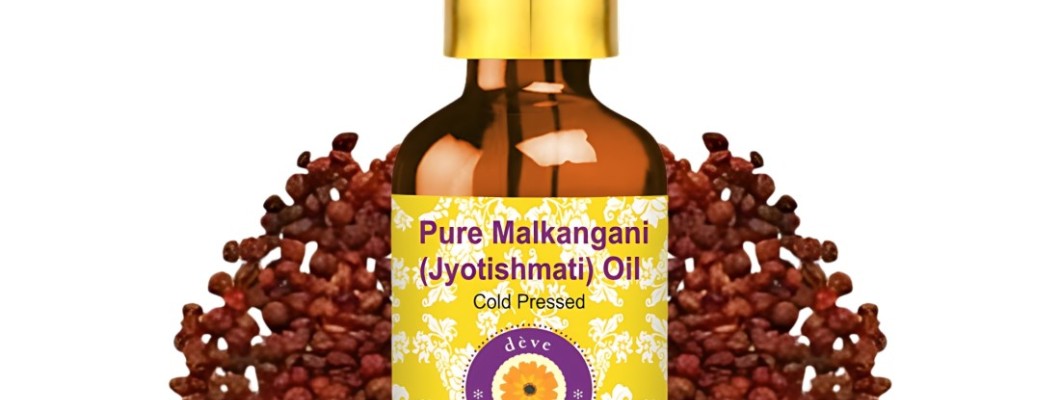
At Deve Herbes, Pure Malkangani Oil is offered as a 100% natural, cold-pressed carrier oil. Cold pressing is the extraction method used for this product, and the oil is available in multiple packaging sizes to suit different preferences.
Malkangani Oil Benefits: What Makes It Different?
When comparing herbal oils, it is important to understand their individual characteristics rather than assuming that every oil serves the same purpose.
Here are some reasons Malkangani oil attracts attention:
1. Traditional Ayurvedic Heritage
One of the distinguishing features of Malkangani oil is its association with traditional Ayurvedic wellness practices. Also known as Jyotishmati oil, it has a place in traditional discussions of natural self-care.
2. A Botanical Option for Massage
Malkangani oil can be incorporated into an external body massage routine. Deve Herbes recommends blending it with almond oil for a soothing massage experience.
3. Suitable for a Herbal Scalp Care Routine
People who enjoy botanical hair care can explore Malkangani oil as part of a scalp massage routine. Blending it with a suitable carrier oil can make it easier to incorporate into a personalised hair care ritual.
4. Cold-Pressed Extraction
Extraction methods matter when selecting botanical oils. Deve Herbes Pure Malkangani Oil is cold pressed, without relying on conventional hot pressing. This is an important product-quality detail for customers comparing natural carrier oils.
Malkangani Oil vs Other Herbal Oils: Understanding the Differences
Not every herbal oil has the same texture, traditional background or application. Here's how Malkangani compares with some familiar botanical oils.
1. Malkangani Oil vs Almond Oil
Malkangani oil is known for its traditional Ayurvedic association, while almond oil is a popular choice for everyday skin and hair care.
Almond oil is often selected for its smooth texture and moisturising feel. It can also serve as a carrier oil for massage blends.
Which should you choose?
If you are exploring traditional Ayurvedic botanical oils, Malkangani may interest you. If you prefer a familiar oil for regular skin care and massage blending, almond oil is a versatile option.
Explore Deve Herbes Pure Almond Oil for your everyday botanical care routine.
2. Malkangani Oil vs Sesame Oil
Sesame oil has a long history in traditional Indian massage practices. It is commonly used as a massage oil and is valued for its rich texture.
Malkangani oil, on the other hand, is more distinctive because of its Jyotishmati identity and traditional Ayurvedic background.
Which should you choose?
Choose Malkangani oil if you want to explore a less familiar traditional botanical oil. Sesame oil may be more suitable if you prefer a widely used massage oil with a familiar place in traditional body care.
3. Malkangani Oil vs Coconut Oil
Coconut oil is a familiar household staple used in hair and skin care. Its characteristic texture makes it popular for hair oiling and moisturising routines.
Malkangani oil offers a different botanical experience, particularly for those interested in traditional Ayurvedic ingredients.
Which should you choose?
Coconut oil is a practical choice for everyday hair care, while Malkangani oil can be explored as a specialised addition to a botanical self-care routine.
How to Use Malkangani Oil in Your Self-Care Routine
Understanding the appropriate application is just as important as choosing the right oil.
Here are a few ways to incorporate Malkangani oil into an external care routine:
Scalp massage: Blend a small amount with a suitable carrier oil and gently massage the scalp.
Body massage: Mix Malkangani oil with almond oil to create a massage blend.
Personalised oil blends: Combine it with a compatible carrier oil according to your preferred texture and application.
Always follow the product label and directions. Start with a small amount and perform a patch test before regular application.
What to Look for When Buying Pure Malkangani Oil
Quality should be a priority when selecting any botanical oil. Consider these factors before purchasing:
Botanical name: Check that the product identifies Celastrus paniculatus.
Extraction method: Look for clearly stated extraction information, such as cold pressed.
Purity: Choose products with transparent ingredient and product information.
Packaging: Appropriate packaging helps with convenient storage and handling.
Brand transparency: Prefer brands that clearly explain product characteristics, directions and safety information.
Deve Herbes Pure Malkangani Oil is identified by its botanical name and cold-pressed extraction method, making these details easy for customers to review before purchasing.
Why Choose Deve Herbes Pure Malkangani Oil?
If you are looking to explore traditional botanical oils, Deve Herbes offers Pure Malkangani Oil made from Celastrus paniculatus seeds.
Its key product features include:
100% natural carrier oil.
Cold-pressed extraction method.
Botanical name: Celastrus paniculatus.
Multiple packaging options.
Amber glass packaging for smaller sizes.
Whether you are exploring traditional Ayurvedic ingredients or adding a distinctive botanical oil to your massage routine, this product offers an opportunity to discover Jyotishmati oil.
Explore Deve Herbes Pure Malkangani Oil and make an informed choice for your natural self-care collection.
Frequently Asked Questions About Malkangani Oil
1. What are the main Malkangani oil benefits?
Malkangani oil is traditionally valued in Ayurveda and is commonly explored as a botanical oil for external massage and personal care routines. Its traditional background and cold-pressed extraction make it an interesting option for herbal oil enthusiasts.
2. What are the common Malkangani oil uses?
Common external uses include scalp massage and body massage. It can be blended with almond oil for a massage application. Always follow the product label and directions.
3. Is Malkangani oil the same as Jyotishmati oil?
Yes. Malkangani oil and Jyotishmati oil are commonly used names for oil obtained from Celastrus paniculatus seeds.
4. Can Malkangani oil be mixed with almond oil?
Yes. Deve Herbes recommends mixing Malkangani oil with almond oil for external body massage. Follow the product directions and perform a patch test before use.
5. How should I choose between Malkangani oil and other herbal oils?
Consider your intended application, preferred texture, botanical ingredients and product quality. Malkangani oil is associated with traditional Ayurvedic practices, almond oil is popular for everyday skin care, sesame oil is widely used for massage, and coconut oil is a familiar choice for hair care.
Final Thoughts
Choosing between Malkangani oil and other herbal oils is ultimately about understanding your personal self-care preferences. While almond, sesame and coconut oils each have familiar applications, Malkangani oil stands out for its distinctive botanical identity and traditional Ayurvedic background.
With its cold-pressed extraction and clearly identified botanical name, Deve Herbes Pure Malkangani Oil is worth exploring if you enjoy incorporating traditional botanical ingredients into your self-care routine.
Discover the product, review its directions and choose the oil that best complements your everyday care preferences.
Disclaimer: The information in this article is intended for general product education and is based partly on traditional usage. It is not medical advice and does not establish medical benefits. Always follow the product label, perform a patch test before external application and consult a qualified healthcare professional before use if pregnant, nursing, taking medication or unsure about suitability. Do not ingest the oil unless specifically directed by a qualified healthcare professional and the product's approved instructions.
2 Comment(s)
I'm amazed, I have to admit. Rarely do I encounter a blog that's both equally educative and engaging, and
let me tell you, you've hit the nail on the head.
The issue is an issue that too few folks are speaking intelligently about.
I am very happy I stumbled across this in my hunt for
something relating to this.
Its like you read my mind! You seem to know a lot about this,
like you wrote the book in it or something.
I think that you can do with some pics to drive the message
home a little bit, but instead of that, this is fantastic blog.
An excellent read. I'll definitely be back.
Leave a Comment