

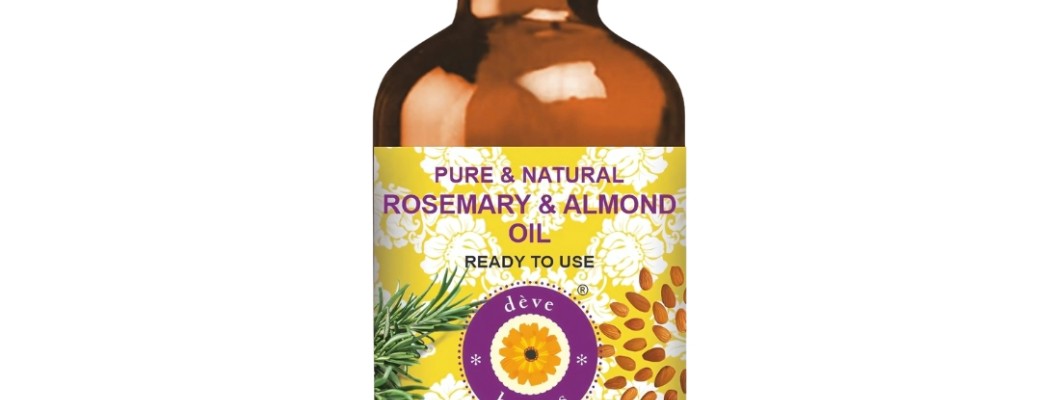
Hair fall is one of the most common concerns people bring up with dermatologists and hair experts, and for good reason. Between pollution, stress, hard water, and harsh styling products, our scalp goes through a lot every single day. If you have been searching for a natural, time-tested solution, you have probably already come across two names again and again: rosemary oil and almond oil.
At Deve Herbes, we have spent years formulating pure, therapeutic-grade oils, and rosemary combined with almond oil remains one of the most requested combinations for hair fall control. In this guide, we will walk you through why this duo works, how to use it correctly, and a simple routine you can start today.
Why Rosemary Oil for Hair Fall Works So Well
Rosemary oil for hair growth has been studied for its ability to improve microcirculation in the scalp. Better blood flow means hair follicles receive more oxygen and nutrients, which supports stronger, thicker strands over time. A widely cited clinical comparison even found rosemary oil to be as effective as minoxidil 2% for promoting hair growth, with fewer reports of scalp itching.
Beyond circulation, rosemary oil for hair fall is valued for its natural antimicrobial and anti-inflammatory properties. A calm, balanced scalp is less prone to flaking, itchiness, and the kind of inflammation that can weaken hair roots. This is why rosemary oil for hair is often the first ingredient recommended by natural hair care experts dealing with early-stage thinning or excessive shedding.
Why Almond Oil Completes the Routine
While rosemary oil stimulates the scalp, it works best when paired with a nourishing carrier oil, and this is where almond oil for hair growth comes in. Sweet almond oil is rich in vitamin E, magnesium, and omega-9 fatty acids that penetrate the hair shaft, reduce protein loss, and lock in moisture. It also acts as the ideal carrier oil, diluting rosemary's concentrated essential oil so it can be applied directly and safely to the scalp.
Together, rosemary and almond oil for hair create a balanced blend: one ingredient wakes up the follicles, and the other feeds and protects the strand. This is not a trend; it is a combination rooted in traditional hair care practices and now backed by growing scientific interest.
The Step-by-Step Rosemary and Almond Oil Routine
Step 1: Choose Pure, Therapeutic-Grade Oils
The results you get depend heavily on the quality of oils you use. Diluted, synthetic, or adulterated oils will not deliver the same benefits. Start with a bottle of Pure Rosemary Essential Oil, which is 100 percent natural and steam distilled to retain its active compounds, along with a bottle of Pure Almond Oil, cold pressed and free from additives.
If you would rather skip the measuring and mixing altogether, Deve Herbes also offers a ready-made blend, the Rosemary, Lavender and Almond Oil for Healthy Hair and Scalp Massage. It combines rosemary's energizing effect, almond oil's deep hydration, and calming lavender, making it a convenient one-bottle solution for a relaxing scalp massage.
Step 2: Mix in the Right Ratio
If you are blending your own oils, the general rule is 2 to 3 drops of rosemary essential oil for every tablespoon (about 15 ml) of almond oil. Rosemary oil is potent, and using it undiluted directly on the scalp can cause irritation, so proper dilution matters. Mix the two in a small glass bowl before application.
Step 3: Apply with a Gentle Scalp Massage
Section your hair and apply the oil blend directly to the scalp using your fingertips, not your nails. Massage in small, circular motions for 5 to 10 minutes. This step is just as important as the oil itself, since massage physically stimulates blood flow to the follicles and helps the oil absorb evenly.
Step 4: Leave It In and Let It Work
Leave the oil on for at least 30 to 45 minutes. For deeper conditioning, you can leave it overnight wrapped in a soft towel or shower cap. Consistency matters more than duration, so even a 30-minute session done regularly will outperform an occasional overnight treatment.
Step 5: Wash with a Mild, Sulphate-Free Shampoo
Rinse thoroughly with a gentle, sulphate-free shampoo. Harsh shampoos strip away the very nourishment you just massaged in, so choose a mild formula to preserve the oil's benefits.
Step 6: Repeat Consistently
For visible results, apply this rosemary and almond oil routine two to three times a week for at least 8 to 12 weeks. Hair growth cycles are slow, and natural remedies work gradually, so patience and consistency are key.
Tips to Get the Most Out of Your Routine
- Always do a patch test before your first application, especially if you have sensitive skin.
- Warm the oil blend slightly before massaging; warmth improves absorption and feels more relaxing.
- Pair your oiling routine with a balanced diet rich in protein, iron, and biotin for better internal support.
- Avoid tight hairstyles and excessive heat styling while you are actively working on reducing hair fall.
- If you prefer a lightweight, non-greasy alternative for daily use, the Rosemary and Jojoba Oil blend is worth exploring, since jojoba closely mimics the scalp's natural oils.
Who Should Be Cautious
Pregnant or breastfeeding individuals, and those with a known sensitivity to essential oils, should consult a healthcare professional before using rosemary oil. Always dilute essential oils in a carrier oil like almond oil before scalp application, and discontinue use if you notice redness, itching, or irritation.
Final Thoughts
Hair fall control is rarely about one miracle product. It is about consistency, quality ingredients, and understanding what your scalp actually needs. Rosemary oil brings stimulation and circulation, almond oil brings nourishment and protection, and together they form a routine that is simple enough to fit into your weekly self-care ritual.
If you are ready to start, explore our full range of pure, natural hair care oils and find the blend that fits your hair type and routine.
Leave a Comment