

Karanja Seed Oil for Skin & Hair: Benefits, Uses, Science & How to Apply It
If you are searching for a deeply nourishing, multi-purpose botanical oil that has stood the test of traditional use and modern science, karanja seed oil deserves a prominent place in your natural skincare and hair care routine. Cold-pressed from the seeds of Pongamia pinnata, this golden-to-amber oil has been used in Ayurvedic medicine for centuries and is now gaining recognition worldwide for its potent therapeutic profile.
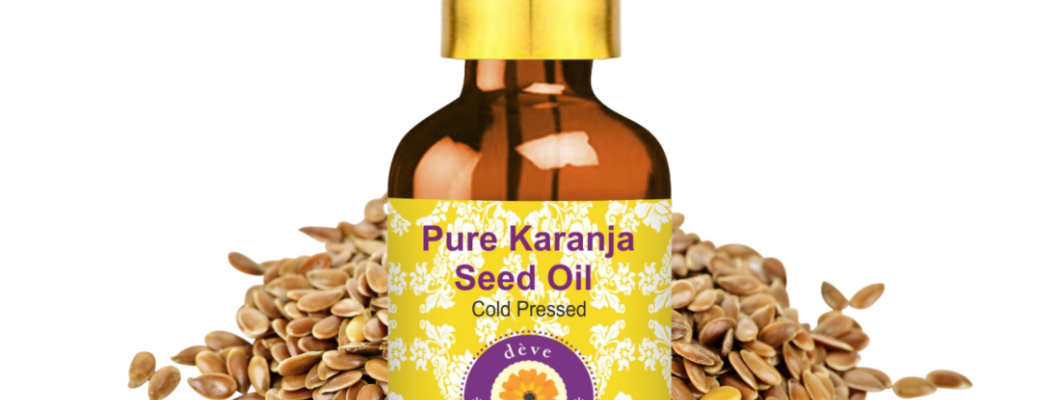
At Deve Herbes, our Pure Karanja Seed Oil (Pongamia pinnata) is cold-pressed to retain the full spectrum of its bioactive compounds, making it one of the finest therapeutic-grade options available for both skin and hair applications.
What Is Karanja Oil? Understanding the Botanical Behind the Benefits
Karanja oil is extracted from the seeds of the Pongamia pinnata tree, a fast-growing legume native to South Asia and parts of Southeast Asia. Often described as a cousin to neem oil, karanja oil shares many of neem's antiseptic and insecticidal properties but carries a slightly milder aroma, making it more versatile for topical formulations and personal care use.
The oil is rich in a unique group of flavonoids known as pongamol and karanjin, alongside fatty acids including oleic acid, linoleic acid, and behenic acid. These compounds work synergistically to deliver anti-inflammatory, antimicrobial, antifungal, and skin-conditioning benefits that few other botanical oils can match.
Key Karanja Seed Oil Benefits for Skin
1. Powerful Antimicrobial and Antifungal Action
One of the most well-documented karanja seed oil benefits is its ability to combat bacterial and fungal infections on the skin. The karanjin and pongamol content in the oil have been studied for their effectiveness against common skin pathogens. This makes pure karanja oil a valuable addition to formulations targeting acne-prone skin, fungal rashes, and conditions like tinea (ringworm).
2. Soothes Inflammation and Skin Irritation
Chronic skin inflammation, whether from eczema, psoriasis, or environmental stress, can significantly disrupt your skin barrier. Karanja oil for skin contains oleic acid and naturally occurring flavonoids that help modulate inflammatory responses, reducing redness, itching, and swelling. Regular application can help restore a calmer, more balanced complexion.
3. Supports Wound Healing and Skin Repair
Traditional Ayurvedic texts reference karanja oil as a vulnerary agent, meaning it supports wound healing. Its high oleic acid content promotes skin cell regeneration and helps maintain the skin's moisture barrier. This property also makes it beneficial for treating minor cuts, dry and cracked heels, and chapped skin.
4. Manages Scabies and Skin Infections
The insecticidal properties of karanja seed oil make it particularly effective in addressing scabies, a skin condition caused by the Sarcoptes scabiei mite. Combined with its antifungal activity, this oil has historically been used to address leucorrhoea and other infection-related skin conditions when applied externally under proper guidance.
5. Moisturizes and Conditions Dry Skin
Thanks to its rich fatty acid profile, karanja oil is an excellent emollient. It penetrates the skin without leaving a heavy residue, delivering sustained hydration to dry, flaky, or dull skin. Regular use helps improve skin texture and restore a healthy, natural glow.
Ready to experience the skin-transforming power of karanja oil? Try Deve Herbes Pure Karanja Seed Oil today, available in multiple sizes with your choice of glass or plastic dropper bottles.
Karanja Oil for Hair: What Science and Tradition Tell Us
1. Promotes a Healthy Scalp Environment
An unhealthy scalp, often marked by dandruff, seborrheic dermatitis, or microbial overgrowth, is one of the leading causes of hair thinning and poor hair quality. Karanja oil for hair addresses this at the root (literally) by delivering antifungal and antimicrobial compounds directly to the scalp. This helps control flaking, itching, and the conditions that contribute to hair fall.
2. Natural Insect-Repellent Properties for Scalp Health
One often-overlooked use of karanja oil in hair care is its ability to repel head lice and other scalp parasites. Much like neem oil, pure karanja oil contains compounds that disrupt the life cycle of insects, making it a natural alternative to chemical-based lice treatments. It can be mixed with a carrier shampoo or lighter oil for regular scalp application.
3. Nourishes Hair Strands and Reduces Breakage
The oleic and linoleic acids in karanja seed oil help coat the hair shaft, reducing moisture loss and protecting against environmental damage. This results in visibly stronger, shinier, and more resilient hair over time. It is particularly beneficial for coarse, dry, or chemically treated hair that has lost its natural luster.
4. Conditions and Softens the Hair
Used as a pre-shampoo treatment or added to a hair mask, karanja oil conditions the hair cuticle, helping to detangle and soften even the most stubborn knots. Its medium viscosity means it spreads easily through the hair without weighing it down excessively.
How to Use Karanja Seed Oil: Practical Application Tips
Knowing the benefits of karanja oil is only half the story. Here is how to incorporate it effectively into your routine:
- For skin care: Mix 2 to 3 drops of karanja seed oil with a lighter carrier oil such as jojoba or sweet almond oil and apply to the affected area. Use it once or twice daily for best results.
- For scalp treatment: Warm a small amount of karanja oil and massage it into the scalp. Leave it on for at least 30 minutes (or overnight) before washing out with a mild shampoo.
- For wound and infection care: Apply a thin layer of undiluted karanja oil directly to the affected skin area using a clean cotton ball. Repeat twice daily.
- For hair masks: Blend karanja oil with coconut oil or argan oil in equal parts, apply from roots to tips, cover with a warm towel for 45 minutes, and rinse thoroughly.
- For anti-dandruff care: Add 5 to 6 drops of karanja oil to your regular shampoo or conditioner and use it at every wash to help control flaking and scalp irritation.
Important Note: Karanja oil has a strong, distinctive earthy scent and a dark color. Always perform a patch test before full application, especially if you have sensitive skin. It is intended for external use only.
Why Choose Deve Herbes Pure Karanja Seed Oil?
Not all karanja oils are created equal. Many commercially available oils are expeller or hot-pressed, which destroys heat-sensitive bioactive compounds and reduces therapeutic value. At Deve Herbes, our pure karanja oil is cold-pressed, meaning the seeds are processed at low temperatures to preserve the oil's natural flavonoids, fatty acids, and antioxidants in their most potent form.
Our oil is:
- 100% pure and natural, with no additives or synthetic preservatives
- Therapeutic-grade, suitable for direct skin and hair application
- Cold-pressed for maximum bioactive retention
- Available in a range of sizes from 50ml to 1250ml to suit every need
- Trusted by customers in over 100 countries
You can also explore our complete range of cold-pressed carrier oils to find the perfect complement to your karanja oil routine.
Shop Now: Deve Herbes Pure Karanja Seed Oil (Pongamia pinnata) is available with a plastic euro dropper or glass dropper for easy, mess-free application.
The Science Behind Karanja Oil: A Brief Research Overview
Research into Pongamia pinnata oil has validated many of its traditional applications. Studies published in ethnobotanical and phytochemical journals confirm the antibacterial activity of karanjin against Staphylococcus aureus and other common pathogens. The oil's anti-inflammatory potential has been linked to its ability to inhibit pro-inflammatory enzymes, while its insecticidal activity is well-established in both agricultural and personal care contexts.
Additionally, the high oleic acid content (approximately 50 to 70%) makes karanja oil exceptionally suitable as an emollient and penetration enhancer, allowing it to deliver therapeutic compounds more effectively through the skin barrier compared to many other botanical oils.
Frequently Asked Questions About Karanja Seed Oil
Q1. What is karanja seed oil used for?
Karanja seed oil is a multi-purpose botanical oil used primarily for skin and hair care. Its key applications include treating acne and fungal skin infections, soothing inflammatory skin conditions like eczema, managing dandruff and scalp infections, repelling lice, moisturizing dry skin, and supporting wound healing. It is also historically used in Ayurvedic formulations for conditions such as scabies, rheumatism, and gingivitis.
Q2. Is karanja oil safe for all skin types?
Karanja oil is generally safe for most skin types when used correctly. However, because of its potency and strong odor, it is often recommended to dilute it with a lighter carrier oil before applying to sensitive or large areas of skin. Always conduct a patch test 24 hours before full use. Those with known allergies to legume-family plants should consult a dermatologist before use.
Q3. How is karanja oil different from neem oil?
Both karanja oil and neem oil come from related plants and share antimicrobial and insecticidal properties, but there are notable differences. Karanja oil has a slightly milder smell compared to neem oil, making it easier to incorporate into cosmetic and personal care formulations. Karanja oil is also richer in certain flavonoids like karanjin and pongamol, which give it a distinct antifungal profile. Neem oil, on the other hand, contains azadirachtin, which is more specifically studied for insecticidal use.
Q4. Can I use karanja oil directly on my scalp without diluting?
Yes, karanja oil can be applied directly to the scalp in small amounts, particularly for therapeutic purposes such as treating dandruff, scalp infections, or lice. However, because of its dark color and strong scent, many users prefer to dilute it with a neutral carrier oil like coconut oil at a ratio of 1:3 (one part karanja to three parts carrier oil). This makes it easier to spread and reduces the intensity of the odor without significantly diminishing its effectiveness.
Q5. How long does it take to see results from using karanja oil?
Results vary depending on the condition being treated and the consistency of use. For scalp issues like dandruff or mild fungal infections, most users begin to notice improvement within 2 to 4 weeks of regular application. For skin hydration and texture improvement, results can be visible within 1 to 2 weeks. Conditions like scabies or more persistent fungal infections may take longer, and it is advisable to consult a healthcare professional if symptoms persist or worsen.
2 Comment(s)
Hi there! Do you know if they make any plugins to protect against hackers?
I'm kinda paranoid about losing everything I've worked hard on. Any recommendations?
Excellent post. I absolutely love this site.
Stick with it!
Leave a Comment